
Everything families need to know to experience Arusha, Tanzania, properly during a safari trip. First-hand experience tips for the best things to do, where to eat, and where to stay.
The first thing that hit me about Arusha was the Toyota Land Cruisers. I don’t mean that to say one of these massive safari vehicles actually flattened me. Rather, as I walked out of the Kilamanjaro Airport at the start of my family’s epic eight-day safari along the incredible Northern Circuit, every vehicle was exactly the same. A mid-90s safari beige Toyota Land Cruiser. It was like something out of a Twilight Zone episode.
Christina, the boys, and I barely had time to take in the smell of roasting corn, the young Maasai boys herding cows and goats along the roadways, or the fact that Mount Kilimanjaro, the tallest mountain on the African continent, was hidden behind a veil of clouds just a few miles away. That herd of safari vehicles somehow stole the show. But not for long, though, because Arusha revealed itself to my family pretty quickly as we left the airport and headed into town.
Arusha is the safari capital of Tanzania. Hence, all of the safari trucks. And nearly every guide to Tanzania writes this city off as a dusty, noisy mess with dirt roads. Sometimes listing it as “the last place to get good coffee before heading to Ngorongoro.” Sure, Arusha is all of those things, but for families looking for the best things to do in Arusha, and who are willing to give the city at least a day, if not two, Arusha will reveal itself as a culturally-rich, educationally fascinating, and genuinely interesting city to visit with kids.
This Arusha city guide blends what our family actually did in Arusha with everything that’s on our list for when we return to help you understand why Arusha matters to families and the practical details of visiting the city with kids, including safety, food, and getting around.
About Arusha: Tanzania’s Green, Cultured Safari Capital
Table of Contents
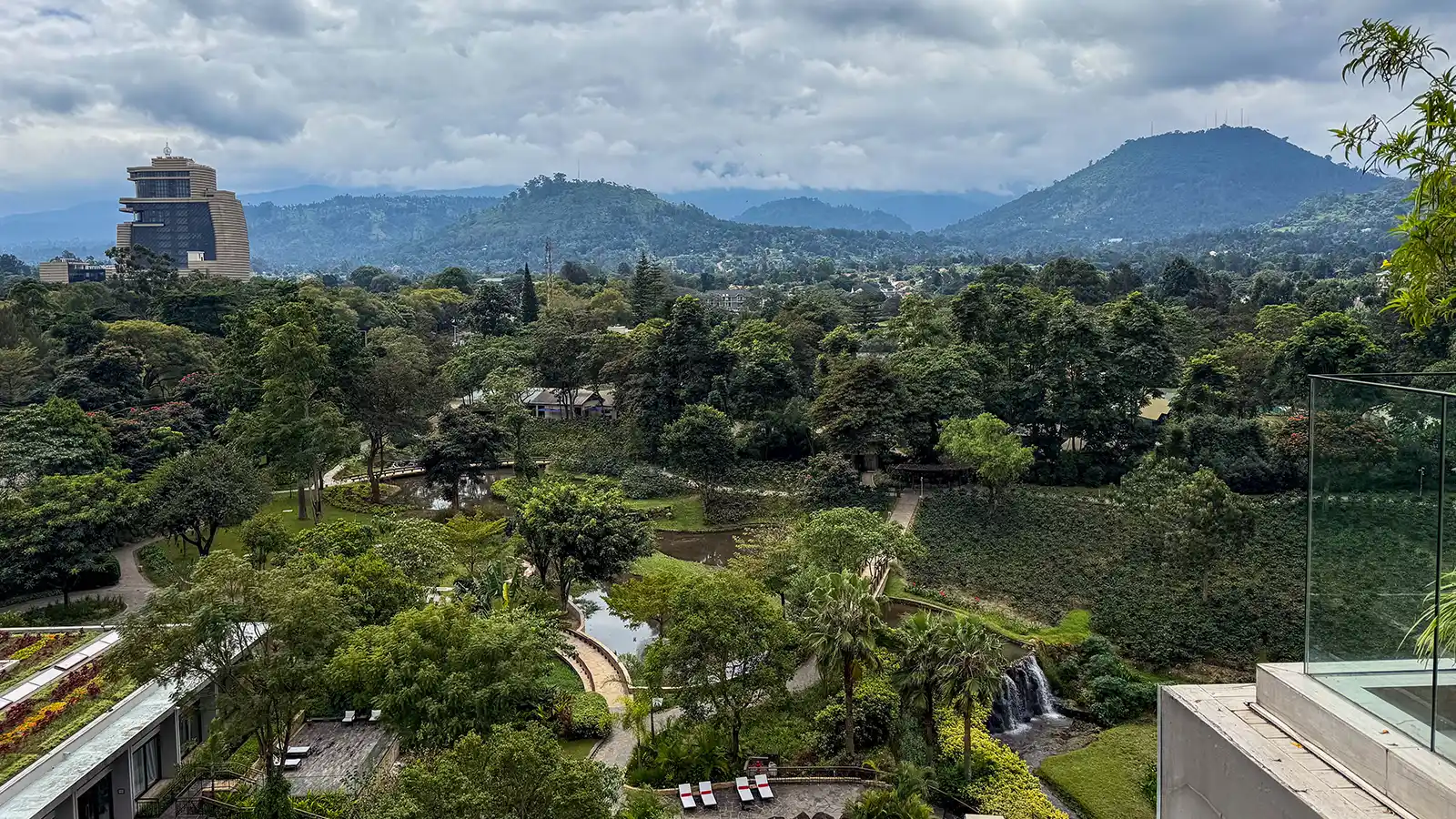
With a population of nearly 800,000 people, most people would expect Arusha to mirror larger Tanzanian cities like Dar es Salaam and rise up. Instead, Arusha sprawls across the green southern foothills of Mount Meru. Reaching its urban fingers between lush farmland and towering mountains. The tallest building in the city is Papu Tower, an 18-story, elegant tower that dwarfs anything nearby and is the pride and joy of the booming economic hub of northern Tanzania.
Tucked into the foothills of Mount Meru, Africa’s fifth-highest mountain, in the heart of the Great Rift Valley. At around 4,600 feet (1,400 meters), Arusha has a mild, temperate climate year-round and stays lush most of the year. Locals often refer to Arusha as Tanzania’s “green city.”
The city is growing fast, powered by the booming safari industry and catching the overflow of its neighbor, Moshi’s trekking industry. Arusha is one of the country’s largest and most cosmopolitan cities, with a mix of Maasai, Arusha, and Meru peoples living alongside Tanzanians of Arab, Swahili, and Indian heritage and a sizeable expat community.
What began in 1900 as a small German military garrison, the old stone fort, the Boma, still stands and now houses the Natural History Museum. After the First World War, the British took over the Boma and made Arusha the administrative capital of Tanzania’s Northern Province, and the town grew around coffee plantations and a now-iconic Clock Tower, which locals proudly note sits roughly midway between Cairo and Cape Town.
Arusha is also far more than simply a safari town. This is the diplomatic heart of East Africa, the headquarters of the East African Community, the former home of the UN tribunal that tried the Rwandan genocide, and the seat of the African Court on Human and Peoples’ Rights, which has earned Arusha the nickname “the Geneva of Africa.” It’s where Tanzania’s founding president signed the 1967 Arusha Declaration, and its economy runs on coffee, cut flowers, and tanzanite, the blue-violet gemstone that can’t be found anywhere else on Earth.
For families visiting Arusha, the city offers a gentle climate that kids handle far better than the lowland heat. The city has a compact and walkable center, genuine cultural depth, and, with Olduvai Gorge, the “Cradle of Mankind,” just up the road, a chance for children to brush up against the deep human story.
Arusha at a Glance
- Location: Northern Tanzania, at the foot of Mount Meru
- Elevation: ~1,400 m (4,600 ft) — mild, temperate, green year-round
- Population: 783,000+ (one of Tanzania’s largest cities)
- Languages: Swahili and English are both widely spoken
- Currency: Tanzanian shilling (US dollars widely accepted)
- Main airport: Kilimanjaro International (JRO), about 1 hour away
- Known for: safari gateway, coffee, tanzanite, and EAC diplomacy
Is Arusha Worth Visiting With Kids?
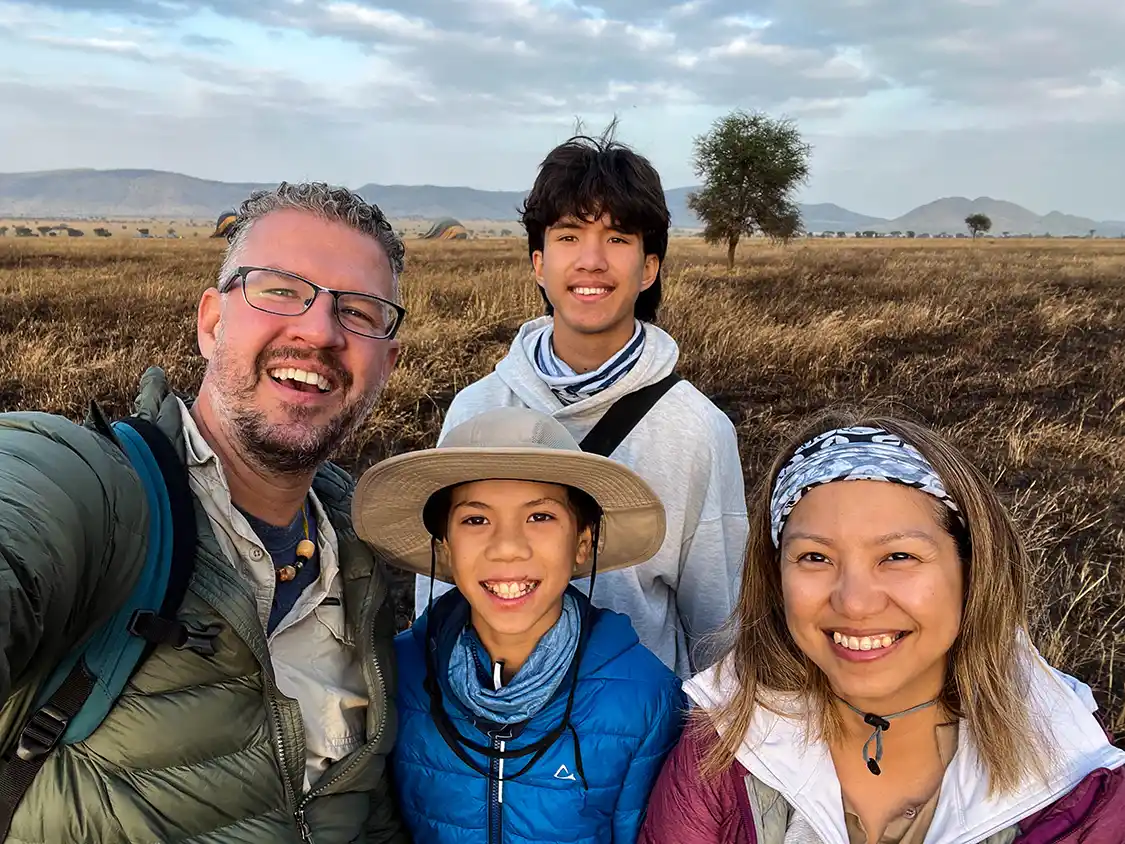
I would, quite honestly, have never written this if I didn’t think Arusha was worth your family’s time while traveling in Tanzania. Arusha isn’t beautiful. It’s raw and gritty, and real. Most importantly, it offers an important cultural lens that points to what life is like for most of the locals in Tanzania’s northern safari circuit.
The trick to exploring Arusha as a family is variety and pacing. A full-day game drive in Ngorongoro or Lake Manyara with a child under about 10 is exhausting. The best family travel days are done as an anchor to a longer safari outing to the nearby parks. Touring the city should be done on its own, not after a long drive to the bush, a full day of taking in the wildlife and scenery, and then a long drive back (assuming you’re using Arusha as a home base and not staying at safari lodges in or around the parks).
My Family’s One-Day Arusha Itinerary

My family stayed at two different places in Arusha. When we arrived, we relaxed at the Arusha Villa Karamu Coffee Estate (formerly known as Karuma Coffee Plantation Lodge), a lovely lodge on the eastern edge of the city. Our goal was relaxation. After spending five days camping and exploring the Western Desert in Egypt (you can check out our video on YouTube from that adventure), we were happy for a comfortable bed and lush greenery to contrast the stark beauty of Egypt’s desert landscapes.
We didn’t do much that first day. Enjoyed the pool and the views, watched the monkeys traipsing between the trees, and ate a fantastic meal before calling it a night. The next day, we were off for day one of our eight-day safari through Tarangire National Park, Ngorongoro Crater Conservation Area, Serengeti National Park, and Lake Manyara National Park along the northern circuit safari.
Our proper Arusha itinerary took place after the elephants, rhinos, and leopards of our Tanzanian safaris were photographed and checked off. When we returned to Arusha a week later, we were ready for a change of scenery. A dive into the local way of life in Arusha.
We based ourselves at the Gran Melia Arusha hotel, a grand hotel that, honestly, seems a little out of place among the coffee plantations and dirt roads of the city. But the Gran Melia is known as Arusha’s premier hotel, and it lives up to its name.
The next morning, we met our Luna Safari guide, a young woman named XXXXXX who referred to herself as a “New Maasai,” which means a Maasai who has left traditional life and moved to the city. She had a passion for her culture and the city she calls home.
Arusha Maasai Market
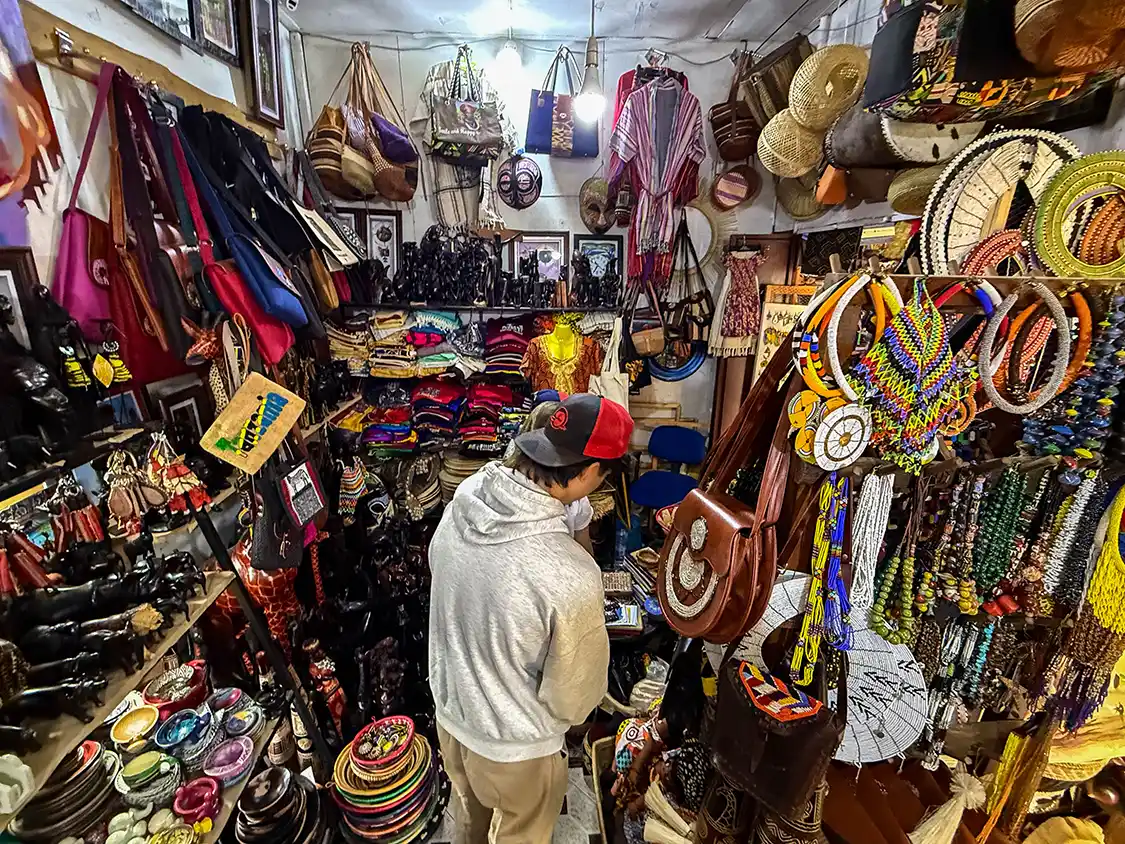
We got around town by tuk-tuk, small motorcycle-powered taxis with enough room for three comfortably, but the five of us fit by piling on top of each other. Our first stop was the Maasai Market, an onubtrustive market on Tanesco road packed with small shops selling handmade goods made from nearby Maasai communities and locals. The shops were a bit overwhelming, as everyone talked to us at once, trying to convince us to enter their shops. But once you’ve stepped inside, no one pushed us to buy anything that we didn’t want to get. We had already purchased quite a few Maasai items from our visit to a village in Ngorongoro Conservation Area, so we left with a few nice trinkets before continuing on.
Arusha Natural History Museum at The Boma
Our next stop was at the historic Boma, the fort that led to the development of Arusha as a city more than 100 years ago. The Boma was a fascinating stop for a number of reasons, and may have been the coolest place that our family visited while in Arusha.
Aside from the colonial history of the Boma itself, the museum is home to a huge collection of taxidermied wildlife from across Tanzania. They actually have a taxidermy shop in the back where trophy hunters who visit Tanzania bring their game. We were able to learn about how trophy hunting is a key part of the Tanzanian economy and how it’s used and abused for wealth, conservation, and education.
The most fascinating exhibits at the Natural History Museum, however, were the ones that followed the evolution and growth of the human species in nearby sites such as Olduvai Gorge, known as the Cradle of Mankind. Within the gorge’s layers of volcanic rock, archaeologists have uncovered some of the earliest known fossils of human ancestors, dating back roughly 2 million years.
The Central Market of Arusha City
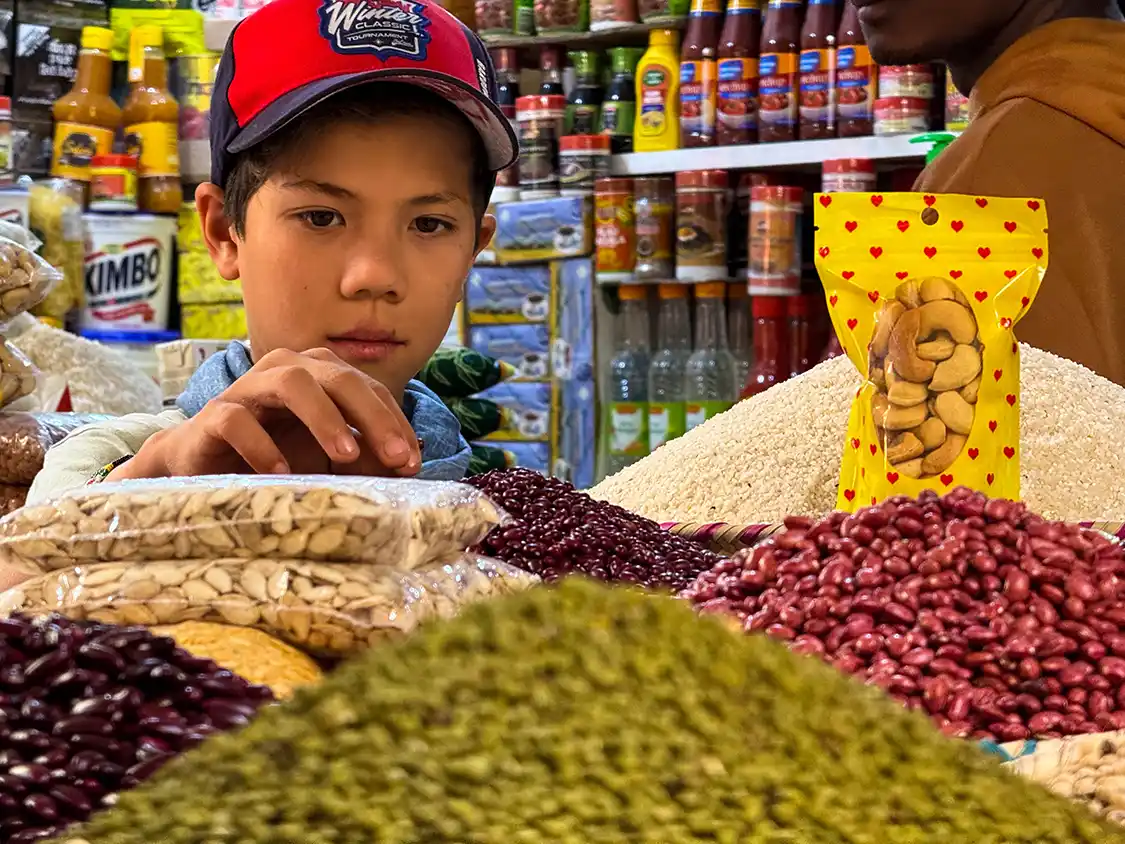
If a city has a central market, my family is going to try to get there. Local markets, in my opinion, are the beating heart of local culture. It’s where residents gather to share goods, shop for fresh, locally-grown food, and where some of the most creative artisans sell their wares.
The Central Market on Bondeni St. is the main market in Arusha. It’s a sprawling indoor and outdoor market where the scent of the northern region’s vast array of spices clashes with fresh seafood, flaming grills, and artisan glue. The market is busy, active, and very much alive.
When we entered, we were cornered by a local salesman who decided he would be our impromptu guide, refusing to take no for an answer, he ushered us through the stalls, all in an effort to show us his spice stand. When I explained that we still had Zambia, Zimbabwe, Mozambique, and Morocco on our epic Africa itinerary, he backed off pretty quickly and gracefully.
That being said, the market is a fascinating glimpse into the industries outside of the safaris that drive the city’s economy. And it’s a fascinating and fun place to visit with kids.
The Best Things to Do in Arusha With Kids
That might have been all we had time to fit in during our first visit to Arusha, but it’s not all that this city has to offer for adventurous and curious families. To help you make the best of your family visit to Arusha, I’ve grouped the city’s best family experiences by the kind the type of experience. If you’re like me, you’ll want your day in Arusha (or more if you’ve got some extra time) to include a mix of the best things to do in Arusha for families.
Wander Arusha’s Markets (Our Family’s Highlight)
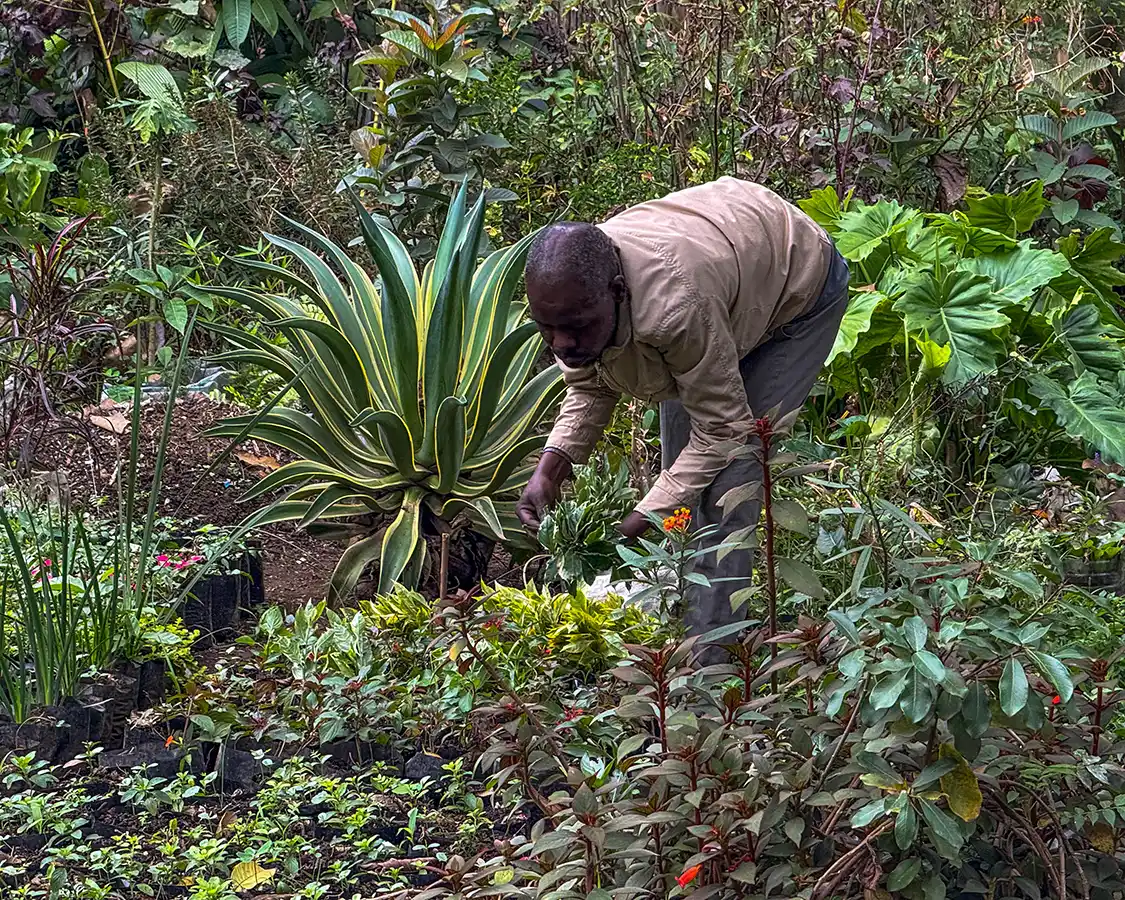
As I mentioned above, if you want to feel Arusha rather than just look at it, head to the markets. This was where Arusha came alive for our family, and it’s the thing I’d push most travelers to make time for.
The Maasai Market
The Maasai Market is a riot of color and energy. Stalls heaped with beadwork, carved animals, kangas, and bright Maasai shukas, vendors calling out warmly and then, to their credit, backing off the moment we made clear we weren’t buying.
For school-age kids, it’s a brilliant, low-stakes lesson in haggling and the rhythm of a Tanzanian market. A friendly but firm “hapana asante” (no thank you) helps to stop persistent harassment, and it pays to agree on a small budget with your kids before you go in.
The Arusha Central Market & Spice Stalls
The Arusha Central Market is the real, working heart of the city. Here you’ll find produce piled high, a cook grilling traditional food over coals, and a maze of spice stalls fragrant with cloves, cinnamon, and cardamom.
Be ready for would-be “guides” who’ll offer to walk you to a stall (they’re working for commission); a polite no is fine. We were traveling carry-on, so we couldn’t load up on spices the way we wanted to. If you have luggage space, this is one of the best edible souvenirs anywhere.
Family Note About the Arusha Central Market
The central market can be intense and crowded. It’s thrilling for older kids, but can be overwhelming for little ones. Go in the morning when it’s freshest, keep small children close, and treat it as a 30-to-60-minute sensory adventure rather than a long browse.
The Flower Market
Northern Tanzania has a serious cut-flower industry, and Arusha’s flower market is a joyful, often-overlooked stop. Picture buckets of roses, lilies, and chrysanthemums in colors that practically glow. It’s a calm, relaxing contrast to the bustle of the central market and an easy win with kids who’ve had their fill of bargaining.
We wandered through one on the way out of town, and it’s the kind of small, sensory detour that leaves a smile on your face and the lingering sweet smell of flowers in your nose.
Wildlife & Adventure
Explore Arusha National Park
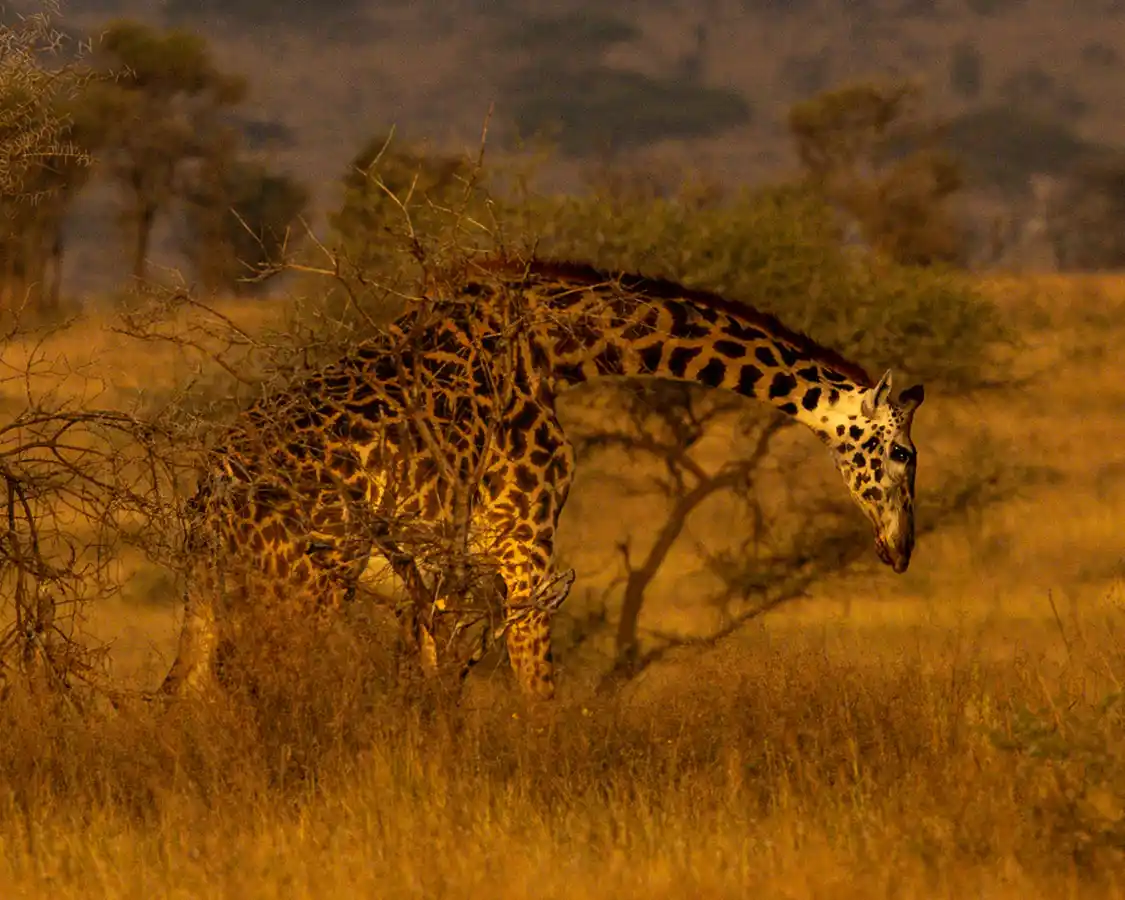
Arusha National Park, located about 40 minutes east of town, is arguably more fun for families than its famous big siblings. The park is compact, so you’re not trapped in a vehicle for ten hours, yet packed with giraffes, zebras, buffalo, warthogs, flamingos, and the comedic black-and-white colobus and blue monkeys.
Beyond the standard game drive, you can take a guided walking safari with an armed ranger, or, the real kid-pleaser, a canoe safari on the Momella Lakes, gliding past giraffes at the water’s edge while flamingos skim the surface. The Ngurdoto Crater here is often called a “mini Ngorongoro,” and on clear days, both Meru and Kilimanjaro can be seen on the horizon.
Family Note on Arusha National Park
Canoe trips in Arusha National Park run about 2 to 2.5 hours with life jackets provided; some operators set a minimum age of around 8 for canoeing, so confirm that when booking. It also makes for a gentle introductory safari before the bigger parks.
Walk With Giraffes
Just outside the city, several sanctuaries and conservancies offer guided walking safaris among giraffes, a chance for kids to see these gentle giants on foot, at eye level, rather than from a vehicle. It’s calm, photogenic, and a lovely change of pace.
Like any animal experiences, it’s important to approach these walks with an ethical mindset. Arusha Giraffe Center is one of the primary organizations offering giraffe walks, and they have a focus on self-directed interactions (the animals control where and when they visit), no touching or feeding, and a focus on regenerative wildlife experience rather than exploitative experiences.
Meet Reptiles at Meserani Snake Park
About 25 km west of town, Meserani Snake Park is a genuinely fascinating educational kid-pleaser: guided walks past black and green mambas, cobras, and puff adders (safely behind glass), crocodiles at feeding time, and a chance for the brave to hold a baby croc. Next door is a small Maasai Cultural Museum, and many visitors add a short camel ride.
The park takes in injured animals and wildlife caught in the animal trade. It’s also the primary organization in Tanzania providing anti-venom to Tanzanian locals who have been bitten by venomous snakes, including Black Mamba, African Puff Adder, Boomslang, Egyptian Cobra, and Black-necked Spitting Cobra.
Take a Day-Trip Safari From Arusha
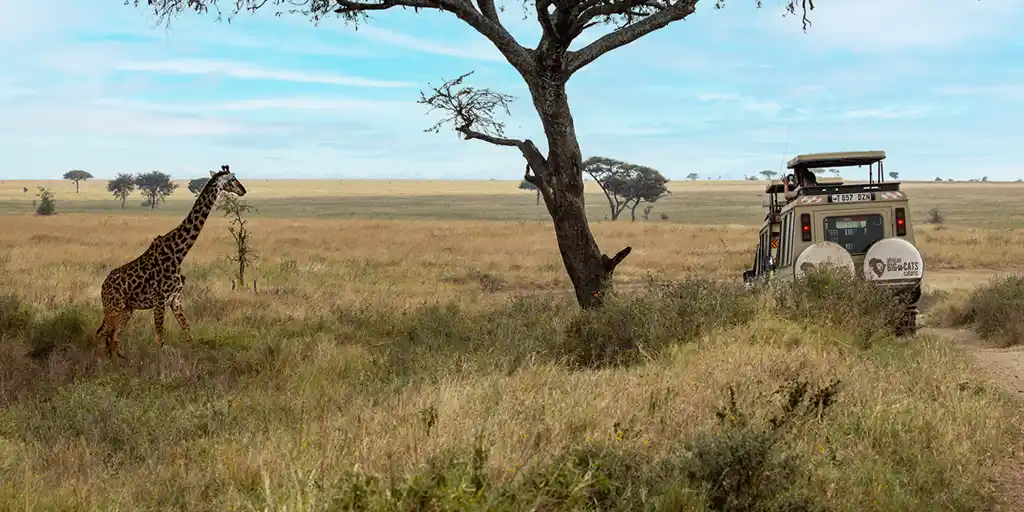
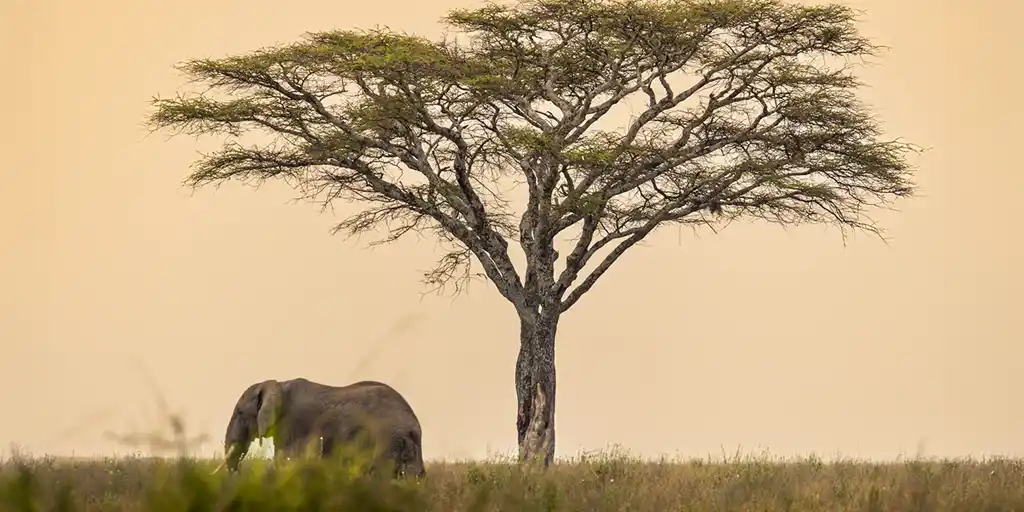
Arusha is the springboard for the whole Northern Circuit safari route. Tarangire (elephants and baobabs) and Lake Manyara (forest, birdlife, and a soda lake) are both doable as single long day trips from Arusha. With more time, a multi-day safari to the Serengeti and Ngorongoro begins here. I’ve told the full story of our seven-day route in our guide to the Tanzania Northern Circuit safari with kids.
Cool Off at Chemka (Kikuletwa) Hot Springs
A little further out of town (closer to Moshi, around 1.5 to 2 hours away), the Chemka Hot Springs are a palm-fringed oasis of clear, warm, spring-fed water with a rope swing kids won’t want to leave. It’s a full-day outing, often paired with the Materuni waterfalls below.
Culture & Craft
Try a Tinga Tinga Art Class
One of the best hands-on family activities in Arusha is a Tinga Tinga painting class, where a master artist teaches you the vibrant, dotted, wildlife-filled style that’s iconic across East Africa. It’s light-hearted, genuinely creative, and works for kids and adults alike, and your family gets to go home with art they made themselves.
Watch Art Being Made at Shanga
Shanga, on the grounds of the Arusha Coffee Lodge, is a standout cultural stop, and a heartwarming one. This social enterprise employs Tanzanian artisans with disabilities, who craft glassware, beadwork, and textiles from recycled materials. The free workshop tour lets kids watch glass-blowing and weaving up close, and you can often try Maasai beading yourself. Everything bought here supports the makers directly.
Browse the Cultural Heritage Center
On the edge of town, the Cultural Heritage Center is part art gallery, part museum, part shopping village. A striking spiral gallery winds upward past Tanzanian paintings, Makonde carvings, and larger-than-life sculptures, and there’s a tanzanite counter, curio shops, a restaurant, and even a small serpentarium, mini-zoo, and botanical garden. Prices are fixed (no haggling), so it’s lower-stress than the markets, if pricier. It’s a good rainy-afternoon option.
Visit a Maasai Community
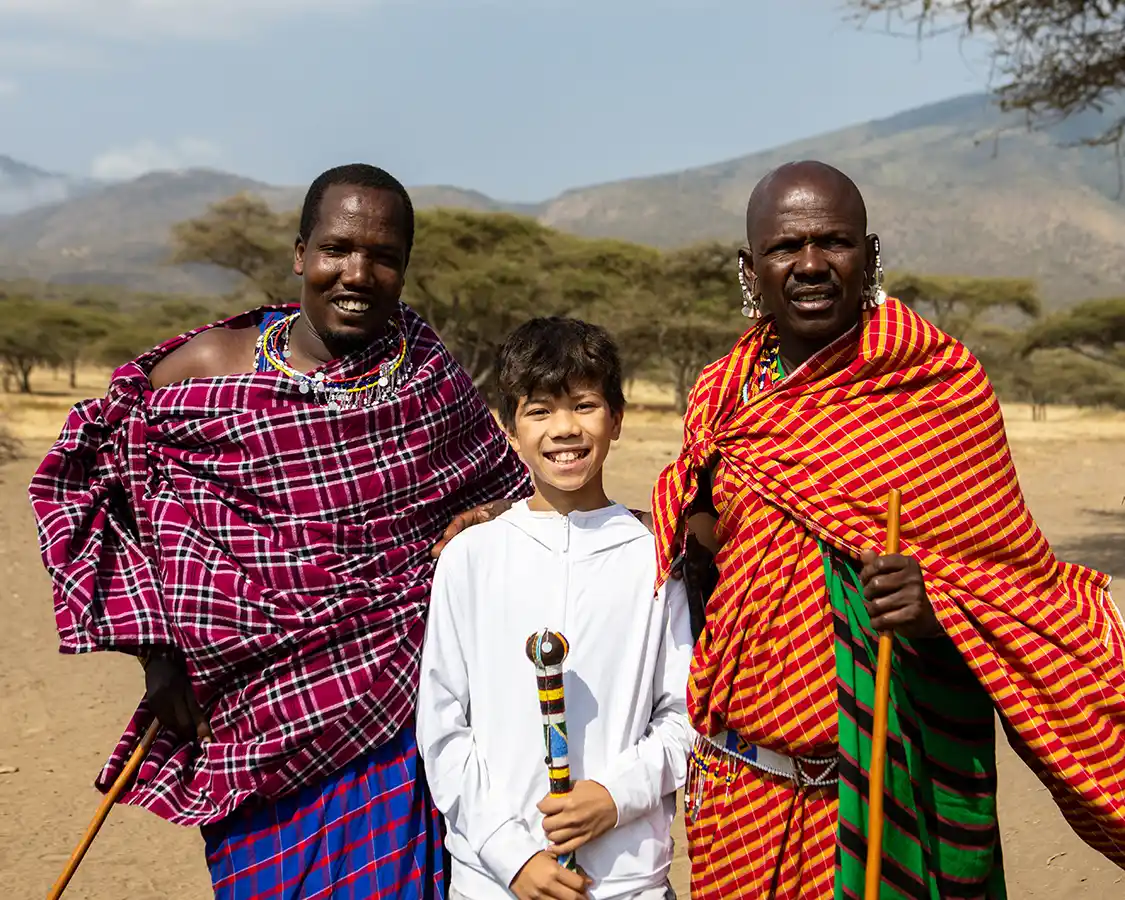
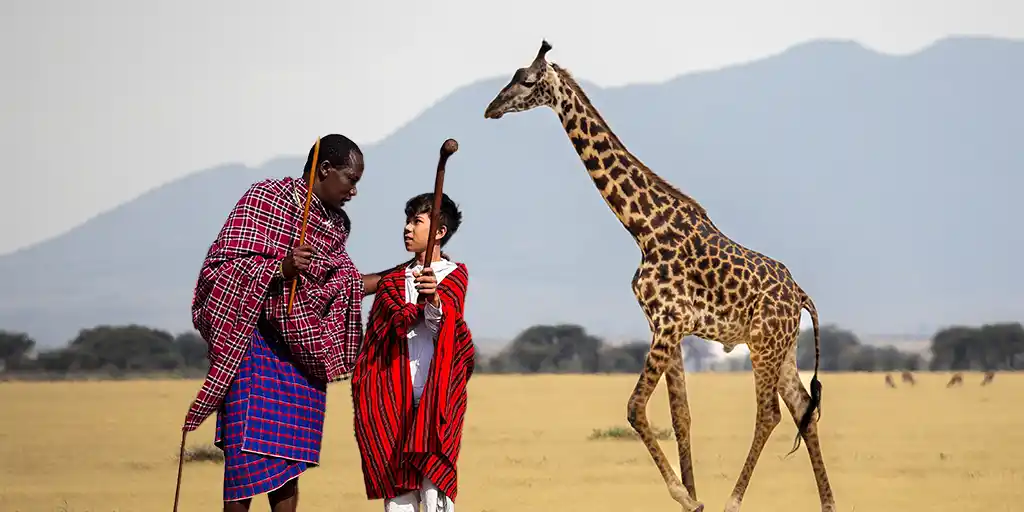
A respectful, well-run visit to a Maasai boma is unforgettable. Our visit with a local community in Ngorongoro wasn’t a staged show. Our guide, Omary, simply found a village welcoming visitors that day. The boys tried (and failed) to match the men’s vertical adumu jumping, learned to start a fire with cow dung and sticks, and sat in the chief’s son’s home hearing how village life balances ancient tradition with modern pressure.
Make sure to choose an operator who works with communities fairly rather than one that is performing for tips. While you’re there, buy their handicrafts. That’s a big way that these villages are able to continue living their traditional lifestyles.
Educational & Hands-On Experiences
Stand Near the Birthplace of Humanity (Natural History Museum)
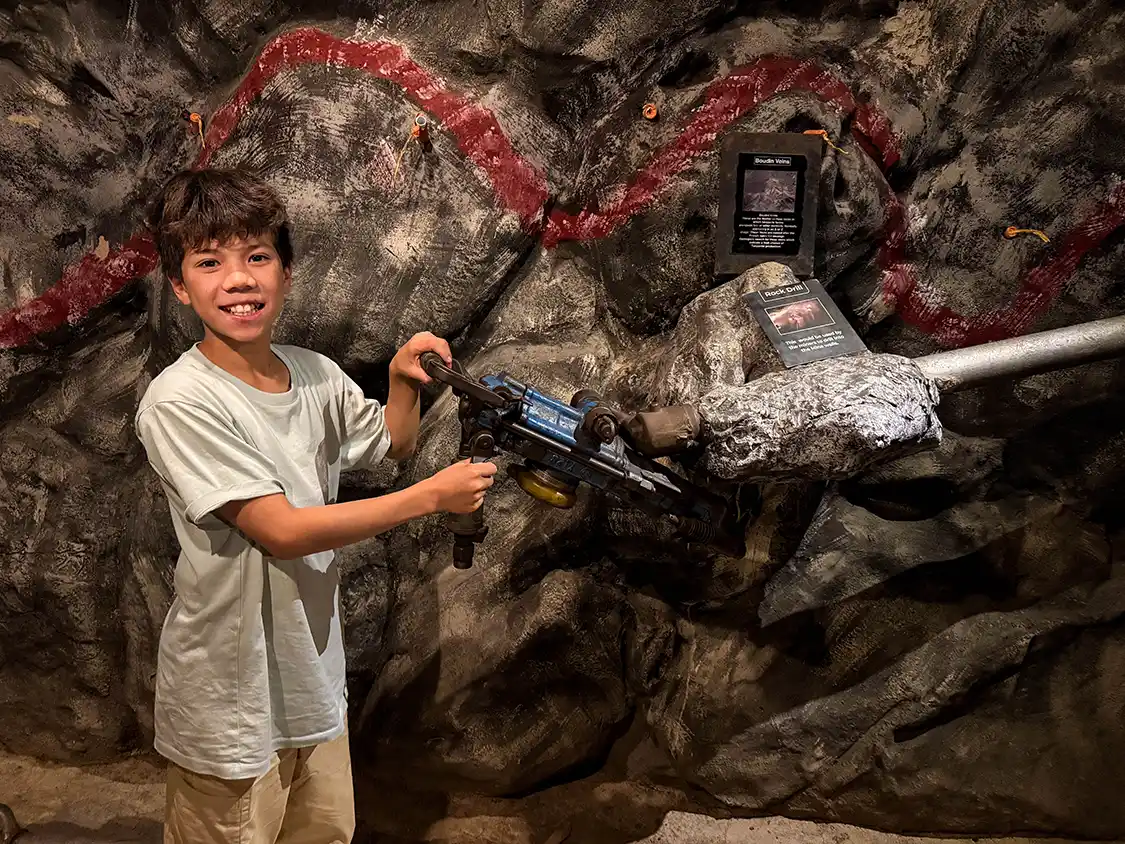
Housed in that German colonial-era Boma, Arusha’s Natural History Museum quietly became one of our favorite stops. Inside are fossils, ancient footprints, and casts from nearby Olduvai Gorge, and the slow realization that we weren’t just in a wildlife capital but standing near the birthplace of our own species.
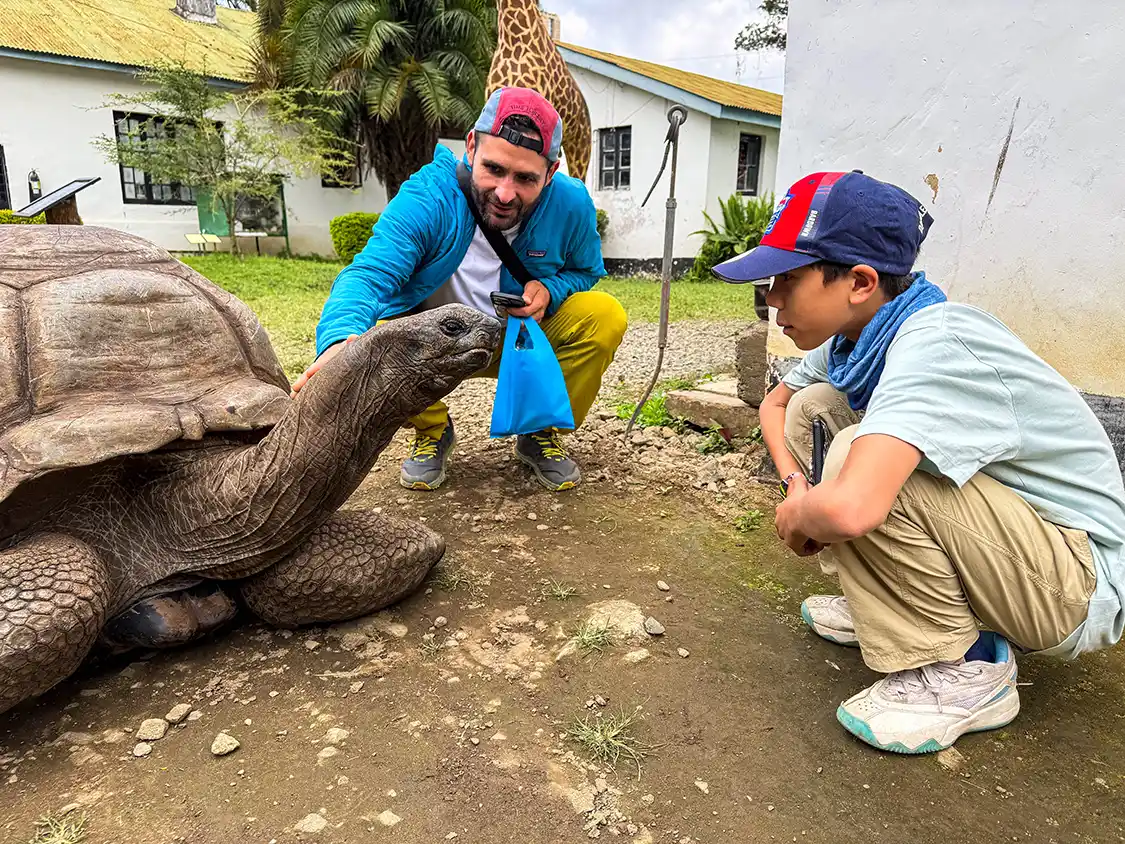
Dylan came face to face with a giant tortoise; the mood shifted from market buzz to genuine awe, and the whole trip seemed to come full circle, from elephants and lions to human origins.
Learn About Tanzanite (The Tanzanite Experience)
We stopped by a Tanzanite Experience shop between Tarangire and Serengeti during our safari. If you haven’t had that experience yet, stopping at a Tanzanite shop in Arusha is worth an hour of your time. Christina picked up a gorgeous pair of earrings that she wears whenever we have a special night out.
In the center of Arusha, The Tanzanite Experience is a genuinely good little museum focused on the blue-violet gemstone found nowhere on Earth except a small area near Kilimanjaro. Interactive exhibits and a replica mine shaft walk kids through how tanzanite forms, is mined, cut, and graded; the guided tour is typically free. A quick, air-conditioned, brain-engaging stop between more physical outings.
Coffee & Food
Tour a Coffee Plantation (Bean to Cup)
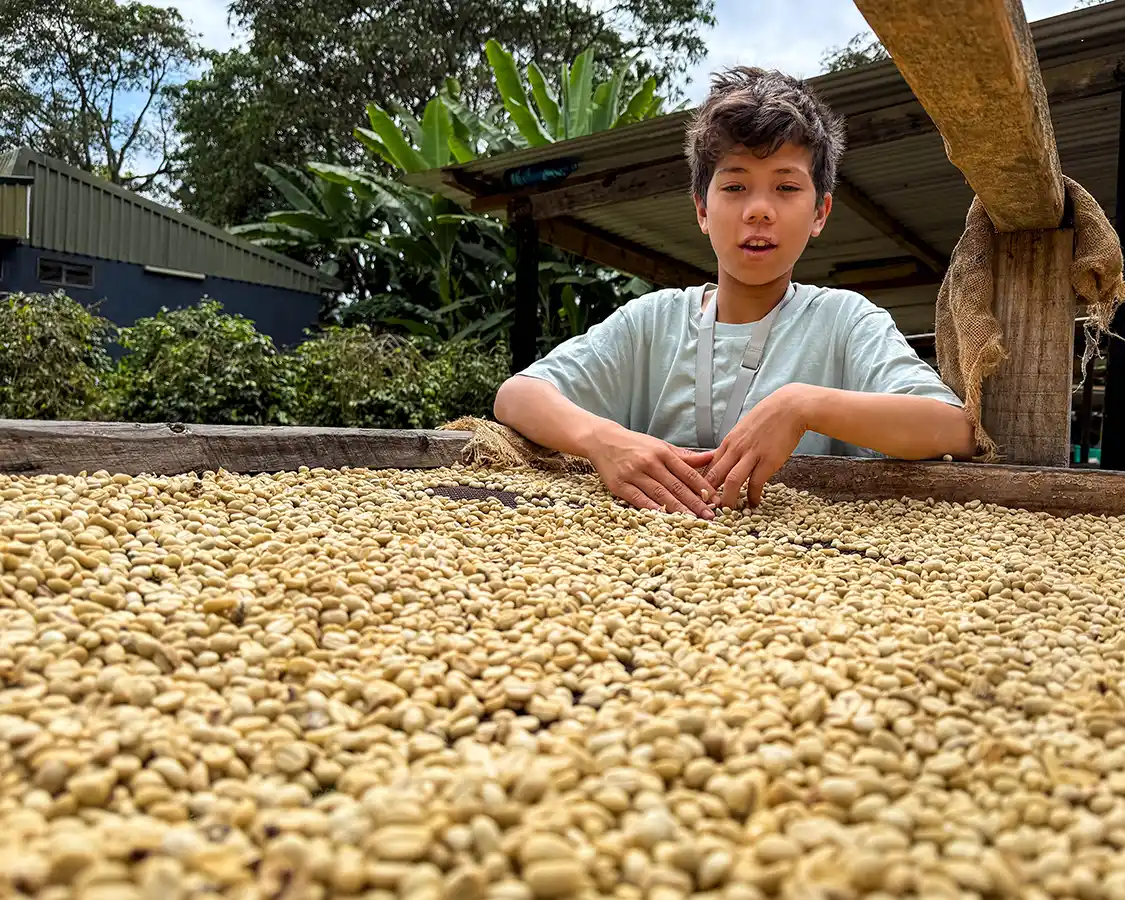
Arusha sits in Tanzania’s rich Arabica coffee country, and a plantation walk is a sensory hit with kids and a great perk for adults. Families have the chance to pick, roast, grind, and brew, finishing with a cup (and a very awake child).
We experienced this from both ends of our trip. We arrived at the Arusha Villa Karamu Coffee Estate, where dinner came almost entirely from the surrounding gardens, and blue monkeys put on a show in the trees. We finished at the Gran Meliá Arusha, set on its own coffee plantation, where the groundskeeper, Moses, walked us through herb gardens and hidden beehives, and Cohen bit into a fresh jalapeño straight off the vine and instantly regretted his bravery.
Eat Your Way Through Tanzanian Flavors
Tanzanian and Swahili food is approachable for most kids: nyama choma (grilled meat), mild ugali (a maize staple), chapati, spiced pilau rice, sweet fried mandazi, milky chai, and heaps of fresh tropical fruit.
For a deeper dive, a cooking class and food-market tour, where you shop at a local market and then cook traditional dishes with a Tanzanian chef, is one of the most rewarding family activities in the city. (For day-to-day dining tips, see Where to Eat below). If you just want to eat the food without the cooking, there are also some excellent street food tours in Arusha.
Slower-Paced Nature & Day Trips
Walk and Canoe at Lake Duluti
Lake Duluti, a small crater lake about 30 minutes from town, is the gentle counterpoint to a big safari day. With no dangerous big game, you can take a relaxed guided forest walk around the rim (around 1.5 hours), spotting monitor lizards, monkeys, and dozens of bird species, then paddle a canoe on the still water. Low effort, high reward, and ideal for those visiting Arusha with younger kids.
Chase Waterfalls on the Materuni Coffee & Falls Tour
One of the best full-day combos in the region, the Materuni Waterfalls and coffee tour heads into a lush Chagga village at the foot of Kilimanjaro. You’ll hike about 40 to 45 minutes to a dramatic 70-to-90-meter waterfall (with a pool cool enough for a swim), then join a hands-on Chagga coffee experience that combines grinding beans with singing and dancing, followed by a traditional lunch.
Family Note for Materuni Coffee Tour
Materuni is roughly 2 hours from Arusha (much closer to Moshi), so it’s a long day from the city. The hike is moderate but manageable for most school-age kids. Pack swimwear and sturdy shoes.
Where to Stay in Arusha
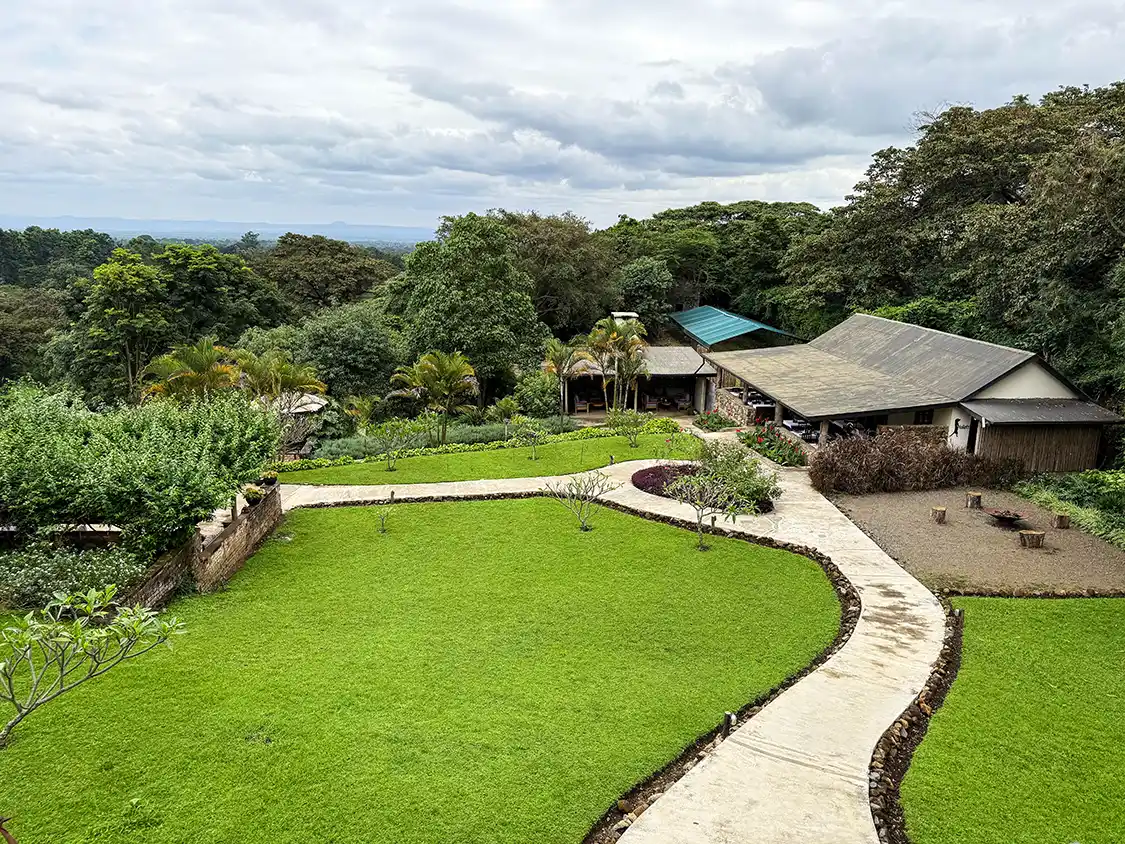
You’ll find two broad styles of family accommodations in Arusha. Coffee-lodge and garden-style properties on the city’s green outskirts, places like Arusha Villa, Karamu Coffee Estate, and the Gran Meliá Arusha, where we stayed, offer space to roam, pools, gardens, and farm-to-table food, and were our pick with kids.
Hotels in town put you closer to the markets and museums and tend to cost less. Whichever you choose, look for family rooms or interconnecting cabins, a pool, on-site dining, and a quiet setting, since the center gets busy.
Practical Tips for Visiting Arusha With Kids
How Long to Stay
Most families treat Arusha as a one-night bookend. We’d argue for two days to see it properly. Ideally, I’d recommend splitting it into a before and after your main safari, the way we did, enough to fit the national park, the markets, a museum, and a slower day without exhausting anyone.
Best Time to Visit Arusha
Thanks to its elevation, Arusha is pleasant year-round, but the season in which you choose to visit will shape the experience:
- Dry season (June–October): cooler, clear mountain views, prime wildlife viewing. Busiest and priciest.
- Short dry season (January–February): warm, green, a quieter sweet spot between the rains.
- Long rains (March–May): lush and uncrowded, with lower prices; some bush roads get muddy, but Arusha’s town attractions carry on fine.
- Short rains (November): brief afternoon showers, still very doable.
How to Get To Arusha
Kilimanjaro International Airport (JRO) is the main gateway, about an hour away, with international connections via carriers like KLM and Kenya Airways. Arusha Airport (ARK) is a small domestic field close to town for light-aircraft safari hops. It’s the main gateway for those coming to Arusha from Zanzibar. Some travelers fly into Nairobi (NBO)and take a shuttle (around five hours) across the border. With kids and luggage, a pre-arranged transfer is easiest.
Getting Around Arusha (and Why I Recommend Hiring a Guide)
If you’re trying to get around town, tuk-tuks aren’t the only option. The Bolt app works well for taxis and rideshares. You’ll also see dala dalas (shared minibusses) and piki pikis (motorbike taxis). These are cheap and colorful, but can be chaotic with young kids if you’re not used to that kind of travel.
For anything outside town, a car with a driver-guide is the most relaxed and safest option. Honestly, hiring a good local guide was the single best decision of our trip: Omary turned long drives into stories and the markets into something we’d never have navigated half as well alone. (He bonded so deeply with our youngest that he later named his own son Dylan.)
Where to Eat
Most family meals in Arusha fall into three camps: lodge dining (reliable, fresh, often farm-to-table), local Tanzanian spots (grilled nyama choma, rice and stews, chapati — cheap and satisfying), and a small but good café scene with international options and familiar comfort food for picky or homesick kids.
Street food like roasted corn and skewers is everywhere and generally fine if it’s hot and fresh. Because restaurants open and close often, check current reviews before setting your heart on a specific place, and ask your driver or lodge for their favorite hole-in-the-wall, which is exactly how we found some of our best meals.
Health, Safety & Money in Arusha
Arusha is generally considered a safe city; the main nuisance is friendly-but-persistent touts in the center, easily handled by ignoring them or a firm “hapana asante.” Keep valuables low-key and use registered taxis or Bolt after dark.
On health, northern Tanzania is a malaria area (lower risk at Arusha’s elevation, but present), and a yellow fever certificate is required if you’re arriving from or transiting an endemic country. See a travel clinic well before you go about antimalarials and routine vaccinations.
I’m a parent, not a doctor, so treat this as a prompt to get proper medical advice, not the advice itself.
The local currency is the Tanzanian shilling, though US dollars (newer bills) are widely accepted for tours and lodges. ATMs from banks like CRDB, NMB, and Stanbic generally take foreign cards — tell your bank you’re traveling first, and carry small denominations for tips and market stalls.
A cheap local SIM (Vodacom has good coverage) or an eSIM from Sim Local will help to keep you connected. This link will give you a 20% discount off your first purchase. You can check out all of my Tanzania family travel tips here.
Travel Resources for Families Visiting Tanzania
For packing, planning, and the details that determine whether your kids are comfortable or miserable in a vehicle for six hours, these guides go deeper.
Frequently Asked Questions
It’s well worth two or three days in its own right, but not at the expense of a richer safari. Between the markets, the national park, the museums, craft classes, and coffee tours, there’s plenty to fill several engaging family days, and the mild climate makes it easy on children.
For us, the markets were the highlight: the Maasai Market, the spice-filled central market, and the flower market. For wildlife, Arusha National Park (with its canoe safari) is the standout. Pair an active outing with a calmer one, like a Tinga Tinga art class.
Two to three days, ideally split before and after your main safari, so the city eases your family in and lets you wind down at the end.
Generally, yes. Use normal city precautions, keep valuables discreet, use registered taxis or the Bolt app at night, and expect some harmless hustle from sellers and would-be guides in the town center.
Northern Tanzania is a malaria region, and a yellow fever certificate is required if you’re arriving from an endemic country. See a travel clinic before your trip for personalized advice.
June to October offers the clearest skies and best wildlife viewing; January to February is a warm, quieter green window; the long rains (March to May) are lush and cheaper, with town attractions still fully open.
The Bottom Line On Family Travel in Arusha, Tanzania
Arusha is a great place for families who want to take a moment and slow down. A gentle pace, where families can give the city more than a night, unveils more than just a transit lounge, and the city has a chance to become part of the adventure.
This is where observation takes a backseat, and your kids can get hands-on, haggling in a Maasai market, breathing in a wall of spices, standing near the birthplace of humanity, and helping to pick your dinner from a coffee-farm garden. Then, when the Land Cruiser finally pulls up, they’ll climb in already in love with Tanzania.
Ready for the wild part? See how Arusha launches an unforgettable week in our guide to the Tanzania Northern Circuit safari with kids, browse more family-friendly wildlife experiences, or start planning with our broader Tanzania family travel guide.
This page is updated as new regional guides and planning resources are published. Looking beyond Tanzania? Explore my International Family Travel Guide.