
Planning a trip to St. John’s, Newfoundland with kids? Discover culture, history, hikes, and food in this experiential family travel guide.

This guide to St. John’s, Newfoundland, is for families who travel to understand a place, not simply to be there. After all, St. John’s isn’t a place that was built simply to entertain you. Sure, it’s gorgeous, fun, eclectic, and packed with just the right kind of “weird” energy that makes it a blast to explore. But dig deeper, and you’ll find that St. John’s asks a little something in return. Time, attention, and a willingness to slow down and see Canada a little differently. That’s exactly why it works so well for families who travel often and travel seriously.
This is a city shaped by weather, loss, persistence, and humor that’s used as much as a defense against harsh winters as a way to break the ice. Bring your kids to St. John’s not to distract them, but to let them experience a place where life isn’t curated. This is one of the greatest cities in Canada if you’re willing to let it get under your skin.
Why Visit St. John’s, Newfoundland with Kids
St. John’s works especially well for families who love off-the-beaten-path experiences. Younger children will fall in love with the colors, the food, and the warmth of the people. Older children and teens get a kick out of St. John’s because it’s authentic, diverse, and constantly changing around every bend and corner. This city has:
- Unreal landscapes swathed in history and stories
- Active and experiential attractions that build confidence and awareness
- Food and culture are rooted in place, not performance
It’s a city where weather, terrain, and history actively shape each day—an ideal setting for experiential travel
Understanding How St. John’s Is Laid Out

Before you dive into the best things to do in St. John’s, you need to understand its geography. The city exists because of its harbor and survives because of its elevation. Spend your first morning at Cape Spear Lighthouse, where the land ends abruptly, and the Atlantic takes over.
This is a grounding moment for travel in St. John’s, standing with your children at a place where scale becomes unavoidable. This is it for Canada. The easternmost point in the whole country. There’s nothing but the Atlantic Ocean until you hit the shores of France.
Later, climb above the city to Signal Hill National Historic Site. From here, the entire city of St. John’s is laid out in front of you, and you’ll start to understand the history of the city: why ships mattered, why communication mattered, and why this place was never optional in Atlantic navigation. Sometimes, geography explains history far better than timelines.
Exploring Downtown St. John’s on Foot

Some cities are driving cities. Big distances, wide lanes, lots of traffic. That’s not the case in St. John’s. This is a city that should be walked repeatedly, not efficiently. Get lost, get turned around, ask for directions from the locals.
Narrow, steep streets, tightly packed homes, and sudden harbor views change depending on the sun, fog, and weather. The brightly painted houses, most famously, the delightful “Jellybean Row,” aren’t simply decoration. They are visibility aids in a place where constantly-changing weather regularly masks distance.
Spend time in The Battery, where homes cling to exposed rock above the narrows. This isn’t a tourist trap; it’s a working neighborhood. It opens up the stories about why people choose to live in difficult places, and why they stay.
Context Matters: Learning Before Interpreting
After you’ve seen the city, spend time at The Rooms. This is where experience becomes understanding. Indigenous history, Irish settlement, military service, art, and outport life are presented without simplification.
This is not a museum designed to entertain children; it’s designed to inform them. That distinction matters. Older kids leave with context for what they’ve already observed outside, which deepens rather than interrupts the experience of the city.
Visiting Quidi Vidi Village

A short drive brings you to Quidi Vidi, where the pace drops and the city’s fishing roots become tangible. The harbor here is quiet, functional, and unpolished.
If you can, eat at Mallard Cottage. Not because it’s famous, but because it reflects Newfoundland’s relationship with food. Think seasonal, restrained, and a culinary experience grounded in availability rather than trends.
Where and What to Eat in St. John’s, Newfoundland

Food in St. John’s is practical and surprisingly confident. Coffee mornings at Toslow or Bannerman Brewing ease you into the day, while meals at places like Chinched or The Duke of Duckworth reflect a city that feeds itself before it performs.
This is a place where food needs to hold up to weather, long days, and working schedules. Kids pick up on that authenticity quickly. Do yourself a favor and stop by Bagel Cafe on Duckworth St. and try a touton. They’re a traditional Newfoundland dish of fried bread dough, similar to a pancake or doughnut, made from leftover dough and fried in fat (like pork fat, butter, or oil) until golden and fluffy. They’re a popular breakfast or brunch item, typically served warm with toppings like butter, molasses, jam, or even used as a sandwich bun.
Hiking and Outdoor Experiences on the Avalon Peninsula
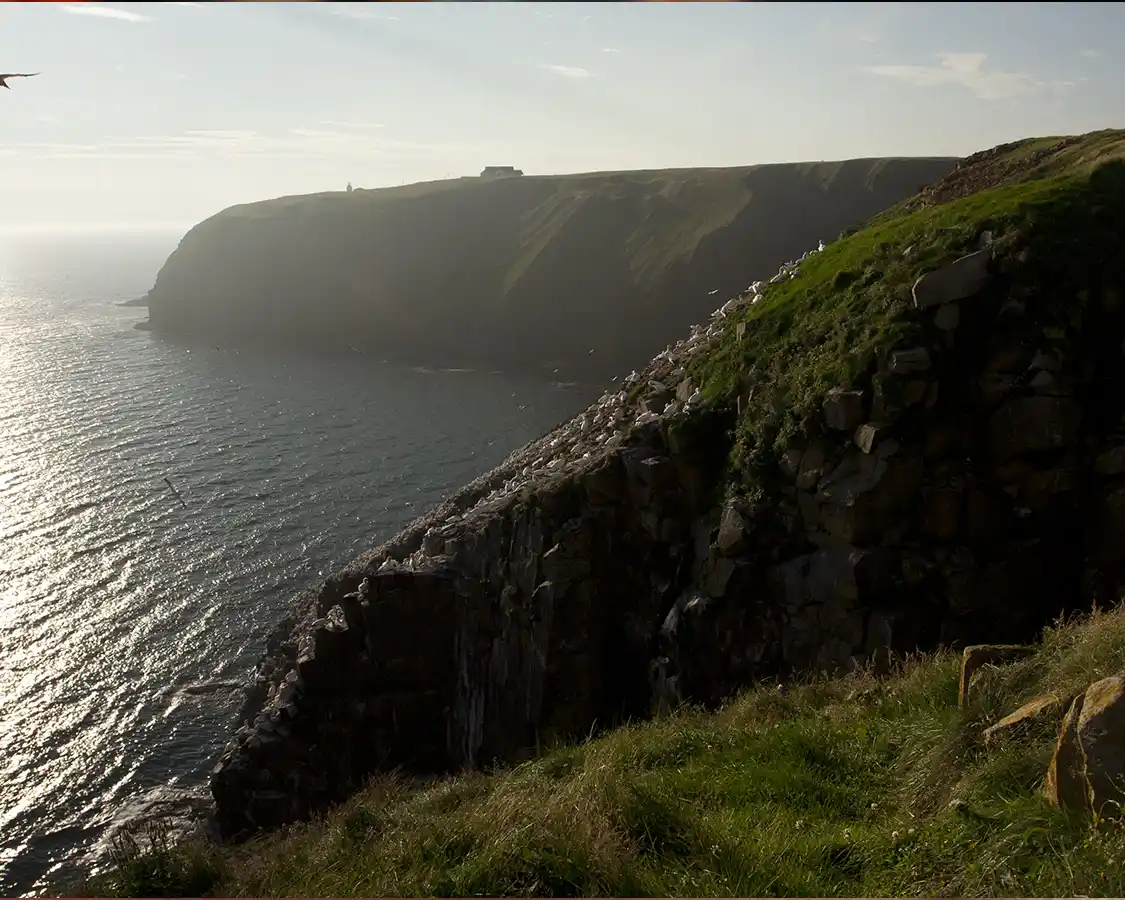
St. John’s makes the most sense once you step outside it. The East Coast Trail is not something you casually sample; it’s something you plan around. Choose sections that suit your family’s ability and respect how quickly conditions change.
Hiking and walking trails like Stiles Cove or Spout Path introduce kids to exposure, navigation, and decision-making in a real environment. End the day somewhere quiet, like Middle Cove Beach, when conditions allow. Sit long enough for the environment to slow everyone down.
Whale and Puffin Watching Near St. John’s
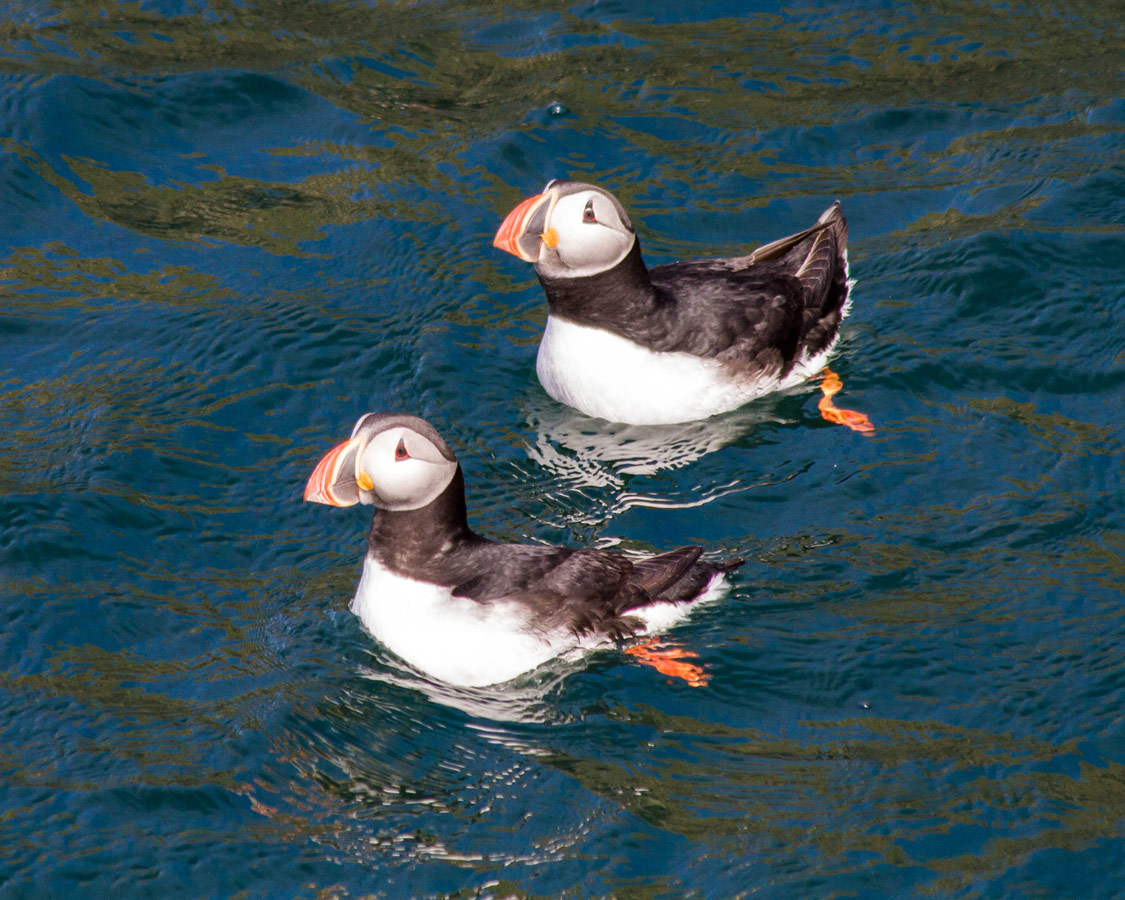
If you want to encounter whales or puffins in St. John’s, you’ll want to make your way out to Quidi Vidi during the summertime. I first fell in love with puffins when traveling in Iceland, but have since chased them in the Quebec’s Mingan archipelago, and even the quaint and fascinating French islands of St. Pierre and Miquelon off the southern coast of Newfoundland.
This is not a wildlife spectacle. You are entering an ecosystem that functions perfectly well without you. That perspective shift is subtle, but it’s one of the most valuable takeaways for children traveling here.
Tips For Visiting St. John’s With Kids
How Many Days to Spend in St. John’s
A minimum of four days is recommended. Five to six days allows time to repeat experiences, adjust to the weather, and explore beyond the city core—key factors in truly understanding the area.
Why St. John’s Works for Intentional Families
St. John’s doesn’t flatten itself for visitors. It asks families to slow down, walk more, listen more, and plan less rigidly. In return, it offers depth, context, and a sense of place that lingers.
Children leave with more than memories—they leave with reference points. For weather. For history. For resilience. And those are the kinds of lessons that only certain places can teach.
St. John’s is one of them.
When to Visit St. John’s, Newfoundland
The best time to visit St. John’s is between late May and early September.
- June offers icebergs and early whale sightings
- July and August provide the best hiking conditions
- Early September balances fewer crowds with mild weather
Weather changes quickly, and flexible planning is essential.
Is St. John’s Right for Your Family?
St. John’s is best suited for families who:
- travel frequently and intentionally
- value culture, history, and outdoor experience
- are comfortable with variable weather and physical activity
It may not be ideal for families seeking theme parks, passive entertainment, or tightly scheduled itineraries.
Final Thoughts: Experiencing St. John’s as a Family
St. John’s doesn’t perform for visitors. It rewards families who walk more, observe closely, and adapt often. In return, it offers context, resilience, and a strong sense of place—qualities that stay with children long after the trip ends.
For families who want to leave a destination having truly experienced it, St. John’s delivers honestly.
You May Also Like To Read:
Yes—especially for families with older kids and teens. St. John’s is ideal for culture, history, and outdoor experiences like coastal hikes, museums, and wildlife viewing, with a strong sense of place.
Plan for at least 4 days. Five to six days is better if you want time for downtown walking, Signal Hill, Cape Spear, Quidi Vidi, and one or more East Coast Trail hikes—plus flexibility for weather.
Late May to early September is the best window. June can offer icebergs and early whale activity, while July and August are best for hiking and boat tours. Early September often has fewer crowds and mild weather.
Prioritize experience-driven activities: sunrise and surf at Cape Spear, views and history at Signal Hill, walking downtown and The Battery, cultural context at The Rooms, Quidi Vidi village, and an East Coast Trail segment suited to your family’s fitness.
Yes. Cape Spear offers dramatic coastal scenery, sunrise over the Atlantic, and a lighthouse with strong historical context. It’s one of the most memorable places near St. John’s for understanding Newfoundland’s geography and maritime history.
Absolutely. Signal Hill provides the best views over St. John’s and the harbor and adds important historical context, including military signaling and early transatlantic wireless communication.
The Rooms is the province’s flagship museum and gallery, covering Newfoundland and Labrador’s history, art, and culture. It’s worth it for families who want context beyond scenery, particularly with older children.
Quidi Vidi is a historic fishing village near downtown St. John’s. It’s worth visiting for a quieter harbor setting, a strong sense of local character, and easy access to walks and hikes around Quidi Vidi Lake.
The East Coast Trail is the best option, with routes ranging from short coastal walks to full-day hikes. Choose a segment based on your family’s fitness and the day’s weather, as wind and fog can change conditions quickly.
Yes. Wildlife viewing is common along the Avalon Peninsula in late spring through summer. Whale and puffin tours run seasonally, and sightings depend on conditions and time of year.
You can explore much of downtown on foot, but a car is strongly recommended for Cape Spear, Quidi Vidi, East Coast Trail access points, and wildlife tour departures outside the city.
Yes—downtown is very walkable, but it’s steep in places. Comfortable footwear and layers help, and walking is one of the best ways to understand how the city is shaped by terrain and weather.