
Ditch the cruise ship tours and explore Crete like a local with this one-day Heraklion itinerary, packed with ancient ruins, hidden villages, and delicious food, whether you have a few hours off a ship or a full day to spare.
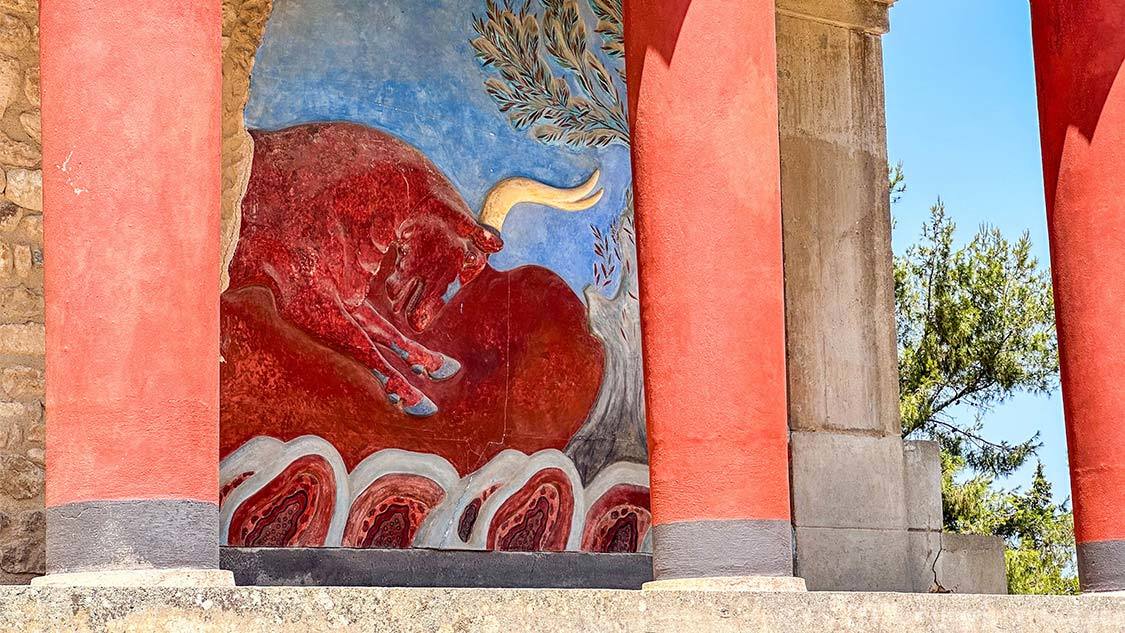
It was the first day of our Aegean adventure through the Greek islands, a 7-day odyssey through some of Greece’s most iconic destinations. This would be an adventure far different from our mainland Greek road trip just a few months earlier. Rather than high mountain passes and thousand-mile journeys, we would be undertaking seven short one-day cruise stops across seven incredible Greek islands.
Our Celestyal Cruise of the Aegean Sea would take us to Santorini, Mykonos, Milos, Athens, and Thessaloniki before bringing us back to Turkey to complete our four-week adventure in the country. Our first stop, though, was the largest of all the Greek islands, Crete.
Here’s the good news for anyone stepping off a ship in Heraklion, the capital of Crete and the island’s main cruise port: you dock right in the heart of it, a short walk from the Venetian harbour, with the legendary Palace of Knossos, one of the oldest cities in Europe, just a 20-minute bus ride inland. You absolutely do not need a pricey pre-packaged cruise excursion to see the best of the place, and we set out to prove it. We were going to do this trip old school. No cruise excursions, just a wing and a prayer. Because sometimes, the best adventures come from throwing caution to the wind and winging it.
That’s how we rolled into our one-day Heraklion, Crete itinerary. Nothing but a rumbling stomach and a thirst for the unexpected. And boy, did Crete deliver.
We stumbled off the ship, bleary-eyed from five days of Turkish exploration through Istanbul and Selcuk, eager for adventure. On our first Mediterranean cruise, we landed straight into the chaotic symphony of the Heraklion port.
Amidst the chaos of disembarkation, we were met with a whirlwind of sights, sounds, and smells: salty air, sizzling souvlaki, and the insistent calls of taxi drivers. But amidst the mayhem, I connected eyes with one man. Manos. Standing proudly next to his small taxi at a stand not far from the port. After a little negotiation, we all agreed that “this was the man to show us Crete.” And it was the right decision, because this wasn’t just some random cabbie; this guy was an ambassador of the island. “Taxi Manos,” his card proclaimed, and with a twinkle in his eye, he promised us a day we wouldn’t forget.
One Day in Heraklion: Quick Planner
Arriving by cruise: Ships dock right at the port (no tendering here). It’s a 15- to 20-minute walk or a short taxi to the old town and the Venetian harbor.
The star attraction: The Palace of Knossos, one of Europe’s oldest cities, about 5 km south of town. Pair it with the Heraklion Archaeological Museum, which holds the original frescoes.
Getting to Knossos: Bus Line 2 from the city center (about 20 minutes), or a short taxi. Book timed-entry tickets in advance at the official portal.
How to spend your time: Half a day covers Knossos plus the old town. A full day adds the museum, a hill village like Archanes, or the Cretaquarium.
Best time to go: Early. Be at Knossos for the 8 a.m. opening to beat both the cruise crowds and the fierce midday heat.
DIY or guided: It’s easy to explore independently by bus and taxi, but a local taxi guide like Manos, or a half-day tour, is a great way to reach the surrounding area without the logistics.
Our Visit To Heraklion, Greece
Crete Wine Region
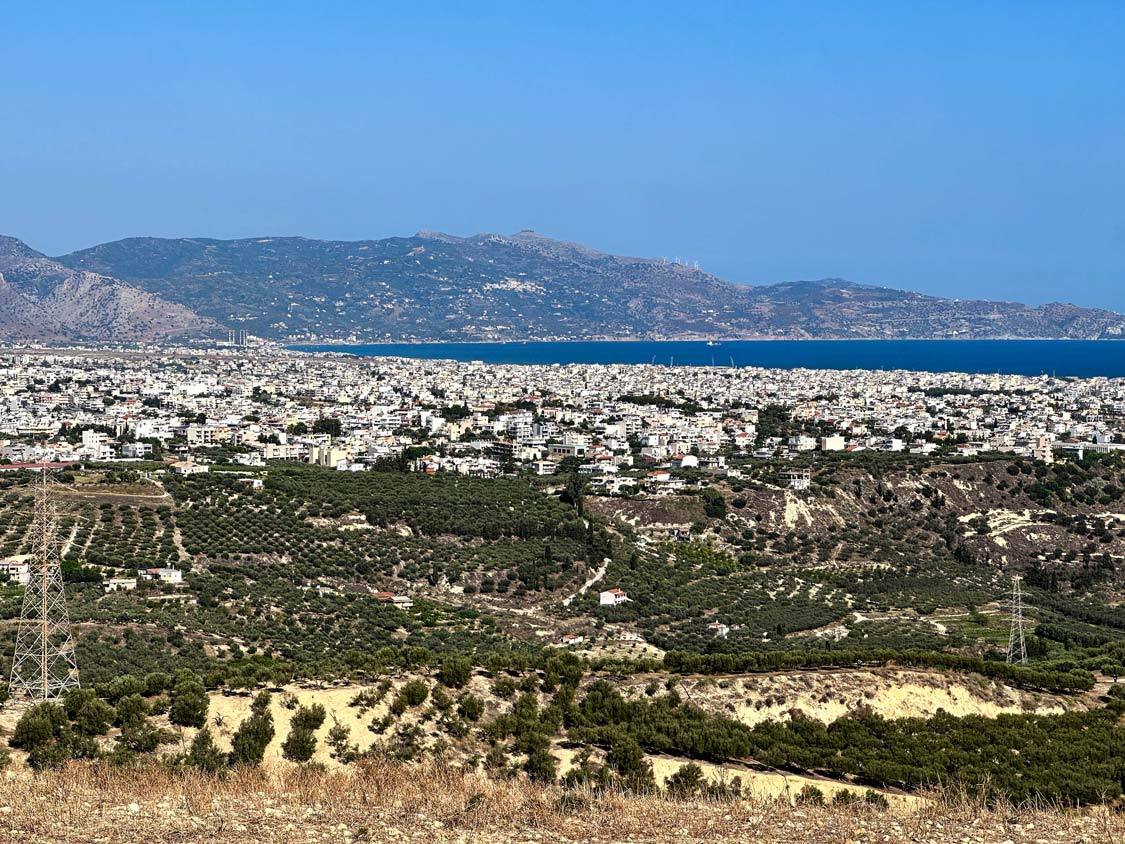
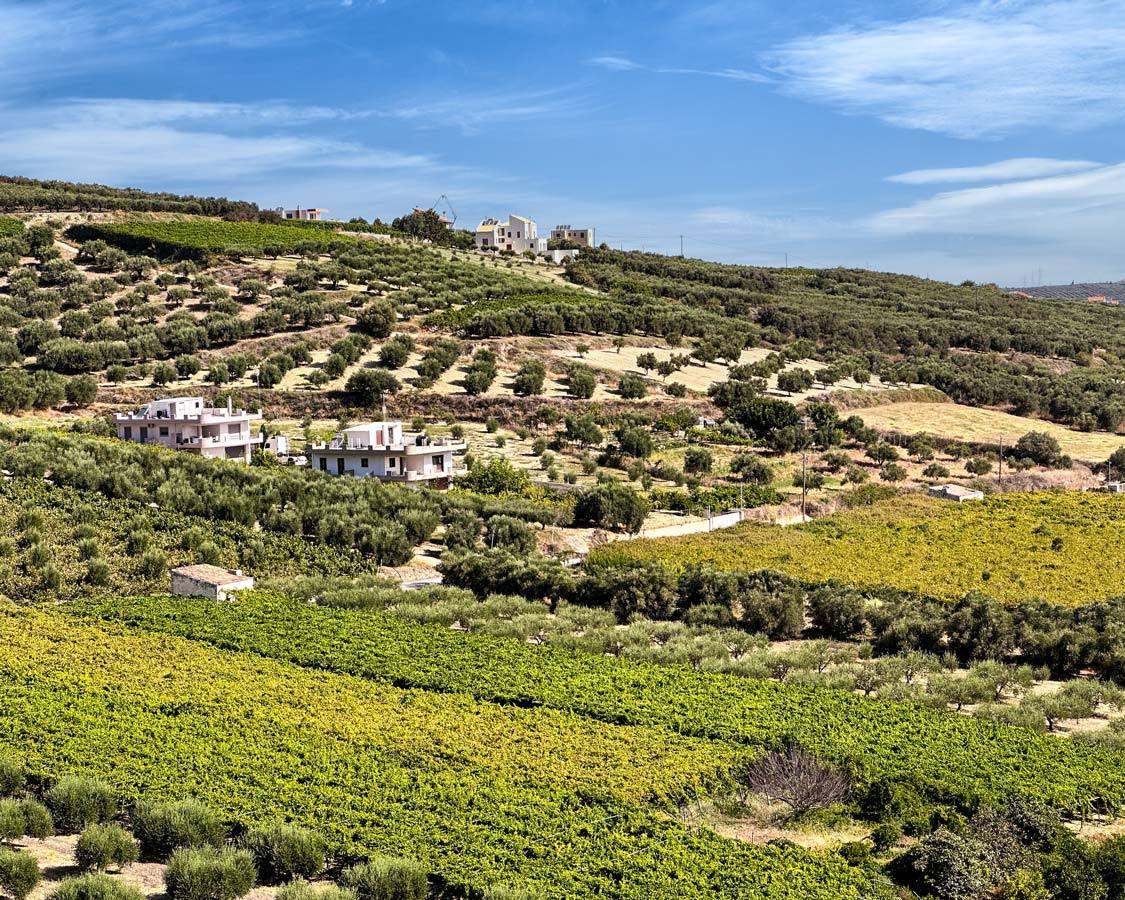
The southern region of Crete, the area surrounding Heraklion, has a deep history of winemaking. In fact, the history of wine in Heraklion dates back as far as 5,000 BCE. For a little perspective, the Great Pyramid of Giza was built around 2,500 BCE.
The Minoan civilization, which dominated the culture of the Greek Islands in those days, is believed to be among the first great European civilizations. And let’s face it, with great civilizations comes great wine. Today, the wine regions of Crete continue to thrive, crafting some of the continent’s most sought-after vintages.
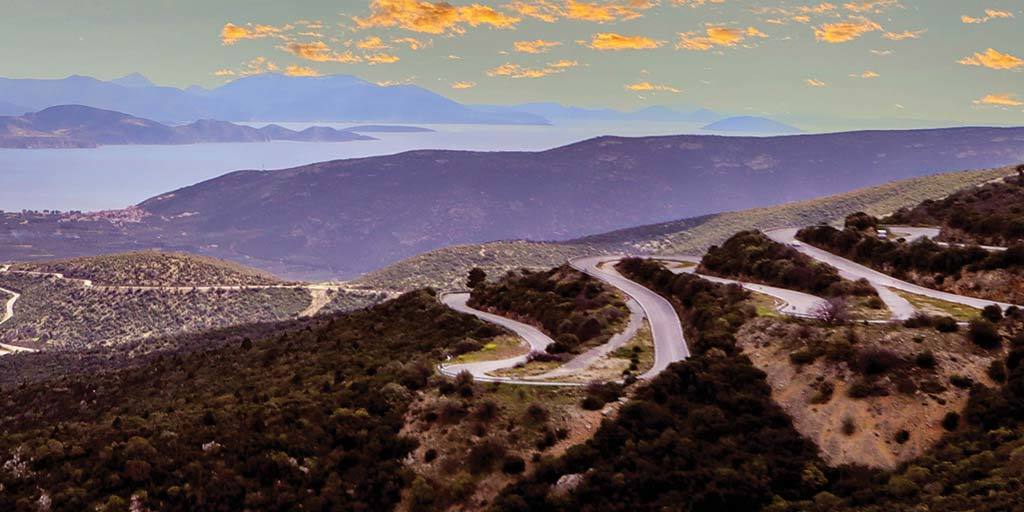
Of course, it was nine o’clock in the morning, and neither Christina nor I was ready to start throwing back glasses of vino just yet. But the vineyards outside of Heraklion offer a wonder beyond just a tasting tray. The alternate currency here is the views. If you want to get your bearings on all of the places to visit in Heraklion, head up to the high country where the grapevines wind their way in neat rows across the countryside and drink in the views.
An Unexpected War Story
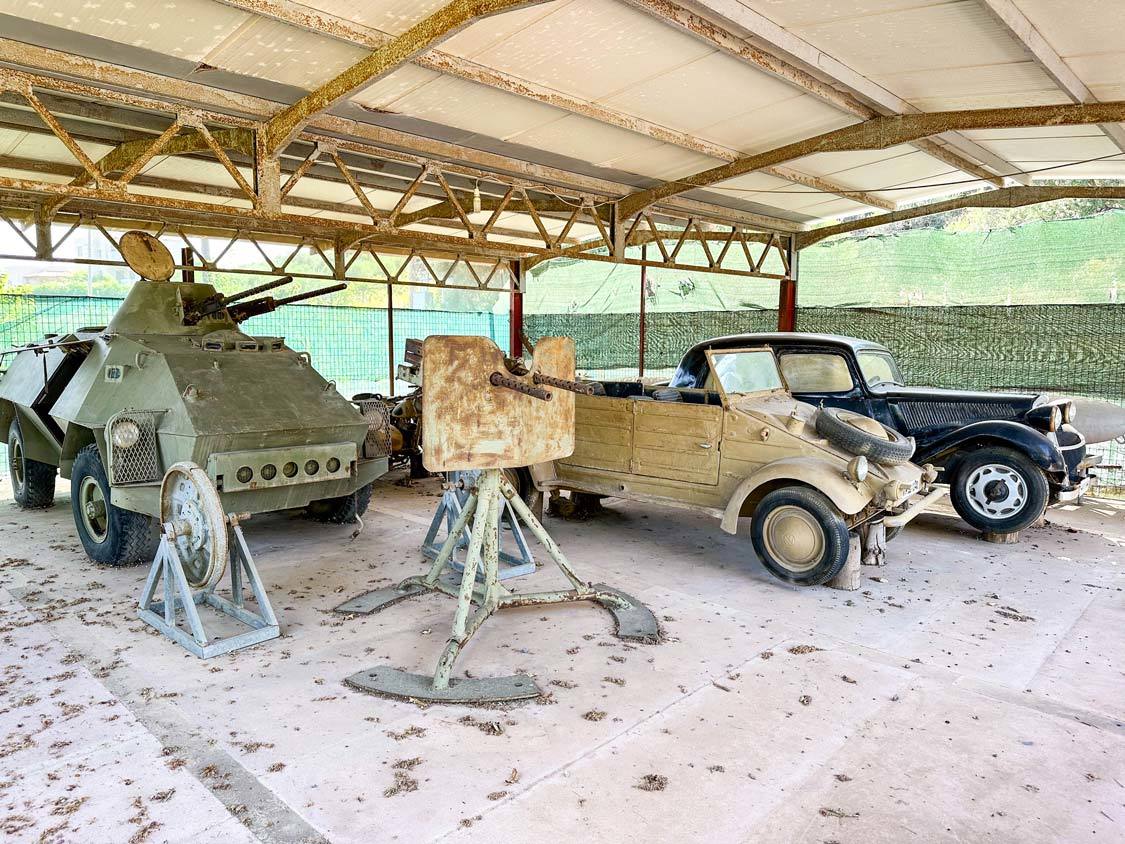
Manos, being the legend he is, threw us a curveball. It turns out his buddy has a collection of WWII German military vehicles. Talk about a random detour. To be honest, I’m not sure how much of a “buddy” this guy is. No one was home when we arrived, and we ended up hopping a stone wall to visit the “unlicensed museum.” But hey, that’s the beauty of unplanned travel, right?
The vehicles were brought over during a ferocious attack on Crete by the Germans and Italians in 1941. While the local Cretans and allied soldiers put up a brave fight, the island fell. Nearly 3,500 locals were executed under the hard-handed occupation before the island was finally freed near the end of the war in 1945. It brought back a stark reminder of when the boys and I cycled from Bruges toward the coast where my great-grandfather took part in the Zeebrugge Raid during WWI.
The boys were fascinated by this collection of vehicles, from tanks to motorcycles and everything in between. It was a sobering reminder of the island’s wartime history, a stark contrast to the idyllic beaches and ancient ruins typically associated with the Greek Islands.
Spilia Aqueduct: Still Standing, Still Awesome
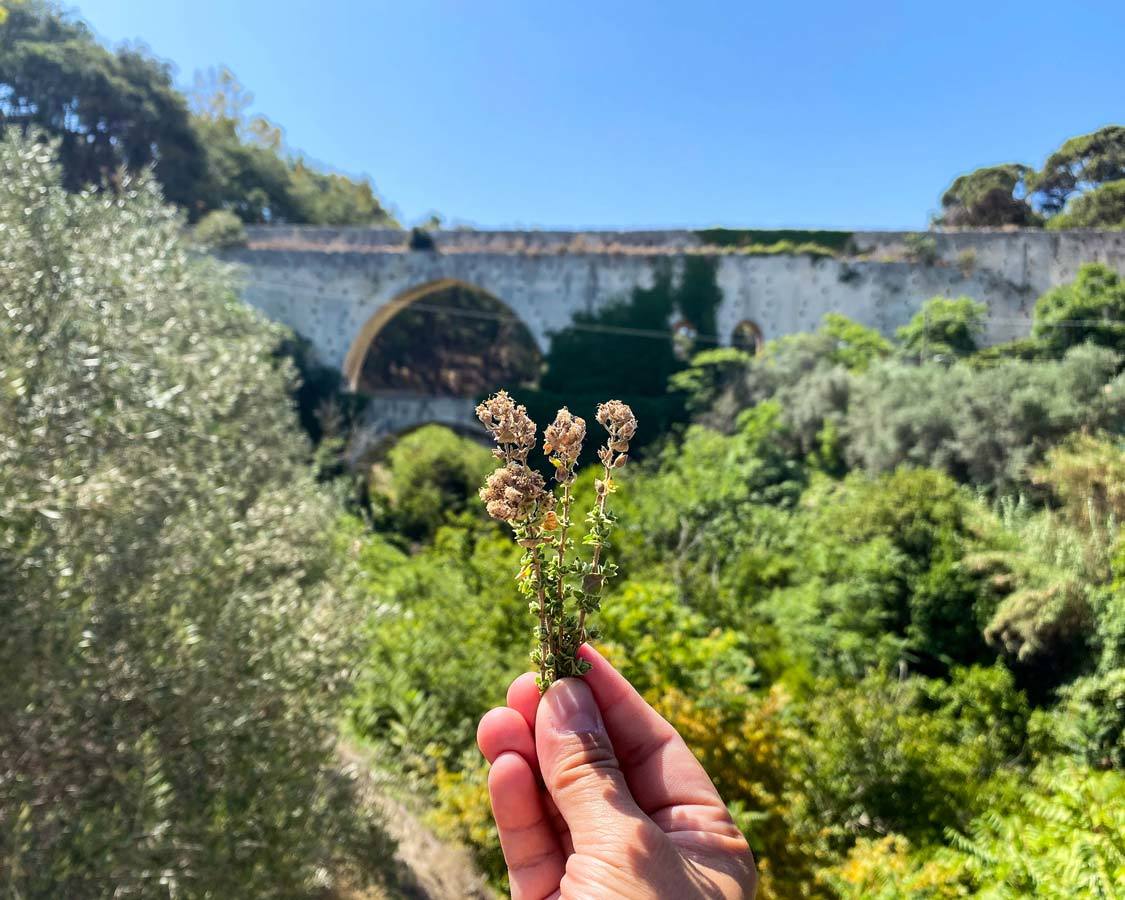
As we drove through the winding roads of the Crete highlands, Manos dropped a surprise on us. “Ok, guy,” he said, “I’m going to stop on a bridge up here. Locals hate it when people stop here, but if you want to see the history of Heraklion, this is one place almost no one visits.”
Manos had us at “no one visits,” but he could have just won us over with “locals hate it when people stop here.” Rebel, rebel.
Crete has had a lot of rulers: the Minoans, the Greeks, the Egyptians, and even the Romans. In fact, the Romans left quite a mark on this island, including the Spilia Aqueduct. This 2,000-year-old masterpiece is tucked away in a canyon just off the Charaka-Knossos Highway, and it still carries water that was once destined for the grand palace during the Roman reign.
It seems unfathomable that something this old would still be functioning. But, in a twist of fate, it’s actually thanks to the Egyptians. They had a brief stint running Crete in the 1800s. During their work trying to get more water into Heraklion, they came across a kilometer-long Roman tunnel. Once they cleared it out, the mountain waters once again began to flow into the city below. And it’s still flowing today.
It’s wild how cultures come to play off each other. It’s a reminder that, as regimes change and borders move, history isn’t some linear progression. It’s a messy, interwoven tapestry. And sometimes, the best things are built on the foundations of those who came before.
Knossos: A Controversial Masterpiece
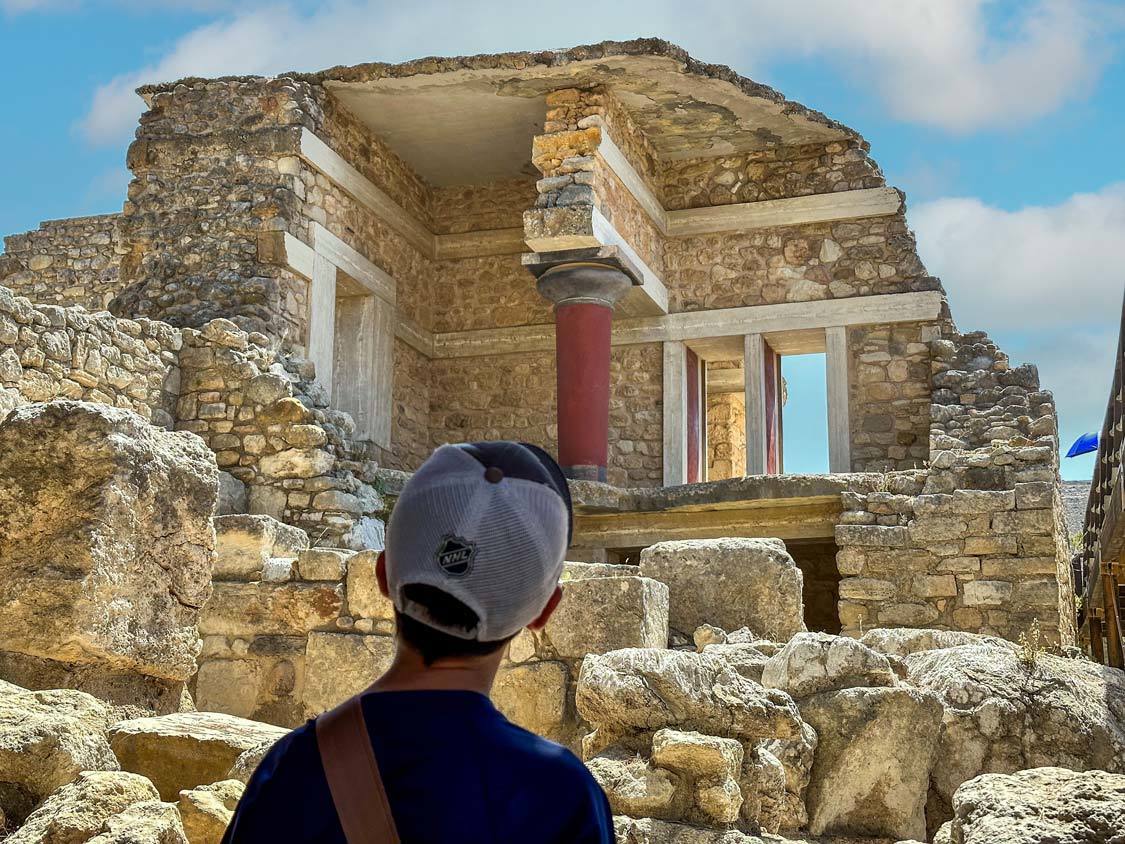
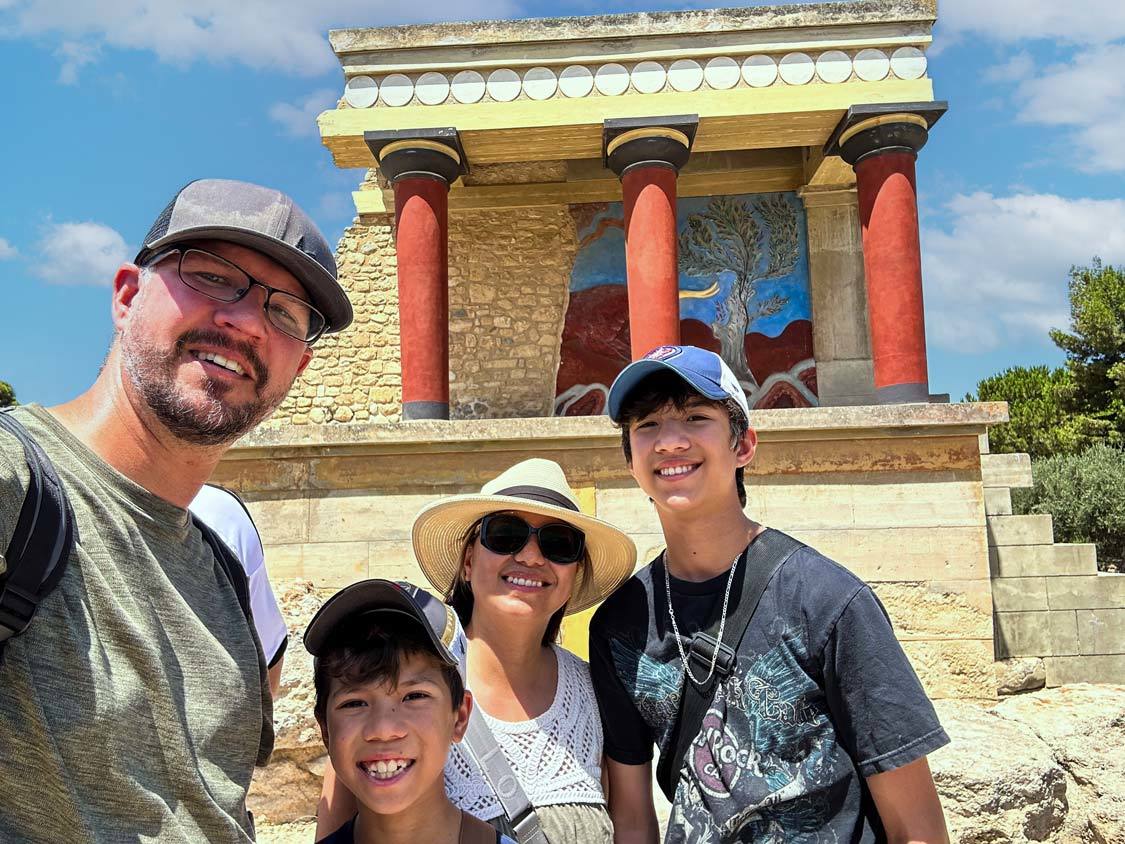
Our first major stop on our one-day tour of Heraklion was the island’s big kahuna, the Palace of Knossos. Now, I know what you’re thinking: “another dusty pile of ruins.” But trust me, Knossos is not your average history lesson. This place oozes with the perfect combination of history and controversy.
At its height, roughly 1900 to 1450 BCE, Knossos was the ceremonial and administrative heart of the Minoan civilization, a sprawling complex of some 1,300 rooms across multiple stories and home to a population in the tens of thousands. It’s often called the oldest city in Europe, and walking it takes you back nearly 4,000 years.
Now, I didn’t know the juicy part when I arrived. My good friends Max and Oksana from the travel blog Drink Tea & Travel shared the story with me over a beer last year in New York City. It turns out that Knossos isn’t just some untouched relic. It’s a Frankenstein merger of the past and the present, thanks to one very ambitious dude named Sir Arthur Evans.
Evans, a British archaeologist, excavated Knossos in the early 20th century. But he wasn’t content with just digging things up. He wanted to bring Knossos back to life, to show the world what it might have looked like in its glory days. So he got to work reconstructing walls, columns, and even those incredible frescoes. Perhaps he had dreams of the glory of Machu Picchu in Peru.
Now, this is where the reconstruction gets a little spicy. Some folks love Evans’s work, saying it helps people visualize the past. Others accuse him of playing fast and loose with history, filling in the blanks with his own interpretations. They say he overdid it, and that his Knossos is more Evans than Minoan.
And you know what? They might have a point. Some of those reconstructions are pretty bold, with their vibrant colors and intricate details. But there’s no denying they’re beautiful. And there’s something to be said for seeing history “alive and current” rather than grey and crumbling. Walking through those halls, the four of us couldn’t help but be transported thousands of years back in time, even if it was a slightly idealized version of the past.
Important To Know Before Visiting Knossos: This is the single most popular thing to do in Heraklion, so a little planning pays off. Knossos sits about 5 km south of the city and is easy to reach independently on Bus Line 2 from central Heraklion (roughly 20 minutes), or a short taxi ride.
The site now uses mandatory timed-entry slots, so book your tickets in advance through the official Hellenic Heritage portal at hhticket.gr to skip the long gate queue and the reseller surcharges. Aim for the very first slot at 8 a.m.: it lets you beat both the cruise-ship crowds that pour in around mid-morning and the brutal midday sun, since there’s almost no shade on site. Budget about 1.5 to 2 hours, and pair it with the Heraklion Archaeological Museum in town, which houses the original frescoes and artifacts (the ones at Knossos are all reproductions).
Archanes: A Postcard-Perfect Escape
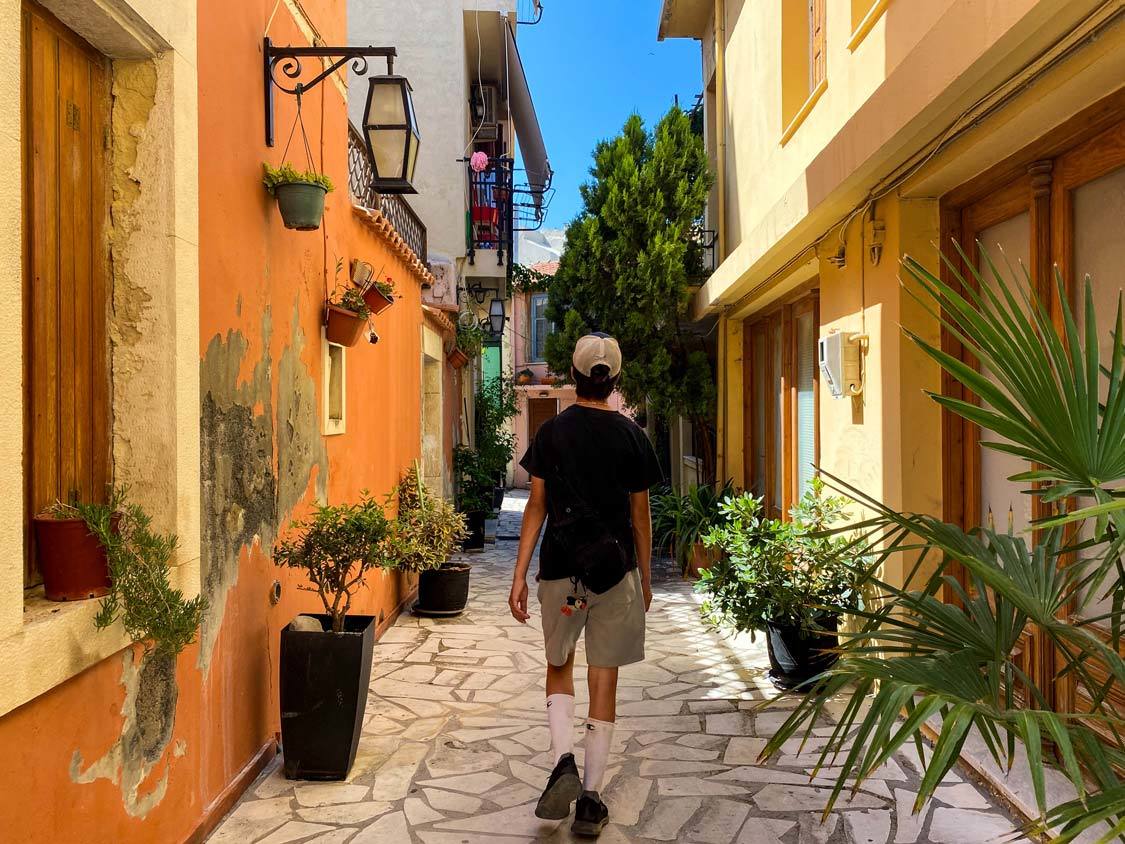
After the busy alleys and manicured history of Knossos, Manos surprised us with a detour to the small town of Archanes. This charming village in the foothills of Mount Juktas was the perfect spot to stop for a light lunch, an iced coffee for Christina and me, and a cold drink for the kids.
Archanes is straight out of a postcard. Narrow cobblestone streets, whitewashed houses draped in bougainvillea, and quaint little cafes and tavernas spilling out onto sun-drenched squares. It was these places that brought this town to life. Elderly locals chatted over coffee, nonchalantly tossing out cards in those Tuesday morning games that looked like they’d been a friendly tradition for decades.
We wandered through the labyrinthine alleys, soaking in the laid-back atmosphere. We weren’t sightseeing; we were exploring, drifting down alleys with no real goal, but stumbling across ancient Byzantine churches and traditional architecture, their walls adorned with faded frescoes, standing as silent witnesses to the village’s long history.
Archanes is known for its winemaking tradition, and a visit to one of the local wineries is a must. We sampled some of the region’s finest vintages, learning about the unique grape varieties and the ancient techniques still used today. For history buffs, the nearby archaeological site of Fourni offers a glimpse into the Minoan past, with excavated houses and tombs.
But honestly, the best thing to do in Archanes is simply to wander, get lost in its charming streets, and savor the authentic Cretan way of life. It’s a place to slow down, breathe deep, and appreciate the simple pleasures.
Heraklion’s Hidden Corners: A Venetian Legacy
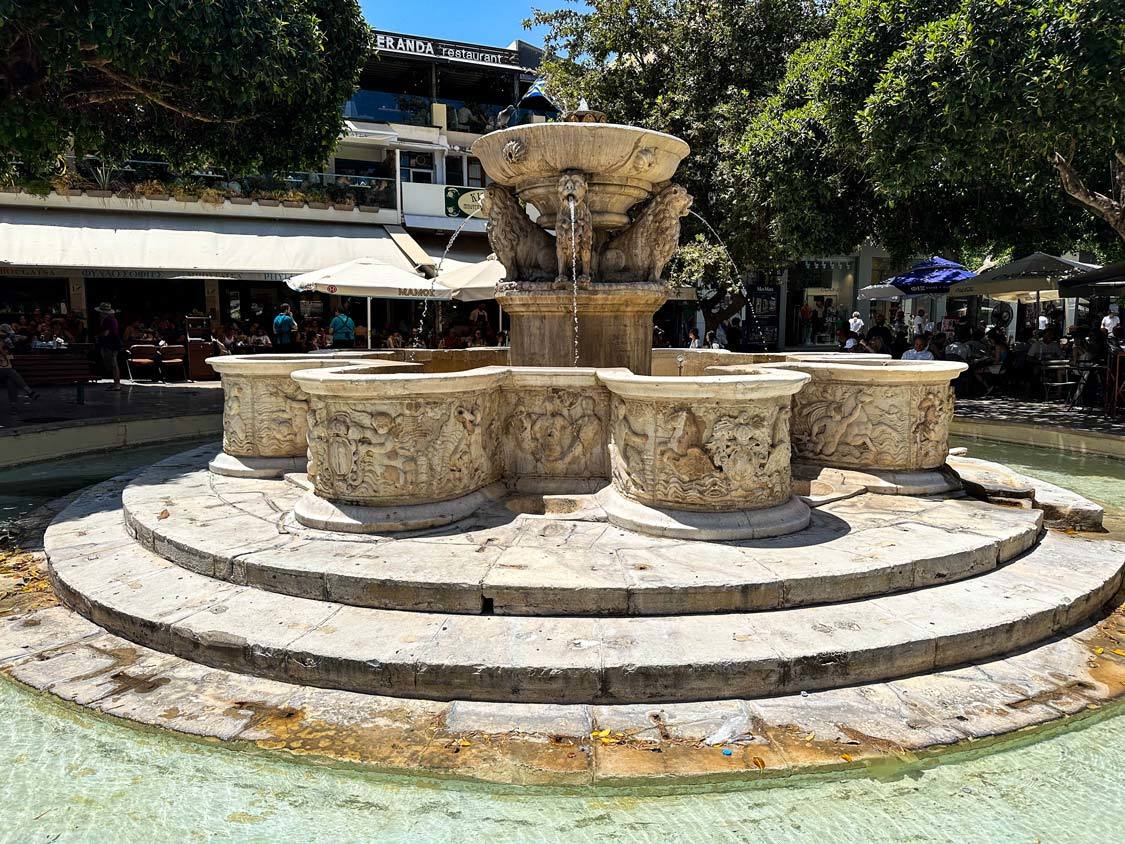
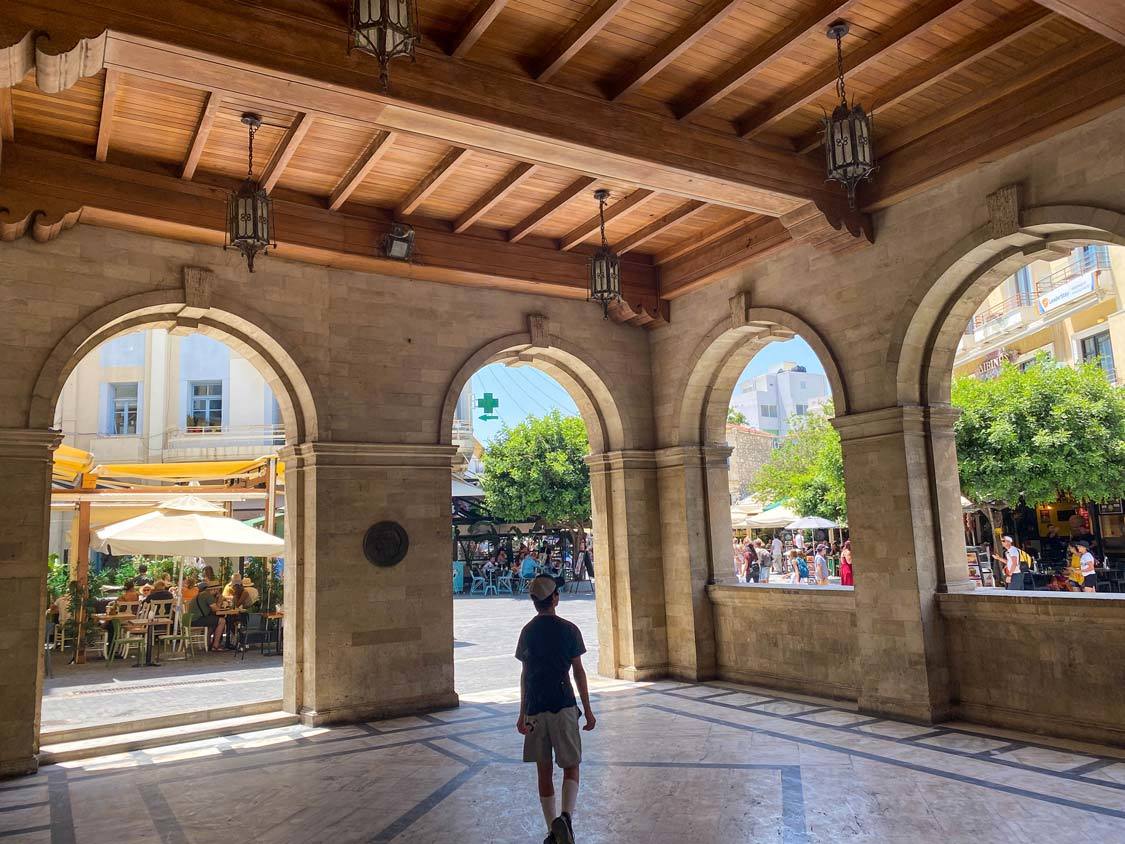
From Archanes, Manos drove us back into the crowded streets of Heraklion. Amidst the chaos, he found a corner of Plaza Kornarou to drop us off for some time exploring the city’s historic downtown. This bustling square is a gateway to the heart of Heraklion, where we dove headfirst into the maze of narrow streets.
As we shuffled past shops dotted with hanging garlic and souvenirs, we found the 17th-century Morosini Fountain, better known as the Lions Fountain. This beautiful backdrop caught Cohen’s eye first. He was drawn in by the magnificent lions sculpted into the fountain facade. Back in Venetian times, this was the main water source for Heraklion, and its four majestic lions still make it the central gathering place for locals and tourists alike.
Further down the street, we came across the Venetian Loggia. This gorgeous Renaissance building was once the gathering place of Heraklion’s rich and famous. Today, it’s the city’s town hall. Its rustic wood entrance clashes with the intricate details and elegant arches of the building’s interior, and it offers some much-needed shade from Crete’s intense summer sun.
Heraklion is a cool place to explore. Sure, there are popular attractions like the Morosini Fountain, but the real charm of this city lies in its hidden corners. From the fountain, the pedestrianized 25th of August Street runs down toward the harbor, lined with grand old buildings, and it’s worth pausing at the beautiful Church of Agios Titos along the way. We happened upon tiny churches tucked into quiet squares, their interiors lined with Byzantine frescoes, and markets packed with vendors hawking everything from spices to handmade crafts. Old Heraklion is a feast for the senses, a place to get lost and discover unexpected treasures around every corner.
Rocca a Mare/ Koules Fortress: A Fortress Frozen in Time
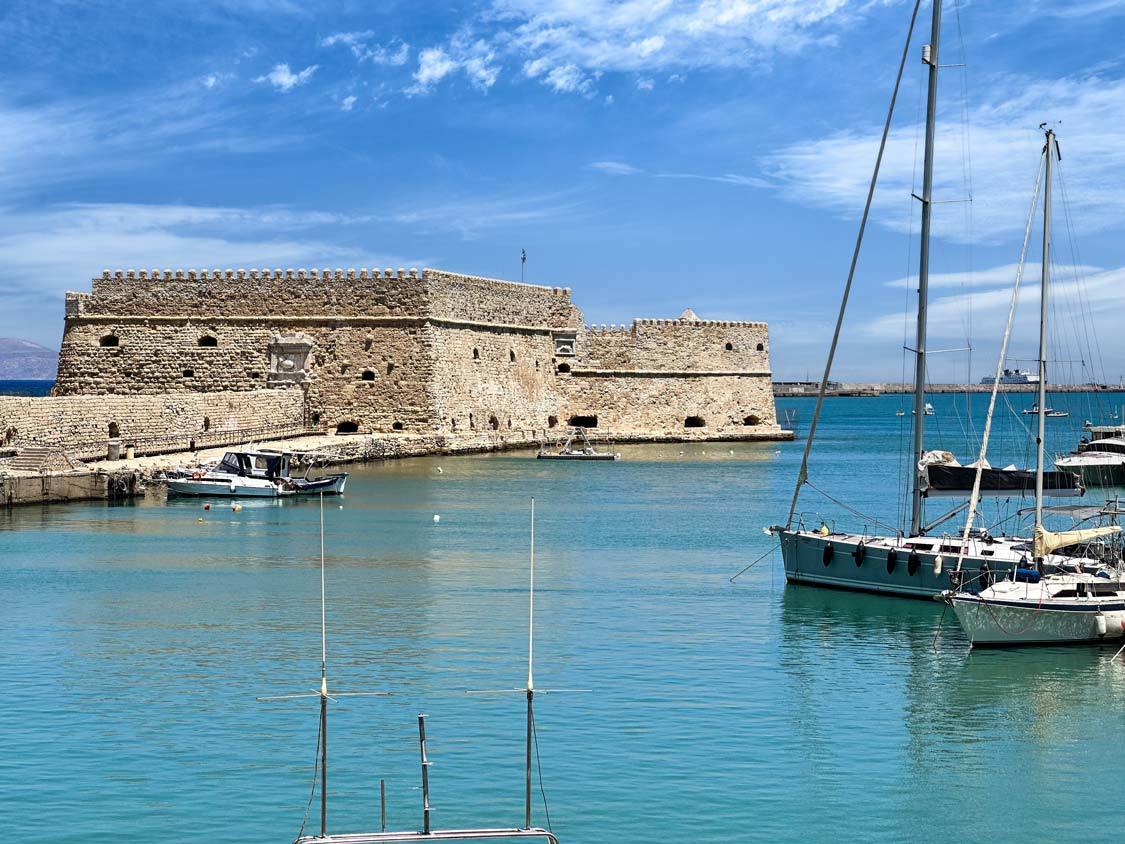
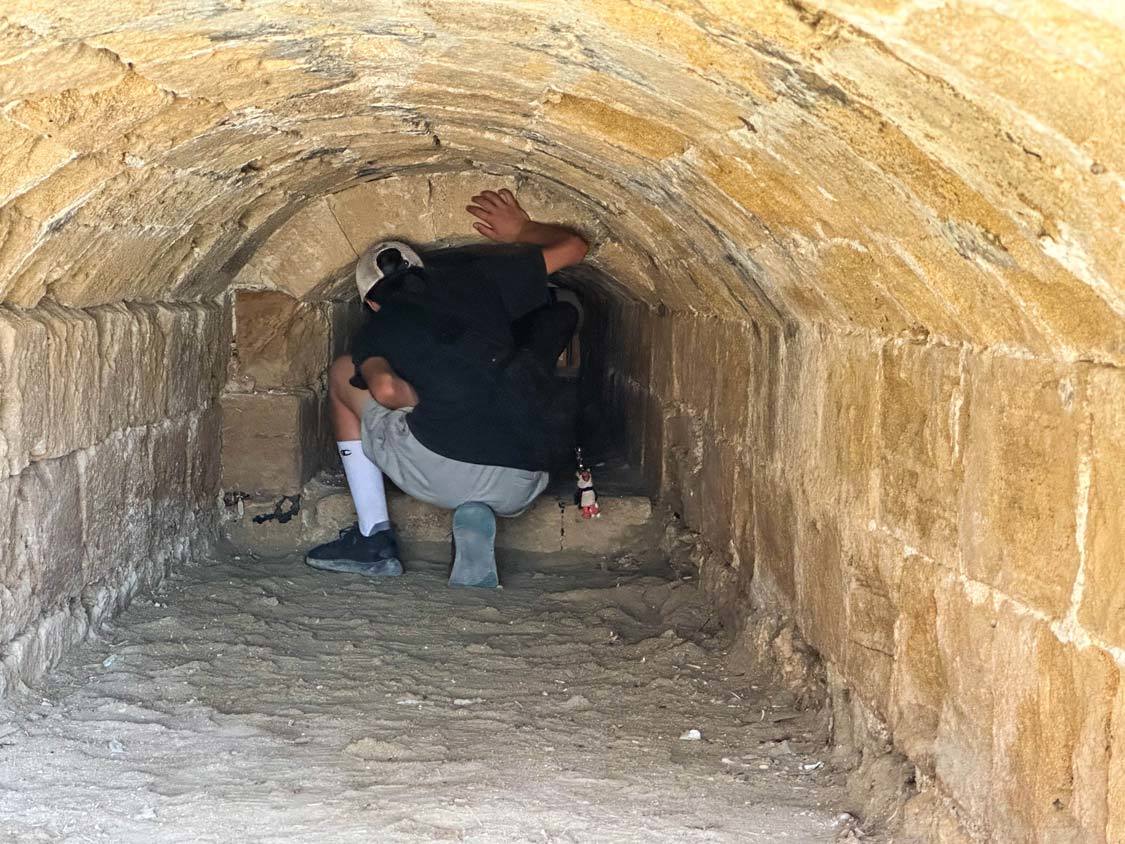
Our final stop before bidding farewell to Manos was the Koules Fortress, also known as Rocca a Mare. We were dropped off at the Plaza Kountourioti roundabout, a whirlpool of vehicles and pedestrians all trying to reach one of Heraklion’s most popular attractions.
This imposing Venetian stronghold guards the entrance to Heraklion’s busy harbor, right beside where the cruise ships come in. Unfortunately for us (and dozens of other travelers that day), the fortress itself was closed. But a little locked gate wasn’t going to stop our curious kids. Cohen and Dylan found some small tunnels to wriggle through, following waist-high holes to barred-off entrances where they could catch glimpses of the displays inside. Was it the perfect visit? No. But it sure did let their imaginations run wild.
This fortress was built in the 16th century, and it’s no stranger to conflict. Rocca a Mare has stood fast through sieges and naval battles, all the while serving as a symbol of Venetian might. Today, this silent guardian is a reminder of Crete’s turbulent past and its strategic importance in the Mediterranean. It’s an easy walk from the cruise dock, making it a perfect first or last stop on a port day.
Heraklion: You Had Me at “Yassas!”

Too soon after starting our one-day adventure in Heraklion, we parted ways with Manos, wishing him a fond farewell as we boarded the Celestyal Crystal. As we sailed away from Crete that night, we were still buzzing about our first island adventure in Greece.
Heraklion wasn’t just some port stop. It was a glimpse into an entirely different side of Greek history, culture, and everyday life. We left a piece of our hearts on that island, and we can’t wait to go back for more. But this was just the start. We had islands and mainland ports left on our Greek Islands cruise, and each one would hold its own unforgettable adventure.
So, if you’re looking to do Heraklion right, consider ditching the cruise brochures and embracing the unknown. You might just find yourself having the time of your life.
Our Greek Islands Cruise Video
Want to dive deeper into the experiences that we had during our 7-day cruise through the Greek Islands, stopping in Crete, Mykonos, Santorini, Athens, and Thessaloniki? Check out our video on YouTube. Don’t forget to like and subscribe.
More Places To Visit In Heraklion
If you’re staying local rather than heading out of the city, or you simply have more time, here are the city’s top attractions.
- Heraklion Archaeological Museum: This is a genuine world-class museum and the essential companion to Knossos, since it holds the original Minoan frescoes, the enigmatic Phaistos Disc, the snake goddess figurines, and the famous bull-leaping fresco. If the weather turns or the kids need a break from the sun, this is your move. You can find admission details here.
- The Historical Museum of Crete: Delve deeper into the island’s history from Byzantine and Venetian times to the present day, including a room dedicated to the writer Nikos Kazantzakis and two original El Greco paintings. You can find admission details here.
- Agios Titos Church: The Holy Cathedral of Saint Titus is a beautiful, much-rebuilt church on 25th of August Street with a rich history, and it’s free to step inside.
- Agios Minas Cathedral: One of the largest cathedrals in all of Greece, this grand 19th-century church towers over its own square with a soaring, fresco-filled interior. It’s a genuinely impressive stop that most cruise visitors miss entirely.
- The Natural History Museum of Crete: If you’re traveling with kids, this one is a winner. Run by the University of Crete down on the waterfront, it has a walk-through earthquake simulator, a life-sized model of the prehistoric Deinotherium that once roamed the island, and a “Discovery Center” of live animals and hands-on exhibits.
- The Museum of Ancient Greek Technology: Another hands-on hit with children, this quirky museum recreates the astonishing inventions of the ancient Greeks, from robotic servants to the Antikythera Mechanism, and many of the models can be operated.
- The Central Market on 1866 Street: A narrow, bustling market street packed with vendors selling Cretan cheeses, honey, herbs, olives, and raki. It’s the best place to taste your way through the island.
- The City Walls and the Tomb of Nikos Kazantzakis: Walk a stretch of the massive Venetian walls to the Martinengo Bastion, where the author of Zorba the Greek is buried beneath his famous epitaph: “I hope for nothing, I fear nothing, I am free.”
If You Have More Time: Beyond The Cruise Stop
Got a full day, or basing yourself in Heraklion for longer? The surrounding area is rich with adventures well beyond the city limits.
- Cretaquarium (Thalassocosmos): About 15 km east at Gournes, this is one of the largest aquariums in the Mediterranean, and an absolute winner with kids. Budget a couple of hours.
- Sail to Dia Island: That long, rugged island you can see floating on the horizon from Heraklion’s harbour is Dia, an uninhabited nature reserve. Half-day boat and sailing trips run out to its sheltered bays for swimming, snorkeling, and, if you’re lucky, a glimpse of the wild kri-kri goats. It’s the easiest way to get out on the water on a port day.
- Hit the beaches: Ammoudara, just west of the city, is the easiest sandy escape, with loads of tavernas and gentle water. To the east, Amnissos is a lovely blue-flag beach barely 10 minutes away by taxi (right behind the airport), and Karteros is another easy option. All are reachable by city bus.
- Karteros Canyon: For active families, this gorge just east of the city has gentle walking and hiking trails winding past herds of sheep and goats, a quick and easy dose of the Cretan outdoors.
- The Lasithi Plateau and the Zeus Cave: A gorgeous mountain drive east brings you to the windmill-dotted Lasithi Plateau and the Dikteon (Psychro) Cave, the mythical birthplace of Zeus himself.
- Cretan wineries: The Peza and Archanes regions south of the city are the heart of Crete’s ancient wine country. Douloufakis and Lyrarakis are two excellent, welcoming wineries within about 30 minutes of the port, both known for reviving rare indigenous Cretan grape varieties.
- Fodele, the birthplace of El Greco: The great Renaissance painter Domenikos Theotokopoulos, known to the world as El Greco, was born in this pretty, orange-grove-filled village about 25 minutes west of Heraklion. There’s a small museum in a house linked to his family, and the Historical Museum of Crete in town holds two of his original paintings.
- Agia Pelagia: A pretty resort cove about 20 minutes northwest, with calm, clear water tucked into a sheltered bay, a good pick if you just want to swim and eat by the sea.
- Other Minoan sites: History lovers can venture south to the Palace of Phaistos and the Roman ruins of Gortyna for a quieter, less reconstructed counterpoint to Knossos.
- Day trips to Rethymno and Chania: Crete’s two most beautiful Venetian old towns are about an hour and 90 minutes west, respectively, and both make spectacular full-day escapes.
Excellent One-Day Heraklion Tours
Not everyone is the “do-it-yourself” type, and that’s totally cool. If you’d like someone to take the reins and show you around Heraklion and the surrounding area, these tours are perfect for cruise visitors and anyone short on time. (And of course, a private local taxi guide like Manos is a wonderful, flexible option too.)
- Knossos Palace and Traditional Villages Tour: This combines the must-see Knossos Palace with charming Cretan villages, blending the island’s ancient past with its vibrant present, plus traditional crafts and local delicacies. You can check current prices and availability here.
- Land Rover Safari to the Lasithi Plateau: Get off the beaten path and explore Crete’s rugged beauty by 4×4, traversing mountain roads to the windmill-studded Lasithi Plateau and its traditional villages. You can check current prices and availability here.
- Wine and Olive Oil Tasting Tour: Indulge in Crete’s culinary delights, visiting local wineries and olive oil producers to learn the process and savor the flavors. Perfect for foodies. You can check current prices and availability here.
Getting Around Heraklion On A Cruise Stop
One quick but important note, because plenty of guides (and cruise brochures) get this wrong: Heraklion is a docking port, not a tender port. Your ship pulls right up to the pier, so there’s no waiting for little boats to ferry you ashore. From the cruise terminal, it’s a flat 15 to 20-minute walk into the old town, with the Koules Fortress and the Venetian harbour the first things you’ll reach. Some cruise lines run a shuttle to the port gate, and taxis wait right at the terminal.
To make the most of a short day, your best moves are simple: head straight to Knossos first thing (Bus Line 2 or a taxi, roughly 20 to 30 minutes from the dock) to beat the crowds, then work your way back through the old town on foot. If you’d rather not juggle logistics, arranging a local taxi guide like Manos, or a half-day tour, means you can focus on the experience while someone else drives. There’s also a red hop-on-hop-off sightseeing bus that loops the main sights, including a stop near Knossos, which can be a handy, low-stress way to cover a lot of ground on a tight schedule.
Where To Stay In Heraklion
If you’re extending your visit into a full day or an overnight, Heraklion has some genuinely lovely places to stay, and staying in town lets you hit Knossos at opening before the day-trippers arrive.
- Lato Boutique Hotel: Right across from the old harbor, this is my top pick for location. The recently renovated rooms have balconies over the city and port, and the rooftop restaurant-bar looks straight out at the Koules Fortress, a stunning spot for a sunset dinner. You can find their current rates and availability here.
- GDM Megaron: A grand, historic hotel in the heart of town with a spectacular rooftop pool overlooking the harbor, ideal if you want a splurge with a view. You can find their current rates and availability here.
- Family-friendly bases: For more space, look to the beach suburbs of Ammoudara (west) and the Amnissos/Kokkini Hani area (east), where you’ll find larger family rooms, pools, and easy beach access a short drive from the center.
All are bookable on the major platforms like Booking and Expedia, and rooms in the compact old town go fast in summer, so reserve ahead.
Where To Eat In Heraklion
Let’s face it: one of the best ways to make memories while we travel is by eating amazing local food, and Cretan cuisine is among the very best in Greece. Look for dakos (rusk topped with tomato and mizithra cheese), slow-cooked lamb, fresh seafood, bougatsa (a creamy or cheesy breakfast pastry), and, of course, a shot of the local firewater, raki. Here’s where to fuel up.
- Peskesi: The city’s standout for a modern, beautifully sourced take on traditional Cretan cuisine. Reserve ahead. You can find their website here.
- Erganos: A beloved local taverna serving up genuine home-cooked Cretan meals in a warm, traditional setting. You can find them on Facebook here.
- Grab a bougatsa from one of the classic spots near the Lions Fountain for a cheap, delicious, authentically Cretan breakfast on the go.
- Traveling with picky eaters? Heraklion has plenty of easy, kid-friendly options too, from Lucky’s Souvlaki for a fast, cheap Greek classic to relaxed spots like Mama’s Restaurant. Nobody goes hungry here.
Tips For Visiting Heraklion
- Best time to visit: Spring and fall bring pleasant weather and thinner crowds. Summer is hot and busy, so start early and hydrate.
- Getting around: The old town is best explored on foot. Bus Line 2 connects the center to Knossos, and taxis are readily available.
- Cruise ship tips: Remember, Heraklion is a docking port, so you can walk straight into town, no tendering required. Book your Knossos tickets and time slot online in advance, head there first to beat the crowds, and confirm your all-aboard time so you’re never cutting it close.
Travel Resources For Families Visiting Greece
For practical planning, safety considerations, and logistics, these dedicated guides provide all of the resources you need for family travel in Greece

Frequently Asked Questions About Spending One Day in Heraklion
They dock. Ships pull right up to the pier at Heraklion port, so there’s no tendering. From the terminal, it’s a 15 to 20-minute walk into the old town, or a short shuttle or taxi ride, putting the Venetian harbor and fortress within easy reach.
Knossos is about 5 km south of the center. Take Bus Line 2 from central Heraklion (around 20 minutes) or a taxi (about 15 minutes), reaching the site within roughly 30 minutes of leaving the ship. Book a timed-entry ticket ahead at the official portal, hhticket.gr.
Yes, for the highlights. A single day is enough to visit Knossos and wander the Venetian old town, or to pair Knossos with the Archaeological Museum. With a full day, you can add a hill village like Archanes or the family-friendly Cretaquarium.
Absolutely. It’s one of the oldest cities in Europe and the ceremonial heart of the Minoan civilization, famous (and gently controversial) for Sir Arthur Evans’s vivid reconstructions. Pair it with the Heraklion Archaeological Museum to see the original frescoes and artifacts.
You can easily do it yourself using Bus Line 2 and taxis, especially for Knossos and the walkable old town. A local taxi guide or a half-day tour is the better option if you want to reach the surrounding villages, wineries, or the Lasithi Plateau without the logistics.
Arrive for the 8 a.m. opening. The first slot lets you beat the mid-morning cruise crowds and the intense midday heat, and there’s very little shade on site, so early is far more comfortable.
Don’t Forget To Follow Our Travel Adventures In Greece and Beyond
If you’re looking for Heraklion travel tips or more adventures from around the world, don’t forget to follow us on social media. You can find our adventures across all platforms, including Facebook, YouTube, Instagram, and TikTok. Make sure to say hello. We love to connect with fellow travelers.
If family travel in Greece or anywhere else around the world is your thing, I also run an amazing group on Facebook called the Family Travel Support Group, which is full of incredible traveling families who share tips, tricks, and the ups and downs of traveling with children.
Disclosure: Our time aboard Celestyal Cruises and our tour of Santorini was in partnership with the cruise line. All opinions remain my own.
You May Also Like To Read:
Shelley
Friday 1st of May 2026
Hi there, we're thinking of hiring a car for the day then saw your post. How much did your day cost? There are just two of us. Or do you have contact details for Manos?
Kevin Wagar
Monday 4th of May 2026
Hi Shelley,
It was about €150 for the four of us for a half day. (about 5 hours total). Manos was awesome, I highly recommend him. You can find his details here: https://www.tripadvisor.com/Attraction_Review-g189417-d30619501-Reviews-Manos_Van_Taxi-Heraklion_Crete.html Renting a car is also a great way to find your way around, but a local guide means you can focus on the experience and they can point you in the direction of things you may have missed.
Rosseline
Friday 1st of May 2026
We loved the information! We are going on july and i would like the contact of Mano for a tour.
Kevin Wagar
Monday 4th of May 2026
Hi Rosseline, Amazing, I hope you have fun! You can find Manos' booking page here: https://www.tripadvisor.com/Attraction_Review-g189417-d30619501-Reviews-Manos_Van_Taxi-Heraklion_Crete.html
Steve
Monday 18th of August 2025
If locals hate it when you stop somewhere maybe don't stop there. Other than though this sounds great!
Kevin Wagar
Wednesday 20th of August 2025
Tourism can be complicated. Yes, some locals hate it, some locals love it. But the squeaky wheel often gets the oil. That being said, it was a cruise ship. And there are only so many options when you're booked on a cruise with a set itinerary. It would be amazing if cruise companies worked harder to avoid being complicit in overtourism issues and, instead worked to highlight lesser-visited destinations that can often be even more incredible than the most popular ones.