
The complete family packing list for Argentina, covering men, women, teens, and kids across Buenos Aires, Patagonia, and the subtropical north. Built from firsthand family travel experience.
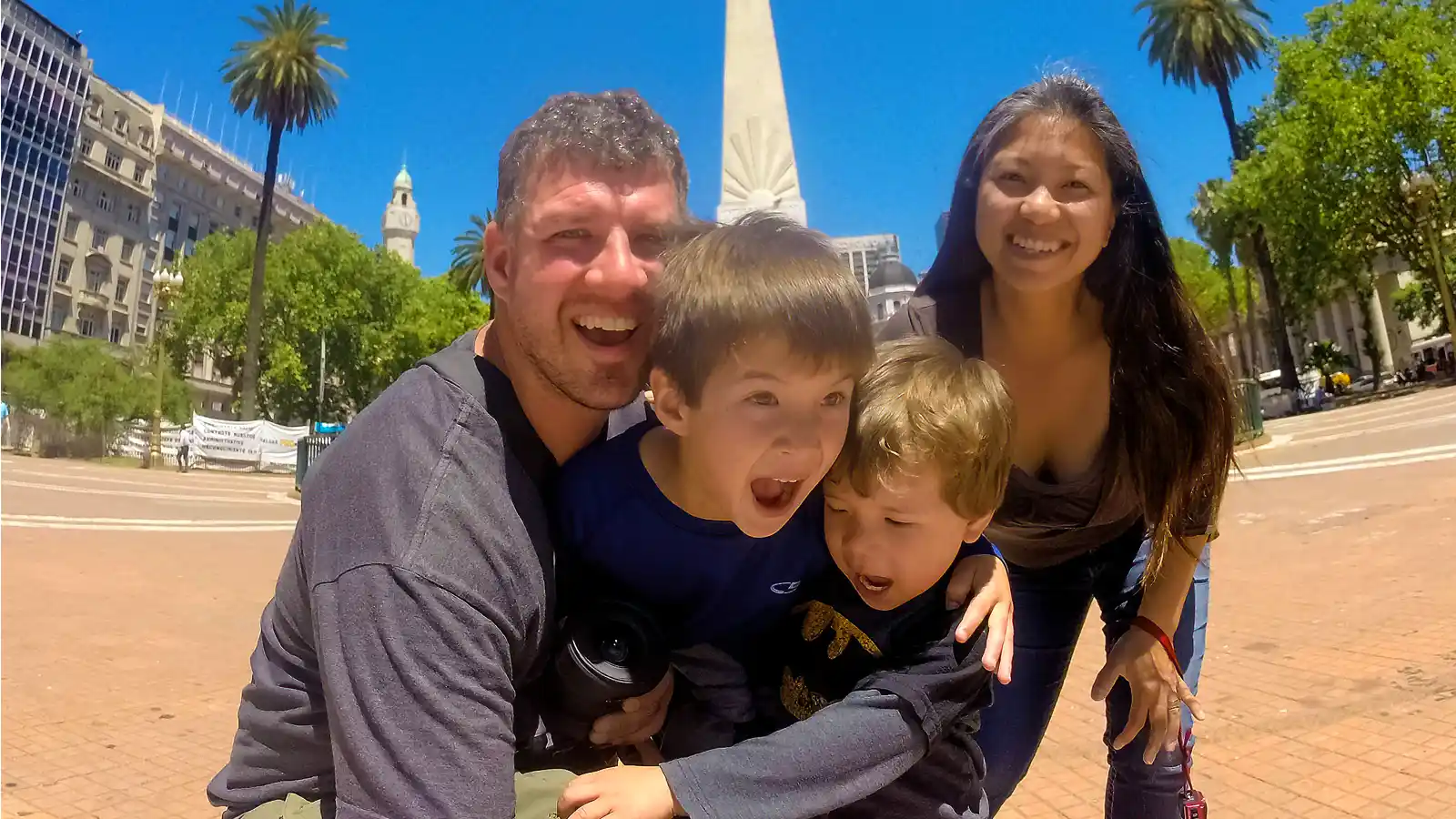
Argentina is the size of India. Packing for travel in the country isn’t a one-size-fits-all situation because there are three distinct regions across the country that all require very different packing plans. Buenos Aires, Patagonia, and the northern reaches of Argentina are three very distinct adventures. Here’s how to pack for family travel in Argentina without getting overwhelmed and having to bring three suitcases.
Buenos Aires in January is hot and sticky, the kind of humid 95 degrees Fahrenheit (35°C) that turns a linen shirt into a wet towel by noon. Drive twelve hours south to Patagonia, and the same month gives you 59 degrees Fahrenheit (15°C), and strong winds that blow off the South Atlantic like. Travel north to Iguazu, and you are in the subtropics, where the jungle is always warm and always wet, and the falls are so loud you feel them before you see them.
Three climates. One suitcase. That is the Argentina packing puzzle. IF you’re visiting just one region, you can jump straight to that section. If you’re visiting two or more, keep reading through this guide.
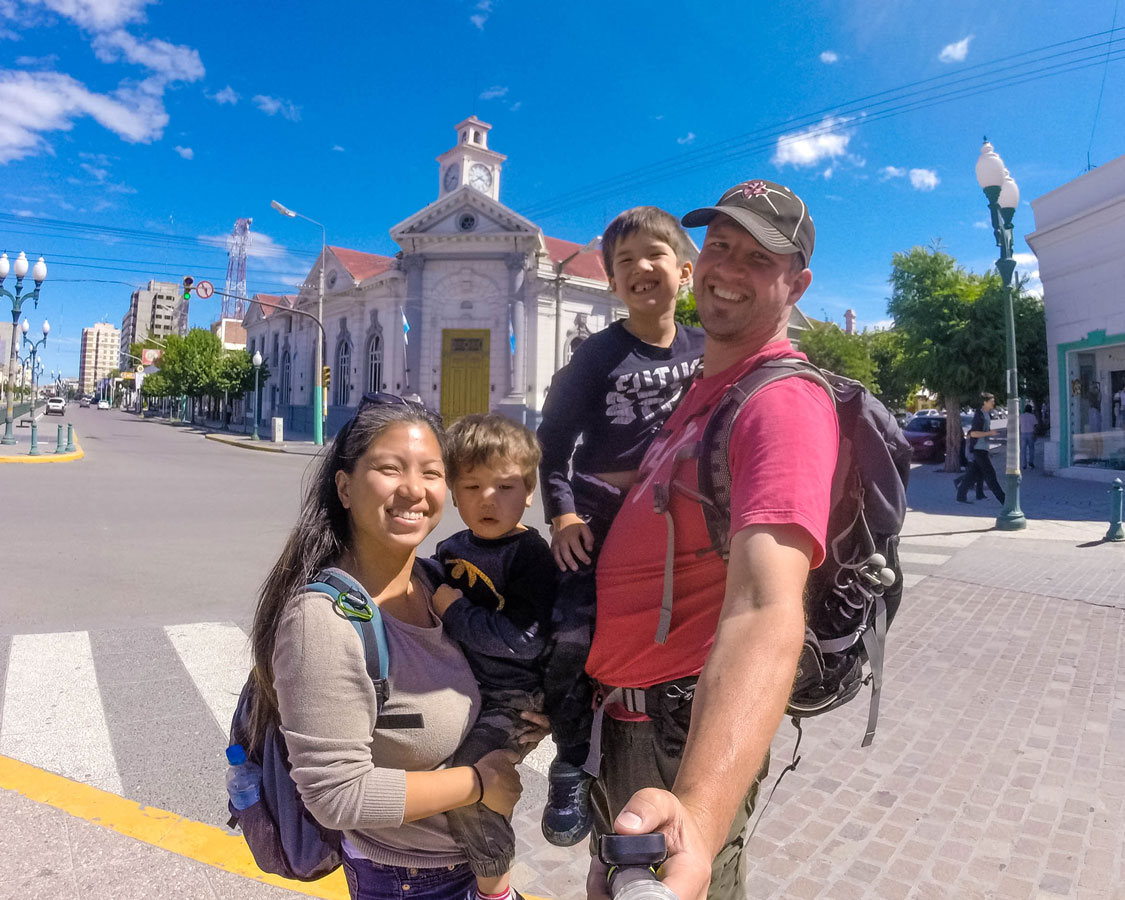
We have traveled to Argentina as a family across multiple trips. We walked among a million penguins at Punta Tombo while one of them walked directly over Dylan’s foot without breaking stride. We watched a mother whale and her calf surface in Puerto Piramides. We stood in the spray of Iguazu Falls, went diving with sea lions at Punta Loma, and spent a day with a Guarani tribe in Misiones. This Argentina family packing list is built from all of that experience.
How This Argentina Packing Guide Works
Table of Contents
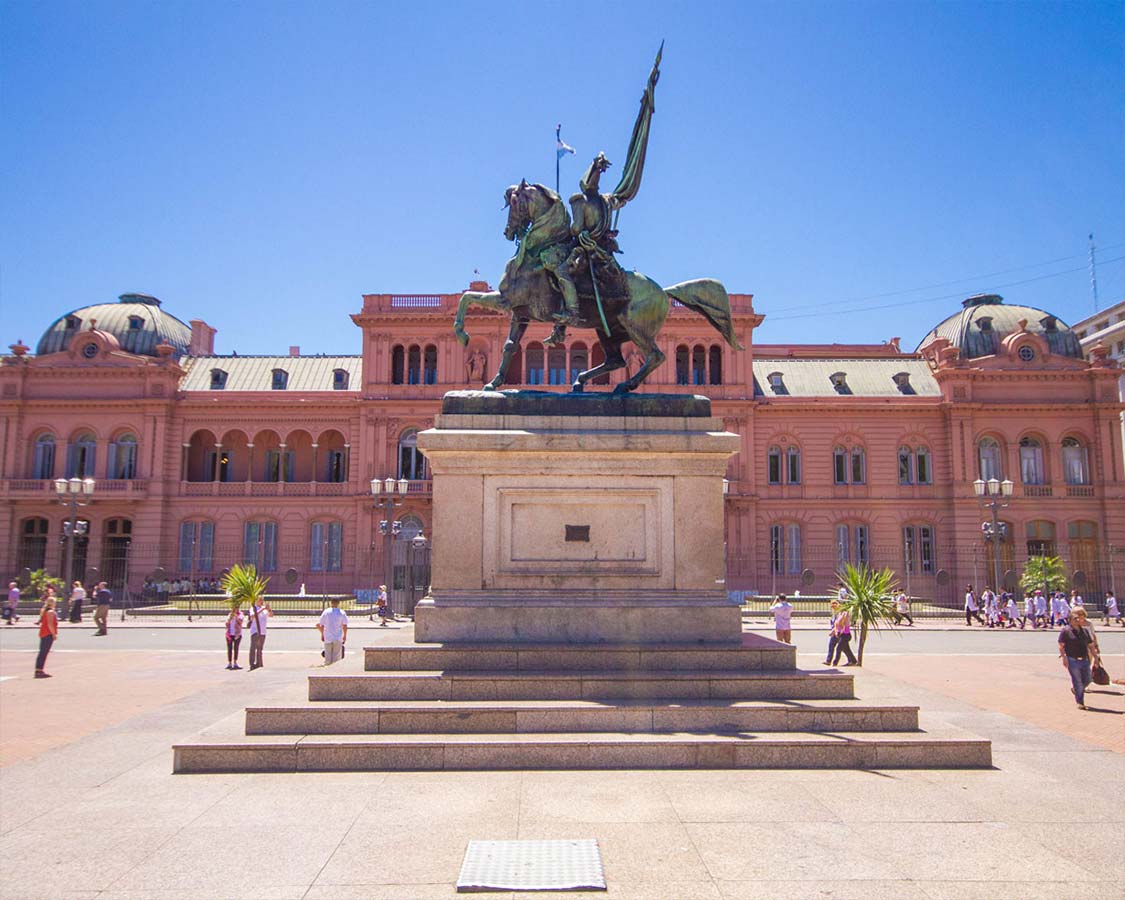
Argentina’s three main regions need different approaches to packing. Rather than list every product three times, this guide is split into two parts.
Part One is the General Argentina Packing List. These are the clothes, shoes, gear, and documents that work across the whole country, regardless of where you are going.
Part Two is the Regional Kits. Short top-up lists for places like Buenos Aires, Patagonia, and the subtropical north. Pack the general list first, then add whatever kits match your Argentina travel itinerary. If you are only going to Buenos Aires and Iguazu, skip the Patagonia kit. If you are only doing Patagonia, skip the subtropical kit.
How Much Luggage for Family Travel in Argentina?
While I always try to travel carry-on, if your family is visiting multiple regions of Argentina, I recommend one mid-size bag per adult. Combining this with a smaller bag for teens or kids is the right setup for most family travel in Argentina.
Domestic flights between Buenos Aires and Patagonia or Iguazu have standard checked luggage allowances, but budget carriers charge for bags over 23 kg (50 lbs). Patagonia’s dirt roads, small guesthouses, and wildlife sites work better with bags you can actually carry yourself.
Before You Pack: Understanding Argentina’s Three Climates
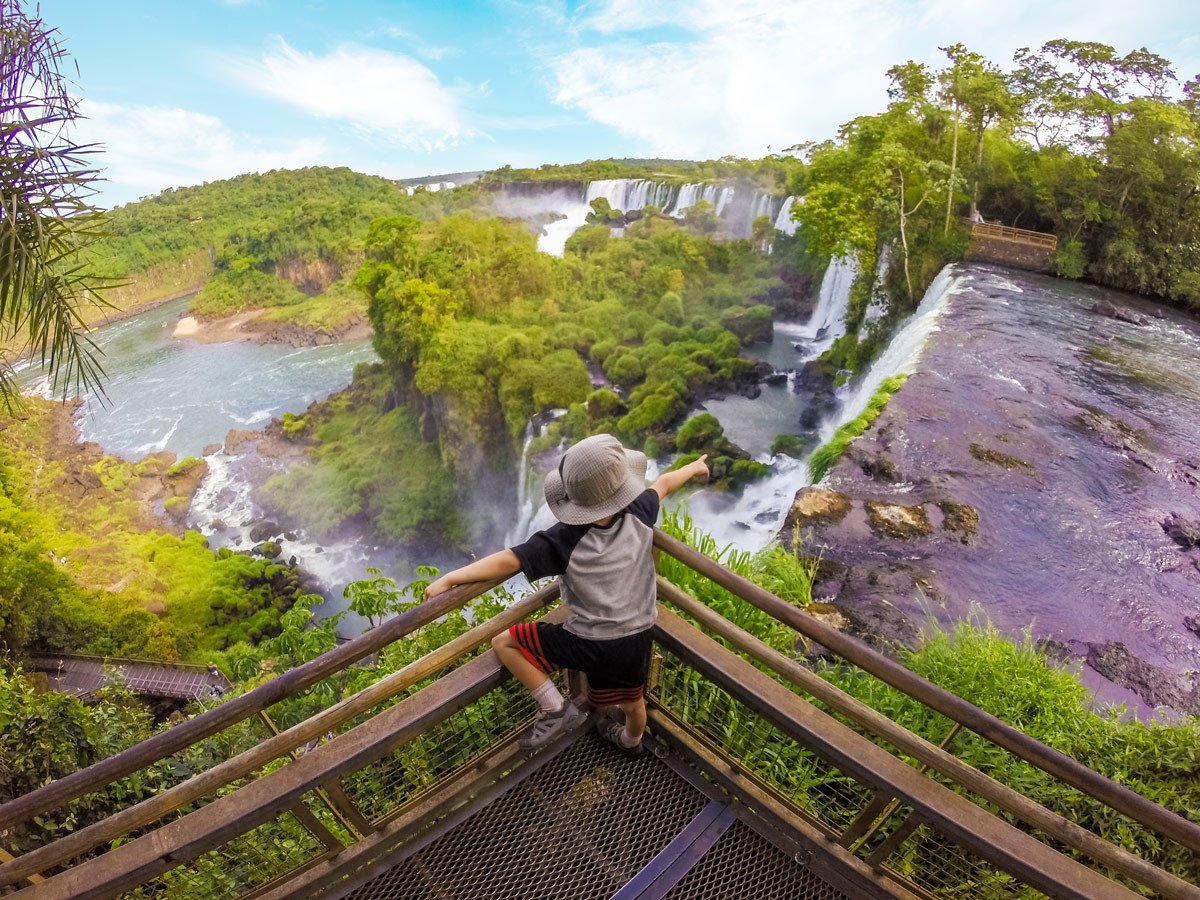
Argentina runs from the subtropics in the north to near-Antarctic conditions in the far south. The three regions that most family trips cover each have their own set of packing recommendations.
Buenos Aires
Argentina’s capital and largest city, Buenos Aires, sits at roughly the same latitude as Sydney, Australia, in the southern hemisphere. That means summer from December through February is hot and humid, regularly hitting 90 to 95 degrees Fahrenheit (32 to 35°C). Spring, from September through November, and autumn, from March through May, are the best times to visit. During these times, temperatures lie in the pleasant 60s to 70s Fahrenheit (16 to 25°C). Winter from June through August is mild, sitting in the 50s Fahrenheit (10 to 15°C), with occasional cold snaps.
Pack for the season you are visiting.
Patagonia: Puerto Madryn, Punta Tombo, Peninsula Valdes
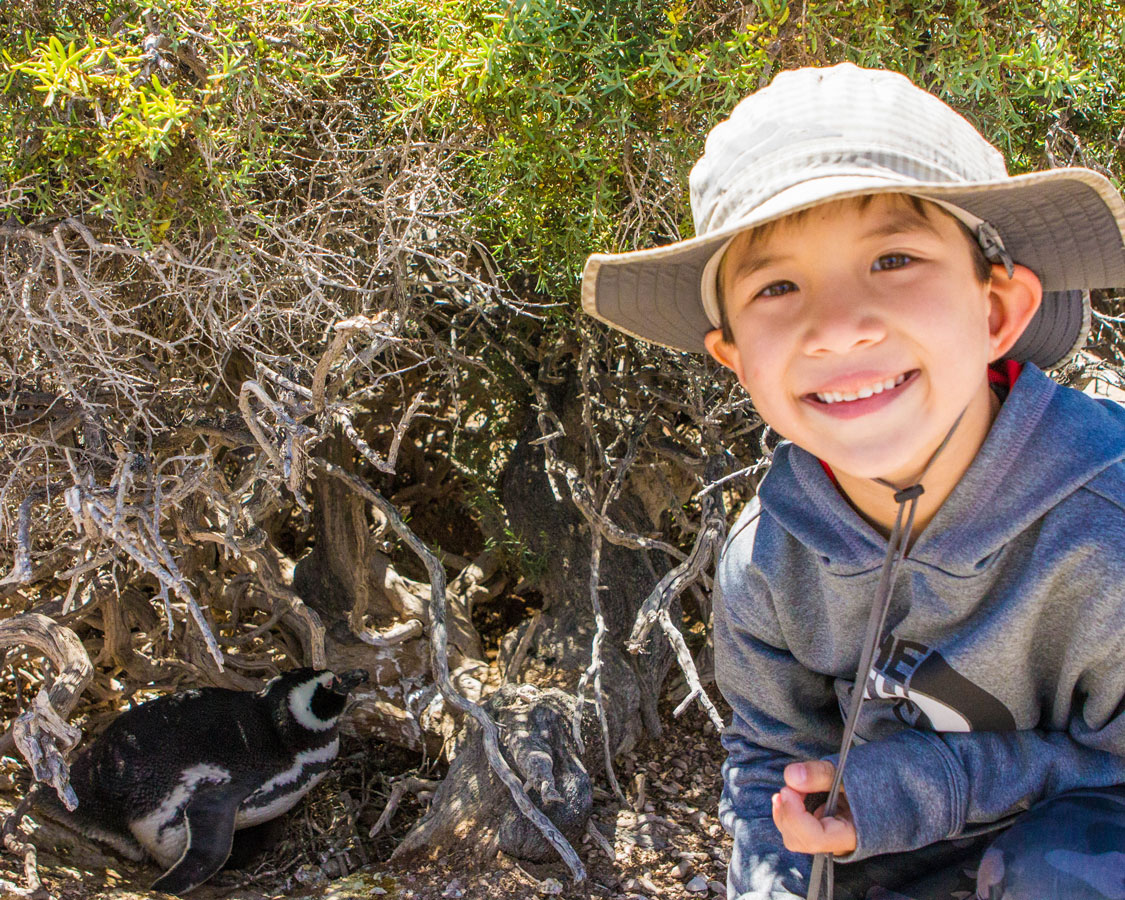
Further south, in Patagonia, the weather is windier than you expect. Even in summer, the wind off the South Atlantic is cold and pretty steady. Temperatures in summer average 59 to 68 degrees Fahrenheit (15 to 20°C) on sunny days, but the wind drops the effective temperature well below that. The penguin colony at Punta Tombo is completely exposed, living on flat coastal scrubland with very little shelter. You will be outside for several hours. Pack for the wind, not just cooler temperatures.
Spring, from October through November, is my favorite time to visit Argentine Patagonia. This is when the whales arrive in Golfo Nuevo. The penguin colony is active from September through April. Both are worth visiting if you are focusing your trip around epic family-friendly wildlife encounters.
The Subtropical North: Iguazú, Misiones, Corrientes
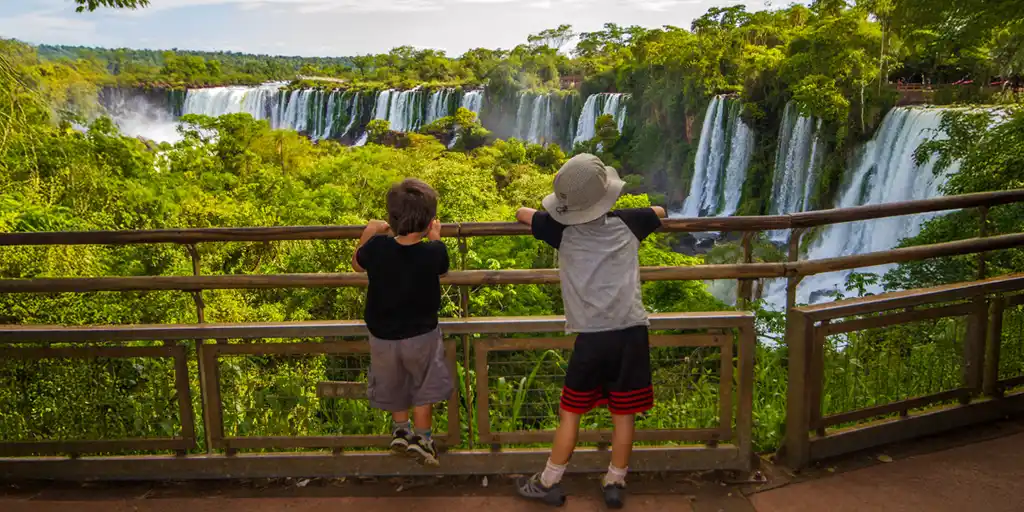
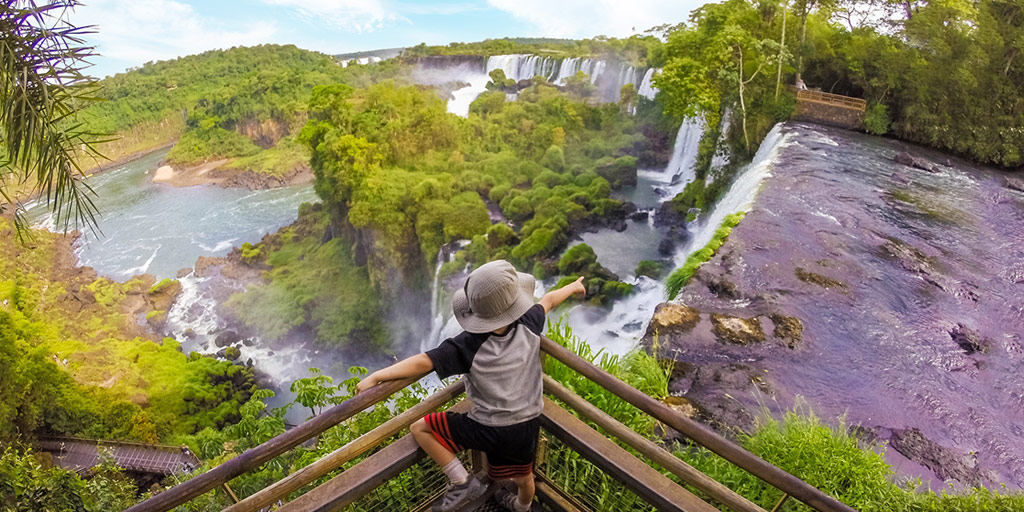
The northeast region of Argentina is warm and wet year-round. Iguazu Falls sits in a subtropical jungle with average temperatures of 77 to 86 degrees Fahrenheit (25 to 30°C) and high humidity throughout the year.
The falls are at their most dramatic from November through March when rainfall is highest and water volume peaks. This is also the hottest and most humid time to visit. May through September brings lower water but more comfortable temperatures and less rain. Insects are present year-round, and dengue fever is a real risk. Bring kid-safe insect repellent and long sleeves for dusk and dawn when the bugs are at their worst.
Wind: The Most Common Argentina Packing Mistake
Buenos Aires in summer and Patagonia in summer are completely different experiences. Most families get Buenos Aires right and Patagonia wrong. They pack for warmth and forget the wind. The temperature might be fine. The wind is the thing that will end the afternoon. A windproof outer layer is the single most important item for any Patagonia trip.
Part 1: The General Argentina Packing List
These packing list items belong in every suitcase bound for Argentina, regardless of which regions you are covering.
Clothing for Men and Teens Traveling in Argentina
Argentina is a country where style matters. Buenos Aires, especially. A linen shirt and clean trousers will take you from a museum to a steak dinner to a tango bar without ever looking out of place. The same shirt in Patagonia slips under a fleece under a windproof shell. That’s the way to keep your clothes flexible for any occasion.
- 3 to 4 lightweight short-sleeve shirts in linen or moisture-wicking fabric. A shirt like this dries overnight, does not wrinkle in a bag, and works for Buenos Aires heat and Patagonian layering equally well.
- 2 to 3 lightweight long-sleeve shirts like this are useful as a base layer in Patagonia and as a sun protection layer at Punta Tombo and Iguazu.
- 2 pairs of lightweight travel pants like these are the right choice for restaurants in Buenos Aires, the Jesuit ruins in Misiones, and every other situation that calls for something smarter than shorts.
- 1 to 2 pairs of shorts for Buenos Aires summer days and warm northern towns. I like these ones for great style and practicality.
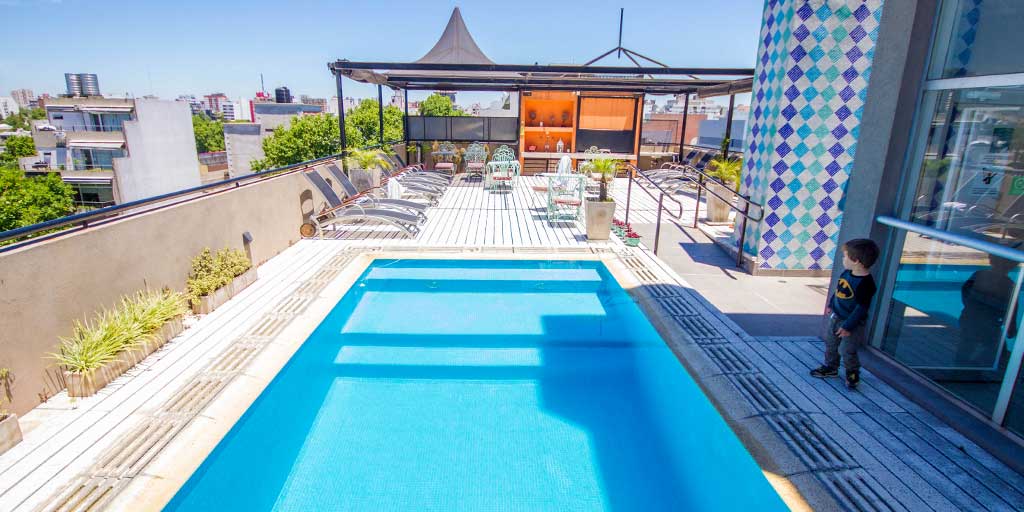
- 1 to 2 swimsuits for hotel pools in Buenos Aires and Misiones, and beach days on the Atlantic coast.
- 1 packable insulating layer for cool evenings or visiting Buenos Aires in winter. This can go under the shell on the coldest Patagonian days and works on its own for cool Buenos Aires winter evenings.
- Underwear x7 in lightweight, quick-dry fabrics.
- Socks x7 in merino wool or wool-blend. Merino handles both the Patagonian cold and the humidity in Buenos Aires better than cotton, and it resists the smell that builds up on long travel days.
Clothing for Women and Teens Traveling in Argentina
Christina’s approach to Argentina packing is choosing clothes that translate from an evening in Buenos Aires to a Patagonia morning without requiring a complete wardrobe change. The maxi dress that works for a restaurant in San Telmo does not work on the windy shores of Patagonia. But it doesn’t need to. This layering style handles it all.
- 3 to 4 lightweight linen or moisture-wicking tops. This kind of shirt is stylish, comfortable, and practical in many different conditions.
- 2 pairs of lightweight travel pants. Linen pants like this are light, airy, and comfortable for days in the city and light trails. Travel pants like this are a little more rugged and more practical in cooler conditions like Patagonia.
- 1 to 2 midi or maxi dresses for days in Buenos Aires, warmer days in Misiones, and Patagonia. A dress like this can be the powerhouse of Christina’s wardrobe. Multifunctional and stylish in one shot.
- Bring 1 to 2 pairs of shorts for Buenos Aires summer and the warmer northern regions: Women’s Everyday Shorts
- Bring a substantial cardigan or knit layer for Buenos Aires evenings and cool Patagonia rest days: Amazon Essentials Women’s Heavyweight Cardigan
- 1 packable insulating jacket for cool evenings and layering while in Patagonia. This jacket packs nicely and small and weighs next to nothing.
- 1 to 2 swimsuits.
- Underwear x7 in quick-dry fabrics.
- Socks x7 in merino wool or wool-blend.
Packing For Argentina For Kids Under 12
Argentina is a great country for family travel. Kids under 12 can get away with casual, comfortable clothing in most situations. But it’s also worth noting that the heat and the cold can catch up with kids more quickly than they do with adults.
- 4 to 5 lightweight t-shirts.
- 2 to 3 lightweight long-sleeve shirts. These pull the most weight in Patagonia and the northern jungle.
- 2 to 3 pairs of lightweight pants. Choose something durable and quick-drying like these.
- 2 pairs of shorts for Buenos Aires and warm days in the north.
- 1 to 2 swimsuits.
- 1 windproof and waterproof shell. This is the one I recommend for kids.
- Underwear x8
- Socks x8 in merino blend.
Footwear for Family Travel in Argentina
Argentina needs three kinds of footwear in one bag.
Buenos Aires is a walking city with uneven colonial pavement that can be hard on feet not supported by practical shoes. Patagonia’s vast outdoors mix sandy, rocky coastal terrain, where quality grip and ankle support are important. Iguazu is packed with wet jungle boardwalks, where you will get splashed regardless of what you wear. One pair of great shoes and one pair of sandals cover most of this. Add in a pair of flip-flops for the hotel pool.
- 1 pair of waterproof trail runners or supportive walking shoes as your main shoe. For women, this is what Christina wears. This is my pair of go-to trail runners, and these are the ones that I recommend for younger children.
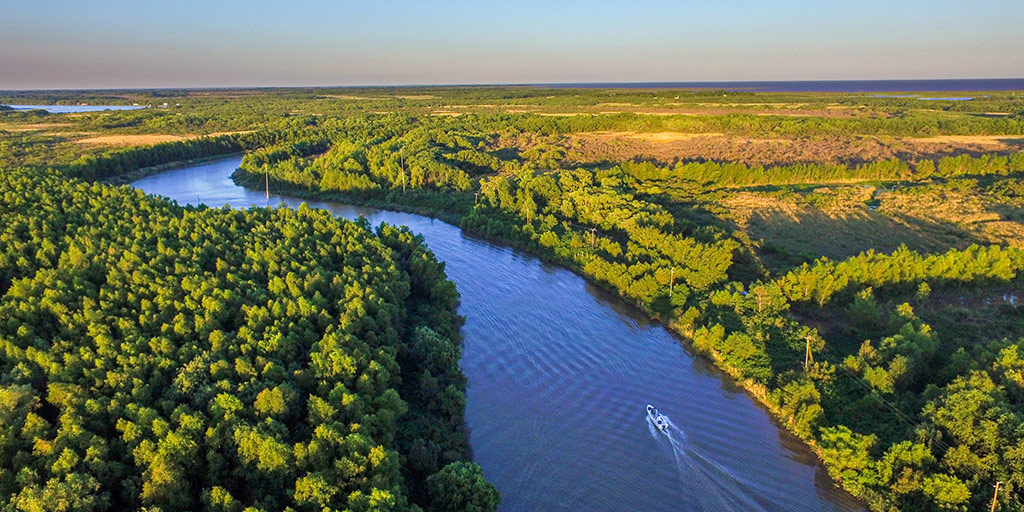
- 1 comfortable hiking sandal with ankle support for warm days and exploring the small towns. These hiking sandals are good for Buenos Aires cafes, boat life on the Delta Parana, and beach time on the Atlantic. Christina, the kids, and I all have a pair.
- Bring 1 pair of flip-flops for use in pools and on the beach.
Sun Protection for Argentina Travel
Argentina’s UV is higher than most visitors expect. Patagonia has almost no shade, and there is a large hole in the ozone layer directly overhead. Places along the Peninsula Valdes are typically flat, exposed scrubland where families can often be exploring outside for two to three hours with nothing between them and the intense southern hemisphere sun.
Iguazu in summer is a jungle boardwalk above the falls with exposed sections where families will be under the intense tropical UV. Sun protection is important throughout the whole country.
- Bring broad-spectrum SPF 50+ sunscreen for the whole family and more than you think you need. I like this brand because it’s reef-safe, waterproof, and safe for all ages. Pharmacies in Buenos Aires are well-stocked. If you forget sunscreen, you can always pick it up locally. Outside the city, options thin. Buy enough at home or in Buenos Aires before heading south.
- Bring a wide-brim sun hat with UPF 50+. This is the one Christina and I usually have with us. This is the one we love for younger children. Make sure the hat you bring has a chin strap or a brim that does not act as a sail. Patagonian wind and wide-brim hats without chin straps make for a short relationship.
- 1 pair of polarized sunglasses for each family member. The Patagonian coast and the open sky above the falls at Iguazu both produce serious glare.
General Travel Gear for Argentina
Bags
- Bring a packable daypack for wildlife days and city walks. Something like this compresses to next-to-nothing and holds everything you need for a day of exploring.
- I like to bring a small sling bag for city exploring. Something like this keeps my hands free while wandering through a market in San Telmo or the alleys around La Boca. It also keeps your phone and wallet close in crowded areas.
- Bring a set of packing cubes per family member. I like these for their great zippers and convenient color options that help to keep everyone’s clothes from getting mixed up. Organized bags save real time at 5 am before a domestic flight to Patagonia.
Tech and Power
- Make sure to pack a portable power bank. I like the Nitecore NB10000 Power Bank. Long days snapping photos of wildlife in Patagonia or the waterfalls in Iguazu will drain your phone’s battery fast. This one offers two full charges per device.
- Argentina uses Type C and Type I outlets at 220 to 240V (50Hz). North American travelers need a universal adapter and should check that their devices support dual voltage before plugging anything in directly. Bring a universal travel adapter. This one includes both USB and USB-C ports for extra convenience.
- Bring a compact camera. This one is waterproof, shock-resistant, and takes excellent photos. It’s a great option for those whose kids want to try their own hand at photography.
- Load your phone with an eSIM before you leave home to ensure you have data the moment you land. Cell coverage is solid in Buenos Aires and along main highways. Download offline maps for Patagonia before you leave any town with a signal. Do not assume connectivity between Patagonian destinations.
Reusable Water Bottles
- Bring one per person. I like the Grayl GeoPress Water Purifier Bottle. Buenos Aires tap water is safe. In smaller Patagonian towns and rural areas, quality varies. A filter bottle covers all scenarios and saves meaningful money over a two-week trip.
Binoculars
- Binoculars are important if you want to catch the whales off the Peninsula Valdes or the beautiful birds up around Iguazu. Bring one pair per family. This is the one I usually travel with; it’s light, compact, and has an excellent zoom.
Packable Quick-Dry Towels
- Bring one per person. A quick-dry towel like this one is useful for beach days along the Atlantic coast, Delta Parana boat trips, and any accommodation that falls short on towel quality.
Part 2: The Regional Kits
The general list above covers the base. These regional kits cover the specifics of what each region of Argentina specifically adds on top of it.
Buenos Aires
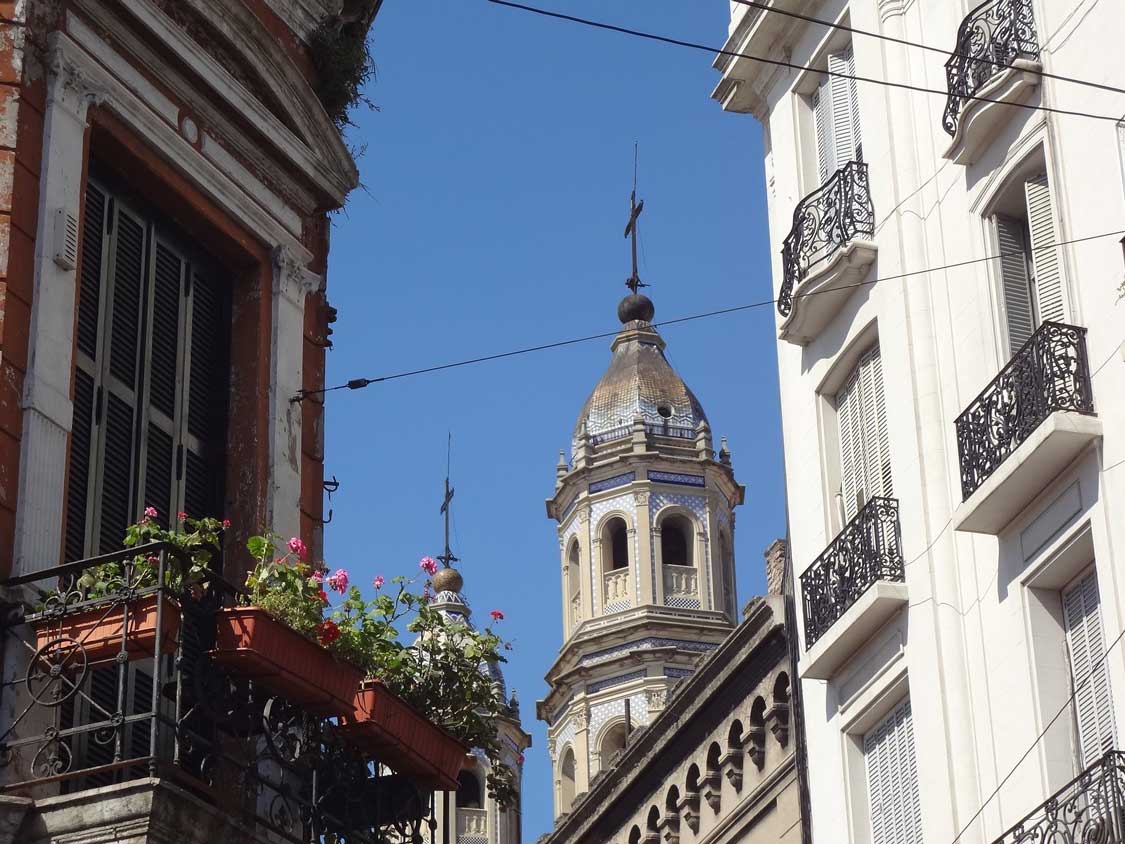
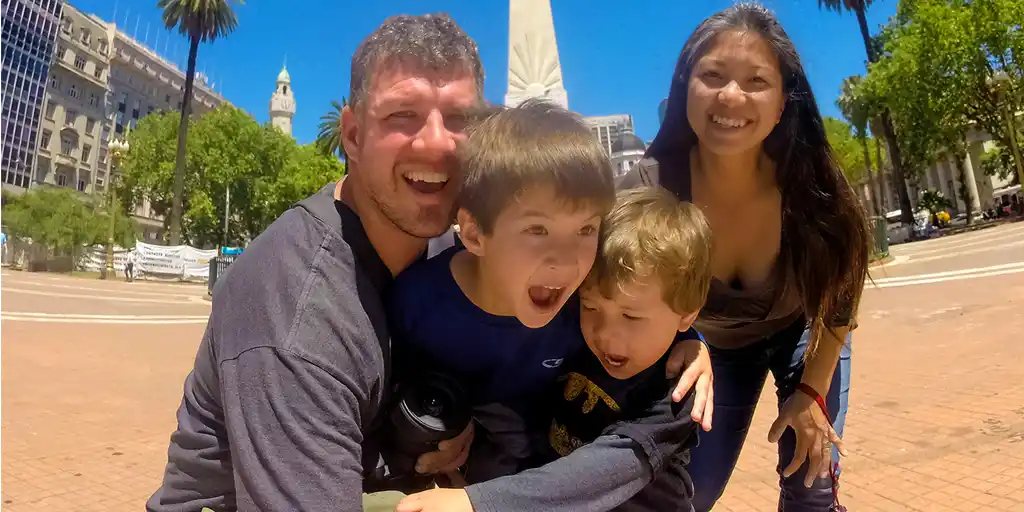
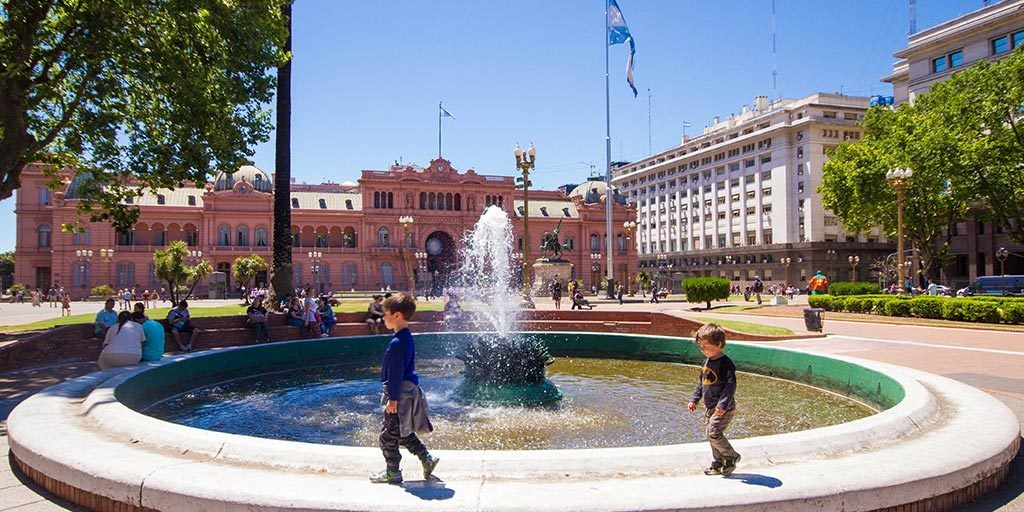
Buenos Aires is a huge city of nearly 16 million people. The locals are passionate about food, family, and style, and it helps to dress like one. The Buenos Aires packing list covers most of what you need when traveling in the city, along with a few additions depending on the season you’re visiting:
- Pack one smart casual outfit for nicer restaurants and evening tango shows if that is on your agenda. Buenos Aires nightlife starts late, and the local standard is higher than a t-shirt and jeans. A button-up shirt and clean pants for men and a dress for women cover most situations without requiring dedicated formal wear.
- Pack a pair of comfortable walking shoes that can handle a full day on uneven colonial pavement. The neighborhoods of San Telmo, Palermo, and La Boca involve hours of walking on surfaces that will destroy unsupportive shoes. The trail runners in the general list handle this well, but if you want something more stylish, that’s something to consider.
- Bring a light layer for restaurants with air conditioning if you’re visiting in summer. Buenos Aires restaurants, malls, and taxis run their cooling systems extremely cold. A light cardigan or long-sleeve shirt in the daypack solves this without adding weight.
Buenos Aires Tip: Leave Valuables at the Hotel
Buenos Aires is a safe city for tourists in its main neighborhoods. It is also a city where petty theft in crowded markets and on public transport happens. Leave expensive jewelry, secondary cameras, and large amounts of cash at the hotel when exploring busy areas like San Telmo market and the La Boca tourist strip.
Patagonia
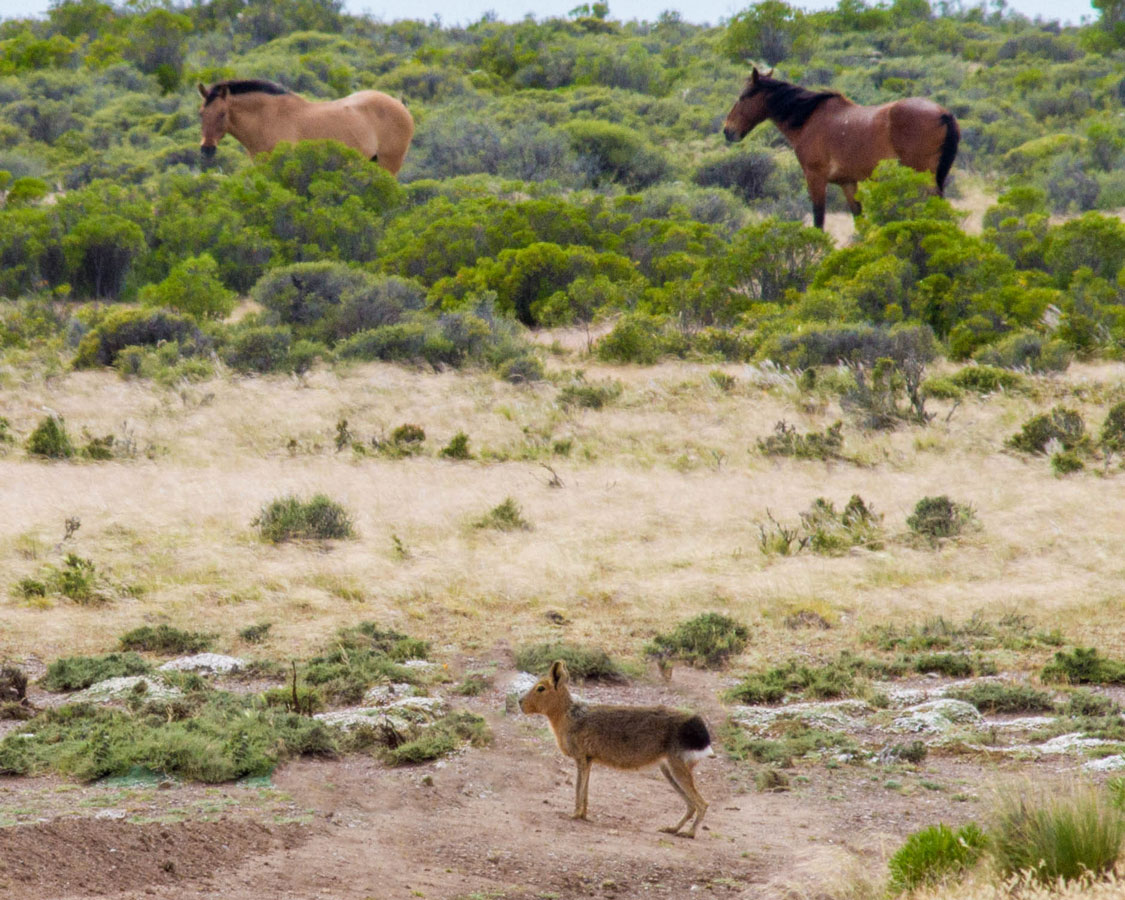
Puerto Madryn, Peninsula Valdes, Punta Tombo, Puerto Piramides. The general list was built with Patagonia in mind. These are the specific additions for the Patagonian coast.
- Pack a merino wool base layer for everyone for the coldest coastal days and any winter travel in Argentina. A thin merino base layer under a long-sleeve shirt under a fleece under a windproof shell is the full Patagonian layering system. It sounds like a lot until you are standing at Punta Tombo with the wind coming off the Atlantic at 40 kilometers per hour. This is the one I use, this is the set Christina loves, and this is what we bring for younger children.
- 1 good quality fleece midlayer that you will actually wear every day in Patagonia. Something like this mountain fleece works really well. It’s a mid-weight fleece worn under a windproof shell that is the standard Patagonia layering system. It works because it is warm, it breathes when you are walking, and it dries fast. This is the one Christina uses, and this is the one we bring for the kids.
- 1 windproof and waterproof outer shell, and do not cut corners here. This is the one that the boys and I currently use. The Patagonian wind is the thing most families underestimate. A light rain jacket is not enough at Punta Tombo. You need something that blocks wind properly. This is the best one for women, and this is the best one for kids under 12.
- Bring a warm set of hats and gloves for each family member. The summer wind at Punta Tombo is cold. Winter in Patagonia is seriously cold. A wool or fleece hat packs flat and earns its place on every Patagonian day.
- Pack a neck gaiter or buff for wind protection on exposed coastal walks. The wind at Peninsula Valdes and Punta Tombo is constant. A buff around the neck makes a real difference.
- Bring waterproof boots or waterproof hiking shoes if doing any trails in wetter seasons. The main wildlife sites are accessible by regular trail runners in summer. Spring and autumn can be muddy.
Patagonia Wind: The Thing Most Guides Miss
The Patagonian wind is not like regular wind. It is cold, constant, and comes from a direction that changes just when you have adjusted your layer. The temperature at Punta Tombo might be 68 degrees Fahrenheit (20°C) and feel like 50 degrees Fahrenheit (10°C) with the wind chill.
Your windproof shell is not optional here. It is the thing that determines whether the afternoon is enjoyable or miserable. Every family member should pack one.
Iguazu and the Subtropical North
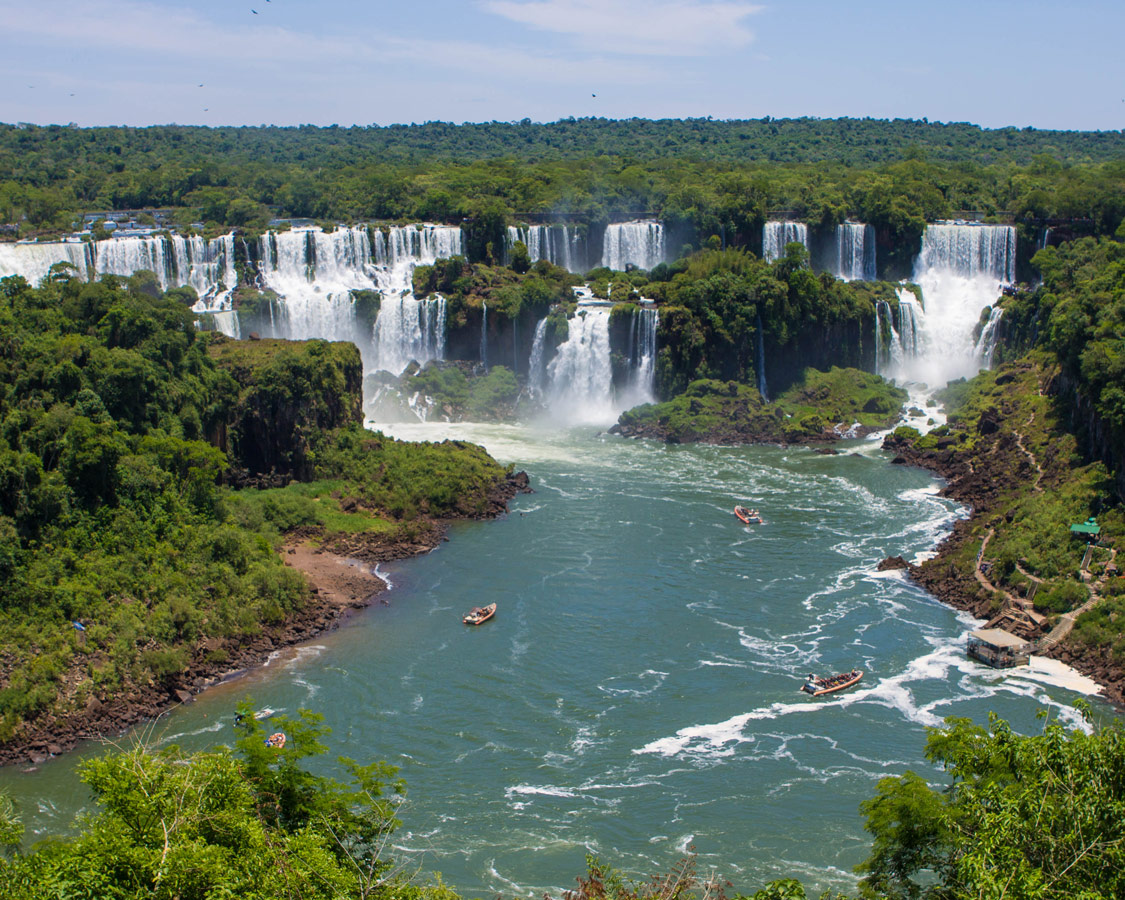
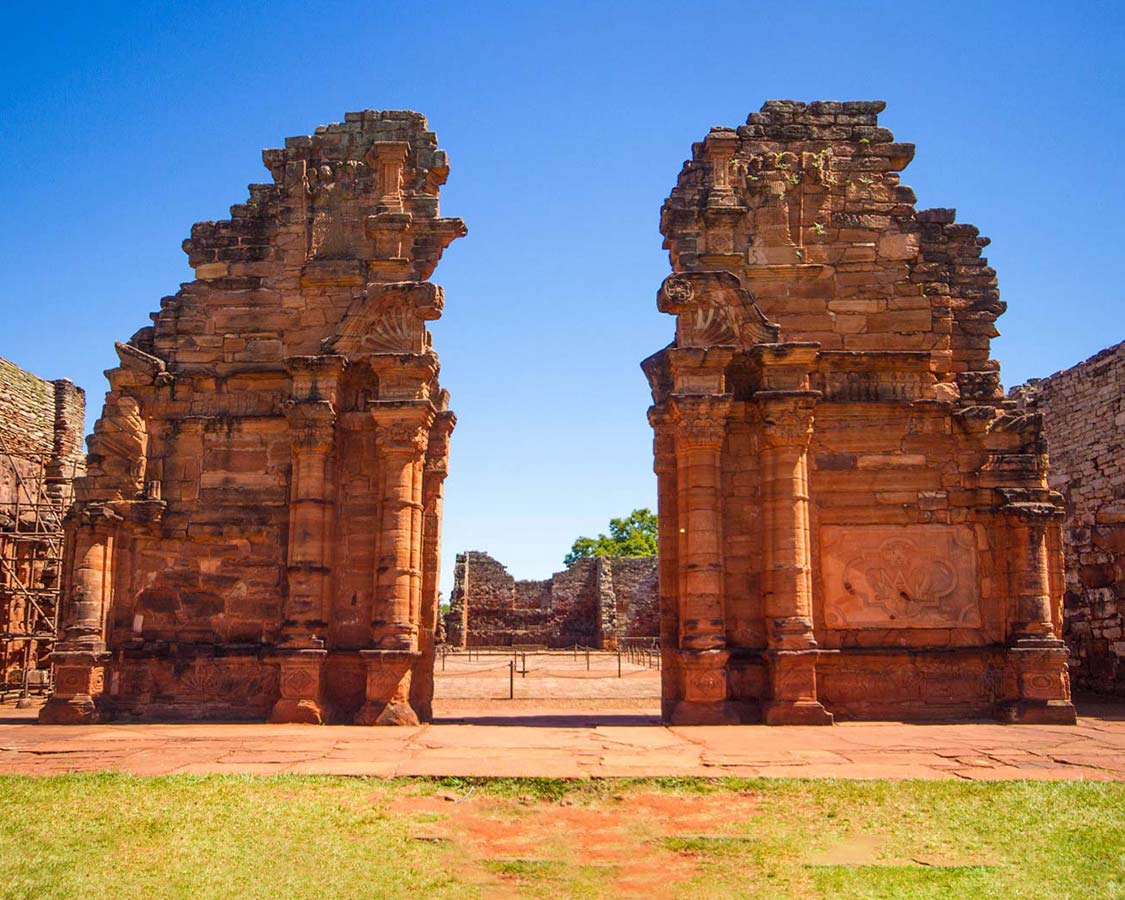
Iguazú Falls, Misiones, and the Jesuit ruins of San Ignacio can be hot, humid, and wet year-round. The general packing list covers the basics. These are the additions for the north.
- 2 to 3 lightweight long-sleeve shirts specifically for insect protection in the evenings. Light and natural colors work better than dark ones at preventing insect bites. The shirt doubles as sun protection during the Iguazu boardwalk sections that are completely exposed above the falls.
- Quick-dry clothing for everything. The spray from Iguazu Falls permeates everything before you know it. The humidity means clothes that dry slowly become a problem fast. Pack only quick-dry fabrics for the northern leg.
- A light rain poncho or packable waterproof shell for the falls. If you’ve ever traveled to Niagara Falls or Victoria Falls, you’ll know how these waterfalls produce their own weather. The Garganta del Diablo viewpoint gets you wet regardless of what you wear. A cheap poncho sold at the park entrance works and is not worth an expensive jacket. That said, a proper packable shell in your daypack handles both the fall spray and the afternoon rainstorms.
- 1 dry bag or waterproof phone case for Iguazu. Getting your phone soaked by spray from the falls is a nightmare. Put it in a waterproof bag before you get close to the Garganta del Diablo.
- Bring a permethrin clothing spray and treat your shirts and trousers before packing for the northern leg. Apply it at home, let it dry fully, then pack. Never apply to the skin.
- Bring a yellow fever vaccination certificate and carry it with your travel documents. This is required when crossing between Argentina and Brazil at Iguazu and is recommended for the subtropical north generally. Get vaccinated well in advance of travel.
Insect Protection in the North: Take It Seriously
Dengue fever is present in the Iguazu and Misiones region. It is transmitted by daytime mosquitoes, and there is no vaccine available for most travelers. Prevention through insect repellent is the only protection.
Apply repellent before any outdoor activity. Wear light or natural-colored long sleeves and long pants after dark. Bring enough repellent for the whole trip. Do not rely on buying it locally.
What Toiletries to Pack for Travel in Argentina
Bring From Home
- SPF 50+ sunscreen for the whole family and enough for the trip. Buenos Aires pharmacies are excellent. Outside the city, options get thin fast. Stock up before heading south or north.
- Insect repellent for the whole family. Bugs, especially in the north, can get intense around dusk and dawn. This is a strong DEET repellent, while this one offers good protection in a DEET-free format for children.
- Prescription medications paired with a doctor’s note for anything controlled.
- Children’s medication, such as paracetamol and ibuprofen, for fevers in brands you trust.
- Allergy medications.
- Motion sickness medication for the long drives on Patagonia’s dirt roads, whale watching tours, and the winding route down from Buenos Aires to Puerto Madryn.
- Hand sanitizer x2.
Buy in Argentina
- Shampoo, conditioner, body wash, and toothpaste in Buenos Aires. Carrefour, Disco, and Farmacity pharmacies are all well-stocked and easy to find in the city. In smaller Patagonian towns, the selection thins and prices rise. Stock up before you leave Buenos Aires.
- Basic medications. Argentine pharmacies in cities are good, and pharmacists are helpful.
Documents, Money, and Admin for Argentina Travel
- Valid passports for all family members with a minimum of 6 months’ validity beyond your travel dates.
- US dollars or euros in clean, undamaged bills in larger denominations as a backup currency alongside your credit card. Argentina’s currency situation is complex and has historically offered favorable informal exchange rates for foreign cash in certain contexts. Check the current situation before you travel, as it changes. ATMs in Buenos Aires and major cities are reliable. In rural Patagonia and between small towns, do not count on finding an ATM that works.
- A yellow fever vaccination certificate is required if your trip includes the Iguazu region. This is important when traveling between Argentina and Brazil via Iguazu and is recommended for the subtropical north. Get vaccinated well before you travel and carry the certificate with your passport.
- Domestic flight tickets, printed or on your phone. Argentine domestic carriers, including Aerolineas Argentinas and Flybondi, serve the main routes between Buenos Aires and Patagonia or Iguazu.
- Travel insurance documents, printed and digital. Medical care in Buenos Aires is good. In rural Patagonia and remote areas, it is limited. I recommend using either SafetyWing or World Nomads for travel insurance.
- Printed and digital copies of accommodation confirmations and emergency contacts.
Travel Resources For Families Visiting Argentina
For practical planning, safety considerations, and logistics, these dedicated guides provide all of the resources you need for family travel in Argentina.
Quick Reference: Clothing Quantities per Person
Based on a two-week Argentina trip covering Buenos Aires, Patagonia, and the Iguazu region in summer or autumn.
| Item | Men | Women | Teens | Kids |
| Lightweight T-shirts | 3-4 | 3-4 | 3-4 | 4-5 |
| Lightweight shirts | 2-3 | 2-3 | 2-3 | 2-3 |
| Lightweight pants | 2 | 2 | 2 | 2-3 |
| Shorts | 1-2 | 1-2 | 1-2 | 2 |
| Mid-layer Fleece | 1 | 1 | 1 | 1 |
| Dress/Skirt | — | 1-2 (optional) | 1 (optional) | 1 (optional) |
| Windproof/Waterproof shell | 1 | 1 | 1 | 1 |
| Swimsuit | 1-2 | 1-2 | 1-2 | 1-2 |
| Underwear | 7 | 7 | 7 | 8 |
| Socks | 7 | 7 | 7 | 8-9 |
Frequently Asked Questions
It depends on which part of Argentina. For Buenos Aires, March through May and September through November are the most pleasant months with mild temperatures and manageable crowds. For Patagonia wildlife, September through April covers the penguin season at Punta Tombo and the whale season at Puerto Piramides. For Iguazu Falls, the falls are most dramatic and full from November through March, but the heat and humidity are at their peak then too. May through September brings lower water but cooler, more comfortable conditions. For a multi-region trip, October and November hit the sweet spot across the whole country.
Argentina is one of the safer countries in South America for family travel. The main tourist areas of Buenos Aires, Patagonia, and Iguazu are well-traveled and generally safe. Buenos Aires requires the same awareness you would bring to any major city. Keep phones and wallets secure in crowded areas like San Telmo market and La Boca’s tourist strip. Patagonia and the natural areas are relaxed and low-risk. Check your government’s current travel advisory before travel as the economic situation in Argentina can create occasional social tensions.
Argentina uses the Argentine Peso. The currency situation in Argentina is complex and has historically involved multiple exchange rates. At the time of writing, it is worth researching the current situation before you travel, as it changes frequently. Clean, undamaged US dollars and euros in larger denominations have historically been useful across the country, particularly in rural areas where cards are not accepted. ATMs in Buenos Aires are reliable. In smaller Patagonian towns and between cities, do not rely on finding a working ATM. Withdraw what you need before leaving each major town.
A yellow fever vaccination is recommended for travelers visiting the Iguazu and Misiones region of northeastern Argentina. It is required if you plan to cross into Brazil at Iguazu Falls. Get vaccinated well in advance of travel, carry your vaccination certificate with your passport, and confirm the current requirements with a travel health clinic before you go.
Domestic flights are the most practical way to cover Argentina’s distances. Aerolineas Argentinas and Flybondi both serve the main routes. Buenos Aires to Puerto Madryn takes about two hours by air. Buenos Aires to Iguazu takes about two hours. Driving between Buenos Aires and Puerto Madryn is around 18 hours on good roads, and it works well as a self-drive Patagonia road trip if you have the time. Download offline maps before you leave any area with a reliable mobile signal.
Buenos Aires has excellent shopping, including large supermarkets, Farmacity pharmacies, and outdoor gear stores in the Palermo neighborhood. Stock up on anything you are uncertain about before leaving the capital. In Puerto Madryn, there are basic supplies and some outdoor gear. In Punta Tombo, Punta Piramides, and the wildlife sites, there is essentially nothing. In Iguazu town and Puerto Iguazu, there are tourist shops and basic pharmacies. The rule is the same as in Peru and Ecuador: buy in the big city before heading anywhere remote.
Final Word on Packing for Family Travel in Argentina
There is a penguin at Punta Tombo that does not know you exist. It has a burrow, a partner, a chick to feed, and about a million neighbors with the same agenda. When you walk along the paths through the colony, the penguins cross them constantly, going from burrow to beach and back again, and they do not adjust their route for you. One of them walked directly over Dylan’s foot and kept going without a backward glance.
That is the thing about Argentina. The wildlife is extraordinary because it genuinely does not care about the audience. The whales at Puerto Piramides surface next to your boat because there happens to be a good meal there, not because of you. The sea lions at Punta Loma investigate a diver out of curiosity, not performance. The Iguazu Falls thunder regardless of who is standing on the platform.
The families who show up with the right windproof shell for Patagonia, the right repellent for the north, the right shoes for Buenos Aires cobblestones, and the right merino layers for the coastal cold get to be fully present for all of it. The ones who do not spend the afternoon at Punta Tombo huddle behind the car because nobody packed a proper jacket.
Pack smart. Pack light. Leave room in the bag for the Malbec you are going to buy in Mendoza. You will definitely buy wine in Mendoza.
This page is updated as new regional guides and planning resources are published. Looking beyond Argentina? Explore my International Family Travel Guide.