Planning family travel to Tanzania? This complete guide covers safaris with kids, safety, costs, SIMs, packing tips, and everything parents need to know before visiting.

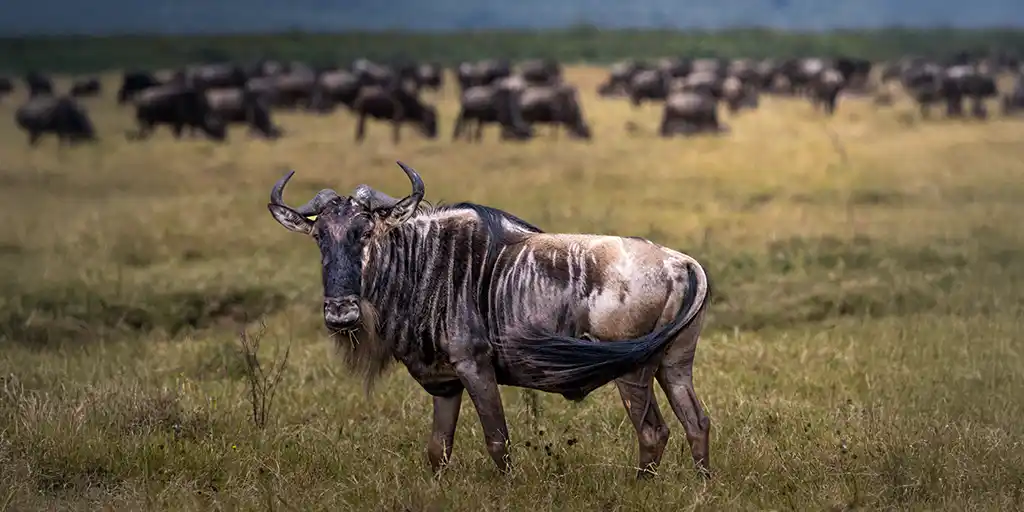
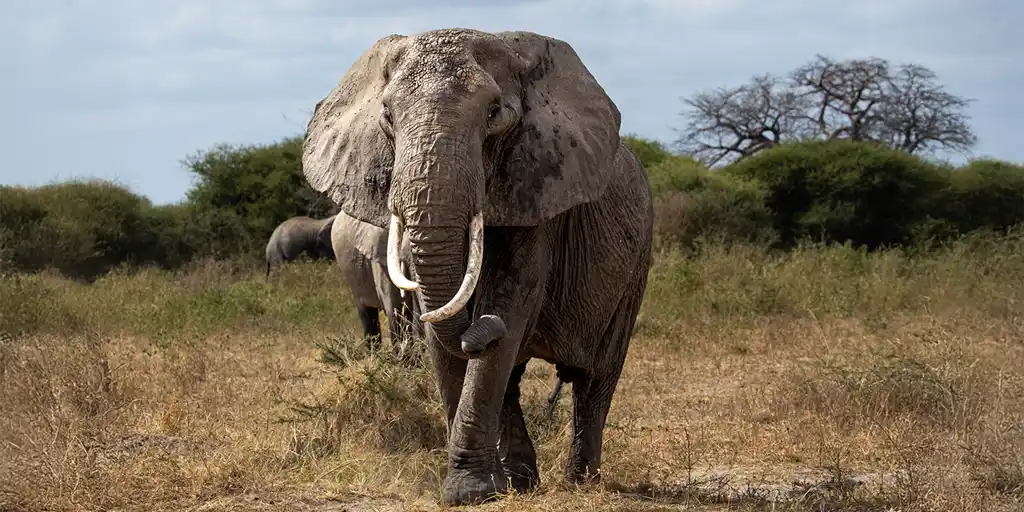
Tanzania is among the most powerful and transformative family travel destinations on Earth. This country is home to some of the most awe-inspiring wildlife experiences available to families set across some of the most epic national parks in existence.
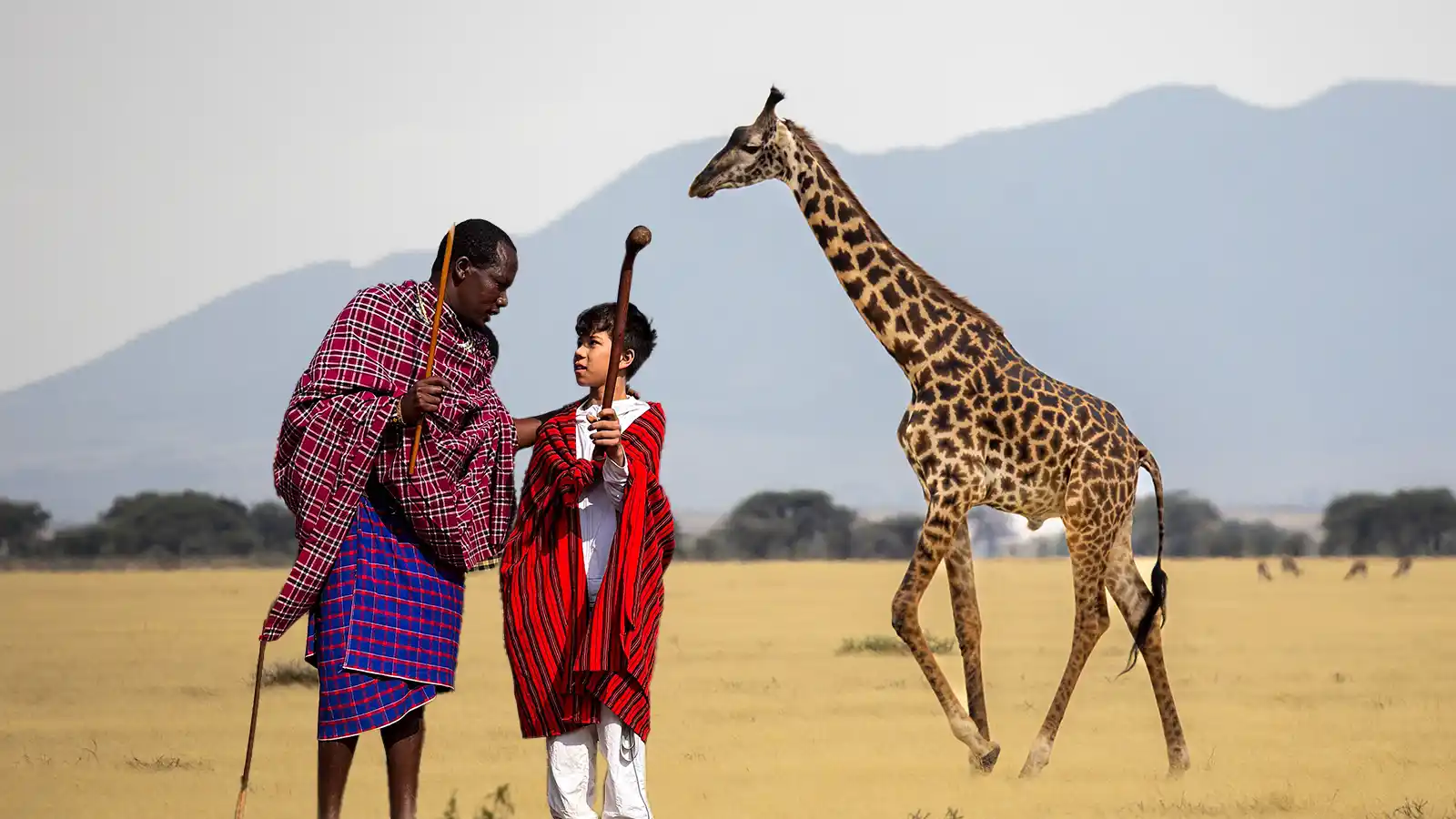
But Tanzanian travel goes beyond dramatic nature and majestic animals. This is a place steeped in culture and tradition. There are more than 120 distinct ethnic groups spread throughout the nation, including the Maasai, Bantu, Cushitic, Nilotic, and Khoisan, representing all of Africa’s major ethnic groups.
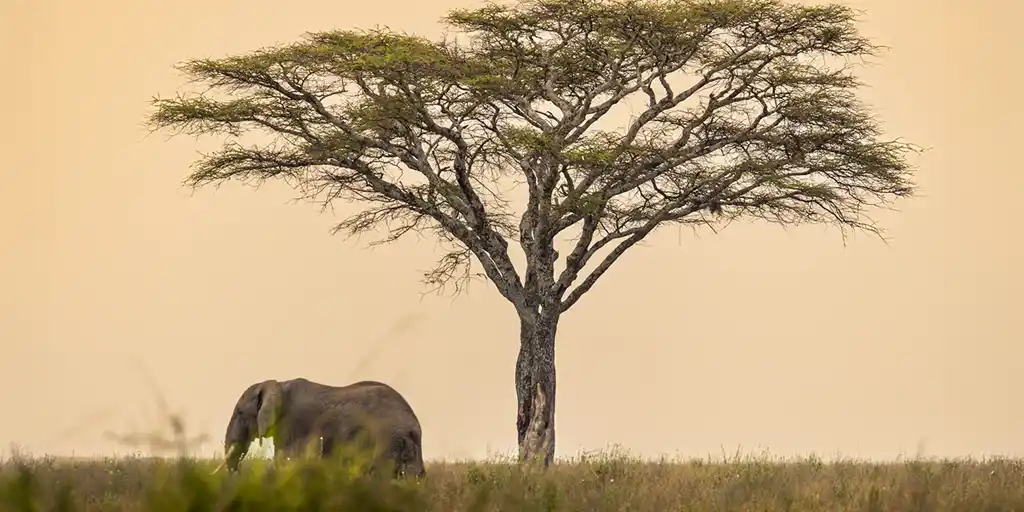
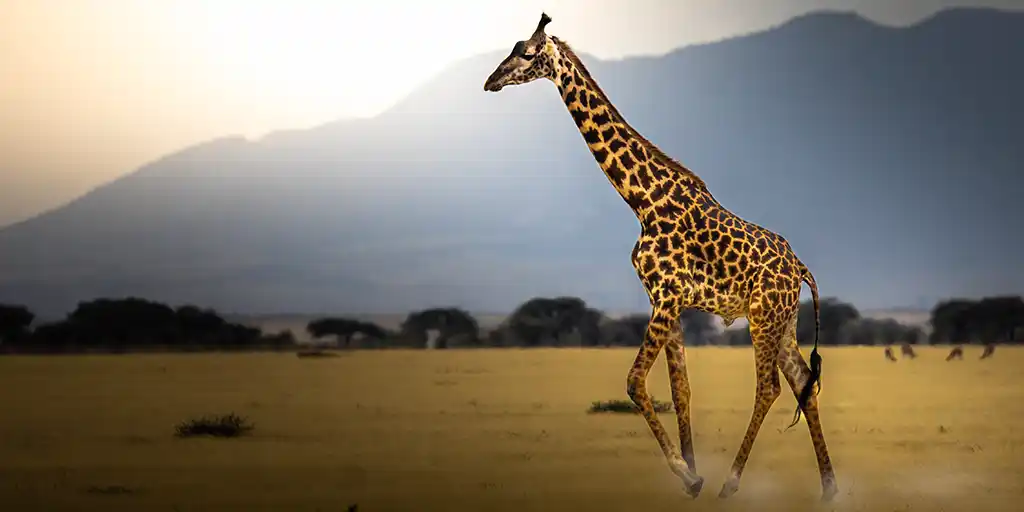
Tanzania is a place where kids can experience geography, touch history at the birthplace of humanity, gaze as herds of elephants cross rivers, and learn patience by rising before dawn to see giraffes stroll the plains at sunrise.
This guide covers everything families need to know before traveling to Tanzania with their children, from logistics and safety to language, connectivity, and what it’s really like to explore Tanzania with kids.
Why Tanzania Works So Well for Family Travel
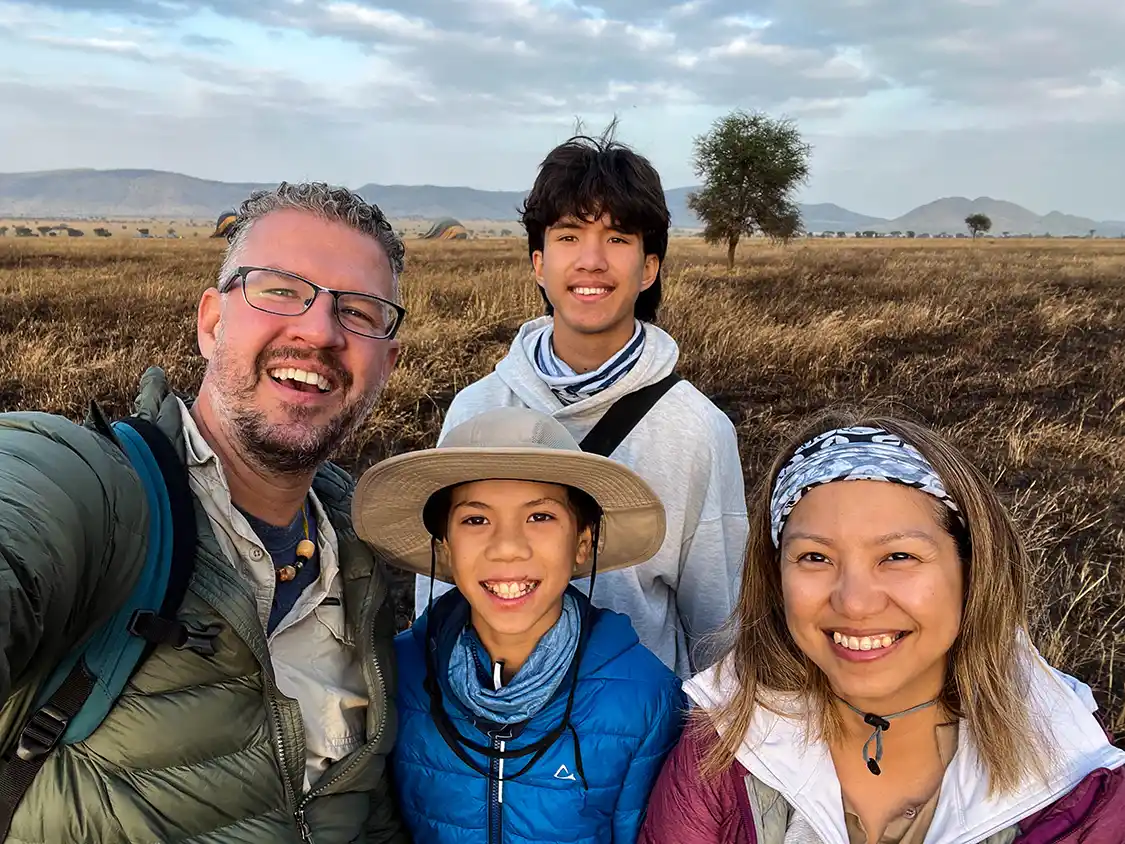
My wife, Christina, and I chose Tanzania as our first African safari destination because this country hits a rare sweet spot for families who want incredible adventure, ease of access to world-class safari parks, and ethical, immersive cultural experiences. All of this is wrapped up with well-connected airports that make traveling to Tanzania with kids relatively straightforward.
- Wildlife is the headline, but it’s not the whole story. Tanzania also delivers fascinating and unique culture, delicious food, epic landscapes, and genuinely meaningful learning moments.
- Safari infrastructure is strong, especially in the Northern Circuit—so you can go “full adventure” without sacrificing basic comfort.
- Kids engage fast. On our trip, Cohen and Dylan (14 and 11 at the time) didn’t get restless in the vehicle the way I expected. They got quieter. More observant. More curious. Tanzania has that effect on families.
If your family prefers immersive experiences over resort routines, Tanzania is the kind of place that doesn’t just entertain your kids—it inspires them and gives them a place to grow.
Tanzania at a Glance: Quick Facts for Parents

- Capital: Dodoma is Tanzania’s official capital, set on the country’s central plateau about a day’s drive from the Pacific coast. Quieter than the country’s largest city, Dar es Salaam, Dodoma acts as the nation’s political and administrative center. It’s home to government ministries and the country’s Parliament complex. The city sits in a semi-arid landscape of wide skies, baobabs, and surrounding farming villages, with a slower, more local rhythm than the safari gateways to the north. Dodoma is also a university town and a hub for Tanzania’s small but burgeoning wine industry, producing grapes in the nearby highlands. For travelers, it’s a practical stopover and a glimpse of inland Tanzania.
- Largest city & major commercial hub: Dar es Salaam is Tanzania’s largest city and main commercial hub, a sprawling coastal metropolis where Indian Ocean beaches, busy ports, and everyday Tanzanian life collide. It’s the country’s primary international gateway and a key jumping-off point for families looking for a beach getaway in Zanzibar. Life in Dar es Salaam is diverse, blending Swahili, African, Arab, and Indian influences.
- Primary safari gateway (Northern Circuit): Arusha is both a sprawling region and a major city that acts as a lively safari gateway in northern Tanzania. Arusha Town is set between coffee plantations at the base of Mount Meru, where travelers gather before heading into the Serengeti, Ngorongoro, and Tarangire. It balances everyday Tanzanian life with expedition energy, making it the country’s most important hub for Northern Circuit safaris.
- Currency: Tanzanian Shilling (TZS, often written as TSh). One US Dollar is worth about 2500 Tanzanian Shillings. You can find the exact current conversion on XE here.
- Electricity: 230V / 50Hz; outlets are typically Type D and Type G. Travelers from North America will need a travel power adapter, and it’s worth investing in a specific Type D adapter as well, as most standard travel adapters don’t include the Type D fitting.
Best Time to Visit Tanzania With Kids

If you’re looking for the best season to travel to Tanzania, your answers really depend on what kind of family trip you’re looking to experience. Different seasons in Tanzania offer vastly different travel experiences.
- Dry season (June to October, and a shorter one from January to February) is generally best for classic safaris (better road conditions, animals gather around small water sources).
- Shoulder seasons run from November to early December (start of short rains, lush green, calving) and March to May (end of green season, calving peak, fewer crowds before long rains/closures). These can be excellent if you want fewer vehicles and better value, but you’ll want a more flexible mindset around weather and spotting wildlife, as they tend to be more spread out.
For families, the key planning question isn’t just wildlife—it’s tolerance for dust, heat, and early mornings. If your kids can handle “expedition mode,” you’ll have an easier time than parents who try to force safari into a beach-vacation rhythm.
Tanzania’s Major Travel Hubs and Airports

Most Tanzania family travel itineraries start at one of the country’s three main international airports:
- Kilimanjaro International Airport (JRO) – best for Northern Circuit safaris via Arusha
- Julius Nyerere International Airport (DAR) – best for Dar es Salaam/Tanzania coastal travel connections
- Abeid Amani Karume International Airport (ZNZ) – The top hub for those seeking a beach getaway in Zanzibar.
Planning tip: If you’re planning on combining a Tanzanian safari along with a visit to Zanzibar, it’s often easiest to fly into Kilimanjaro for safari logistics, then route to Abeid Amani Karume afterward.
Currency and Payments in Tanzania
Tanzania runs on the Tanzanian Shilling (TZS / TSh). Here’s what travelers to Tanzania should know about cash and payments in the country:
- Cash is essential for tips, small purchases, markets, and quick roadside stops. Outside of large businesses, many shops, restaurants, and markets only accept cash. Cashless transactions are becoming more common at coffee shops and restaurants, but it’s good to have cash in hand just in case.
- USD is commonly used for many safari payments and higher-end travel services (especially in tourist zones), but you’ll still want shillings for daily life and souvenir purchases.
- ATMs exist, but don’t assume they’ll be convenient once you leave major towns. ATM’s are usually guarded by armed guards, and are most commonly located at banks. Plan your cash needs in Arusha, Dar es Salaam, or Stone Town for the most convenience.
- Tipping in Tanzania isn’t required, but it’s widely expected for good service—especially on safaris, where tips form an important part of income. Many families budget about $10–20 USD per day for guides, $5–10 per day for lodge staff (often via a shared tip box or envelope), $1–2 per bag for porters, and around 10% in restaurants if a service fee isn’t included. Tips are typically given in USD or Tanzanian shillings and are usually handed over at the end of your stay or trip.
Family reality: Tip moments can appear when you’re least ready for them (porters, camp staff, village visits). Carry small bills in an easy-to-reach spot so you’re not doing awkward wallet gymnastics in front of your kids.
Cell Service, SIM Cards, and the Best eSIM for Tanzania

For travelers to Tanzania who don’t want to be saddled with exorbitant roaming fees by their cell phone carriers, a physical SIM or eSIM is a must. Tanzania has several major mobile operators—Vodacom, Airtel, and Tigo are among the most common physical SIMs used by travelers. These are best purchased at the airport upon arrival from one of the company booths.
Local SIM (best value):
- Buy at the airport or official shops in Arusha/Dar/Stone Town.
- Expect registration requirements. Have a passport and a credit card ready.
eSIM (best convenience for parents):
- If you want data the moment you land (and you don’t want to stand in a SIM queue with tired kids), consider a travel eSIM provider that supports Tanzania coverage. I use Airalo eSIMs for all of my travels. I set them up before I land and have data right away when entering the country. You can pick up a Tanzanian eSIM here or, if you’re traveling to multiple countries in Africa, you can pick up a continental eSIM here.
Important expectation-setting: Once you’re on safari, connectivity ranges from “fine” to “forget it.” The upside is that kids often stop asking for Wi-Fi when there’s a lion call outside the tent or a herd of elephants crossing the road.
Driving in Tanzania: What It’s Like and Whether You Need a Guide

For families, I like to separate Tanzania into two driving realities: City and highway driving and safari driving. And they are VASTLY different.
The first thing that you need to know is that in Tanzania, they drive on the left-hand side of the road, in the same format as the United Kingdom and South Africa. This is the opposite side of the road from driving in North America.
1) City and highway driving (Arusha/Dar):
Expect heavy traffic in urban areas. Traffic flow in urban Tanzania can be very unpredictable. Motorcycles, scooters, and cars tend to follow their own unique patterns, and many people find the driving in Tanzania is a bit stressful.
2) Safari driving (parks and conservation areas):
- Doing a self-drive safari in Tanzania is a different universe from driving in urban areas. Expect rough roads, navigation complexity, wildlife etiquette rules, and unpredictable road closures, especially during the rainy season. If you opt for a self-drive safari in large parks such as Serengeti National Park, you will, very likely, get lost. Expert local guides use local radio networks to call in wildlife sightings and communicate road closures.
Should families self-drive in Tanzania?
For most families, I do not recommend opting for a self-drive safari experience, especially on your first trip to the country. A good guide doesn’t just “drive.” They:
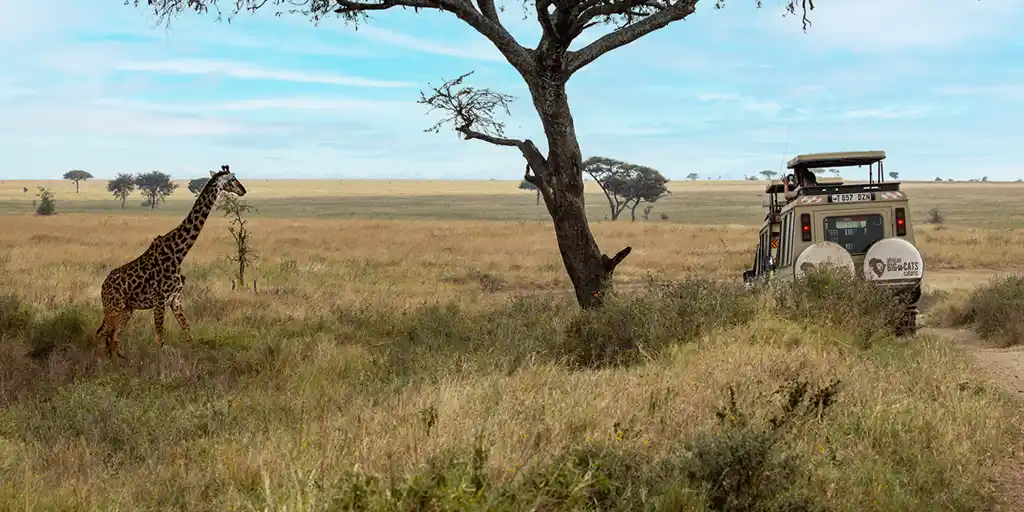
- They are experts at spotting wildlife and understanding animal behavior.
- They know the unique park and safari rules to ensure that the animals and natural settings are experienced respectfully.
- They are packed full of great information that can turn long drives into stories your whole family will remember.
- They take care of the driving and reduce risk and decision fatigue so you and your family can focus on the experience.
We embarked on safari with Luna Safari, a fantastic operation run out of Arusha. If you’re spending serious money to get your family to Tanzania, it’s rarely worth turning the core experience into a DIY stress test.
Family Travel Safety in Tanzania for Families

Tanzania is a widely visited destination and one of the most popular countries to embark on safari with kids. That being said, parents should plan with their eyes open and acknowledge the current government travel advisories, paired with suggestions from local travel communities and expert advice.
- Canada’s travel advisory includes regional guidance and recommends caution, particularly around demonstrations and specific border areas.
- The U.S. travel advisory notes concerns, including unrest/crime, and recommends reconsidering travel (and reading area-specific guidance).
- The UK FCDO highlights regional risks (including parts near the Mozambique border) and notes crime risks in certain areas.
Family travel safety practices that actually matter:
- Use reputable drivers/guides and avoid driving at night.
- In cities: keep phones tucked away, use hotel-arranged taxis, and avoid isolated beaches/roads after dark.
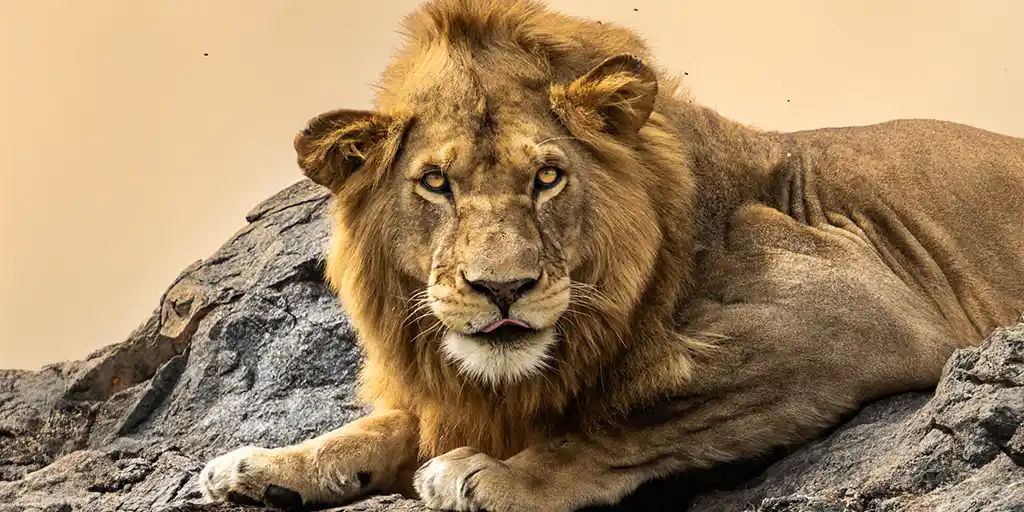
- In parks/camps: follow lodge rules (they exist for a reason), and don’t wander outside your tent at night without a guide (we had lions outside our tent during the night while on safari in Serengeti National Park).
Safari areas are generally structured and controlled—urban common sense is where most family risk management lives.
Health Prep for Tanzania With Kids

When it comes to staying healthy while traveling in Tanzania, this is where parents should be thorough:
- Book a travel clinic appointment early for vaccine/medication planning. Rather than travel doctors, we tend to use the Canadian travel health recommendations and consult with our family physician before we travel.
- Malaria prevention is commonly recommended. Plan with a health professional based on your exact route.
- Travel insurance is non-negotiable for remote regions. World Nomads is one of my favorite family travel insurance companies.
Pack a compact travel health care kit that includes motion sickness support (for long drives), rehydration salts, antiseptic wipes, bandages, and whatever your kids always need. This kit has everything that we take with us on most trips.
What to Pack for Family Travel in Tanzania
A Tanzania safari packing list for families is mostly about comfort in the vehicle and managing temperature swings:
- Light layers (cold dawns, hot afternoons)
- Closed-toe shoes
- Sun protection (hat + sunscreen)
- Buff/neck gaiter for dust
- A good pair of Binoculars (kids love having their own)
- Camera gear (and a plan for sharing it)
On our trip, the long lens basically became a rotating family heirloom. The kids learned photography fast because Tanzania gives you a reason to look closely.
Language in Tanzania: Helpful Swahili Words for Families

The main spoken language in Tanzania is Swahili, but there are many dialects and local languages spoken, especially among the tribal communities. English is widely used in the areas popular for tourism, but a few Swahili basics go a long way towards breaking down communication barriers, especially with kids.
Useful Swahili words:
- Jambo / Mambo – Hello (casual greeting)
- Asante – Thank you
- Tafadhali – Please
- Karibu – Welcome / You’re welcome
- Pole pole – Slowly / take it easy
- Ndiyo / Hapana – Yes / No
- Choo – Bathroom/toilet
- Maji – Water
Parent tip: teach your kids Asante and Tafadhali before you go. It’s a small thing that signals respect to the local community in a big way.
What Is Tanzania’s Northern Circuit Safari?

If your family is coming for a safari, the Northern Circuit is the most popular safari route in Tanzania. This collection of conservation areas and national parks anchored around the town of Arusha and connecting some of Tanzania’s most famous parks commonly includes:
- Tarangire National Park
- Lake Manyara National Park
- Ngorongoro Crater Conservation Area
- Serengeti National Park.
For families, this circuit works because:
- Driving legs are manageable (with smart planning)
- Wildlife density is high (kids aren’t waiting all day for one sighting)
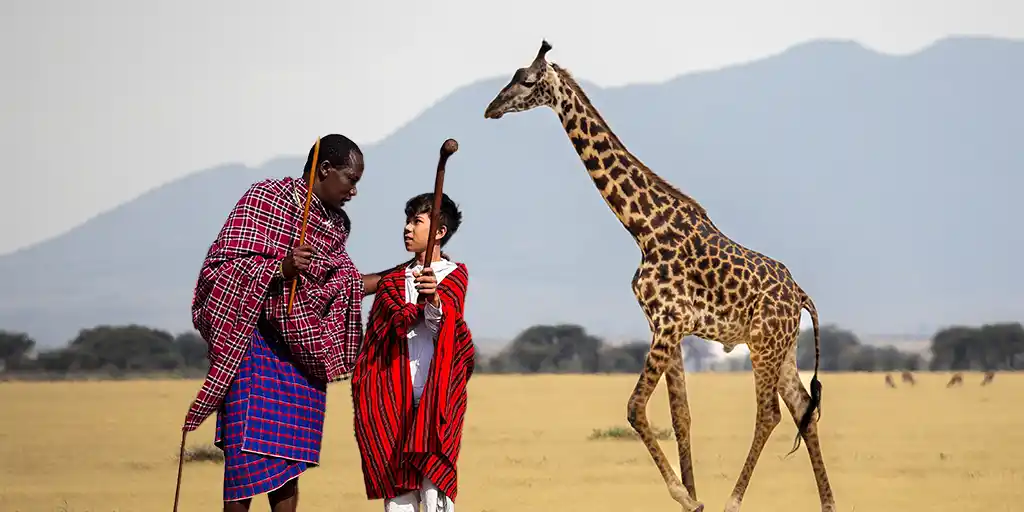
- Culture can be layered in (Maasai villages, local markets, museums)
It’s the route that turns a week into a lifetime of dinner-table stories. You can read about our journey along the Northern Circuit in Tanzania here.
Explore Our Tanzania Family Travel Articles and Videos
This page is the hub for everything we’ve published about Tanzania, including our family safari itinerary, park-by-park guides, videos, and planning tips.
- Start Here: Our 7-Day Tanzania Itinerary for Families
- Watch: Our Tanzania Family Safari Video on YouTube
- Plan More: Safari Packing List for Families