Traveling in Tanzania with kids doesn’t have to be overwhelming. Everything your family needs: visas, safari planning, safety, packing, and where to go first.
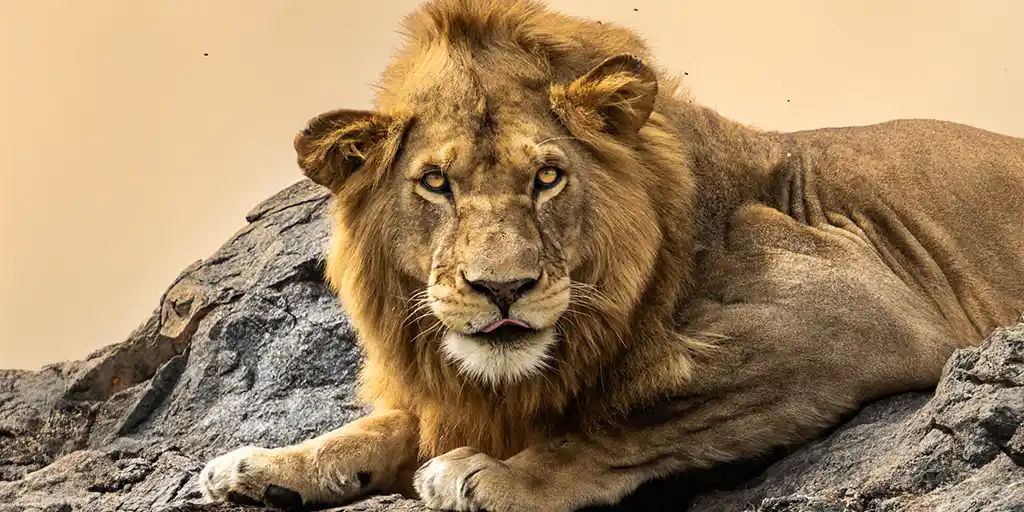
It was around two in the morning when the grunting started. Low, deep, and rough, coming from somewhere just outside the canvas wall of our tent in the Serengeti. Close enough that we could feel it in our chests more than hear it. Christina looked at me in the dark with an expression that said, “Maybe you should check that out.” I returned one that said, “Not a chance.” We had assumed the noise on that first night was baboons. In the morning, we were corrected. It was lions.
That is Tanzania in a nutshell. It doesn’t ease you in gently. It drops you straight into the wild and dares you to pay attention. My family has been chasing the world’s great wildlife experiences for more than a decade, across more than 40 countries, and we chose Tanzania as our family’s first African safari because we wanted something unfiltered. No glass. No barriers. No trainers hovering at the edge of the frame. Just wildlife living as it always has, in spaces so vast they make you rethink your understanding of the word big. Tanzania delivered all of that, and a great deal more.
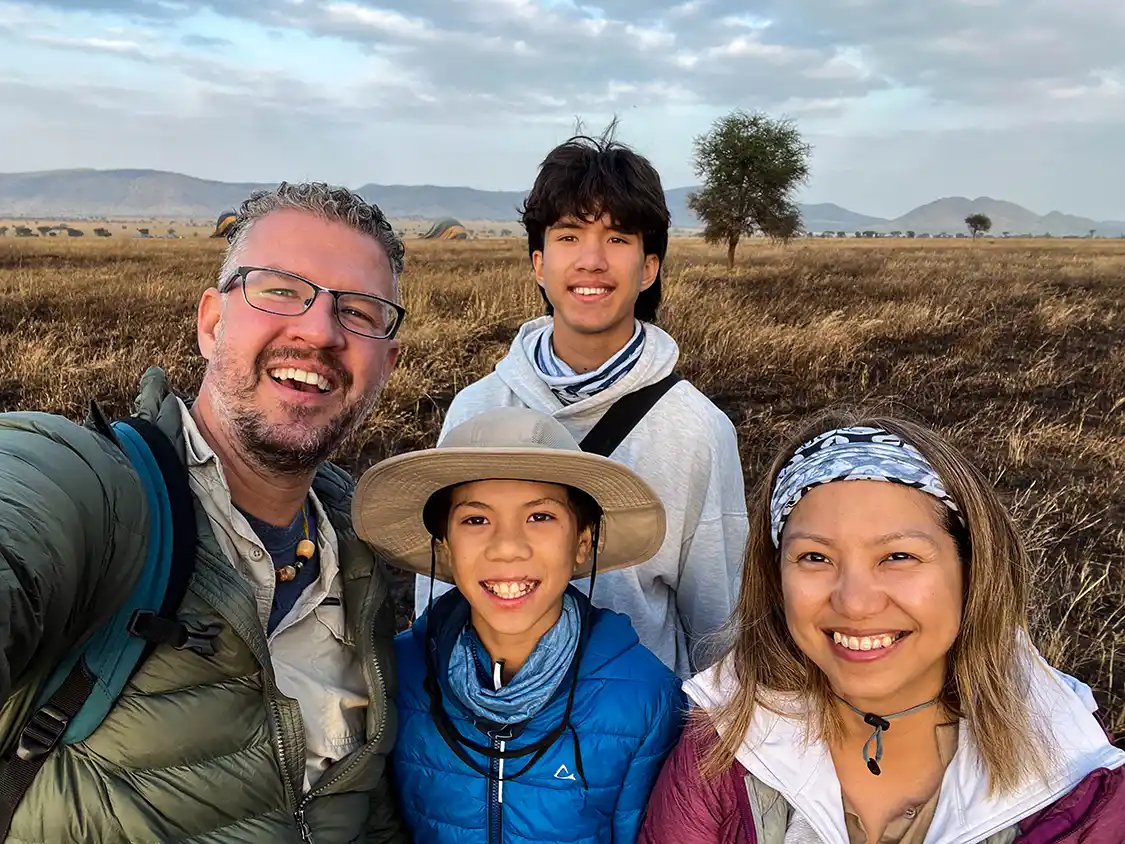
My wife, Christina, and I spent a week on safari through the Northern Circuit with our boys, Cohen and Dylan, moving through Tarangire National Park, the Ngorongoro Conservation Area, the Serengeti National Park, and Lake Manyara National Park, with the safari capital of Arusha bookending the trip. This guide is built from that experience and broadened to cover the whole country, from the famous Northern Circuit to the wild southern parks, the remote west, and the spice-scented beaches of Zanzibar.
Here is what you actually need to know before you travel to Tanzania with kids.
At a Glance: Quick Facts for Family Travel in Tanzania
🗣 Language: Swahili and English (both official). English is widely spoken in tourism, hotels, and on safari.
💰 Currency: Tanzanian Shilling (TZS). USD is widely used for park fees, tips, and safari payments; carry both.
🔌 Power Adapter: Type D and G. 230V/50Hz. North American and European travelers need a travel power adapter, and a Type D specifically.
🚗 Driving: Left-hand side. Self-driving is possible, but most families travel by guided safari vehicle or domestic charter.
🆘 Emergency: 112 (general) | 911 also works | Confirm your lodge’s and operator’s direct contacts on arrival.
💧 Tap Water: Not safe to drink anywhere. Bottled and filtered water is widely available. Be cautious with ice in rural areas.
🦁 Getting Around: Domestic charter flights link the parks; guided 4×4 safari is the standard. Self-driving is not advised for first-timers.
Do You Need a Visa to Visit Tanzania?
Most nationalities require a visa to enter Tanzania, including citizens of the United States, Canada, the United Kingdom, and Australia. The good news is that the process is straightforward and handled online.
Apply in advance through the official Tanzania e-visa portal, print your approval, and carry it with your passport. Visa-on-arrival exists at major airports, but the queues after a long-haul flight with tired kids are exactly the kind of thing you want to skip. Do it at home and save yourself the time and frustration.
Your passport must be valid for at least six months beyond your date of entry and must have blank pages for stamps. US citizens are typically issued a multiple-entry visa, while most other nationalities receive a single-entry tourist visa. Check your specific situation on the official portal rather than a third-party site that charges a premium for the same form.
A yellow fever vaccination certificate is required if you are arriving from, or have transited through, a country with risk of yellow fever transmission. This catches families out when they route through certain African or South American hubs. Requirements are checked on entry, so carry the physical yellow card with your passport.
If you are traveling as a solo parent or non-biological guardian, carry notarized proof of guardianship and copies of birth certificates for all children. Officers do not always ask. The ones who do will not accept that you left the paperwork at home.
Getting Connected: Mobile and Data in Tanzania
Tanzania’s major towns and cities have solid mobile coverage. Arusha, Dar es Salaam, and Stone Town all run reliable 4G, and most lodges and camps offer WiFi, though the quality drops sharply the deeper into the bush you go. Inside the national parks themselves, coverage is limited to nonexistent, and that is one of the best parts of the experience, at least in my opinion.
If your phone supports eSIM, install one before you leave home. I use the Airalo eSIM app and load an Africa regional plan, which activates the moment you land and covers Arusha and the larger towns without the need to hunt for a SIM at the airport after a long flight.
For the strongest possible coverage, a local SIM from a Tanzanian carrier such as Vodacom, Airtel, or Halotel will outperform an international eSIM in most rural areas. These are available at the airport and in major towns and cities, such as Arusha.
HEADS UP: Tanzanian National Parks Are a Digital Detox
Cellular coverage inside the Serengeti, Ngorongoro, Tarangire, and the remote southern and western parks ranges from patchy to completely absent. There is no reliable signal across most of a safari day, and the camps that have WiFi are often slow and weather-dependent.
Let your family (especially the teenagers) know before you go. On our trip, the boys stopped asking about WiFi within twelve hours and forgot they owned phones within forty-eight. The Serengeti gives you far more to look at than your Instagram feed ever will.
Getting Around Tanzania with Kids
Tanzania is an enormous country, and the way you move between regions shapes the entire trip. Most families combine two or three modes: an international arrival, domestic flights or long road transfers between regions, and a guided 4×4 within the parks. Here is how each piece works.
Arriving in Tanzania
Most Tanzanian family travel itineraries begin at one of three international airports. Kilimanjaro International Airport (JRO) is the gateway to Arusha and the entire Northern Circuit, and is where most first-time safari families land.
Julius Nyerere International Airport (DAR) in Dar es Salaam serves the coast and the southern parks. Abeid Amani Karume International Airport (ZNZ) on Zanzibar is the hub for the islands. If you are combining a Northern Circuit safari with a Zanzibar beach stay, the cleanest routing is usually to fly into Kilimanjaro first and out through Zanzibar at the end.
Domestic Flights Between Parks
For Tanzania itineraries that cover multiple parks, especially anything that links the Northern Circuit to the southern or western parks, internal charter flights are the best approach. Small aircraft connect the bush airstrips on carriers like Auric Air, Coastal Aviation, and Regional Air.
A flight that takes 90 minutes can replace a full day of corrugated gravel road, which matters enormously with younger children. The trade-off is strict, though. Luggage limits and soft-sided bag requirements are much tighter on these flights than with large national airlines. Confirm the weight allowance with your operator before you pack, because they enforce it.
Guided Safari and Drivers
Here is the single most important decision you will make for a family safari in Tanzania: choose an experienced guide and a reputable operator. It affects everything from wildlife safety to family travel logistics to whether you actually see the animals you traveled so far to see. A great guide is the difference between a good day on the crater floor and an unforgettable one.
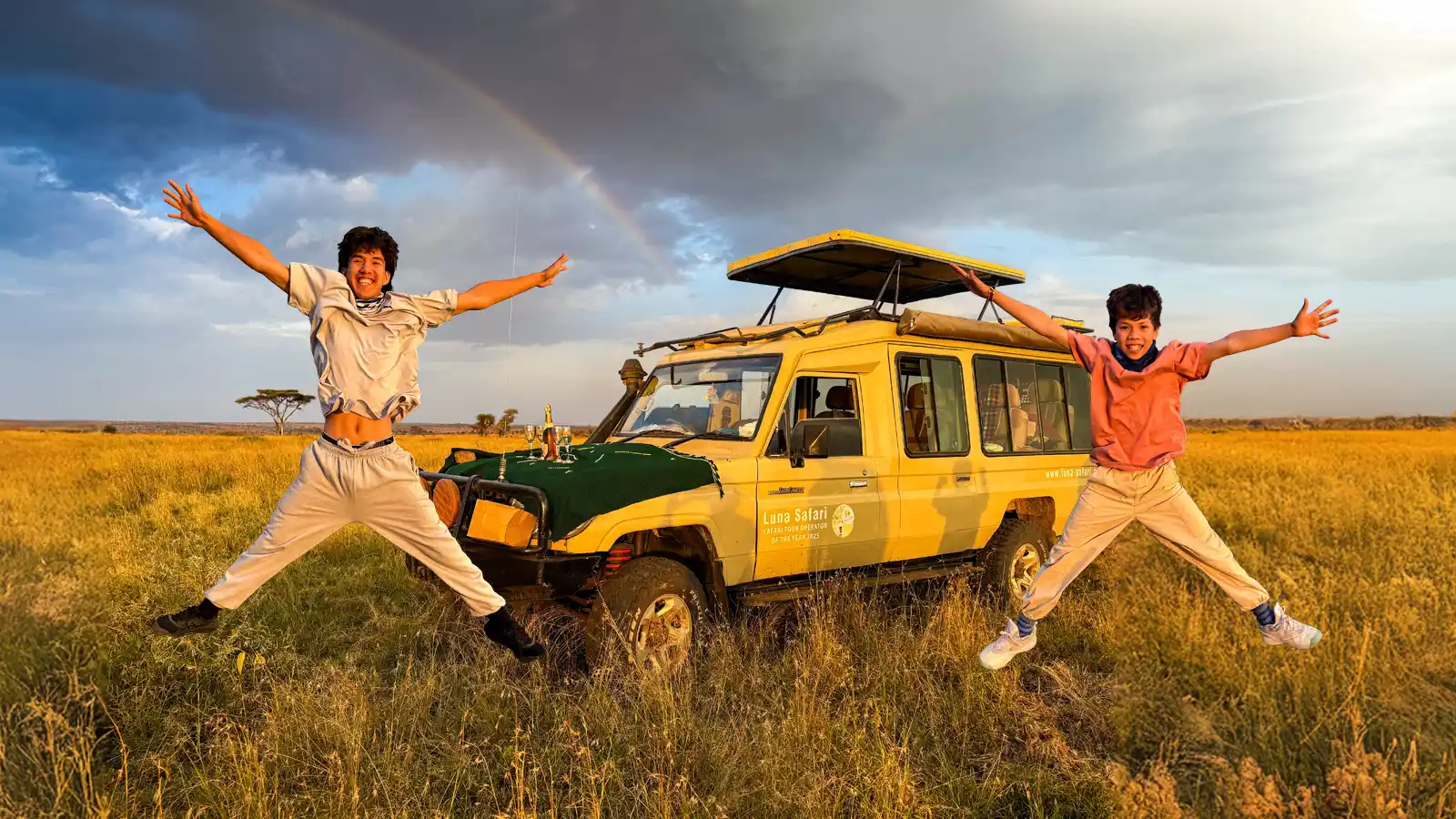
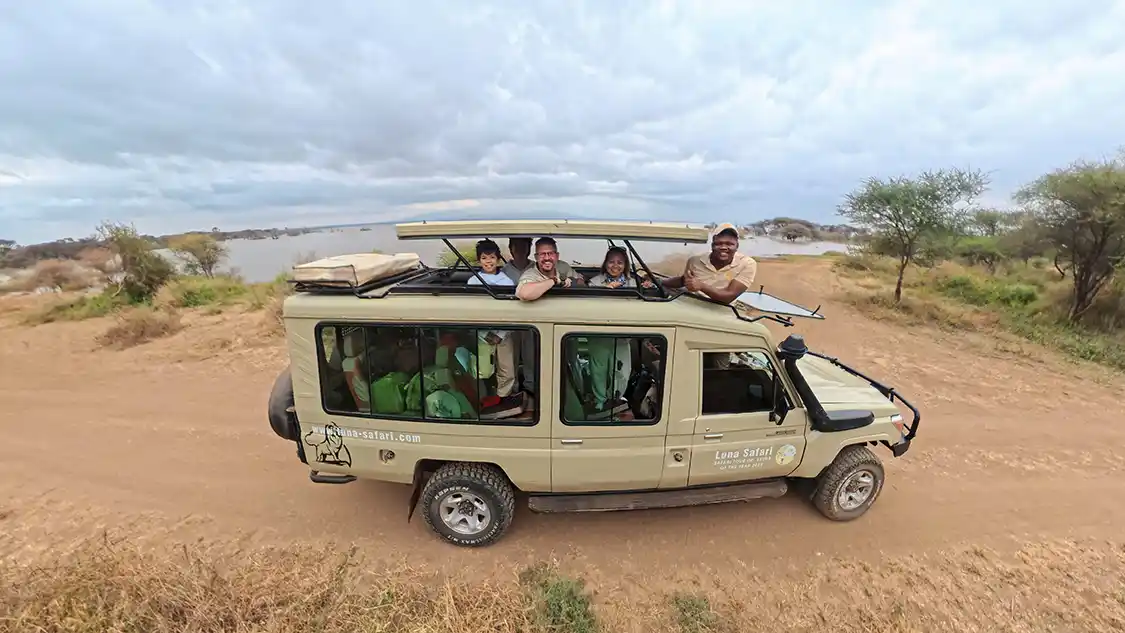
Our guide, Omary, from local operator Luna Safari, knew exactly which dirt tracks led to the river crossings where the wildlife concentrated. He worked a radio network that independent visitors simply cannot access, sharing sightings with other guides across the park. It was that network that delivered our only leopard, spotted at last light after we had nearly given up.
By the end of our first day, Omary felt less like a guide and more like part of the family. A few months after we got home, he and his wife named their newborn son Dylan, after our youngest. That is the kind of connection a great guide builds.
A self-drive safari is technically possible but genuinely inadvisable for first-time travelers to Tanzania. The parks are vast, the wildlife requires knowing where and when to look, and without the guide radio network, you will drive past far more than you find. Hire the guide. It is worth every penny.
Getting Around Towns and Cities in Tanzania
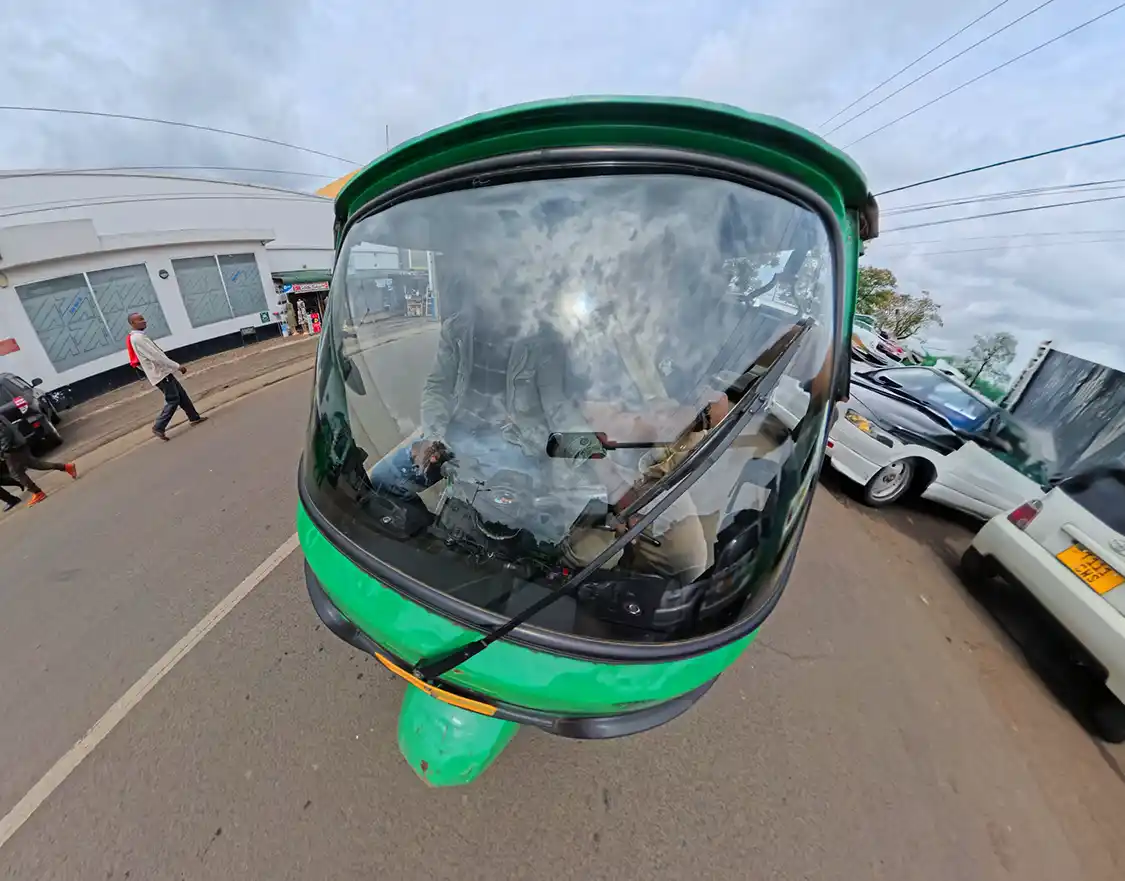
In Arusha, Dar es Salaam, and the other cities, getting around is a mix of taxis, ride-hailing apps in the larger centers, three-wheeled tuk-tuks (called bajaji), and the chaotic, colorful local minibusses known as dala-dalas. For families, a pre-arranged taxi or a tuk-tuk ride through Arusha Town is both practical and a small adventure in itself. Make sure to agree on the fare before you climb in.
PRO TIP: Build in a Buffer for Road Days
Road transfers between Northern Circuit parks are scenic but slow-moving. The roads are corrugated gravel, and journey times are significant. Pack neck pillows, download audiobooks, and offline entertainment before you lose signal, and simply accept that everyone will be wearing a fine film of red dust by the end of the day.
Fighting the dust is futile and also misses the point. It washes off. The memory of an elephant herd crossing the track three feet from your window does not.
Language in Tanzania
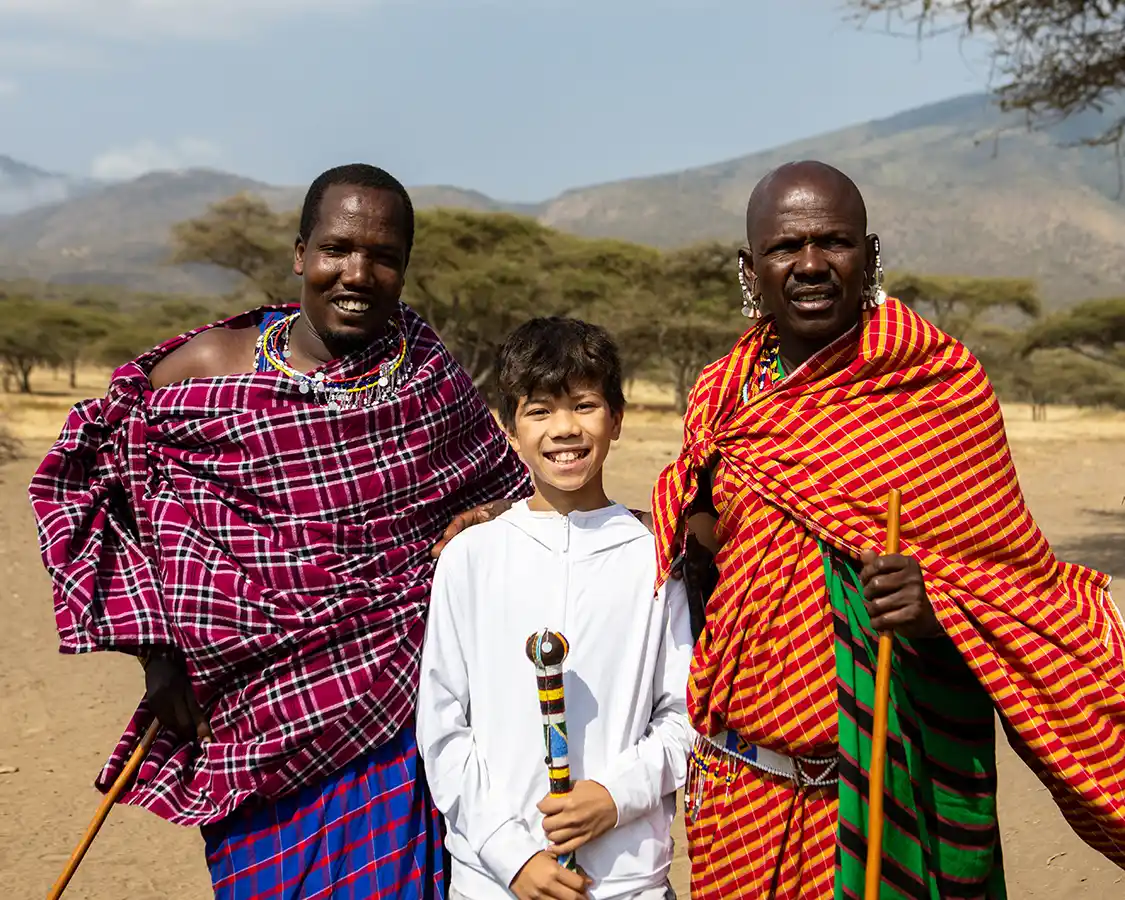
Tanzania has two official languages: Swahili (Kiswahili) and English. Swahili is the national language and the thread that ties together a country of more than 120 unique ethnic groups. English is taught in school and widely used in tourism, in hotels, on safari, and in business, which means most families can travel the main routes comfortably without a word of Swahili. But learning a few words transforms your interactions, and Tanzanians light up when visitors make the effort.
Your kids almost certainly already know some Swahili without realizing it. “Hakuna matata,” made famous by The Lion King, actually does mean “no worries” and is used in real life. Simba means lion. Rafiki means friend. Pointing this out to children turns a language lesson into a treasure hunt, and they will start collecting words on their own.
One of the terms you’re bound to hear frequently while traveling in Tanzania is “Pole pole” (pronounced po-lay po-lay). In Swahili, repeating the word acts as an intensifier, translating directly to “slowly, slowly”. It is more than a pace; it is a cultural mindset of patience, staying calm, and enjoying the journey. “Pole pole ndiyo mwendo”: Meaning “slowly is the way to go” or “slow and steady wins the race”.
Phrase | Swahili | Pronounciation |
|---|---|---|
Hello | Jambo / Habari | JAM-bo / hah-BAH-ree |
Welcome | Karibu | kah-REE-boo |
Thank you | Asante | ah-SAHN-teh |
Please | Tafadhali | tah-fah-DAH-lee |
Where is…? | …iko wapi? | EE-koh WAH-pee |
How much? | Bei gani? | bay GAH-nee |
My child is sick | Mtoto wangu ni mgonjwa | m-TOH-toh WAHN-goo nee m-GOHN-jwah |
Help! | Saidia! | sah-ee-DEE-ah |
Bathroom | Choo | CHOH-oh |
Yes / No | Ndiyo / Hapana | n-DEE-yoh / hah-PAH-nah |
What Power Adapter Do You Need for Travel in Tanzania?
Tanzania uses Type D and Type G sockets running at 230V/50Hz. Type G is the same three-rectangular-pin plug used in the United Kingdom. Type D is an older three-round-pin Indian standard, and here is the catch that trips families up: most standard universal travel adapters do not include the Type D fitting. It is worth packing a dedicated Type D adapter alongside your traditional universal power adapter, particularly for older lodges and camps.
North American travelers (110V/60Hz) need both a plug adapter and confirmation that their devices are dual-voltage. Check the label on your charger. Most modern phones, tablets, and laptops state 100 to 240V and handle the difference automatically. A multi-port USB hub earns its place on safari because charging points at remote camps are limited, and a vehicle full of cameras and phones drains batteries fast.
Family Safety in Tanzania
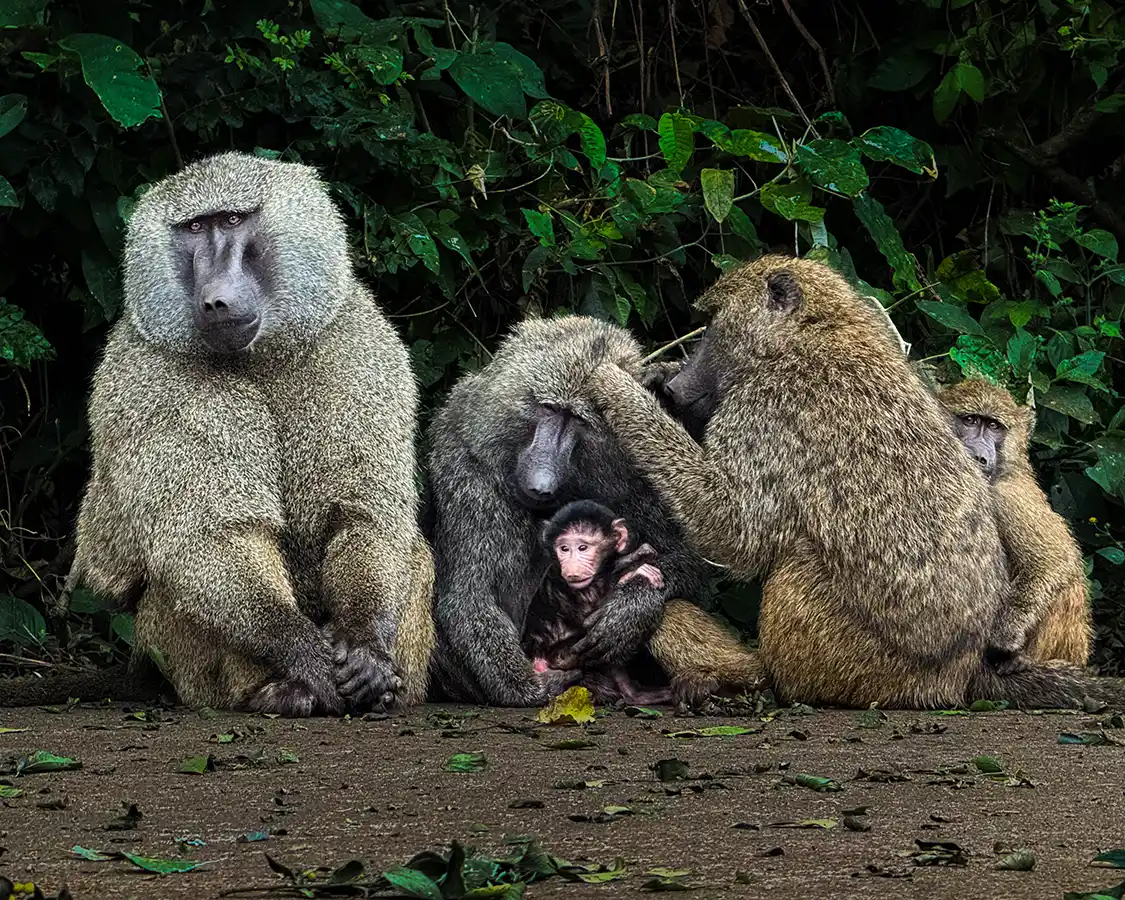
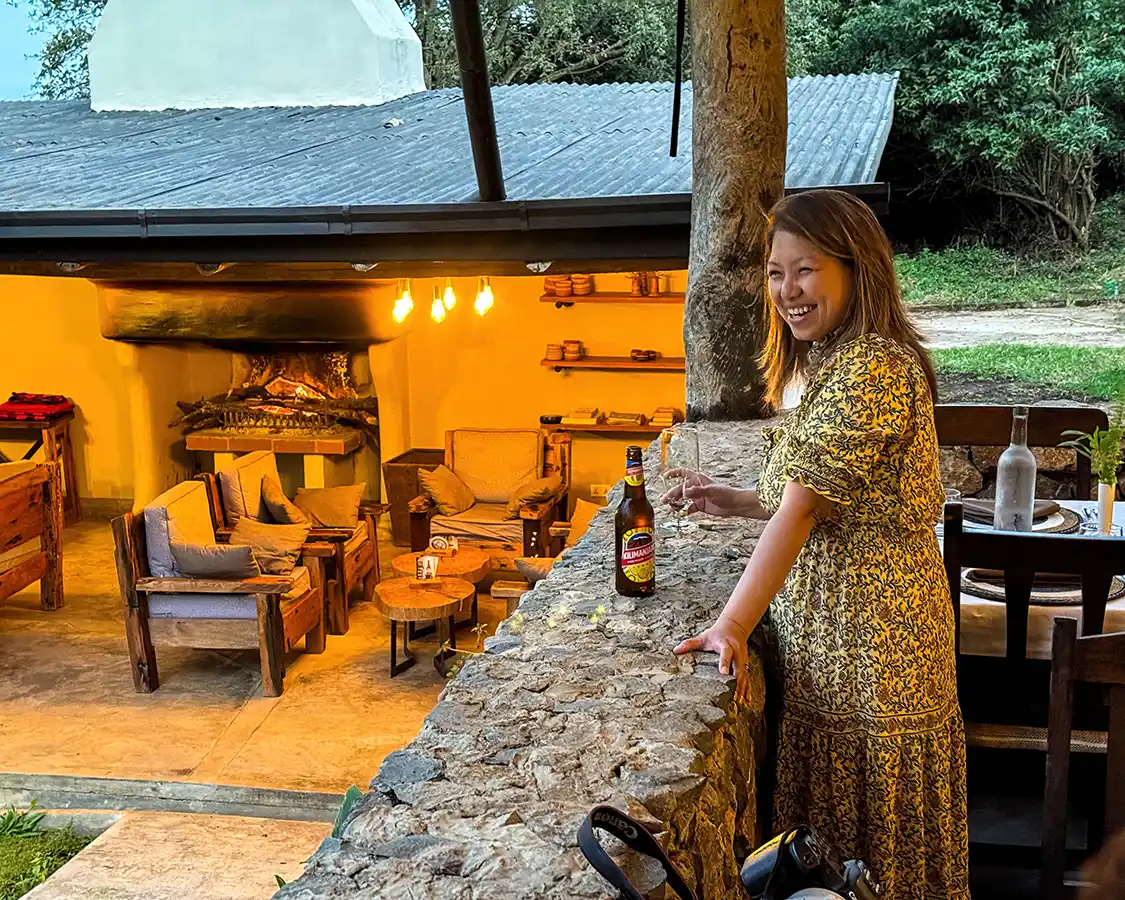
Tanzania is a well-organized and welcoming destination for families who do their research before they arrive. The country is politically stable, and the safari regions in particular are set up around visitor safety. Game drives happen from inside secured vehicles, and reputable operators and lodges have well-established protocols, including firm rules about staying inside your tent at night while within unfenced camps. Those rules exist for good reasons, like the lion grunts that Christina and I heard from inside our Serengeti safari camp. Follow them, and the risk that keeps parents awake at night is far smaller than they imagine.
In the cities, standard urban common sense applies. Keep valuables out of sight in Arusha, Dar es Salaam, and Stone Town, avoid displaying expensive cameras and jewelry in crowded markets, and use pre-arranged transport at night rather than hailing a vehicle off the street. Petty theft, non-violent crime, is the realistic concern, and it is the same conversation you would have before visiting any major city across the world.
Check your Government’s Current Travel Advisory Before you Book. Your Trip
Most of Tanzania, including the entire safari and coastal tourist circuit, presents no meaningful security concern for families. Read past the headline and note any region-specific guidance.
Travel Safety in Tanzania: It Is Not the Lions
The thing that actually catches families off guard in Tanzania has nothing to do with large predators like lions and leopards. It is the smaller, duller risks: mosquitoes, sun, dehydration, and motion sickness.
Malaria is present across much of the country. Antimalarial medication, mosquito repellent, and covering up at dusk matter far more to your family’s safety than any big cat ever will. The equatorial sun on the open plains and the Ngorongoro crater floor is relentless, with no shade for hours at a stretch. Dehydration sneaks up on kids fast on a long, hot game drive.
Respect the mosquitoes, the sun, and the water, and you have handled the genuine risks. The lions outside the tent are, as it turns out, the least of your worries.
Health and Vaccination Requirements for Family Travel in Tanzania
Make sure to see a travel health clinic or your family doctor well before departure, and leave plenty of lead time. Some vaccines require multiple doses spread over weeks, and antimalarial medication often needs to be started before you travel. Here is what is typically discussed for family travel in Tanzania, though your clinic will tailor it to your family:
- Routine vaccinations: MMR, DTaP, polio. Keep the whole family current.
- Yellow fever: Required documentation if arriving from or transiting a country with yellow fever risk. Get it at least 10 days before travel and carry the yellow card.
- Hepatitis A and Typhoid: Both food and water-borne, and both commonly recommended for travel in Tanzania.
- Malaria: Risk is present across much of the country, including the safari regions. Discuss prophylaxis with your doctor, and start it on the schedule they prescribe.
- Hepatitis B and others: Often recommended for longer or more adventurous trips. Your clinic will advise.
Tap water is not safe to drink anywhere in Tanzania. Bottled water is inexpensive and available everywhere, and a filtered water bottle reduces plastic waste while keeping a family hydrated through long, hot game drives. Be cautious with ice and raw salads at smaller establishments and rural stops.
Medical facilities are good in Arusha and Dar es Salaam, but become progressively more limited as you move into the parks and remote regions of the country.
Travel insurance that includes emergency medical evacuation is not optional on a trip that ventures into the bush. Evacuation from a remote airstrip is enormously expensive without it, and it is something you buy before you need it. I typically book travel insurance with either Safetywing or World Nomads before big trips like this. Traveling without insurance is not recommended
Pack a proper family medical kit with children’s pain relief, antihistamines, oral rehydration salts, high-SPF sunscreen, DEET-based insect repellent, anti-nausea medication, and any prescription medicines in generous supply. Buy toiletries and top up basics in Arusha before heading into the parks, where options disappear entirely until you return. You can read my full guide to staying healthy while traveling here.
Regions of Tanzania: What Families Need to Know
Tanzania organizes neatly into a few distinct travel regions, each with its own character and its own logic. Here is how to think about them when planning a family trip to Tanzania. You can read my full guide to the best places to visit in Tanzania for families here.
Arusha: The Safari Gateway
Most families arrive in Arusha, sleep, and bolt for the parks as fast as possible. I understand the impulse to get out and into the bush. Everyone wants to get to the animals as fast as possible. But skipping Arusha is a missed opportunity.
The city sits at the base of Mount Meru, ringed by coffee and banana plantations, and it offers a window into everyday Tanzanian life just outside the safari bubble. We started our trip on a working coffee farm, and after safaris, coffee is what drives local life here.
The markets, the Maasai Market, the Natural History Museum with its casts of the Olduvai footprints, and the genuinely good Arusha National Park just outside town, where walking safaris with armed rangers put you on the ground among giraffes, and Mount Meru looms overhead, all reward a day of your time before the dust of the parks.
You can read my full guide to visiting Arusha here.
The Northern Circuit
This is the Tanzania of the postcards and the David Attenborough documentaries, and it is the logical starting point for most first-time safari families. Four parks, each with a distinct personality, sit within an accessible loop from Arusha, and together they make a case for being the greatest safari region on earth.
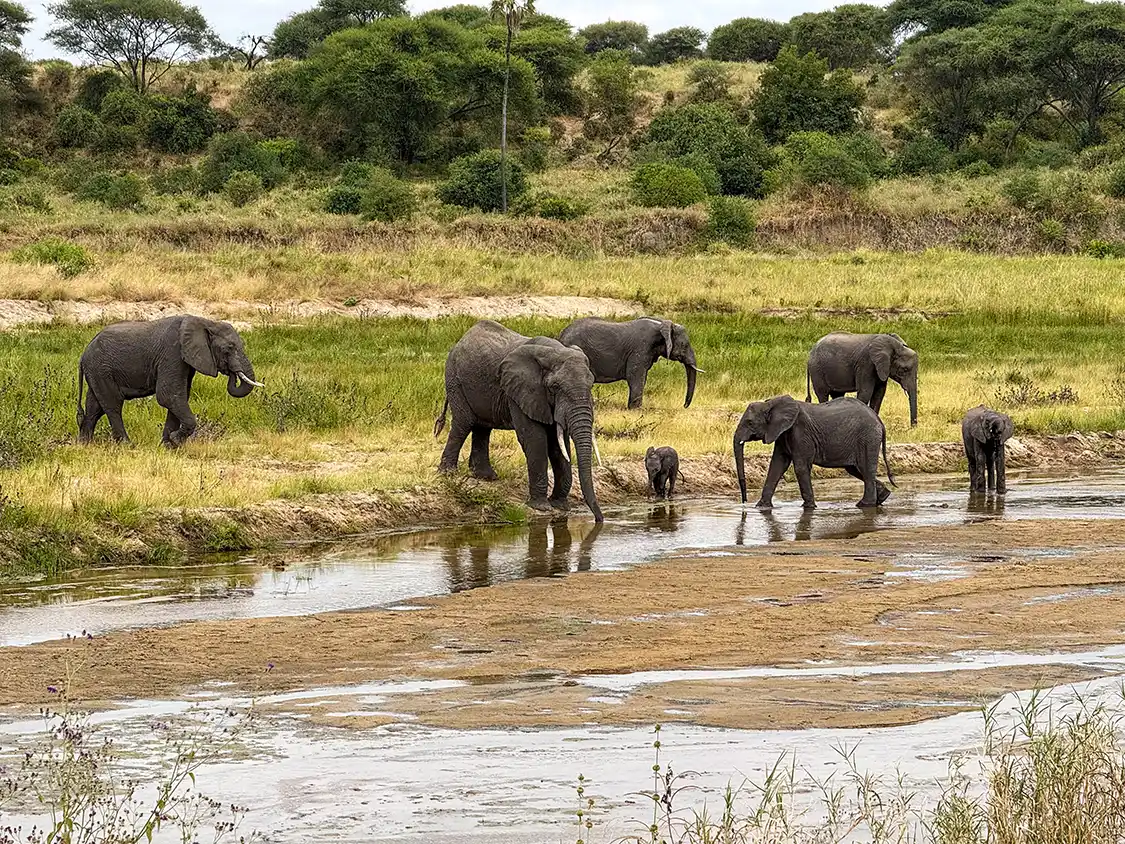
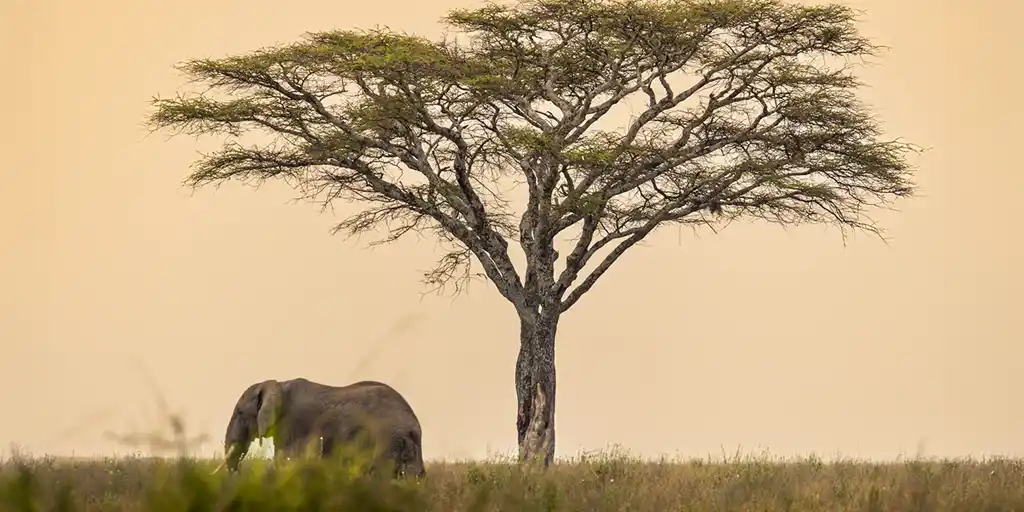
Tarangire National Park is the one family’s underestimate, and it should not be. It gets treated as a warm-up act on the way to the Serengeti, but it delivered the day our kids fell in love with the wild. Dylan counted 58 elephants within the first hour before abandoning his notebook to photograph them instead. During the dry season, the Tarangire River draws elephant herds in numbers that rival anywhere in Africa, all beneath ancient baobab trees that look genuinely prehistoric. It is also far less crowded than its famous neighbors.
You can read my Tarangire Family Safari guide here.
Lake Manyara National Park is compact, which people mistake for minor. It is not minor. A dense groundwater forest gives way to floodplain and an alkaline lake that turns pink with flamingos in season, all packed beneath the dramatic Rift Valley escarpment.
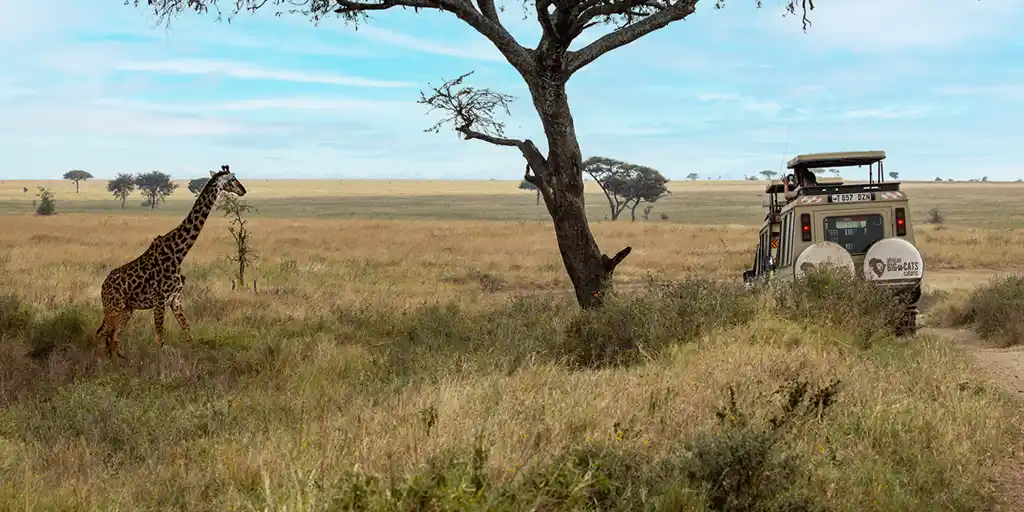
It is famous for its tree-climbing lions, though as our guide pointed out, all lions can climb trees; these ones simply have more trees to practice. We never saw them. We did have a bull elephant emerge from the forest three meters from the vehicle, and a troop of baboons chased us down the track. Manyara rewards the families who slow down and pay attention.
You can read my Lake Manyara family safari guide here.
Ngorongoro Conservation Area stopped our whole family dead in our tracks at the crater rim. Cohen, fourteen and hard to impress, said it looked just like the movie The Land Before Time. He wasn’t wrong.
A collapsed volcanic caldera, 19 kilometers wide, holds roughly 25,000 animals and one of the densest predator concentrations on the planet, including the critically endangered black rhino. Above the rim, Maasai communities live as they have for generations, and Olduvai Gorge, the birthplace of humankind, sits within the same conservation area. Wildlife, deep history, and living culture in one place. Nowhere else on the circuit matches it for layered depth.
You can read my Ngorongoro family safari guide here.
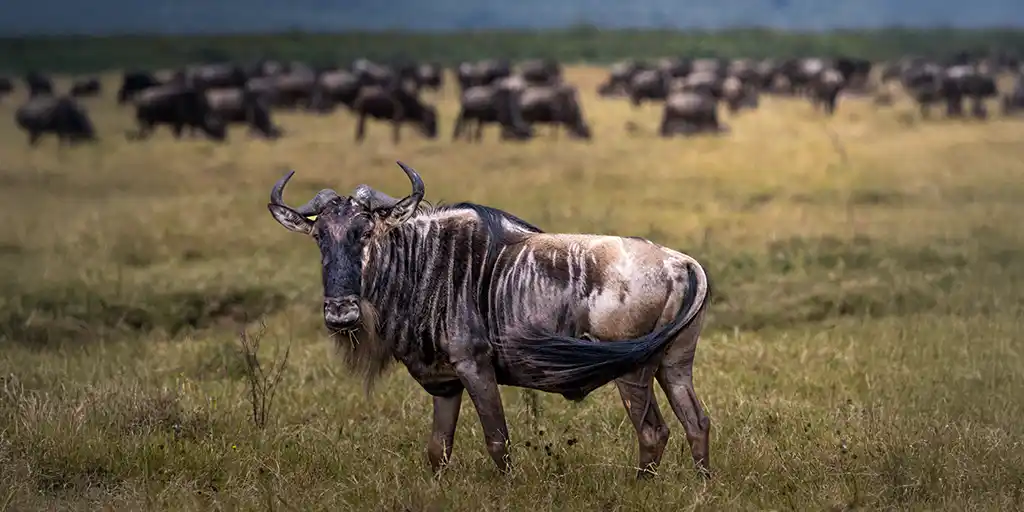
Serengeti National Park is the headline act, and it earns its reputation. Nearly 15,000 square kilometers of open savannah, acacia woodland, and granite kopjes hold the largest concentration of large mammals on earth, and the Great Migration of 1.5 million wildebeest and hundreds of thousands of zebra is the planet’s greatest wildlife spectacle.
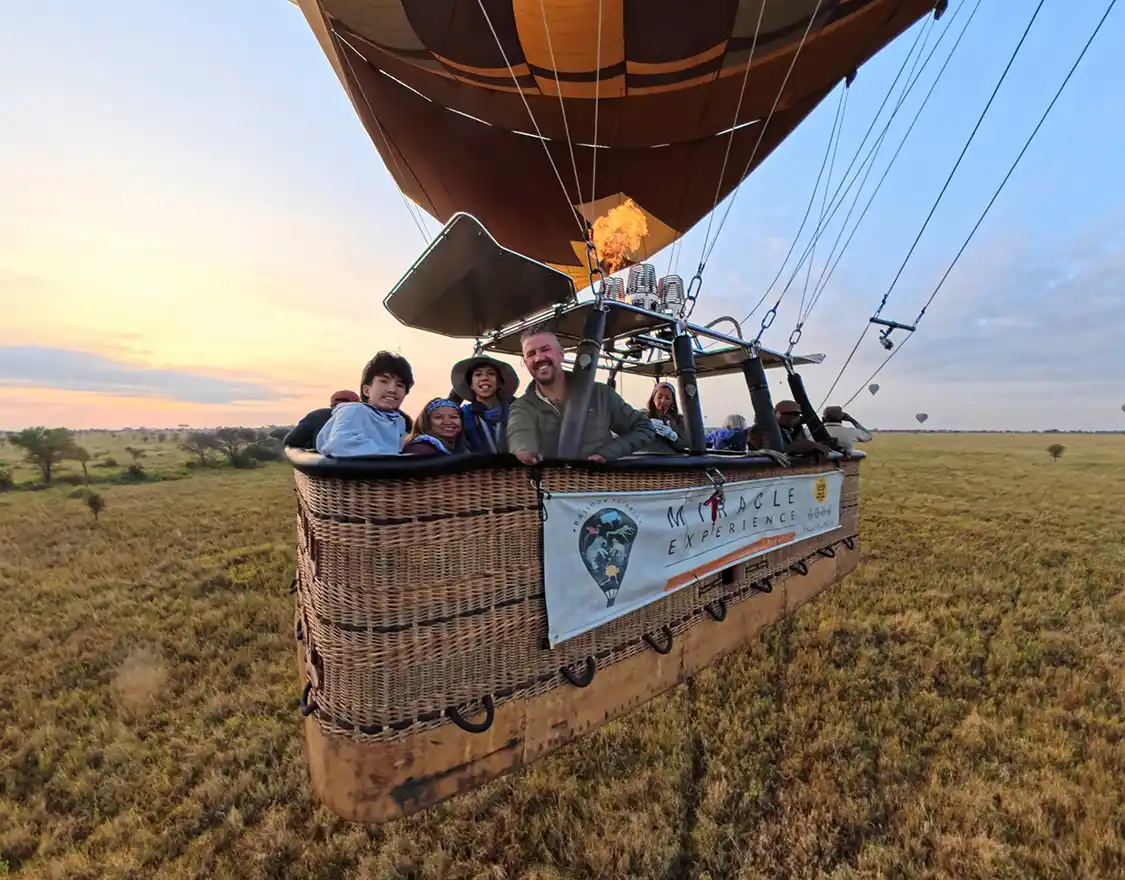
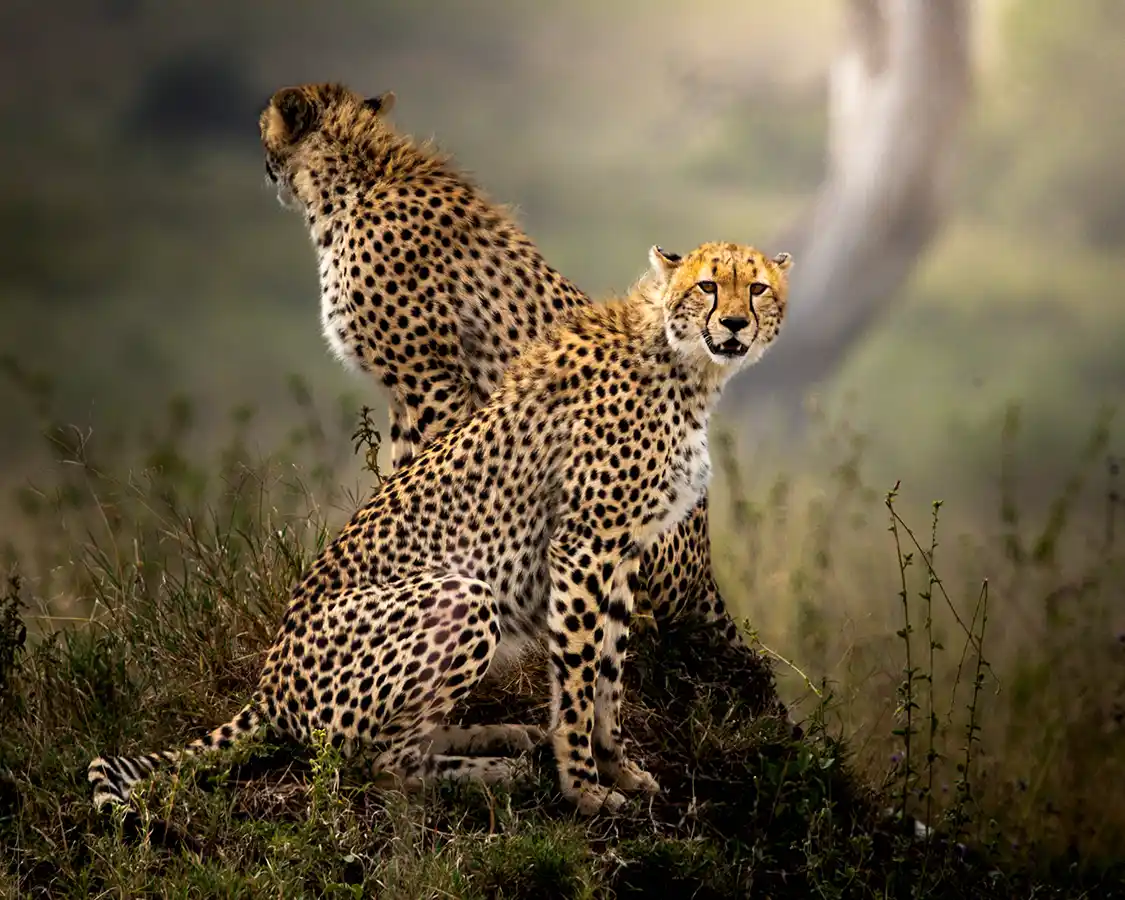
Give this park three days minimum. Two days show you what the Serengeti looks like. Three days start to show you what it actually is. This is where we watched a cheetah mother teach her cubs to stalk while the boys went silent for twenty minutes, where lions grunted outside our tent at 2 am, and where a sunrise hot air balloon safari became one of the finest hours our family has ever spent.
You can read my Serengeti family safari guide here.
Mount Kilimanjaro
At 5,895 meters, Kilimanjaro is the highest peak in Africa, and it is not the technical climb people imagine. There are no ropes and no vertical ice walls. What there is, instead, is a six-to-eight-day trek into altitude where fitness and sheer stubbornness matter more than skill.
Most operators set a minimum age of around 10-years-old for summit attempts, but the practical reality of the altitude makes it better suited to teenagers and fit adults.
The Lemosho and Machame routes are the recommended family options. Even without a summit attempt, the lower rainforest and moorland slopes offer extraordinary day hikes accessible to younger children, and the mountain’s profile is a constant companion across northern Tanzania, making everything feel appropriately epic.
Most visitors to Mount Kilimanjaro never attempt the summit. Instead, the base of the mountain offers beautiful rainforest and cloud forest trekking and hiking as day trips from Moshi and Arusha.
The Southern Circuit
For families who have done the headline parks, or who simply want a wilder, emptier experience, Tanzania’s south delivers safari without the crowds. Getting there usually means a charter flight, which adds cost and removes convenience, and that is precisely why these parks feel untouched.
Nyerere National Park (formerly the Selous Game Reserve) is one of Africa’s largest protected areas and offers a completely different kind of safari. The Rufiji River system makes boat safaris possible, drifting past hippo pools and crocodiles and elephants at the water’s edge, a perspective no land-based game drive can match. Walking safaris with an armed ranger put your family on the ground, where putting your own foot beside a hippo track changes the scale of everything.
Ruaha National Park is Tanzania’s largest national park and one of its least visited. It holds enormous elephant herds, large and active lion prides, and endangered wild dogs rarely seen on the Northern Circuit. Game drives here frequently feel like private expeditions. It is wilder, rawer, and less polished than the north, which is exactly its appeal.
The Western Parks
Tanzania’s far west is for families chasing something genuinely rare. Mahale Mountains National Park and nearby Gombe Stream, where legendary primatologist Jane Goodall did her landmark work, protect some of the last wild chimpanzee populations in Africa.
Reaching Mahale means a light aircraft and then a boat across Lake Tanganyika, the world’s second-deepest lake, with the mountains of the Congo visible across the water. Trekking through the forest to sit with a habituated chimpanzee community is a world-class wildlife experience in a completely different category from a vehicle-based safari.
This experience is best reserved for families with teenagers, given the demands of the trek and the self-control it requires. The lake itself offers swimming and snorkeling over some of the clearest water imaginable.
Zanzibar and the Coast
Zanzibar is where Tanzania pivots from savannah to ocean, and it is the classic second half of a family Tanzania itinerary. Stone Town, a UNESCO World Heritage Site, is a maze of carved doors, merchant houses, and six centuries of Swahili, Arab, and Indian spice-trade history. The city is walkable with kids and can act as a living history lesson.
The former slave market is a sobering, important stop for families willing to engage with the weight of the tragedies that occurred here. The beaches of the north and northeast, particularly Nungwi and Kendwa, are exceptional, and the spice farm tours engage kids more than most parents might expect.
Beyond Zanzibar, the lesser-known islands reward families who want to go further. Pemba Island, north of Zanzibar, has some of the most pristine reefs in the western Indian Ocean and operates in near-total obscurity. Mafia Island, to the south, is one of the best places in the world to snorkel alongside whale sharks in season. And on the mainland coast, Dar es Salaam serves as the gateway to all of it.
PRO TIP: How to Schedule Your Tanzania Itinerary
For most first-time families, the Northern Circuit is the anchor and is extraordinary enough to justify an entire itinerary on its own. Start in Arusha, loop through Tarangire, Lake Manyara, Ngorongoro, and the Serengeti over six to eight days, then fly to Zanzibar to decompress on the beach at the end. Front-load the dust and the early mornings while everyone is fresh and excited, and save the ocean for when the family is ready to slow down.
Money and Budgeting for Family Travel in Tanzania
Tanzania runs on the Tanzanian Shilling (TZS), but US dollars do a lot of heavy lifting. Safari payments, park fees, and higher-end services are frequently quoted and paid in USD, while shillings handle daily life, markets, and souvenirs. Carry both. Bring USD in newer, clean bills. Worn, crumpled, or pre-2009 notes are often refused.
Cash is essential. Outside large hotels and businesses, many shops, restaurants, markets, and roadside stops take cash only. ATMs exist in Arusha, Dar es Salaam, and Stone Town, often guarded and located at banks, but do not assume they will be convenient once you leave the major towns.
Sort out your cash needs in the cities before heading into the parks.
Tipping in Tanzania
Tipping is not required but is genuinely expected for good service, and on safari, it forms an important part of staff income. As a rough guide, families budget around 10 to 20 USD per day for guides, 5 to 10 per day for lodge staff (often via a shared tip box), 1 to 2 per bag for porters, and roughly 10 percent in restaurants if no service charge is included.
Keep small denominations in an easy-to-reach pocket, because tip moments appear when you least expect them, and nobody wants to perform wallet gymnastics in front of their kids and a smiling porter.
The Honest Financial Picture
Tanzania is not a budget destination once safari experiences are involved. National Park and Conservation area fees are among the highest in Africa. They are charged per person per day, and quality guiding and lodging add up. The Serengeti and Ngorongoro in particular carry premium fees. But this is also what keeps the parks from being overrun, and it buys a genuinely world-class experience.
Build the budget honestly, including park fees, tips, transfers, and any internal flights, and there are no nasty surprises.
What to Pack for Tanzania
Tanzania asks something unusual of a family’s suitcase, because it is really closer to three trips in one: the dusty, temperature-swinging safari parks, the milder green city of Arusha, and the hot, humid coast of Zanzibar. My complete Tanzania family packing list covers every region in detail. At a minimum, make sure you have:
- A layering system for safari mornings: A base layer, a warm fleece midlayer, and a windproof outer layer. A 6 am game drive in an open vehicle can sit in the 50s Fahrenheit (low teens Celsius) and climb to the 80s by mid-morning. The jacket is the layer most families forget and most regret forgetting.
- Neutral-colored clothing you don’t mind ruining: Khaki, olive, tan, and grey hide the red dust and are less disruptive to wildlife. Skip bright colors and pure white.
- Sun protection, taken seriously: High-SPF sunscreen in quantity, a wide-brim hat per person, and polarized sunglasses. The equatorial sun on shadeless plains is no joke.
- Insect repellent with DEET: Essential, particularly at dusk. Bring a gentler DEET-free option for younger kids.
- Closed-toe walking shoes: For walking safaris, Olduvai Gorge, Kilimanjaro’s lower slopes, and market streets. Sandals for the lodge and the beach.
- A camera with a real zoom lens, and binoculars: If any destination in family travel justifies proper optics, it is this one. Ideally, one pair of binoculars per person rather than one to share.
- A buff or neck gaiter: Pulled over the nose and mouth on a dusty stretch of unpaved park road, it makes a real difference.
- Lighter, brighter clothing and reef-safe sunscreen for Zanzibar: Plus modest cover-ups for Stone Town, where covered shoulders and knees are appropriate given the conservative culture.
- A Type D power adapter, plus a power bank: Standard universal adapters often miss the Type D fitting, and charging points at remote camps are limited.
- Documents: Passport, visa approval, yellow fever certificate, travel insurance with evacuation cover, and birth certificates for any children, with copies stored separately.
A Few Things Tanzania Will Teach Your Family
The wild does not perform on schedule, and that is the lesson
Tanzania cannot be controlled. The leopard may not appear. The tree-climbing lions may stay on the ground. The black rhino is a speck across a soda lake or nothing at all. We told our kids before every game drive that the headline animal might not show, and framed the uncertainty as the whole point. When the rhino mother and her calf finally grazed into view in the tall grass, and nobody in the vehicle spoke for a very long time, it mattered precisely because it was never guaranteed.
Hand your kids the camera
Somewhere around the elephants of Tarangire, both our boys quietly took over my camera gear and never gave it back. I made peace with it faster than I expected. A long lens turns a distant grey shape into an animal with eyelashes and texture and personality, and the engagement it produces across a long, hot day in the vehicle is worth every scratch risk. They came home as photographers. Let them.
A great guide becomes part of the family
The single biggest factor in a Tanzania safari is not the lodge or the park or the season. It is the person behind the wheel. Omary read animal behavior we could not see, knew which track led where, and turned a week of game drives into a relationship. When he named his son after our youngest, it stopped being a transaction and became something we still talk about. Choose your operator and guide with more care than anything else on the trip.
Africa rewires a family
We have stood beside Victoria Falls and dived off Mozambique and camped in the Egyptian desert, and nothing hit our family quite like Tanzania. Something happens in the silence between sightings, in the dust and the early mornings and the sheer scale of a place that has looked essentially the same for a million years. The kids stopped performing and started observing. The questions got deeper.
That is what travel does that nothing else does, and Tanzania does it harder than anywhere we have been.
PRO TIP: Frame the Early Mornings as Expedition Time
The hardest part of safari for younger kids is the pre-dawn wake-up. The best game viewing, and the best light, happens in the first hours after first light, which means 5:30 and 6am alarms. We stopped calling it morning and started calling it expedition time. It sounds small. It worked.
Get your kids invested in what they might find before the vehicle even leaves camp; bring hot chocolate for the cold start, and the grumbling evaporates the moment the first animal appears out of the dark.
Travel Resources for Families Visiting Tanzania
For packing, planning, and the details that determine whether your kids are comfortable or miserable in a vehicle for six hours, these guides go deeper.
Final Thoughts on Family Travel in Tanzania
Tanzania is not a country that eases you in and lets you observe from a comfortable distance. It puts you inside the experience and expects you to show up for it. The lion calls at two in the morning are real. The dust on your face by day two is real. The moment your kid whispers did you see that about something you almost missed is the adventure
The destination guides on this site cover the on-the-ground details for every region, from the Northern Circuit parks to the wild south, the remote west, and the beaches of Zanzibar. The practical information here is designed to help you move through the country with confidence, and with enough respect for the sun, the mosquitoes, the logistics, and the genuine wildness of what you are heading into.
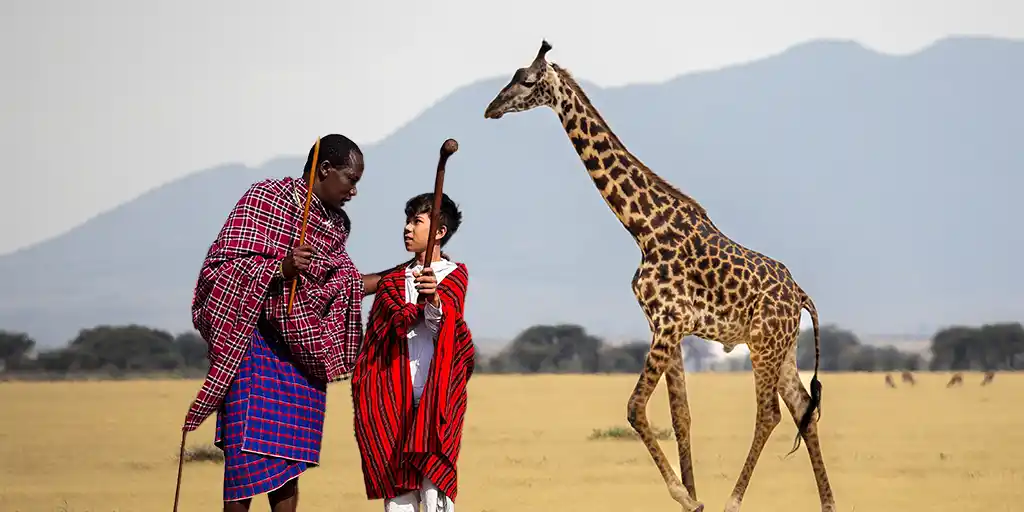
You will come home with the usual things. A Maasai beaded necklace. A blurry photo of a leopard at last light. A child who has decided they are now a wildlife photographer. But the thing that stays is harder to pack. It is Cohen at the crater rim saying it looks just like The Land Before Time. It is twenty minutes of silence watching a cheetah teach her cubs to hunt. It is Christina dancing in a sudden burst of rain to Toto’s Africa while the sun drops behind a perfectly placed acacia, and the whole family realizes at once that the trip had stopped being about ticking animals off a list.
This page is updated as new regional guides and planning resources are published. Looking beyond Tanzania? Explore my International Family Travel Guide.