The ultimate Tanzania packing list for families: what to wear on safari, in Arusha, and on Zanzibar’s beaches. Real tips from a week on the Northern Circuit.
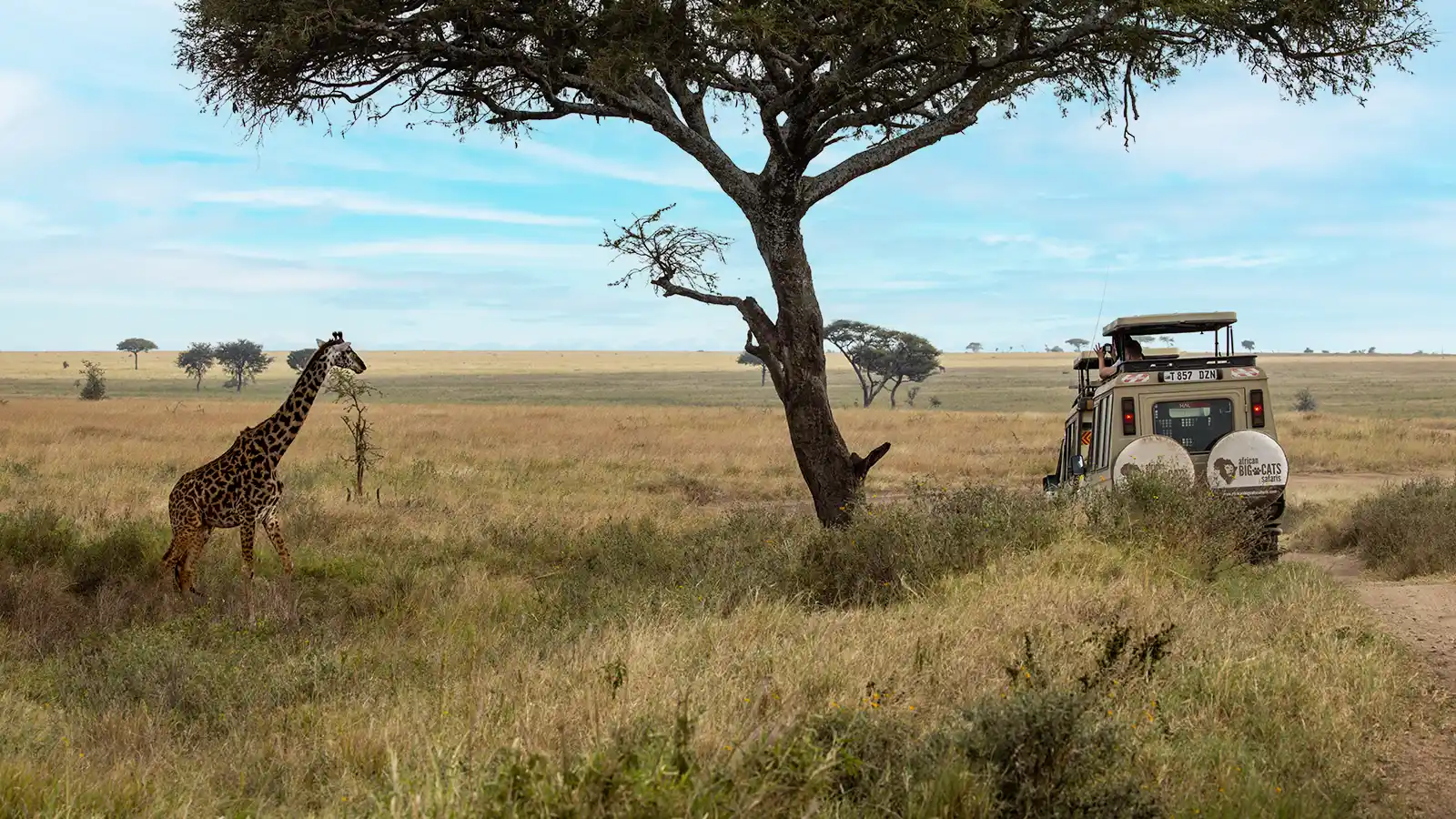
Most families pack for Tanzania as if it were one trip. The truth is, it’s closer to three.
There is the dusty, sun-scorched Tanzania of the Northern Circuit, where a game drive through Ngorongoro or Serengeti can start in the pre-dawn mist with weather cold enough for a proper jacket, and afternoons end hot enough to sweat through your shirt. There’s the green, mild Tanzania of Arusha, sitting at 4,600 feet (1,400 meters) at the foot of Mount Meru, where the climate is gentler than anywhere else in the country, and the city itself rewards a slower pace of travel. And there is the Tanzania of Zanzibar, where the savannah gives way entirely to white sand, spice markets, and Stone Town’s centuries of Swahili history.
Get your family packing list for Tanzania right, and the whole trip is a breeze. Get it wrong, and you spend the first morning on the crater rim of Ngorongoro wishing you had packed at least one warm layer, or the first afternoon in Zanzibar wishing you had remembered the sunscreen and the rash guard.
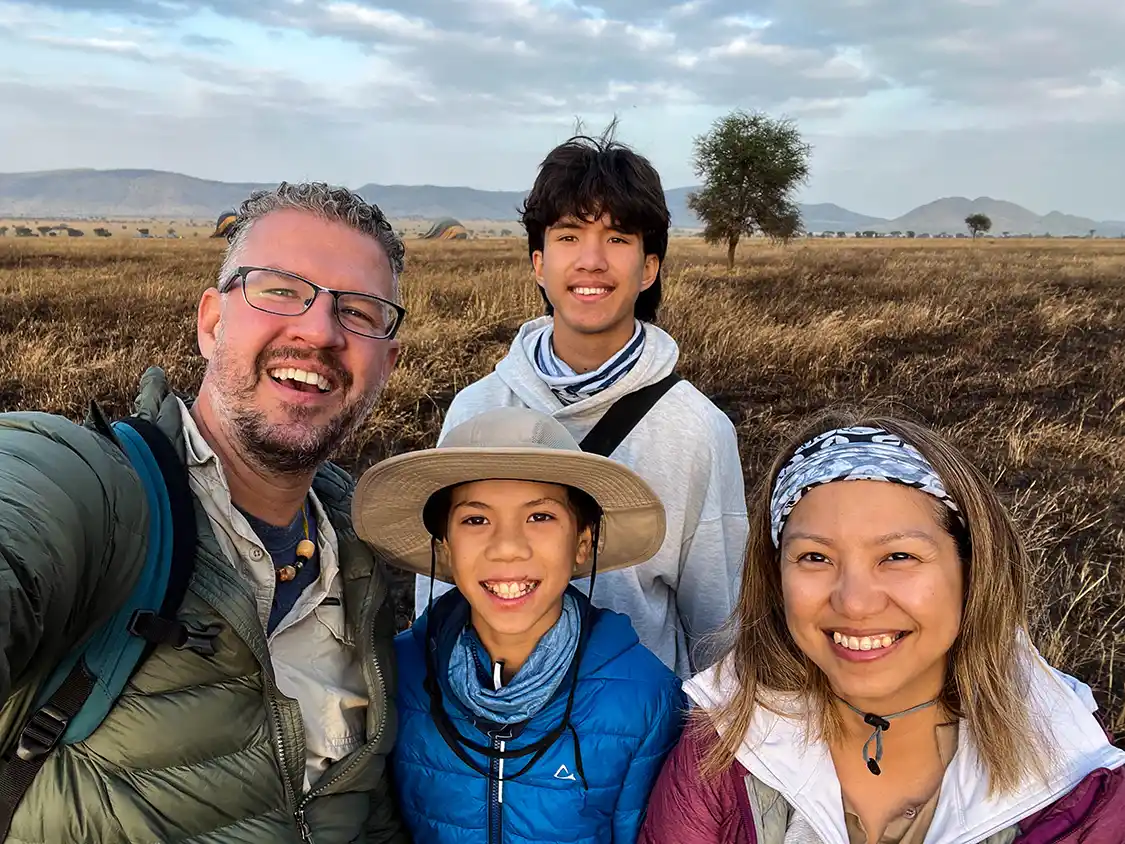
We spent a week-long safari across Tanzania’s Northern Circuit with our boys, Cohen and Dylan, moving through Tarangire, Ngorongoro, the Serengeti, and Lake Manyara, with the safari capital, Arusha, bookending the trip. This Tanzania packing guide is built from that experience and covers what a family actually needs for safari country, for the gentler climate of Arusha, for a day hike on Kilimanjaro’s lower slopes, and for a beach stay in Zanzibar afterward (Although we didn’t go to Zanzibar itself, we spent a week on nearby Bazaruto Island in Mozambique, which has nearly identical packing needs).
What You’ll Find in This Packing Guide for Tanzania
Tanzania asks something different of a family’s suitcase than almost anywhere else in this series. A few things worth knowing before you start packing for family travel in the country:
- Morning safari can be chilly. Game drives often begin before dawn, and you’ll be traveling in open-air vehicles. The temperature at 6 am on the Serengeti or the Ngorongoro Crater rim can drop as low as the 50s Fahrenheit (low teens Celsius). By mid-morning the same day, it can be in the 80s Fahrenheit (high 20s Celsius). Layers aren’t just a suggestion here; they’re a necessity.
- Dust gets into everything. The roads inside most of the National Parks are unpaved, and by the second day of a multi-park safari, everyone and everything in the vehicle is coated in a fine red film. Wear neutral colors and clothing you do not mind getting genuinely dirty.
- Arusha has its own climate entirely. At 4,600 feet (1,400 meters), Arusha is noticeably milder and greener than the parks of the Northern Circuit. You’ll need to dress slightly warmer here during the mornings and evenings.
- Zanzibar can feel like a completely different country. Zanzibar is hot, humid, and coastal, with its own packing considerations for Stone Town’s more conservative culture and the practicalities of days spent on the beach and snorkeling.
- Dry season, June through October, is the focus of this guide, as it is the prime window for both the Northern Circuit and the broader trip. Wet season considerations are noted where they matter.
This guide is organized by region, since what you need for the parks, for Arusha, and for Zanzibar genuinely differs, with specific callouts for men, women, teens, and kids throughout.
Before You Pack: Tanzania’s Climate by Region
Tanzania’s size and topography mean conditions vary significantly depending on where you are on any given day of the trip.
The Northern Circuit: Serengeti, Ngorongoro, Tarangire, Lake Manyara
The parks of the Northern Circuit sit at varying elevations, and that elevation drives the daily temperature swing more than the season does. The Ngorongoro Crater rim sits at around 7,500 feet (2,300 meters) and is cold at night and in the early morning, regardless of when you visit. The crater floor, 2,000 feet (600 meters) below the rim, is significantly warmer by mid-morning. Serengeti National Park and Tarangire National Park sit lower and are generally warmer overall, but mornings before sunrise are still cool enough to need a proper layer.
Dry season, June through October, brings clear skies, cooler nights, and the best conditions for game viewing as wildlife concentrates around the remaining water sources. Daytime temperatures across the Northern Circuit during the dry season typically sit in the 75 to 85 degrees Fahrenheit range (24 to 29°C), with early mornings dropping into the 50s Fahrenheit (10 to 15°C) at higher elevations like the crater rim.
The short dry season in January and February offers similar conditions with smaller crowds. The long rains from March through May bring lush green landscapes, much lower prices, and a real risk of impassable roads in places, particularly in the Ngorongoro highlands.
Arusha and the Foothills of Mount Meru
Arusha sits at 4,600 feet (1,400 meters) at the base of Mount Meru, and the elevation gives it a markedly milder climate than the parks or the coast. Locals call it Tanzania’s green city for a reason. Daytime temperatures are pleasant year-round, generally in the 70s Fahrenheit (low to mid 20s Celsius), with cooler evenings. It rarely gets uncomfortably hot, and it rarely gets cold enough to need heavy layers, which makes it the easiest region of the trip to pack for.
Kilimanjaro’s Lower Slopes
If you’re not attempting to summit Africa’s highest mountain, a day hike through Kilimanjaro’s lower rainforest and moorland zones is one of the best experiences in Tanzania. The temperature here is mild. The rainforest zone is humid and can be wet underfoot even in the dry season.
Moving higher into the moorland, temperatures drop, and the wind picks up. The same layering that prepares you for the Ngorongoro crater rim morning handles a Kilimanjaro day hike, with the addition of real waterproofing, given the rainforest’s regular wetness.
Zanzibar and the Coast
Zanzibar is hot, humid, and coastal, a different climate entirely from the parks or Arusha. The dry season on the islands runs roughly from June through October and from December through February, with daytime temperatures in the high 80s Fahrenheit (around 30°C) and consistent humidity. The rainy season, March through May, brings the heaviest rains of the year to the coast and is generally avoided by families pairing safari with a beach stay.
Proper Layering for Tanzania Travel
For the most part, packing for Tanzania is pretty straightforward. Lightweight, breathable material in neutral colors that won’t distract the animals and will help to keep the sun at bay. The single most important packing consideration for Tanzania is the layering system for safari mornings, which matters for the Ngorongoro Crater rim, a pre-dawn game drive in the Serengeti, and a day hike on Kilimanjaro’s lower slopes.
The system is simple: a base layer that manages temperature, a warm midlayer for the cold start, and an outer layer that blocks wind, because an open-sided safari vehicle moving at speed in 55°F (13°C) air feels considerably colder than the thermometer suggests. By mid-morning, the midlayer and outer layer come off and get stowed in the vehicle, and you are back to a single light shirt for the rest of the day.
The One Mistake Most Families Make
Packing only for the daytime heat and showing up to a 6 am game drive in a T-shirt. The cold at dawn on the crater rim or in an open vehicle moving across the Serengeti is genuinely uncomfortable without a real layer, and you cannot return to the lodge to grab one once the drive has started. Bring the jacket every single morning, even when the forecast says warm. You will be glad to shed it by mid-morning, but you will need it at 6 am regardless.
The Complete Tanzania Packing List for Families
What To Pack for Tanzania for Men and Teens
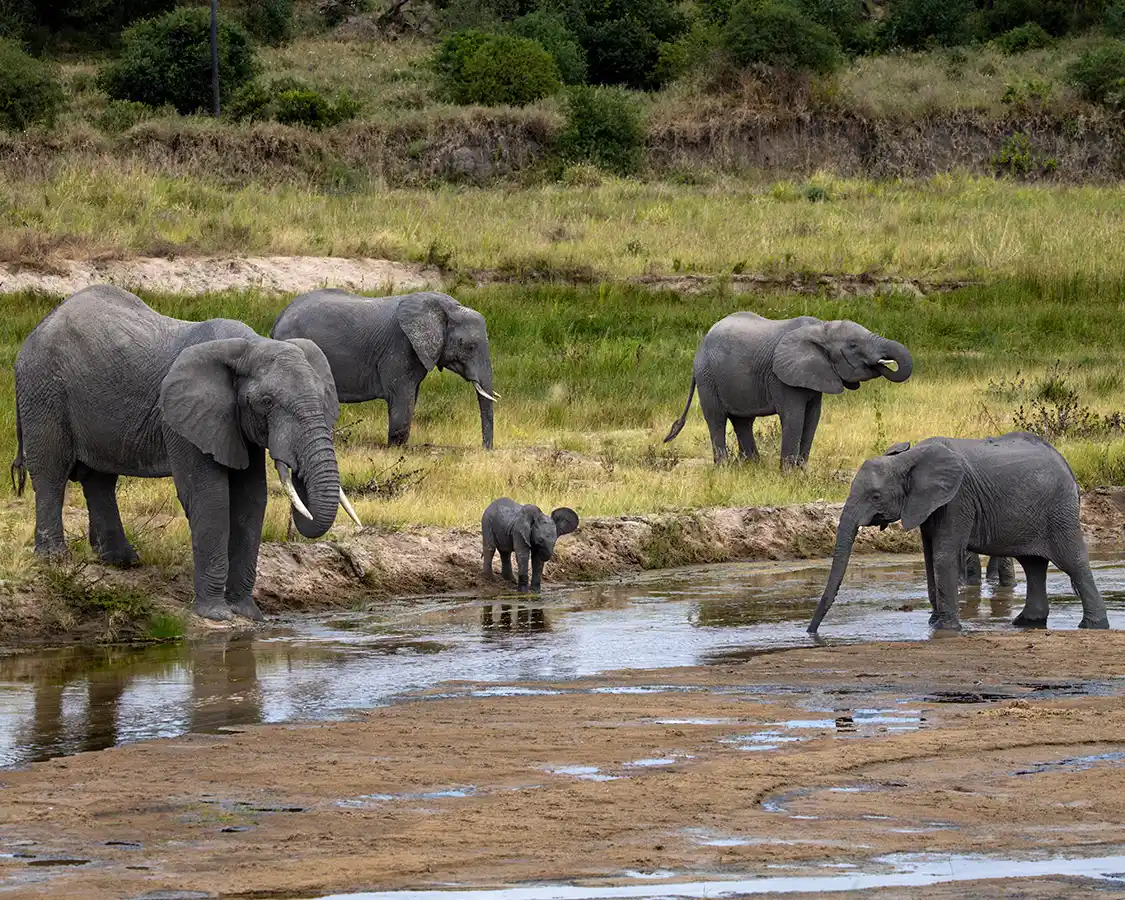
The safari dress code is practical and casual. Neutral colors work better than bright ones, both because they hide the dust and because muted tones are less disruptive to the local wildlife. Khaki, olive, tan, beige, and grey are the traditional safari palette for a reason.
- 3 to 4 lightweight short-sleeve shirts in neutral tones. Shirts like these dry quickly after a hand wash, do not wrinkle after a day bouncing around in a duffel bag, and work for the full range from a dusty game drive to dinner at the lodge.
- 1 to 2 lightweight long-sleeve shirts for sun protection on long game drive days and for the cooler hours. A shirt like this also doubles as a layer against insects in the late afternoon, when mosquitoes become more active.
- 2 pairs of lightweight travel pants in neutral colors as the primary safari bottoms. Pants like these handle the dust, the early morning cold, and the heat of midday all in one item, which matters when laundry is not a daily option at a safari camp.
- 1 pair of lightweight shorts for warm afternoons in Arusha or at the lodge pool. Shorts like these are less useful on actual game drives, where trousers offer better protection from the sun, dust, and the occasional thorny acacia branch brushing the vehicle.
- A warm midlayer for pre-dawn game drives and hot air balloon rides. A fleece like this is the layer that gets used every single morning of the safari and then stowed in the vehicle by mid-morning.
- Alternatively, a windproof, packable outer layer for the coldest mornings on the crater rim and in open vehicles. A jacket like this is the layer most families forget and most regret forgetting on the first 6 am game drive.
- 1 to 2 swimsuits for lodge pools and the Zanzibar leg of the trip.
- Underwear x7 in lightweight, quick-dry fabrics.
- Socks x7 in lightweight merino wool or wool-blend, since laundry is not always a daily option at safari camps, and merino resists odor better than cotton across multi-day stretches.
What To Pack for Tanzania for Women and Teens
Christina’s approach to safari packing leans into the same neutral palette and the same layering logic, with a little more flexibility for evenings in Arusha and Zanzibar, where something a little nicer than safari khaki is worth wearing.
- 3 to 4 lightweight tops in neutral tones. Tops like these work across the full trip from dusty game drives to dinner at the lodge.
- 2 pairs of lightweight travel pants in neutral colors as the primary safari bottoms. Pants like these handle the dust and the temperature swing of a full safari day.
- 1 lightweight maxi dress for Arusha evenings and for Zanzibar, where it covers dinner at a beachfront restaurant and a Stone Town walk equally well. A dress like this is genuinely the most versatile single item for the non-safari portions of the trip.
- 1 pair of lightweight shorts for warm afternoons in Arusha or at the lodge pool. Shorts like these are less practical on the actual game drives.
- 1 warm midlayer for every pre-dawn game drive. A fleece like this gets used every single morning and then comes off by mid-morning.
- Alternatively, a windproof, packable outer layer for the crater rim and open-vehicle cold. A jacket like this is worth packing even if the forecast looks warm. Dawn at altitude in an open vehicle is colder than the daytime number suggests.
- 2 swimsuits for lodge pools and Zanzibar. Christina likes this set that includes a sarong.
- Underwear x7 in lightweight, quick-dry fabrics.
- Socks x7 in lightweight merino wool or wool-blend.
What To Pack for Tanzania for Kids Under 12
Kids feel the early morning cold faster than adults and shed layers faster, too, often within the first half hour of a drive once the sun is up. Pack enough layers that you are not negotiating over a single jacket between siblings at 5:45 am.
- 4 to 5 lightweight t-shirts in neutral, mid-range colors. White shows the safari dust within the first hour of any game drive.
- 2 to 3 pairs of lightweight travel pants in neutral colors as the primary bottom for game drives. Avoid joggers; they get very hot throughout the day.
- 1 to 2 pairs of shorts for Arusha and downtime in the lodge.
- 1 warm midlayer for every child, sized generously enough to layer over a T-shirt. A fleece like this gets used on every single pre-dawn departure.
- Alternatively, a windproof outer layer for the coldest mornings. A jacket like this also doubles as rain protection if your trip touches the shoulder season.
- 2 swimsuits for lodge pools and Zanzibar.
- Underwear x7 to 8
- Socks x7 to 8 in quick-dry or merino blend fabrics.
Footwear for Tanzania
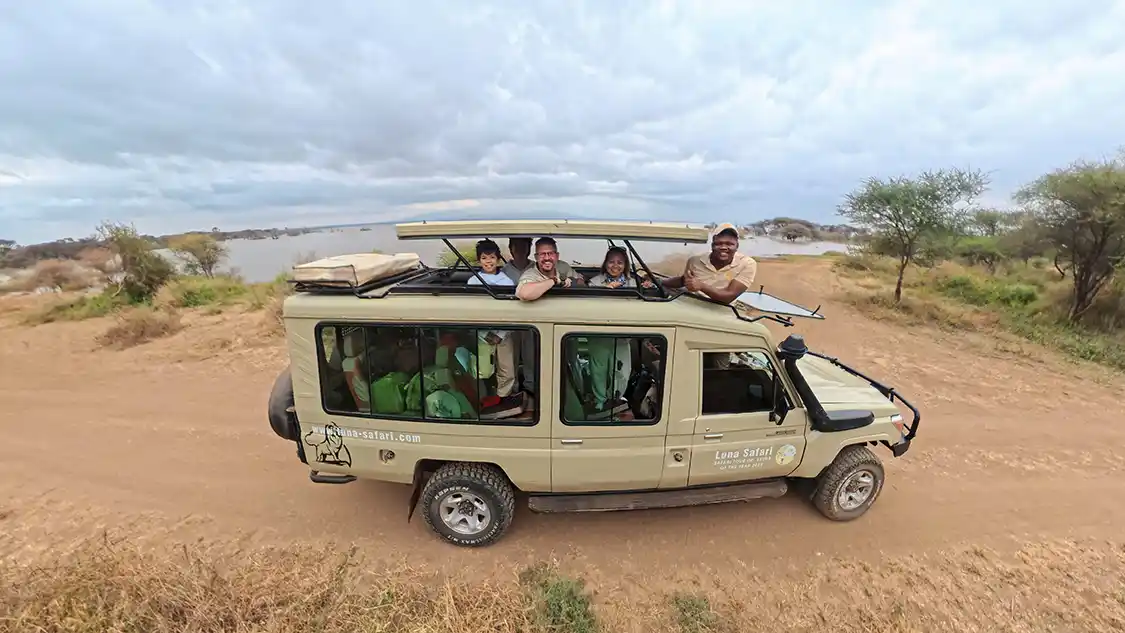
Footwear for a Tanzania safari is more straightforward than for most of the family travel destinations that I’ve covered. The majority of game viewing happens from inside a vehicle. The real footwear decisions come at the margins: walking safaris, Olduvai Gorge, Kilimanjaro’s lower slopes, and the towns and markets of Arusha.
Tanzania is not a place for fancy footwear. Heels, dress shoes, and high fashion don’t work outside of a few areas of Dodoma and Dar es Salaam. Roads, sidewalks, and trails are rough, dusty, and will ruin a pair of fancy shoes before you’re even aware of it. Practicality and comfort are key here.
Footwear for Men, Women, and Teens
- 1 pair of comfortable closed-toe walking shoes or light hiking shoes as the primary pair. Shoes like these for men and teen boys and these for women and teen girls handle walking safaris, the uneven ground at Olduvai Gorge, market streets in Arusha, and a day hike on Kilimanjaro’s lower slopes without needing anything more specialized.
- 1 pair of comfortable walking sandals for lodge use, warm afternoons, and Zanzibar beach days. Sandals like these are not the right choice for an actual walking safari, but are useful everywhere else on the trip. They also come in women’s sizes.
- 1 pair of flip-flops for pools and around hotels.
Footwear for Kids
- 1 pair of closed-toe walking shoes or trail runners as the primary pair. Shoes like these handle market streets, lodge grounds, and any walking safari or Olduvai Gorge visit comfortably.
- 1 pair of hiking sandals for relaxing around the lodge. Sandals like these drain and dry fast and protect toes on beach walks and boat boarding for any Zanzibar snorkeling excursions.
- 1 pair of flip-flops for pools and around hotels.
Sun Protection
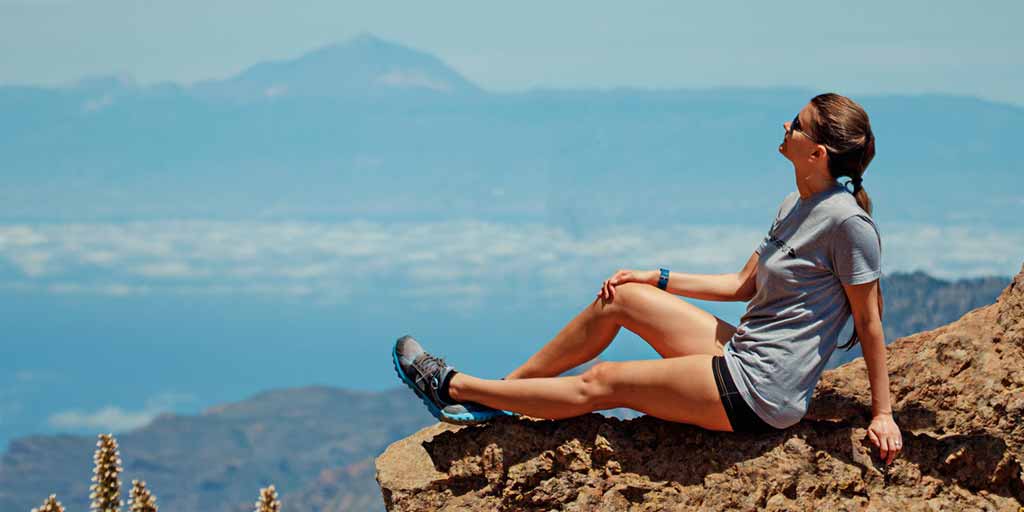
Tanzania sits close to the equator, and the sun is intense, particularly on the open plains of the Serengeti and the floor of the Ngorongoro Crater, where there is often no shade for hours at a stretch during a game drive. Zanzibar’s beaches add reflected glare off open water to the equation.
- Pack broad-spectrum sunscreen SPF 50 or higher for the whole family, and bring more than you think you need. A sunscreen like this is worth packing in quantity, since options outside Arusha and the larger towns are limited, and reef-safe sunscreen formulations matter specifically for the Zanzibar leg.
- Bring a wide-brimmed sun hat for every family member. A hat like this comes in sizing for adults and kids alike, and a full day on the Serengeti or the crater floor without one is the kind of mistake you only make once.
- Bring polarized sunglasses for everyone. The glare off the Ngorongoro Crater’s soda lake, the open plains of the Serengeti, and Zanzibar’s water is sustained and genuinely bright.
Gear and Accessories for Tanzania Travel
Bags
- 1 packable daypack for game drives, walking safaris, and Olduvai Gorge visits. A bag like this holds everything needed for a full day in the vehicle: water, sunscreen, an extra layer, and camera gear.
- Bring a small crossbody or sling bag for days in the Arusha market. A bag like this keeps both hands free in the Maasai Market and the central market, where the crowds and the persistent friendly attention of vendors make a loose bag a liability.
- Packing cubes to separate safari gear from beach gear. Cubes like these matter more in Tanzania than almost anywhere else in this series, since the safari and Zanzibar legs of the trip need genuinely different items, and you do not want to be digging through dusty safari clothes to find a swimsuit.
Camera Gear
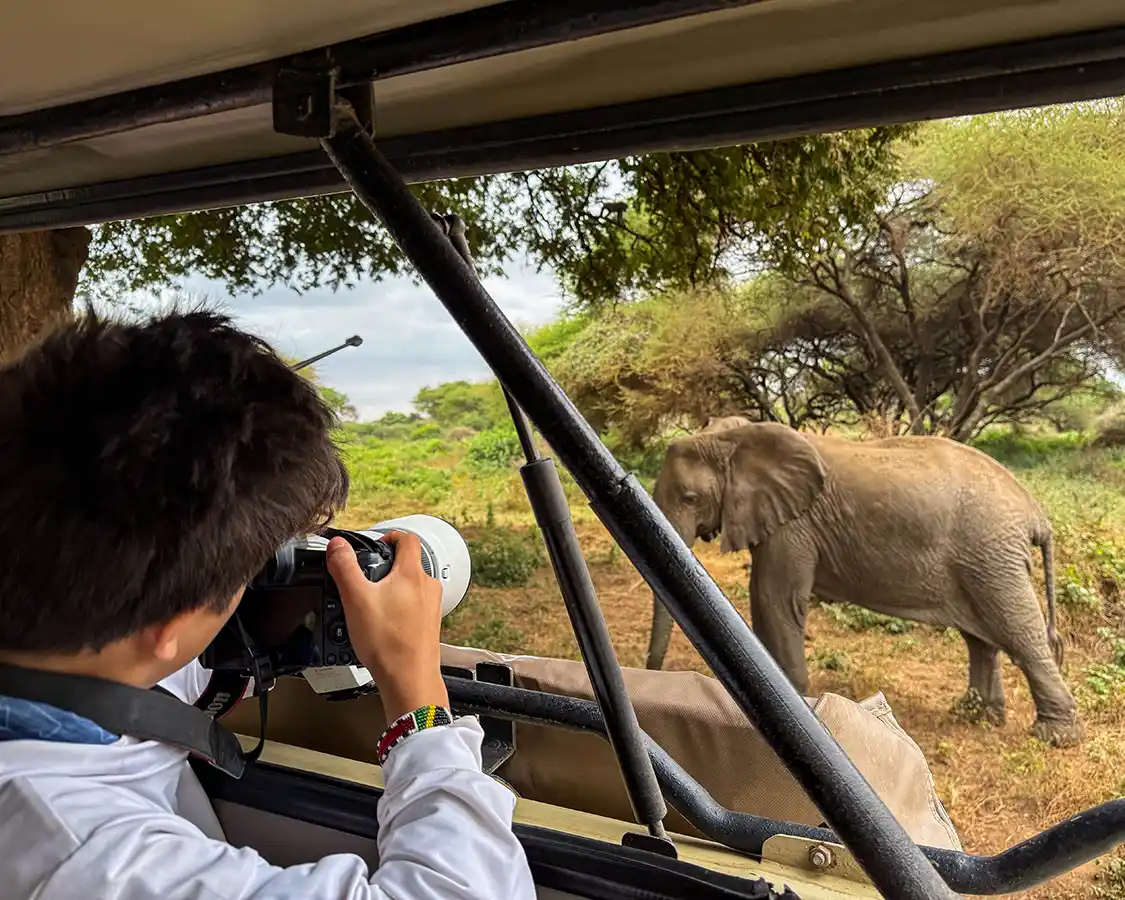
If there is one destination in this entire series that justifies bringing real camera equipment, it is Tanzania. The wildlife is close, constant, and extraordinary, and a phone camera, while serviceable, will not capture what a proper zoom lens can.
- Bring a camera with a genuine zoom lens if you have one, or consider renting one for the trip. A camera like this captures the detail that a phone simply cannot, particularly for distant sightings like a black rhino across the crater floor.
- Bring binoculars, ideally one pair per person rather than one for the whole family to share. Binoculars like these transform distant sightings, particularly for birds, which Tanzania has in extraordinary numbers, and for spotting predators resting in long grass before the vehicle gets close.
Tech and Power
- Bring a portable power bank. A power bank like this matters more on safari than almost anywhere else, since full days in the vehicle with cameras and phones running on drained batteries fast, and charging options are not always reliable at remote camps.
- Tanzania uses Type D and Type G outlets at 230V (50Hz). North American travelers need a universal adapter, and most safari camps and lodges have limited charging points, so bring a multi-port option if your family is traveling with several devices.
- Bring an eSIM loaded before you leave home. An Africa eSIM like this covers connectivity in Arusha and the larger towns. Coverage inside the parks themselves is limited to nonexistent, which is worth telling kids about in advance rather than discovering it together at the crater rim.
Reusable Water Bottles
- Bring an insulated or filtered water bottle for each person. A bottle like this is useful throughout the trip, since tap water is not safe to drink and a full day of game drives in the heat requires serious hydration. You can read more about filtered water bottles here.
Other Useful Travel Gear for Family Travel in Tanzania
- Pack a buff or lightweight neck gaiter for dust protection on game drives. The roads inside the parks are unpaved, and a buff pulled up over the nose and mouth on a dusty stretch is a small thing that makes a real difference.
- Pack a dry bag for the Zanzibar leg of the trip, particularly for any boat excursions or snorkeling days. Electronics and a moving boat do not mix well without one.
- Bring a bird or wildlife identification guide if anyone in the family has any interest in birds. Tanzania’s birdlife is genuinely extraordinary, and turning the quieter stretches of a game drive into a spotting game keeps younger kids engaged.
Toiletries for Tanzania Travel
Bring From Home
- Sunscreen SPF 50 or higher for the whole family, and bring enough for the trip. Arusha has reasonable pharmacy options, but selection inside the parks and on Zanzibar’s smaller islands is limited.
- Insect repellent. A repellent like this matters throughout Tanzania, and particularly in the early evening when mosquitoes become more active. Bring a DEET-free insect repellent for kids; it offers gentler protection for younger skin.
- Prescription medications with a doctor’s note for anything controlled.
- Children’s paracetamol and ibuprofen in familiar brands.
- Oral rehydration salts. Full days in the heat on game drives dehydrate kids faster than parents tend to notice.
- Allergy medications.
- Hand sanitizer x2, useful at lodges and camps where running water is not always immediately available between activities.
- Biodegradable wet wipes in multiple packs. These earn their place every single day on safari, where dust and dirt are a constant presence.
A note on health preparation: malaria risk, yellow fever requirements, and vaccination guidance for Tanzania are covered in detail in our separate Tanzania health and travel tips guide. Speak with a travel health clinic well before departure, since antimalarial medication needs to be started in advance of travel.
Buy in Arusha
- Buy shampoo, conditioner, body wash, and toothpaste in Arusha before heading into the parks. Pharmacies and shops in the city are reasonably well stocked. Once inside the Northern Circuit parks, options disappear entirely until you return.
- Buy basic medications in Arusha if needed. Pharmacies in the city are reliable, and the staff is generally helpful.
Documents, Money, and Admin Needs for Tanzania Family Travel
- Valid passports for all family members with a minimum of 6 months’ validity beyond your travel dates.
- Tanzania e-visa arranged in advance through the official Tanzania e-visa portal. Most nationalities require a visa, and arranging it online before departure is strongly recommended over attempting it on arrival.
- A yellow fever vaccination certificate is required if your itinerary includes arrival from or transit through a country with yellow fever risk. Requirements are checked on entry, and the certificate should be carried with your passport.
- US dollars in cash, newer bills in good condition, for tips and some park fees. Tips for guides, lodge staff, and drivers are a genuine and expected part of the safari economy and are usually paid in cash. Keep small denominations accessible rather than buried in a bag.
- Travel insurance documents, printed and digital, ideally with emergency evacuation coverage, given how remote some of the parks and camps are.
- Printed and digital copies of safari itinerary confirmations, accommodation bookings, and emergency contacts.
What to Leave at Home
- Bright colors and pure white outfits. Neutral tones, khaki, olive, tan, and grey, are the right choice both for camouflage with the dust and because muted colors are less disruptive to wildlife on a game drive.
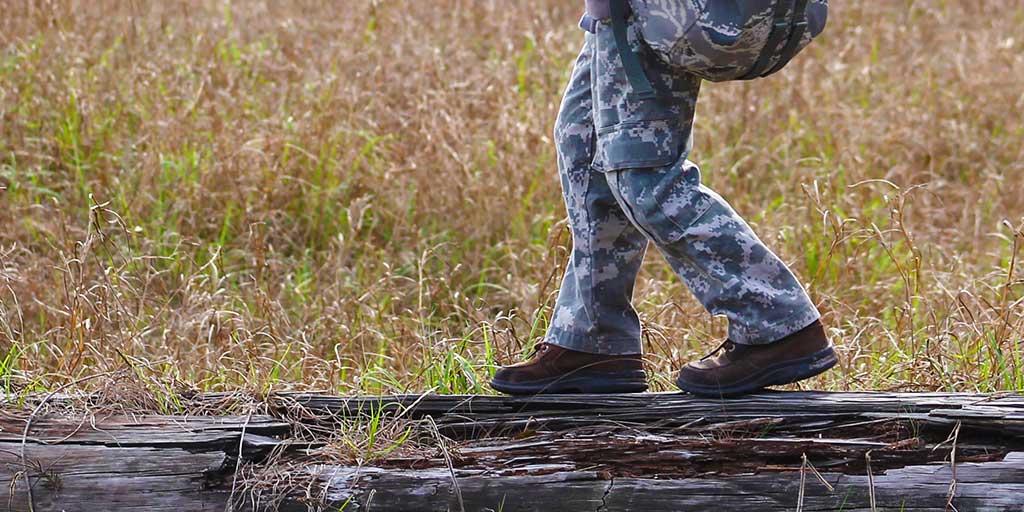
- Camouflage-pattern clothing. In several African countries, including Tanzania, camouflage clothing is restricted to military and police use, and wearing it as a civilian can cause genuine problems.
- Heavy, non-packable luggage at home. Internal charter flights between parks, a common way to move around the Northern Circuit, often have strict weight limits and soft-sided bag requirements. Confirm limits with your operator before packing.
- Excessive electronics, unless you are genuinely going to use them. Charging options at remote camps are limited, and a smaller, more deliberate kit is easier to manage and keep charged than a large one.
- Valuable jewelry. It serves no purpose on safari and adds unnecessary risk and complication, particularly at camps without secure in-room storage.
Quick Reference: Clothing Quantities per Person
Based on a 7-10-day Tanzania trip covering the Northern Circuit safari parks, Arusha, and a Zanzibar beach stay during the dry season.
| Item | Men | Women | Teens | Kids |
| Lightweight shirts/tops (neutral) | 3-4 | 3-4 | 3-4 | 4-5 |
| Long-sleeve shirt | 1-2 | 1-2 | 1-2 | 1-2 |
| Travel trousers (neutral) | 2 | 2 | 2 | 2-3 |
| Shorts | 1 | 1 | 1-2 | 1-2 |
| Dress (Arusha / Zanzibar evenings) | – | 1 | 1 (optional) | – |
| Warm midlayer (fleece) | 1 | 1 | 1 | 1 |
| Windproof packable jacket | 1 | 1 | 1 | 1 |
| Swimsuit | 1-2 | 2 | 2 | 2 |
| Underwear | 7 | 7 | 7 | 7-8 |
| Socks (merino) | 7 | 7 | 7 | 7-8 |
Travel Resources for Families Visiting Tanzania
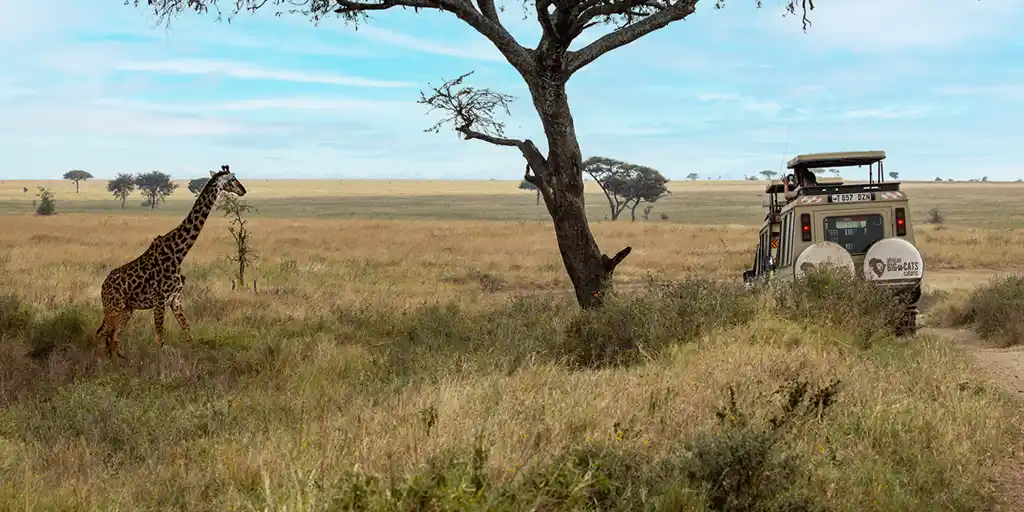
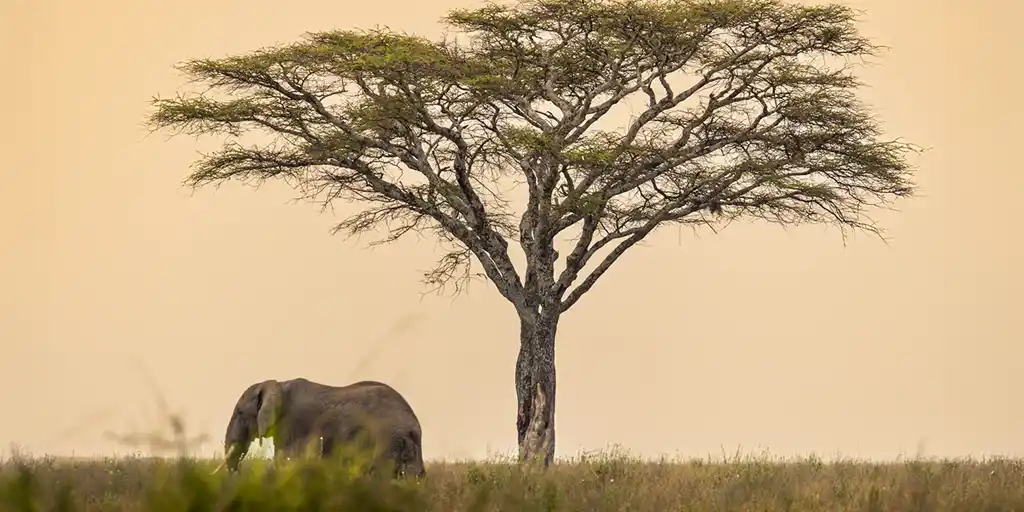
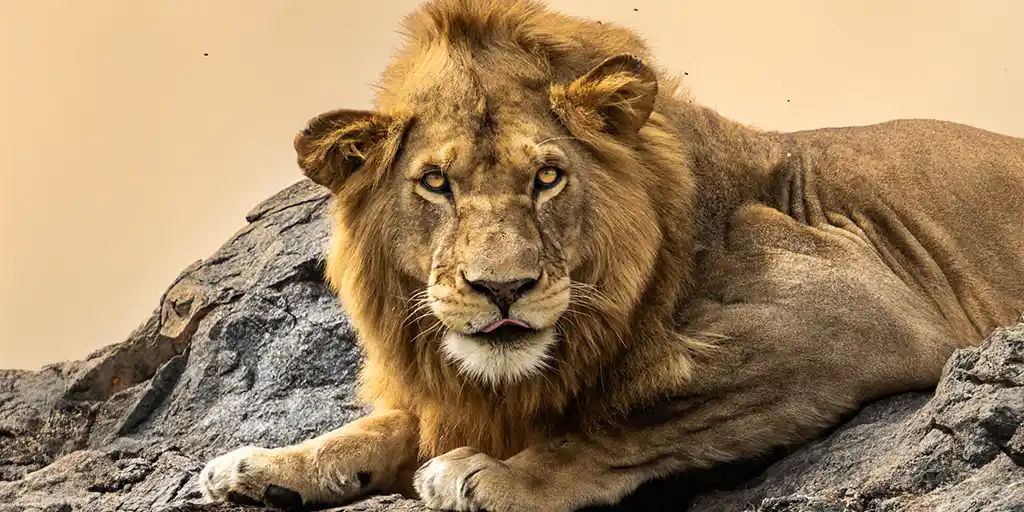
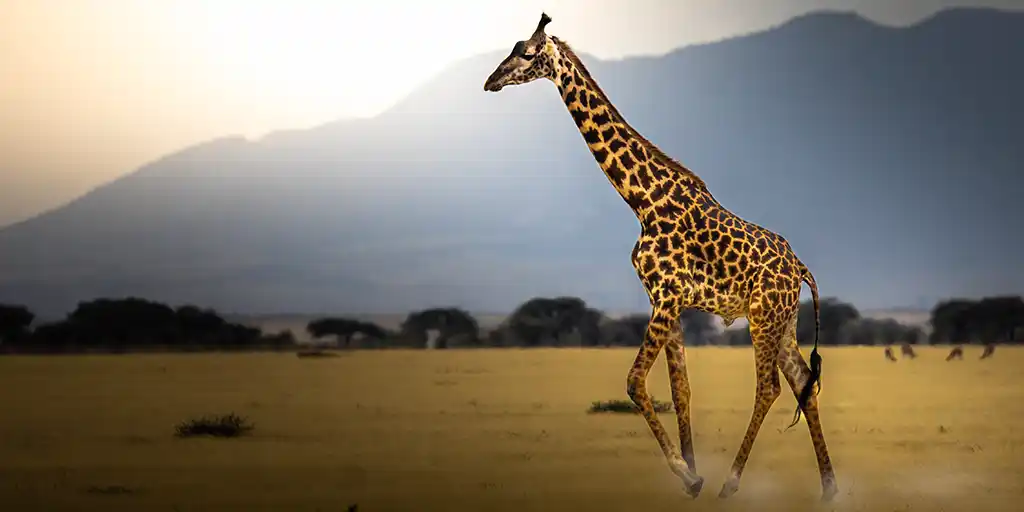
For packing, planning, and the details that determine whether your kids are comfortable or miserable in a vehicle for six hours, these guides go deeper.
Frequently Asked Questions
Cold enough to genuinely surprise families who associate Africa exclusively with heat. The Ngorongoro Crater rim sits at around 7,500 feet (2,300 meters), and early morning temperatures there regularly drop into the 50s Fahrenheit (10 to 15°C), and wind chill in an open-sided safari vehicle moving at speed makes it feel colder still. The Serengeti and Tarangire are lower and somewhat milder before dawn, but a real layer is still genuinely necessary every single morning, even in the dry season.
June through October is the dry season and the most popular window, offering the best game viewing as wildlife concentrates around remaining water sources, reliable road conditions, and the dramatic Mara River crossings in the northern Serengeti from July through October. January and February offer a quieter, short dry season with good conditions and smaller crowds. The long rains from March through May bring lush green landscapes and significantly lower prices, but road conditions in places like the Ngorongoro highlands can become genuinely difficult.
Not dramatically different, but footwear matters more. A walking safari, available in parks like Arusha National Park and parts of Tarangire, puts you on uneven ground with an armed ranger, and proper closed-toe walking shoes with decent grip are worth having rather than the sandals that work fine for vehicle-based days. Everything else, including the layering system for early morning cold, applies equally to both.
Swap the neutral safari palette for lighter, brighter clothing, since Zanzibar’s culture and climate call for something different from khaki and olive. Bring rash guards and reef-safe sunscreen for any snorkeling or boat excursions. For Stone Town specifically, modest dress, covered shoulders and knees, is appropriate given the area’s more conservative culture and significant Muslim population, even though Zanzibar’s beach resorts are considerably more relaxed about swimwear.
Yes, with the standard precautions any safari destination requires. Game drives happen from inside secured vehicles, and reputable operators and lodges have well-established protocols for keeping families safe around wildlife, including strict rules about staying inside tents at night at unfenced camps. The most important safety decision a family makes in Tanzania is choosing an experienced guide and a reputable operator, which affects everything from wildlife safety to logistics to the overall quality of the experience.
Arusha is the place to do this. The city has pharmacies, supermarkets, and some outdoor gear shops that cover most essentials, and it is also where most Northern Circuit itineraries begin and end, making it a natural point to stock up. Once inside the parks, options disappear completely until you return to Arusha or reach Zanzibar, where beach towns have basic supplies but limited specialty gear. Buy anything you are uncertain about in Arusha before heading into the parks.
Final Word on Packing for Tanzania
Cohen stood at the rim of the Ngorongoro Crater and said it looked just like Land Before Time. He was fourteen, old enough that the things that genuinely stop him in his tracks are rare. The crater did it anyway. A few days earlier, on the floor of the Serengeti, his younger brother Dylan had gone quiet for twenty minutes watching a cheetah mother teach her cubs to stalk, an interspecies echo of the wrestling matches that happen in our own living room.
Tanzania does this to families consistently, and it does not pause for anyone who shows up cold, sunburned, or digging through a bag for the wrong item at the wrong moment. The families who arrive with the right layer for a 6am crater rim departure, the right hat for a shadeless afternoon on the Serengeti floor, and the right swap of gear for the very different country that Zanzibar turns out to be, get to be fully present for all of it.
Pack the layers. Pack the neutral colors. Bring the camera and be ready to hand it over. Tanzania does not ease you in gently, and it does not wait for anyone who is still finding their jacket.
This page is updated as new regional guides and planning resources are published. Looking beyond Tanzania? Explore my International Family Travel Guide.