
Koh Samui offers some of Thailand’s best wildlife experiences for families. Knowing which ones to trust and which ones to walk past makes all the difference.
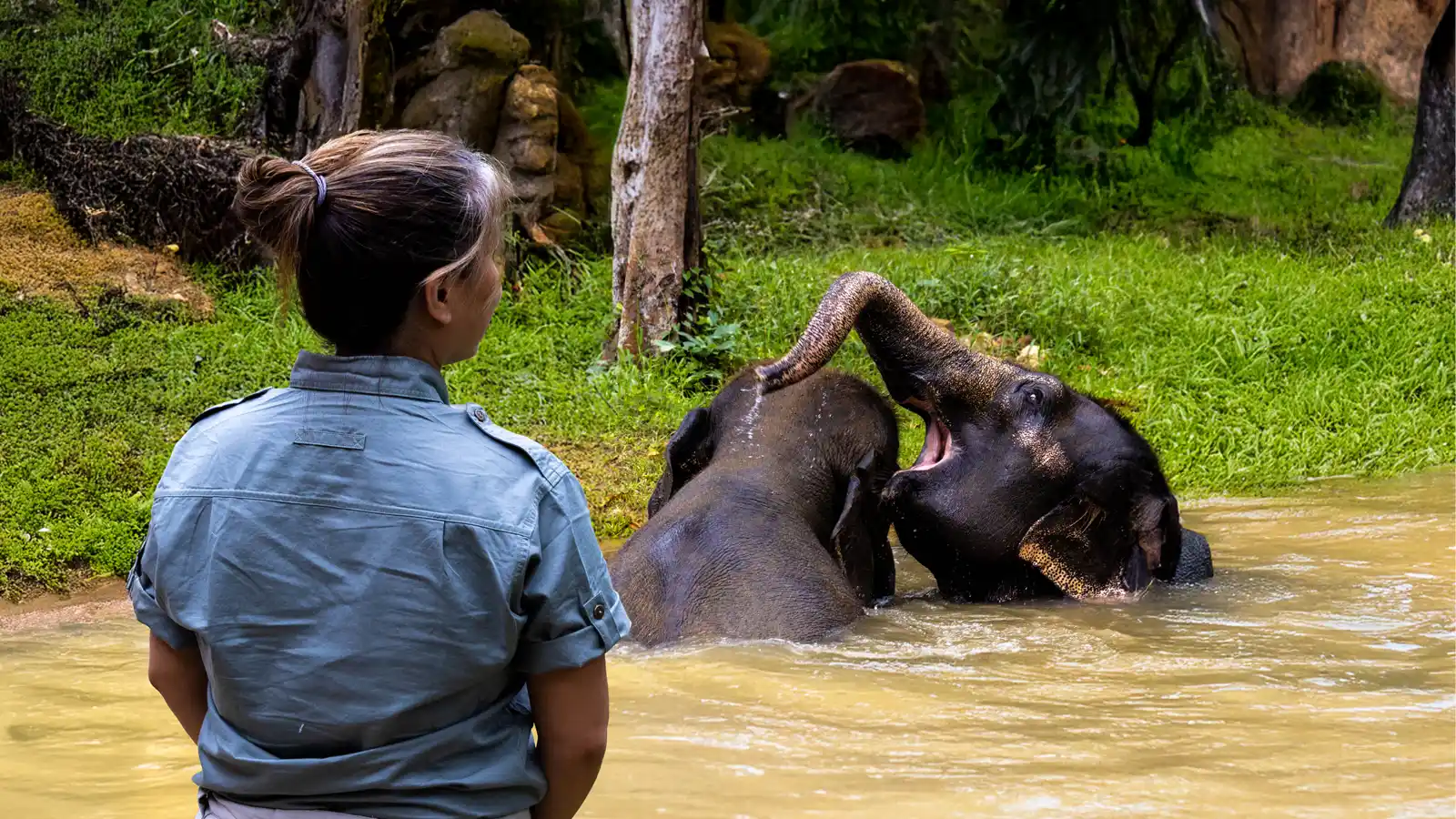
Drifting over the Gulf of Thailand, the mainland dissolves behind you into a mix of ocean mist and sunlight sparkles, and the glint of beaches and palm trees begins to rise up in front of you. That’s when Koh Samui starts to feel real.
Koh Samui is the kind of island paradise that draws adventurous families. The heat pulls people toward the water, the jungle presses in from the hills, and everywhere you look, the island seems alive and exciting. For families like ours, who travel with curiosity rather than just a checklist, nature, cultural, and animal experiences in Koh Samui are a natural draw. But Thailand, more than many destinations, has a bit of a rough history when it comes to ethical animal encounters.
So, how do you find ethical animal experiences in Koh Samui? Let’s dive into it.
Thailand’s Checkered Ethical Animal History
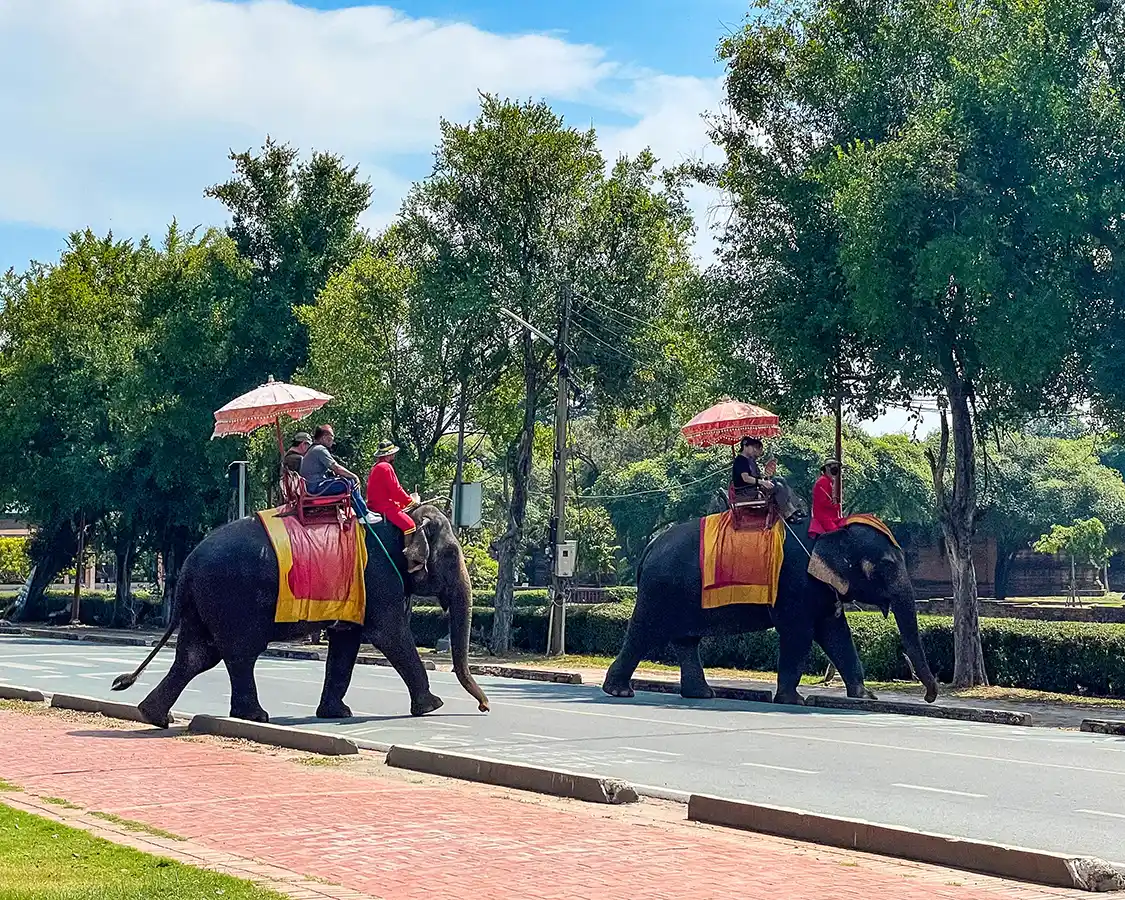
Thailand has a complicated and ever-evolving relationship with animal tourism. The same country that is home to some of the world’s most progressive elephant rehabilitation programs also has thousands of roadside venues still using hooks, chains, sedatives, and packed performance schedules on the very animals those “sanctuaries” exist to rescue.
Riding elephants is still actively marketed at many heritage sites throughout Thailand. The term “Sanctuary” has been hijacked by shady businesspeople and organizations that hope those visiting their attraction won’t bother looking past the name. The distinction between a genuine rescue operation and a well-branded tourism business is not always evident without diving in deeper than most people are willing to do.
For families who want to travel Thailand thoughtfully and care about why certain animal experiences cause harm that isn’t visible in the moment, and who want to be part of a movement toward correcting unethical animal abuse in travel, Koh Samui offers genuine options.
This guide is for them. The people who genuinely care.
Why Ethical Animal Tourism Matters in Thailand
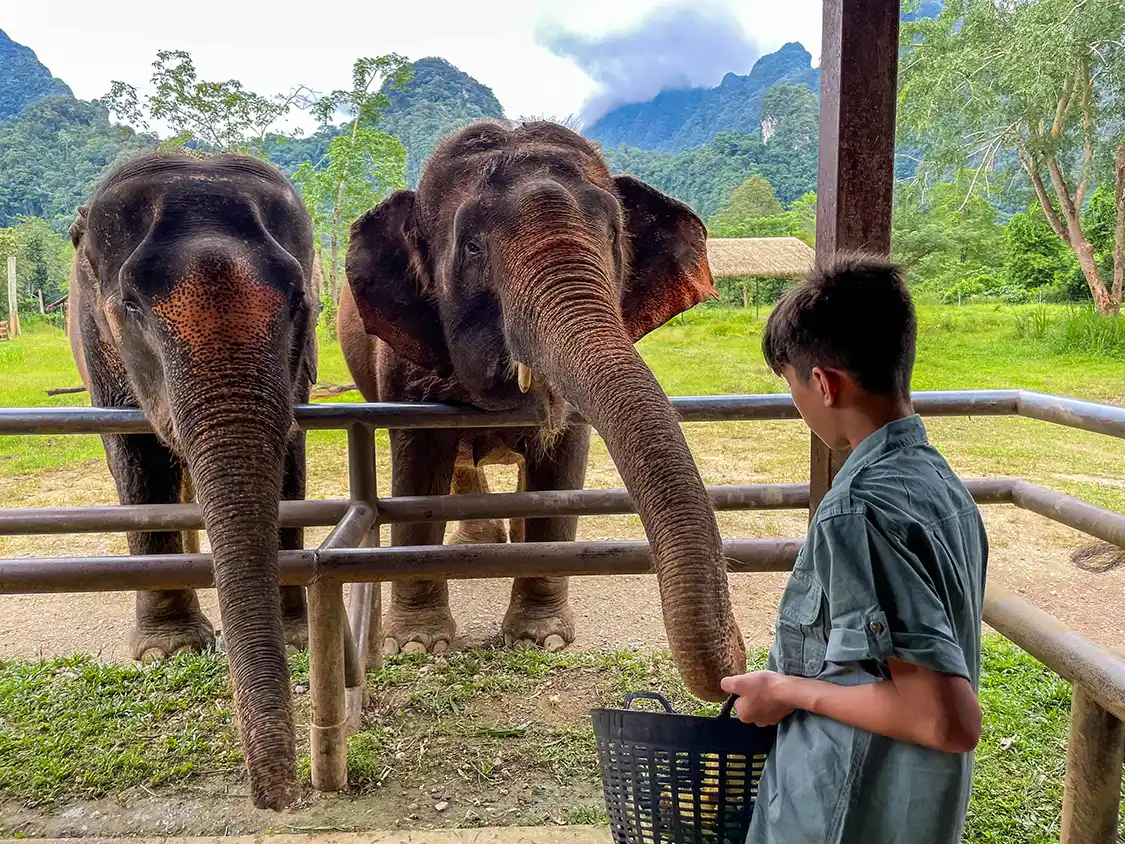
Thailand’s wildlife tourism industry is enormous. Tens of thousands of animals, including elephants, tigers, gibbons, slow lorises, sea turtles, and many more, are estimated to be directly involved in tourist interactions each year.
For centuries, elephants were the engines of Thailand’s economy. Trained and guided by mahouts, their handlers, who often bonded with a single elephant for life. They felled timber in the northern highlands, hauled logs through terrain no machine could reach, and played a key role in construction, warfare, and royal ceremony.
That changed in 1989, when Thailand banned commercial logging in response to catastrophic flooding caused by deforestation. Overnight, an estimated 3,000 to 4,000 working elephants and the mahout families who depended on them lost their livelihoods. With nowhere else to turn, many entered the tourism industry. Elephants moved from logging camps to trekking camps, from hauling timber to carrying tourists, and the centuries-old mahout tradition was bent toward a very different kind of work.
Thailand’s domesticated elephant population has declined significantly over the past century, and a large portion of those that remain are still working in conditions that cause chronic physical and psychological harm. I have a long way to go before it can reach the wild, safari-focused best natural wildlife experiences around the world, like our safaris in Tanzania and Argentina.
In cities like Ayutthaya, riding camps and performance shows can be found openly, relying on a training process known in Thai as phajaan, or “the crush.” This is a type of training designed to break the animal’s spirit through prolonged restraint, sleep deprivation, pain, and isolation from the mother when the elephant is young.
An elephant that allows a stranger to ride it or perform on command has likely not been trained through trust. That unnatural compliance comes from fear. This is not something you’ll see widely advertised on the colorful tourist brochures that are handed out at hotels and local visitors’ centers.
It’s not all bad news, though, because things are changing. In popular Thailand destinations like Koh Samui, ethical animal experiences and sanctuaries are growing. Research by World Animal Protection found that between 2016 and 2019, participation in elephant riding among tourists to Thailand dropped by 12 percent. Sanctuary-model venues that prioritize animal welfare over exploitation are growing in number and quality.
When a family chooses a genuine Koh Samui animal sanctuary over a riding camp, they are not simply opting for a nicer afternoon; they are helping shift the economics of an industry that responds to demand. We saw this change firsthand when we visited River Kwai Floating Jungle Lodge near Ayutthaya.
The lodge was staffed mainly by Mon Villagers, an ethnic group that fled the Myanmar/Burma ethnic cleansing. They have an elephant and its mahout on-site. But they have stopped offering rides. The elephant still helps with maintenance within the village. But this is all part of the long, slow process of changing a cultural relationship with animals. As much as we would all want them to, these changes do not happen overnight.
Koh Samui sits at an interesting intersection of this shift. Because it is a major international tourist destination with a relatively progressive approach to wildlife tourism compared to some mainland regions, the island now has several genuinely well-run ethical animal experiences. It also has venues that use the language of ethical tourism without the substance. The distinction matters, and learning to read it is a skill that will serve families well across all of Thailand’s most family-friendly destinations.
What Actually Makes an Animal Experience Ethical?
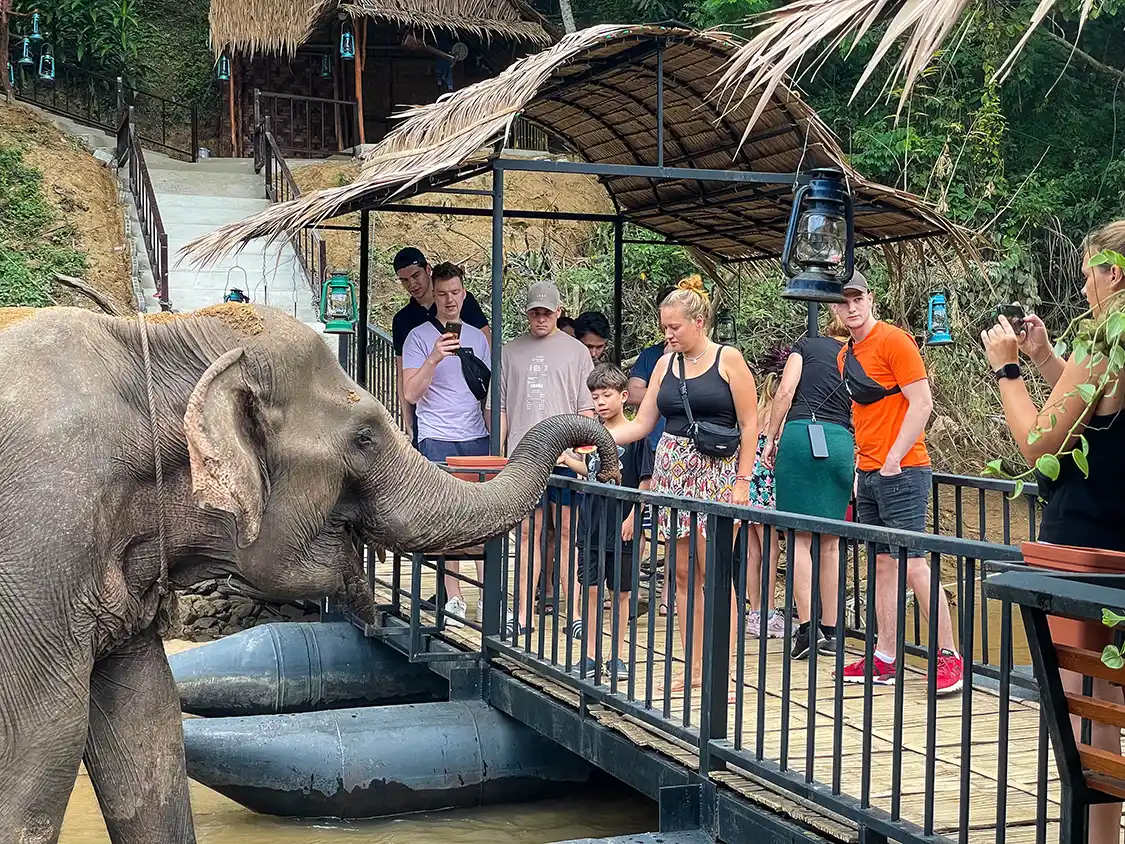
Before getting into specific ethical Koh Samui animal encounters, it helps to have an understanding of what the term “ethical” actually means when it comes to animal tourism. This term can be interpreted very broadly, and every elephant camp on the island is happy to describe itself as a sanctuary. Not all of them mean it. Some outright lie, and others might think they’re doing a good thing when they’re actually part of the problem.
Recognizing a genuine ethical wildlife experience in Koh Samui can be tough, but they all share a few key criteria:
- No riding, performing, or forced posing. This is the most visible marker, but not the only one. An elephant that is not being ridden can still be living under exploitative conditions.
- Animal interactions are animal-led. If an elephant chooses to walk away from visitors, it walks away. No handler redirects it back. Food should not be used to manufacture an approach that wouldn’t otherwise happen.
- No sedation or unnecessary restraint. Animals that appear unusually calm or compliant, especially smaller animals like slow lorises or big cats (anything involving a tiger is a red flag), are almost always sedated. Walk away from these places and don’t look back.
- Visitor numbers are capped. Genuine animal sanctuaries limit the number of guests to reduce stress on the animals. High-volume tour buses are a clear warning sign.
- A conservation or rehabilitation mission exists independently of tourism. The best venues would continue to operate with or without visitors. Tourism funds the mission; it is not the only mission.
- Transparency about the animals’ histories. Ethical sanctuaries can usually tell you where each animal came from, what their health condition was when they arrived, and what their long-term care plan looks like. Vague answers to these questions are a warning sign.
These tips can be used throughout Thailand, whether you are exploring as a family or on your own. It’s a similar approach to the one I had when visiting the Karen hill tribe communities near Chiang Mai. Transparency, community benefit, and visitor-led respect apply to the diverse and remote human communities in Thailand as much as they do to animals.
Ethical Animal Experiences in Koh Samui
Samui Elephant Sanctuary: Koh Samui’s Original Ethical Elephant Encounter
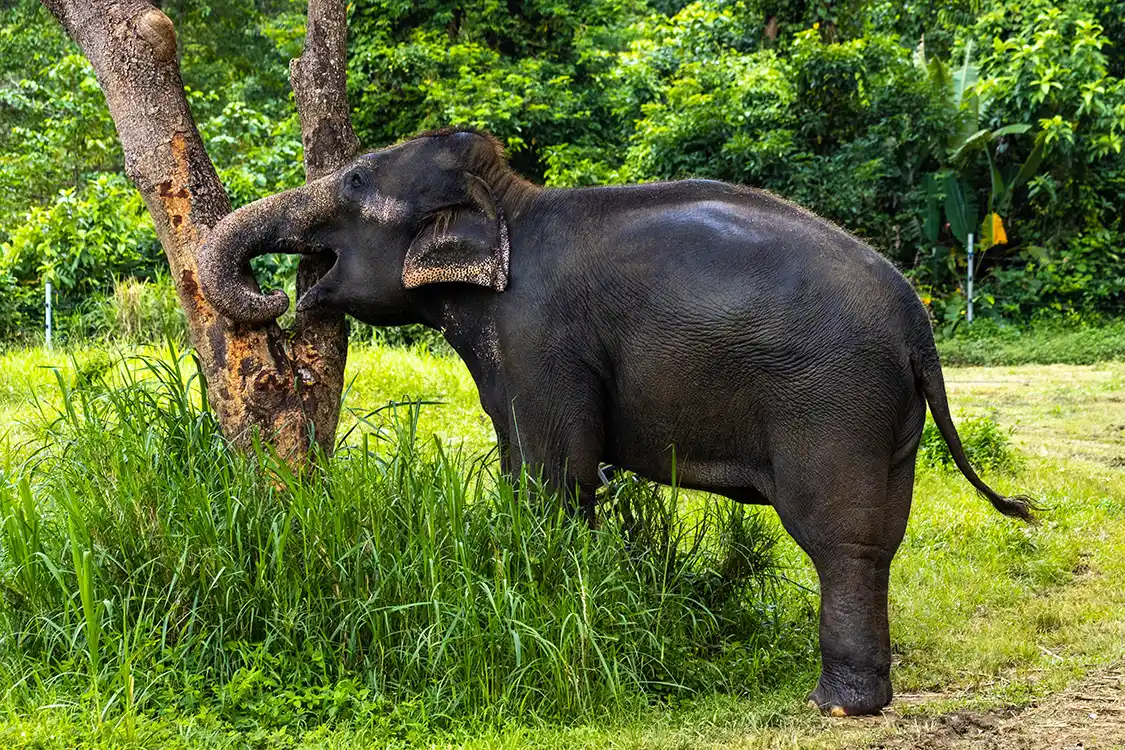
When Samui Elephant Sanctuary opened its Bophut location, it was the first ethical elephant sanctuary established on Koh Samui, and it remains one of the most professionally run. A second location has since opened at Chaweng Noi, allowing the sanctuary to take in more elephants. Between the two sites, the sanctuary is home to older female elephants who had previously spent decades working in logging camps or in the elephant-riding tourism industry before being rescued.
Samui Elephant Sanctuary has an observational model. Visitors prepare fruit snacks and walk quietly alongside the elephants at a respectful distance, watching them socialize, forage, and play in mud pits entirely on their own terms. No bathing with crowds, no riding, no tricks. The sanctuary operates in partnership with the Elephant Nature Park in Chiang Mai. This is the same organization behind some of Thailand’s most respected ethical elephant programs. It has received Best Animal Welfare recognition from the Tourism Authority of Thailand.
This experience is good for families with children of all ages. The morning programs run three hours; a shorter 1.5-hour encounter is available at Chaweng Noi for younger or less patient visitors. Kids typically respond strongly to the preparation aspect: being given a job, making snacks, and walking alongside the elephants.
Rather than using a booking site like Viator or GetYourGuide, book directly via their website to ensure your fee goes directly to the sanctuary.
Samui Elephant Kingdom: The Skywalk Experience
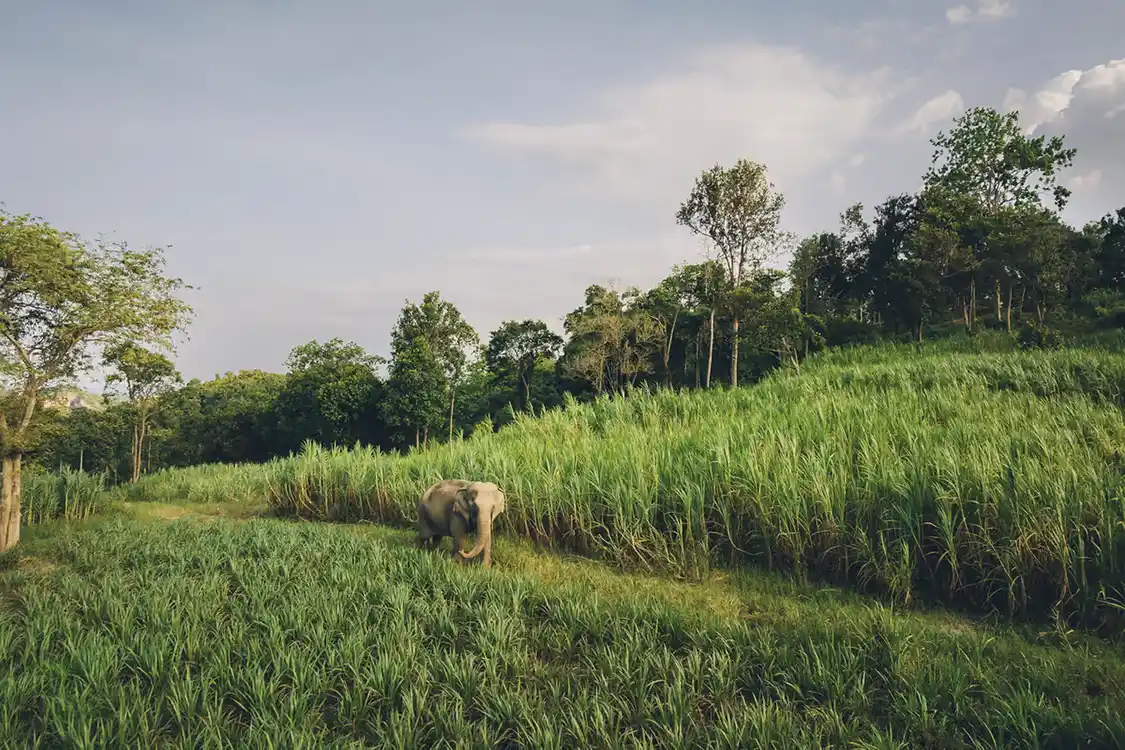
For families who want to prioritize minimal animal interference above all else, Samui Elephant Kingdom has built something genuinely unique in Koh Samui: a 400-meter-long elevated wooden skywalk that runs above the elephants’ enclosed natural habitat, allowing visitors to watch the herd socialize, forage, and move freely without any human presence at ground level.
The sanctuary’s rescued elephants are not required or encouraged to approach visitors, perform, or make themselves available for photographs, as more hands-on venues require. Supervised feeding from the skywalk deck is part of the program, but the sanctuary is clear that this is a structured activity rather than open access, and that hands-off observation of natural behavior is the point.
The experience is quieter than many families might expect. There is no close-up animal interaction. But the elevated view of animals moving freely through their own space is, in many ways, a more honest and true-to-nature wildlife encounter than anything built around a food-driven approach.
This experience is good for families with older children and teenagers who are genuinely curious about animal behavior and conservation. Younger children who need tactile or close-up engagement may find this less satisfying than other options here. It’s worth building into a half-day Koh Samui itinerary and combining with another activity.
Rather than using a booking site like Viator or GetYourGuide, book directly via their website to ensure your fee goes directly to the sanctuary.
Samui Elephant Home: Conservation and Education
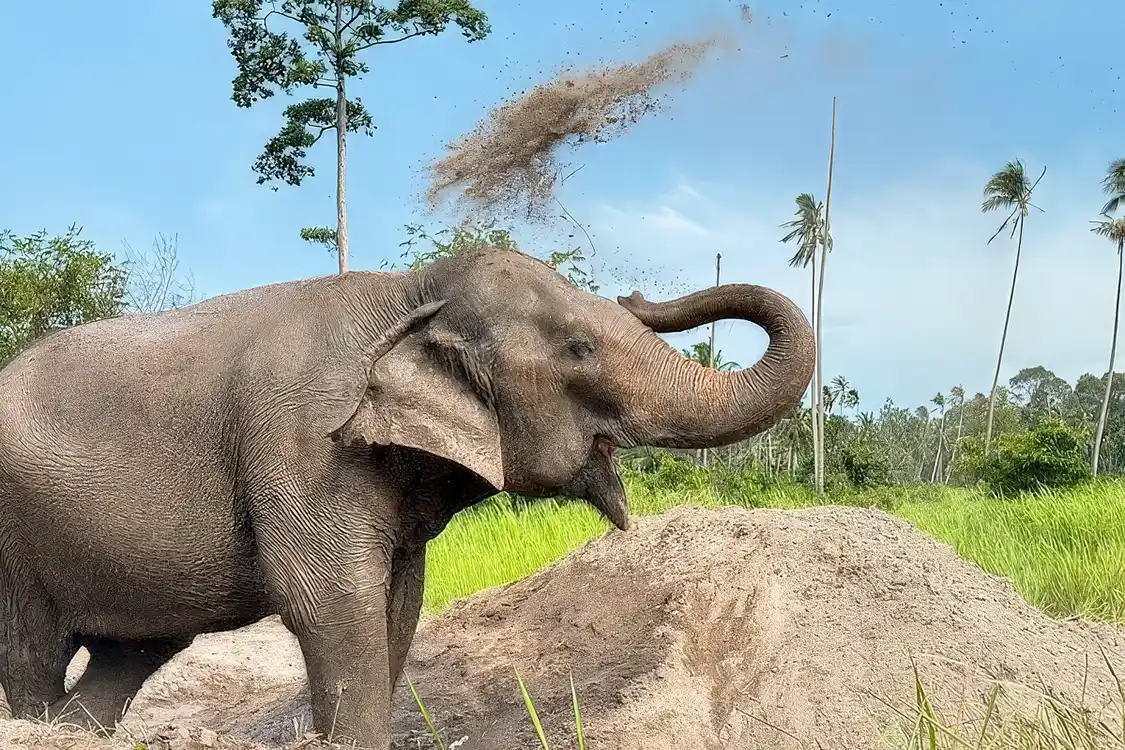
Many elephant sanctuaries lean toward observation and quiet interaction; Samui Elephant Home leans into education and active participation in conservation. Their program includes a visit to the island’s first Elephant Museum. The museum is packed with interactive exhibits tracing the relationship between Thai culture and elephants across history. It’s followed by a guided jungle walk alongside free-roaming elephants observed in their natural behaviors.
The standout element is a hands-on conservation activity at the end: visitors make seed bombs from clay and native plant seeds, then launch them into the surrounding forest to contribute to habitat restoration for the elephants. It is an unusual and genuinely fun way to make the conservation mission hands-on, especially for children who learn best by doing rather than watching.
This experience is good for families with children who engage well with structured learning and hands-on tasks. The museum component adds real context to the walk. The seed bomb experience tends to be the standout moment. It’s a bit silly, a bit physical, and directly connected to a real conservation outcome that children can understand and feel ownership over.
Rather than using a booking site like Viator or GetYourGuide, book directly via their website to ensure your fee goes directly to the sanctuary.
A Note on Koh Madsum (Pig Island)
If you’re researching family travel in Koh Samui, you’ll likely encounter references to Koh Madsum, also known as Pig Island. Whether this is a genuine ethical animal experience is a bit more complicated than some of the places that I listed above.
The origin story of Koh Madsum is genuine: a local caretaker named Mr. Kitt rescued a family of pigs from a market in Surat Thani and brought them to live freely on the island’s shores. The pigs are real, and there are no cages or chains keeping them enclosed.
However, this is not the same category of experience as the elephant sanctuaries that I listed above. While local caretakers manage the pigs, the animals depend completely on tourists for food and water, and the experience can be highly stressful due to heavy, unregulated crowds.
There are no visitor caps, no organized welfare program, and no training in responsible animal interaction for the many large-group tours that arrive daily. If this experience is on your itinerary, perhaps reconsider it in place of one of the experiences above, or go into it with realistic expectations and a commitment to following the animals’ lead rather than chasing an interaction.
How to Know if a Thailand Animal Experience Is Ethical
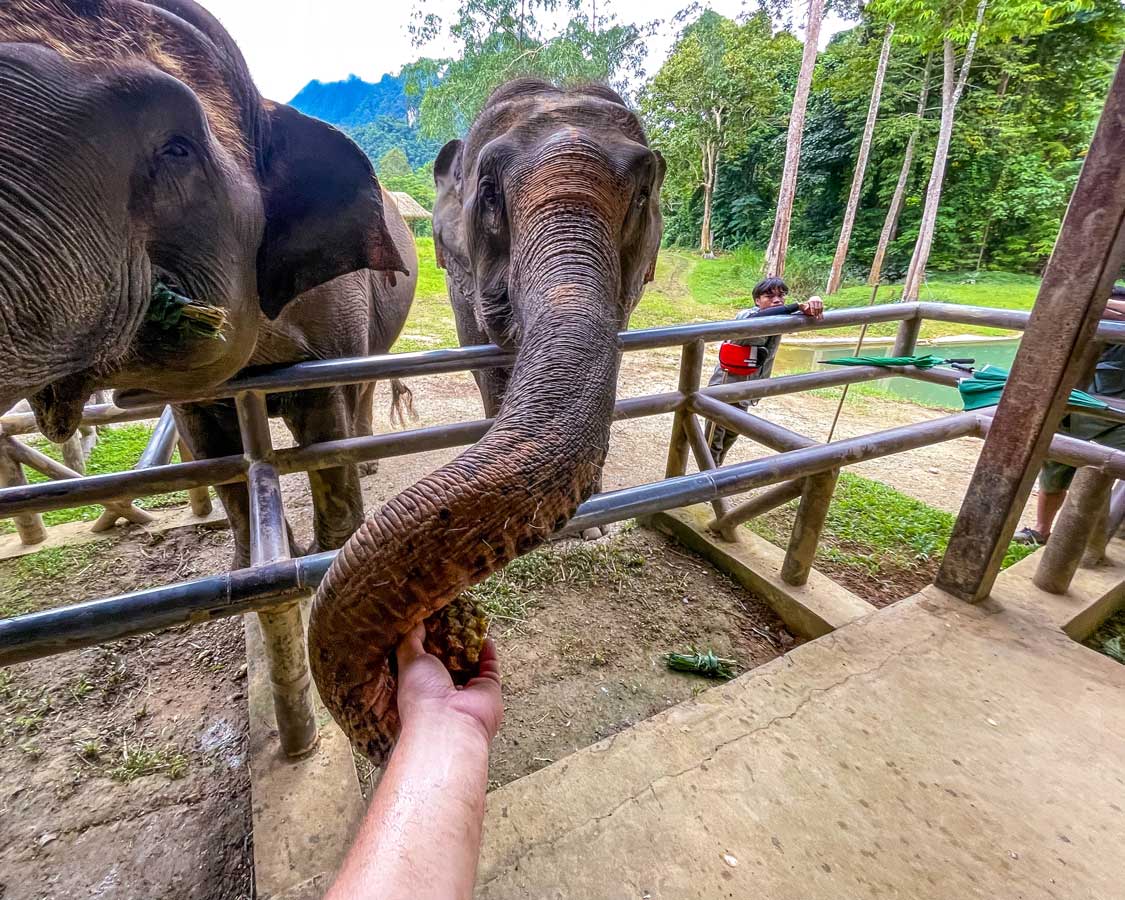
Thailand’s animal tourism landscape changes constantly. Venues open, close, and rebrand. No single list of experiences stays current for long. What does stay current is a set of questions you can ask before you book anything, anywhere in the country.
- Ask what happens when you are not there. A genuine sanctuary cares for its animals every day, not just during visitor hours. Staff should be able to tell you about daily routines, veterinary care, and long-term plans for each animal. Vague or deflecting answers are a signal.
- Look for what the experience does not offer. Ethical venues are defined almost as much by what they refuse to do as by what they provide. No riding. No performing. No bathing with tourists. No selfie props. If these are absent from the program, that is meaningful.
- Check for independent accreditation or partnerships. Affiliations with organizations like the Elephant Nature Park, World Animal Protection, or the Global Federation of Animal Sanctuaries are meaningful markers. They involve accountability that most exploitative venues avoid.
- Watch how the animals behave. Elephants that sway repetitively or rock from side to side are showing signs of chronic stress. Big cats that allow unusually close human contact are almost certainly sedated. Animals that approach tourists persistently and refuse to disengage have been conditioned by food, not socialized naturally.
- Notice whether the animals can say no. In a genuine sanctuary, an animal that chooses not to engage is allowed to disengage. Watch what happens when one does. If a handler redirects it back toward the tourists, that is your answer.
- Ask who benefits financially. The best sanctuaries are transparent about how revenue is used — animal care, staffing, feed, veterinary costs, and habitat. Venues that profit primarily from tourist volume without clear reinvestment in welfare are operating a different kind of business than the word “sanctuary” implies.
How To Get To Koh Samui
Most visitors reach Koh Samui from the mainland by ferry. The most straightforward crossing departs from Donsak on the Surat Thani coast. The Donsak to Koh Samui ferry runs multiple times daily and takes around an hour, making it an easy and scenic way to arrive if you are combining the island with broader Thailand travel planning that includes the mainland or other islands like Phuket.
The decisions you make about which experiences to support once you are there are among the most consequential travel choices you can make in this part of the world. On Koh Samui, at least, the right options are genuinely worth the journey.
Tips for Visiting Koh Samui
- Best time to visit: November through April offers the driest, sunniest weather. The island has its own microclimate, while the west coast of Thailand (Phuket, Krabi) is in monsoon season, Koh Samui is often still dry, and vice versa. October and November bring the heaviest rains.
- Getting around: Renting a scooter is the most common way to explore, but for families with young children, a car hire or songthaew (shared red truck taxi) is a safer and more practical option. Roads in the interior hills can be steep and narrow.
- Book Koh Samui animal sanctuaries in advance: All three elephant sanctuaries cap daily visitor numbers. This is part of what makes them ethical, and it also means they fill up fast, especially in high season. Book directly through the sanctuary websites rather than through third-party tour desks.
- Currency and cash: Most Koh Samui animal encounters, markets, and smaller restaurants prefer cash. ATMs are widely available but carry foreign transaction fees. Withdraw larger amounts less frequently.
- Sun and heat: The island sits close to the equator, and the midday heat is serious. Schedule outdoor activities, including ethical animal sanctuary visits, for early morning, whenever possible. Most sanctuaries run morning programs for exactly this reason.
- Reef-safe sunscreen: If you are snorkeling or swimming near coral, bring reef-safe sunscreen from home. It is harder to source locally, and the reefs around Koh Samui and nearby Koh Tan are worth protecting.
- Respect local customs: Remove shoes before entering temples, dress modestly away from the beach, and greet locals with a wai (a slight bow with palms pressed together). Small gestures like this go a long way to building mutual respect with local communities in Thailand.
Travel Resources for Families Visiting Thailand
For practical planning, safety considerations, and logistics, these dedicated guides provide deeper support for families interested in travel to Thailand.

This page is updated as new regional guides and planning resources are published. Looking beyond Thailand? Explore my International Family Travel Guide.
Cathy B
Wednesday 3rd of June 2026
Great information and genuinely useful. Thanks Kevin!
Kevin Wagar
Wednesday 3rd of June 2026
Thank you for the kind words Cathy!