Wondering what toys you can bring on a plane? Learn which kids’ toys are TSA-approved, which to avoid, and smart packing tips for flying with children.
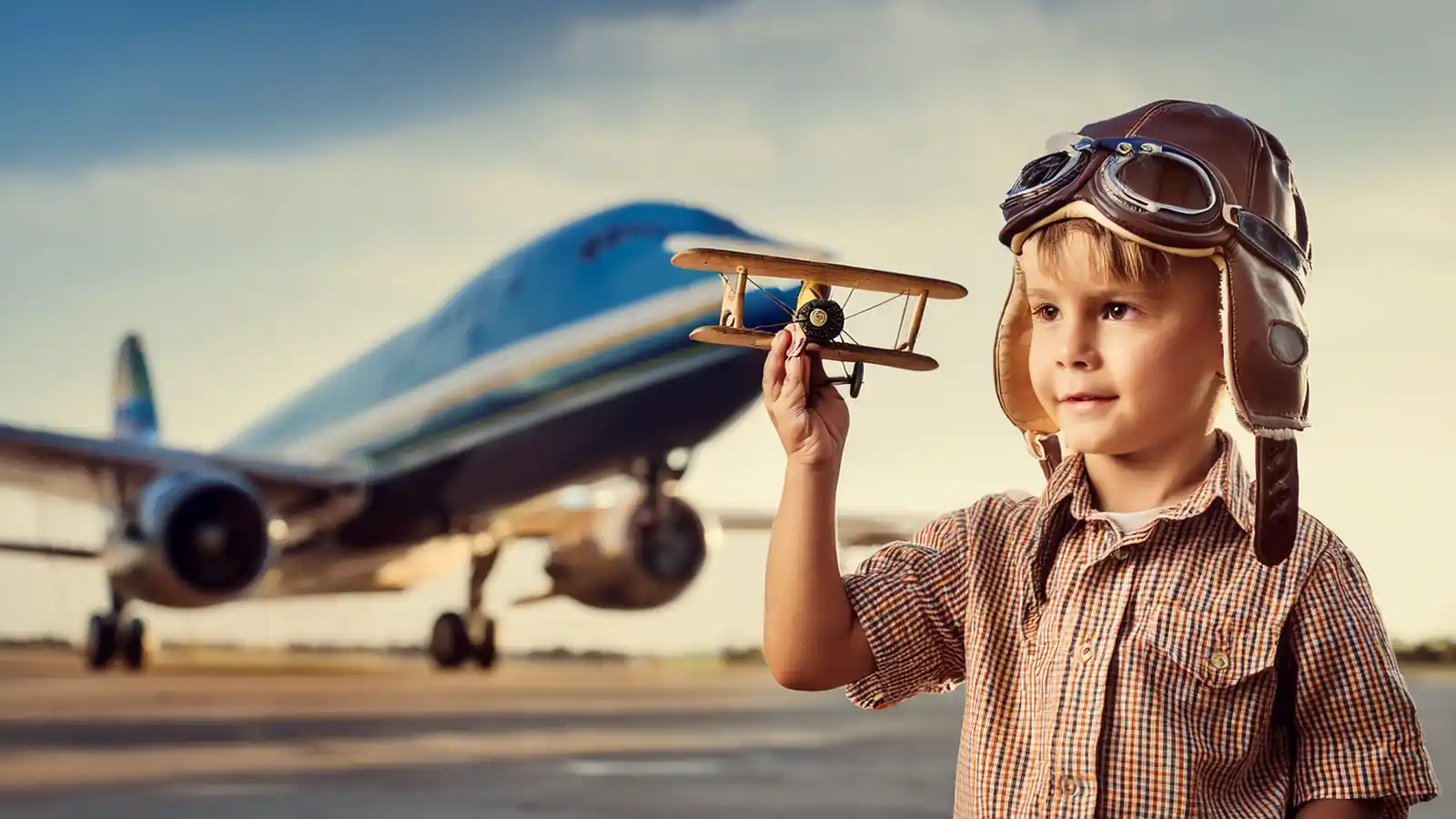
Traveling with kids and toys is a bit of an art form.
On long-haul flights, the right toy can buy you an hour of peace, help kids cope with nerves, and cut down on the “Are we there yet?” soundtrack. It’s one of many ways to make traveling with kids fun and enjoyable. But packing the wrong toy can do the exact opposite. It can cause your bags to get pulled, create delays at security, and sometimes end up in the trash before you even reach your boarding gate.
After more than 14 years of traveling with our kids through more than 40 countries, we’ve had our share of close calls (and one very questionable souvenir club). Here’s a practical, parent-tested guide to which toys can cause problems with airport security, what happens if TSA flags them, and how to pack smarter so your holiday flights go smoothly.
Which Popular Toys Cause Problems With TSA?
Not every toy is created equal in the eyes of airport security. Some are harmless time-killers; others look way more dangerous than they are once they go through an X-ray machine.
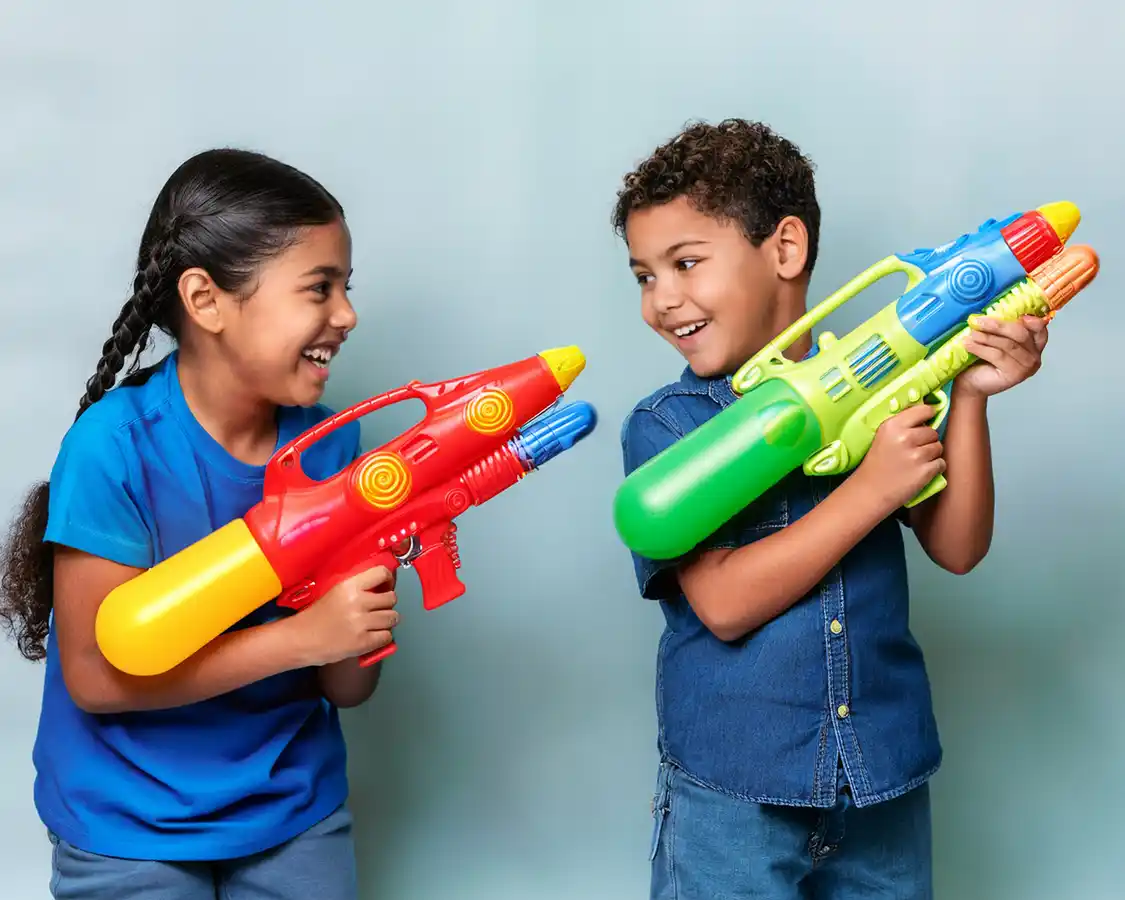
Toy guns and weapon-style toys
These are the big troublemakers.
Think:
- Nerf-style blasters
- Water guns and cap guns
- Realistic-looking toy pistols or rifles
- Toy swords and daggers (especially metal ones or anything that looks like a blade)
TSA guidance is clear: any items that resemble realistic firearms or weapons are not allowed in carry-on bags. Replica firearms, including toy replicas, can only be transported in checked baggage.
Why it’s a problem:
On an X-ray, a toy gun or realistic-looking sword doesn’t say, “Relax, I’m from the toy aisle.” It looks like a potential weapon. That can trigger extra screening or even a security response while officers make sure it’s not real.
Toys that contain liquid
These ones often catch parents off guard because we see them as “souvenirs” or “toys,” not “liquids”:
- Snow globes
- Magic 8 Balls
- Toys with gel or liquid centers
- Bubble toys with a solution inside
TSA’s liquid rule still applies: anything over 3.4 oz / 100 ml in your carry-on is a no-go, and everything must fit inside a single quart-sized liquids bag if it’s coming through security. Snow globes larger than that need to go in checked baggage.
Battery-powered toys (especially with lithium batteries)
More and more toys rely on rechargeable lithium batteries:
- Remote control cars and drones
- Robotic pets
- Portable game systems
- Kids’ cameras, power banks, and charging cases
Here, you’re dealing with two sets of rules: TSA security and dangerous-goods rules around lithium batteries.
- Devices with batteries installed are usually allowed in both carry-on and checked baggage.
- Spare or loose lithium batteries and power banks are generally not allowed in checked bags and must be in carry-on only, with terminals protected from short-circuit. More about traveling with lithium batteries can be found on the FAA website.
Many airlines now have capacity limits (measured in watt-hours) and their own extra restrictions, so it’s worth checking with your carrier if your child’s toy uses a big battery (like some drones or high-powered RC cars).
What Happens If TSA Flags A Toy In Your Carry-On?

When a questionable toy goes through the X-ray, here’s what usually happens:
1. Your bag gets pulled for secondary screening
A TSA officer will manually inspect the bag. That often includes:
- Removing everything from the bag
- Swabbing the bag and/or items for traces of explosives or other substances
2. The item is inspected and questioned
If the officer finds something that doesn’t meet TSA security standards, they’ll:
- Look closely at the item
- Ask what it is and what it’s used for
- Decide whether it can fly in carry-on, needs to be checked, or can’t fly at all
3. You’re given options—if the item isn’t a serious threat
Typically, you’ll be offered one of three choices:
- Surrender it (it goes in the bin, and you don’t get it back)
- Return to the check-in counters and place it in checked baggage (if time allows and the item is allowed in checked)
- Hand it to someone not traveling, if you still have a friend or family member in the terminal
If the toy looks like a realistic weapon or possible explosive—say, a replica grenade or something that could conceal a device—things can escalate. Security may temporarily shut down a lane, or even a whole checkpoint, while they confirm there’s no threat.
If you’re found to be transporting banned hazardous materials (like certain explosives or undeclared dangerous goods), you could also face fines or civil penalties under FAA rules.
In short:
- Best case: the toy is confiscated, and you lose some time.
- Worst case: you delay a lot of people and risk a fine.
Can These Toys Go In Checked Luggage Instead?
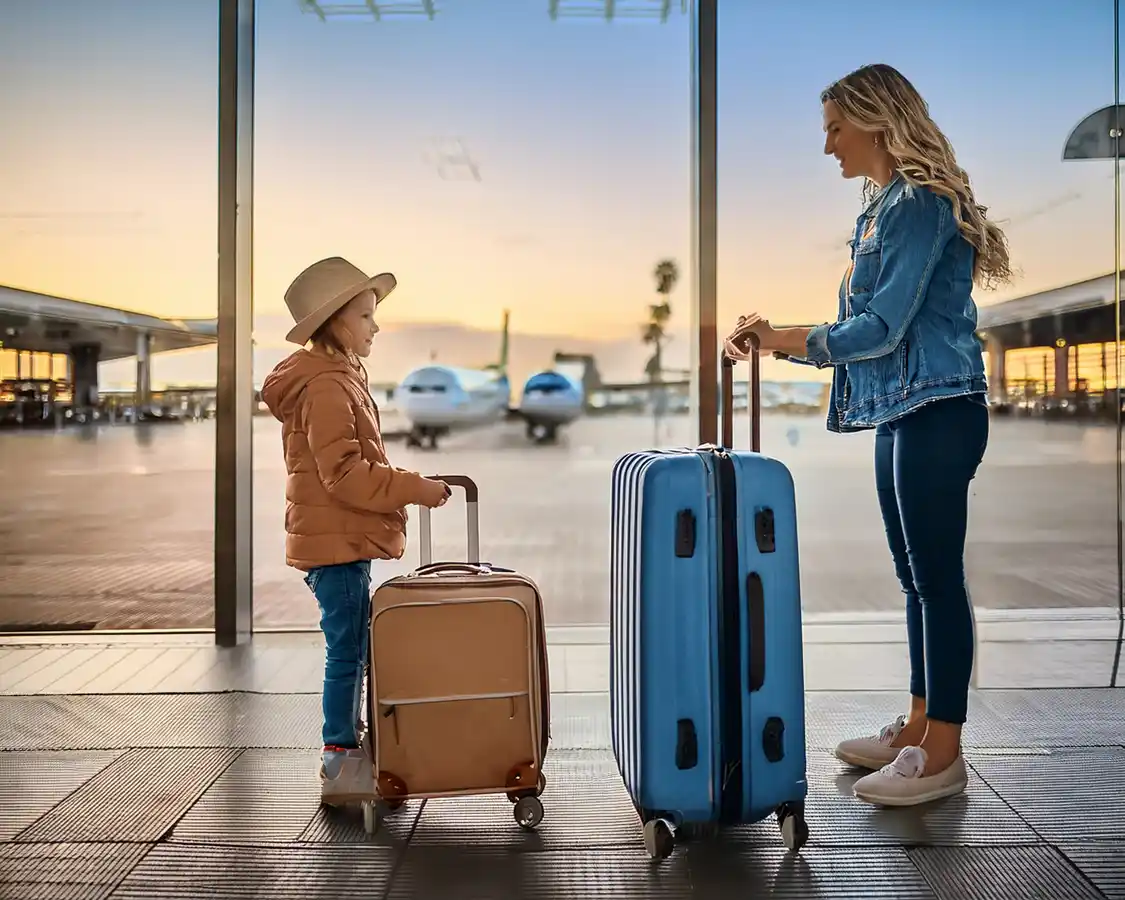
The good news is that many toys that are a problem in carry-on are perfectly fine in checked bags. But there’s a catch. You still can’t cross into “hazardous material” territory.
Toy guns, swords, and similar items
Most replica firearms and toy weapons are allowed in checked luggage, even if they’re banned from carry-on.
A few tips:
- Pack them in the middle of your suitcase, surrounded by clothing, so they’re cushioned.
- If it looks very realistic, consider placing it inside a smaller case or bag within your suitcase to avoid confusion during screening.
- Skip anything that looks like an explosive (replica grenades, stick “dynamite,” etc.). Those are dangerous and never worth the risk.
Liquid-filled toys
Snow globes and other liquid-filled souvenirs that are too big for carry-on can go in checked bags, as long as they don’t contain other restricted substances.
Pack them safely by:
- Putting them in a waterproof bag (zip-top bag works great)
- Wrapping them in soft clothing or bubble wrap to survive baggage handling
Battery-powered toys
This is where you want to slow down and think:
- Devices with lithium batteries installed are generally allowed in checked baggage.
- Spare batteries and power banks must go in your carry-on with terminals protected and often with quantity and size limits.
Since checked bags are screened without you present, TSA agents can open your luggage to remove items that violate rules. You won’t be there to argue your case or repack things.
When in doubt, I keep:
- The most important/expensive devices (like cameras and game systems) in your carry-on
- Spare batteries and power banks in carry-on only, in individual protective sleeves or cases
For the latest list of what’s allowed in checked bags, refer to the TSA’s “What Can I Bring?” tool on their official website.
Why Toys Get Confiscated Or Thrown Out
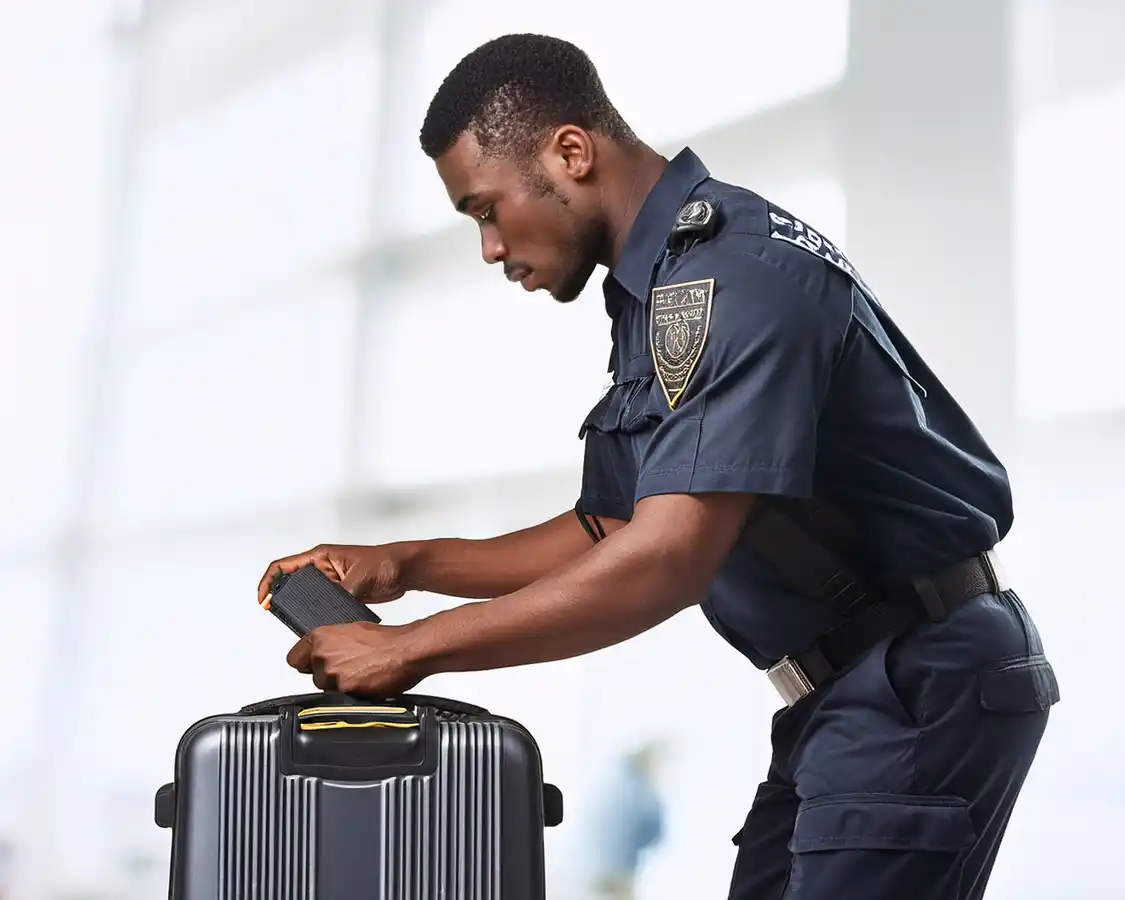
From what we’ve seen, and from what the rules say, the most common reasons toys and kids’ items get confiscated are:
1. Liquids over 3.4 oz / 100 ml in carry-on
This includes:
- Oversized snow globes
- Slime or gel toys
- Bubble solution
- Large bottles of kids’ toiletries
Anything over 100 ml in carry-on is usually tossed or has to be checked.
2. Items that look like weapons or explosives
Even if they’re technically “just toys,” realistic-looking weapons can cause significant issues:
- Toy guns
- Replica grenades
- Metal toy swords and knives
Replica firearms may be allowed in checked baggage only, but if they appear in your carry-on at the checkpoint, they’re almost certainly gone.
3. Hazardous materials
Anything that is flammable, explosive, or pressurized can fall into this category:
- Fireworks
- Some pressurized aerosol toys
- Certain gas-powered devices
These don’t just get “confiscated”—they get removed for safety, and you could face penalties if it’s something clearly banned. phmsa.dot.gov+1
4. Battery issues
Common problems include:
- Loose lithium batteries in checked bags
- Damaged or swollen batteries
- Devices that are overheating, hissing, or smoking
With lithium batteries linked to fires in cargo holds, airlines and regulators are very conservative here. You can check more about the FAA rules on lithium batteries here.
5. “Suspicious” or unidentifiable items
Sometimes a toy just looks strange on X-ray—dense wiring, hidden compartments, liquid sections, or odd shapes. When officers can’t confidently identify an item, they’ll err on the side of caution.
Our Family’s Airport Security Toy Mishap

This past summer, my family and I spent a month bouncing across Africa. We traveled through Egypt, Tanzania, Zimbabwe, Zambia, Mozambique, and Morocco, all with carry-on bags only.
On our second day in Tanzania, we visited a local Maasai village. After an incredible day of dancing, storytelling, and cultural exchange, we bought a few souvenirs to support the community. One of those was a talking stick—a beautifully carved piece of ebony wood, decorated and weighted.
Back at our lodge, I really looked at it and thought, “This looks… a lot like a club.”
I pictured that dense, heavy stick going through an X-ray machine and a security officer trying to decide if it was a cultural object or a weapon. We made the call right then: there was no way this was going in carry-on.
So, we did something we almost never do. We checked one of our bags for the rest of the trip. It was mildly inconvenient, but it was far better than having an important cultural souvenir confiscated or causing a headache at security.
That experience reinforced a simple rule for us: if you look at an item and wonder, “Could this be seen as a weapon?” always assume security might see it the same way. If there’s one thing that airport security officers hate, it’s travelers arguing with them about why “their” item isn’t dangerous.
Tips For Bringing Toys On Holiday Flights

After years of family travel (and a few hard-learned lessons), here are the guidelines we use every time we pack toys for a flight.
1. Think like TSA, not like a parent
Before a toy goes in the carry-on, ask:
- Does this look like a weapon?
- Does this contain liquid or gel?
- Does it have a battery (especially lithium) or visible wires?
If the answer is “yes” to any of these, double-check the rules or be ready for extra scrutiny.
2. Keep comfort and core entertainment in carry-on
What should go in your child’s carry-on:
- One or two comfort items (small stuffed animal or blanket)
- Simple, low-mess activities (card games, coloring books, puzzle books)
- A tablet or handheld console with shows and games downloaded offline
- Headphones that your child actually likes wearing
Avoid toys that are:
- Messy (slime, kinetic sand, glitter)
- Super loud
- Fragile or likely to spill
3. Avoid wrapped gifts
TSA can and will unwrap gifts if they need to inspect them, and that’s heartbreaking for kids who’ve been staring at that shiny package through the entire drive to the airport.
Instead:
- Pack toys unwrapped and wrap them at your destination
- Or pack wrapping paper and tape in your checked bag, and make it a little project when you arrive
4. Minimize “question mark” toys in carry-on
If you’re hesitating, or thinking “I wonder if TSA will have a problem with this?” that toy is either:
- A candidate for checked baggage, or
- Better left at home for this trip
You don’t need many toys on the plane; you need a small number of smart ones.
5. Have a backup if something is confiscated
Occasionally, something will get pulled that you weren’t expecting. Build a buffer:
- Keep one no-fail comfort item in a separate pocket
- Have a backup activity (deck of cards, notebook, stickers) ready to go
That way, if a toy gets tossed, your whole plan doesn’t fall apart.
6. Use official tools before you fly
TSA maintains a searchable “What Can I Bring?” list that lets you type in just about any item and see if it’s allowed in carry-on, checked, both, or neither. It’s one of the most useful resources for parents packing kids’ gear.
For Canadian departures, the CATSA “What Can I Bring?” tool offers similar guidance, including specifics on liquids, snow globes, batteries, and replica weapons.
Final Thoughts: Make Toys Work For You, Not Against You

The right toys can make holiday air travel with kids not just bearable, but surprisingly fun. The wrong toys can slow you down, disappear at security, or cause stress before your trip has even begun.
If you:
- Think like a security officer
- Keep liquids, “weapons,” and big batteries in check
- Prioritize simple, calming, screen or low-mess activities for the plane
- And double-check questionable items with official tools before you fly
…you’ll dramatically reduce your chances of running into problems at the airport.
In our family, the guiding rule is simple: the fewer questions we make the TSA ask, the smoother our journey will be.
You May Also Like To Read: