
The complete family packing list for Peru, covering men, women, teens, and kids across the Andes highlands, the Amazon Basin, and the Pacific coast. Organized as a general list plus regional kits. Built from firsthand family experience
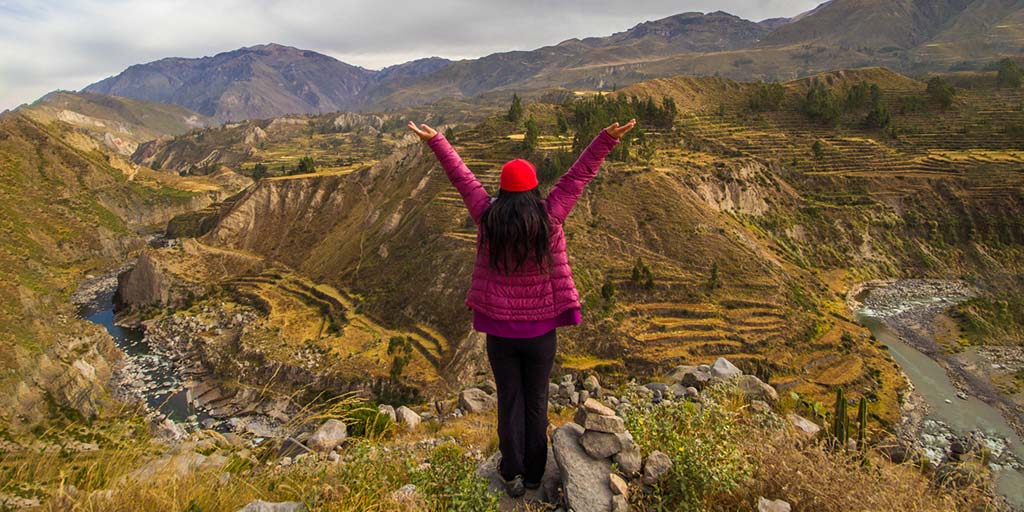
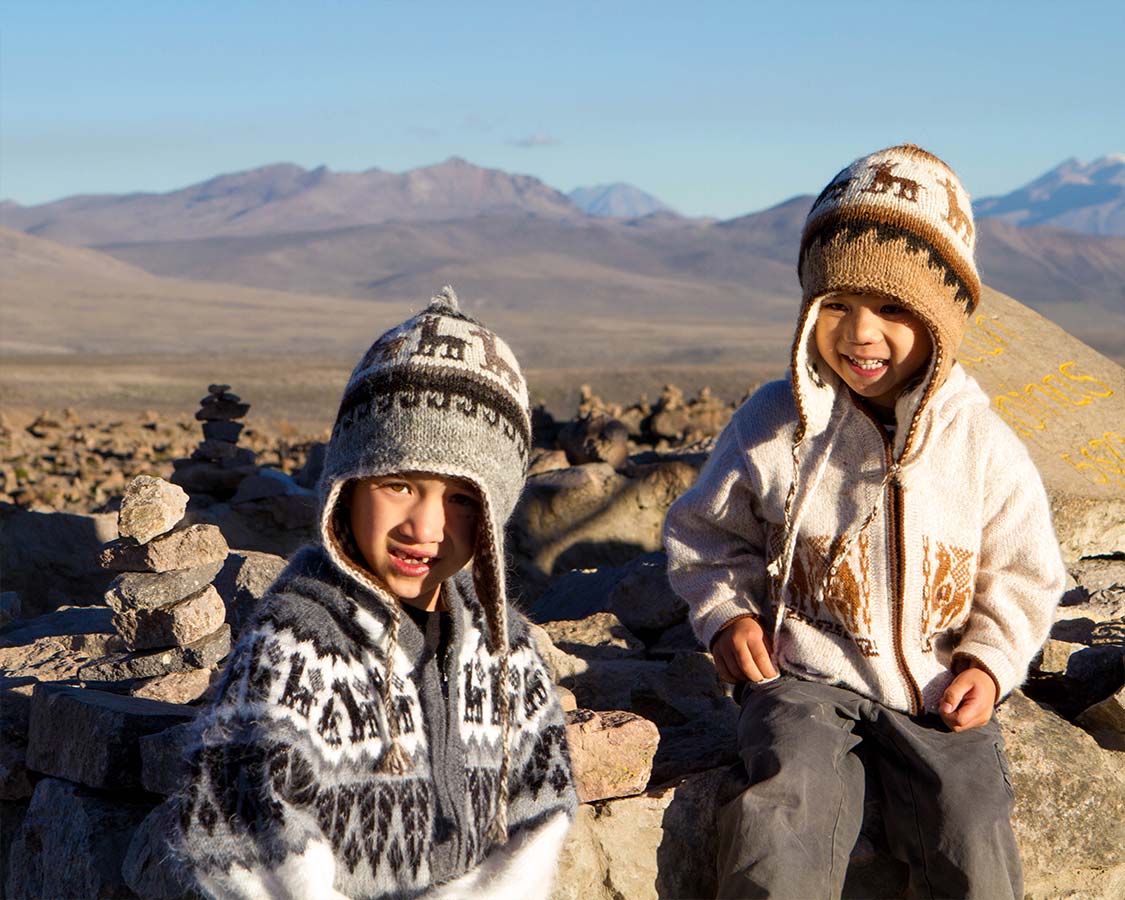
The boys pulled their new llama wool toques down over their ears and leaned into the wind.
We were standing at the Patapampa Pass, 15,800 feet (4,815 meters) above sea level on the road between Puno and Colca Canyon. The air was frigid, and the sun was powerful. Every few minutes, a blast of icy wind would rock through the valley, chilling us to the bone. The volcanoes lined up on the horizon like sentinels.
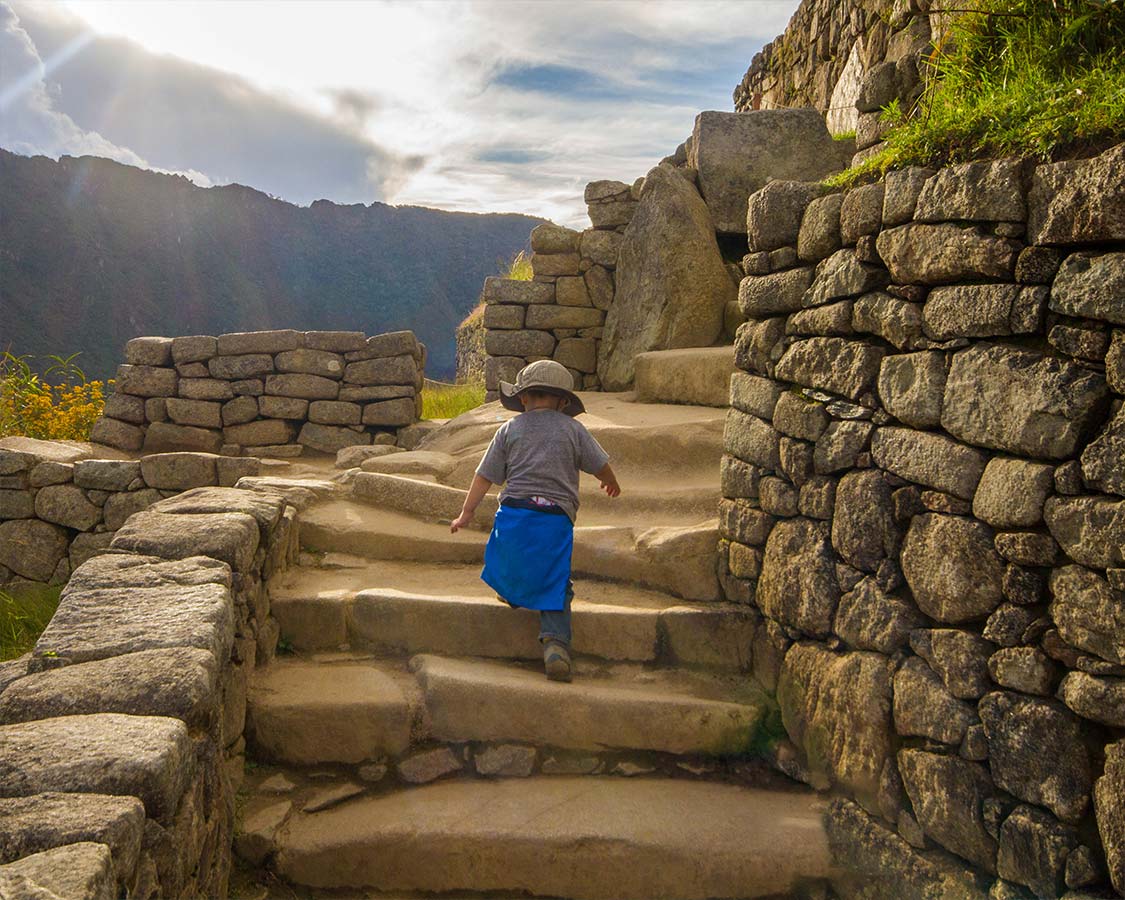
Cohen and Dylan were three and six years old. They had no business being this happy at this altitude in this cold. And yet, they were all smiles. Darting between piles of rocks left behind by previous travelers, they scampered up a wall to see who could get the best view.
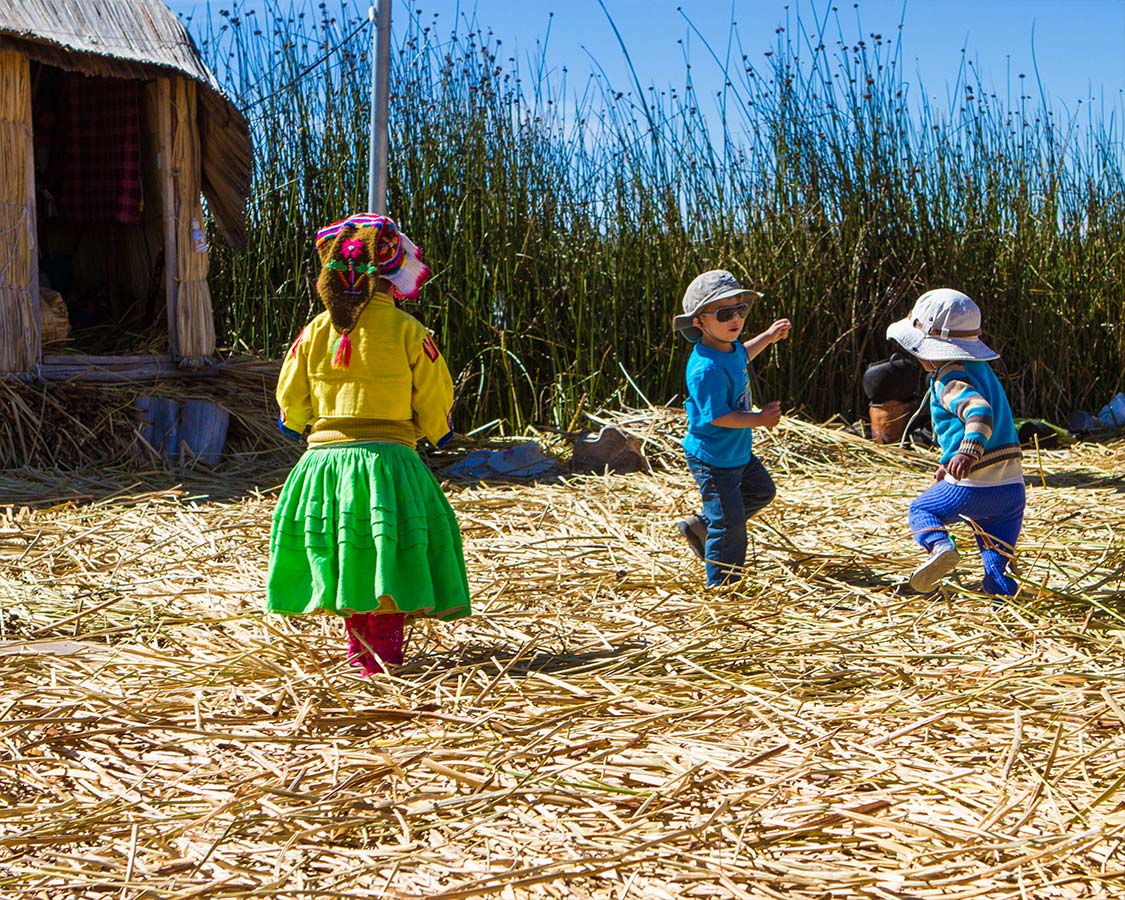
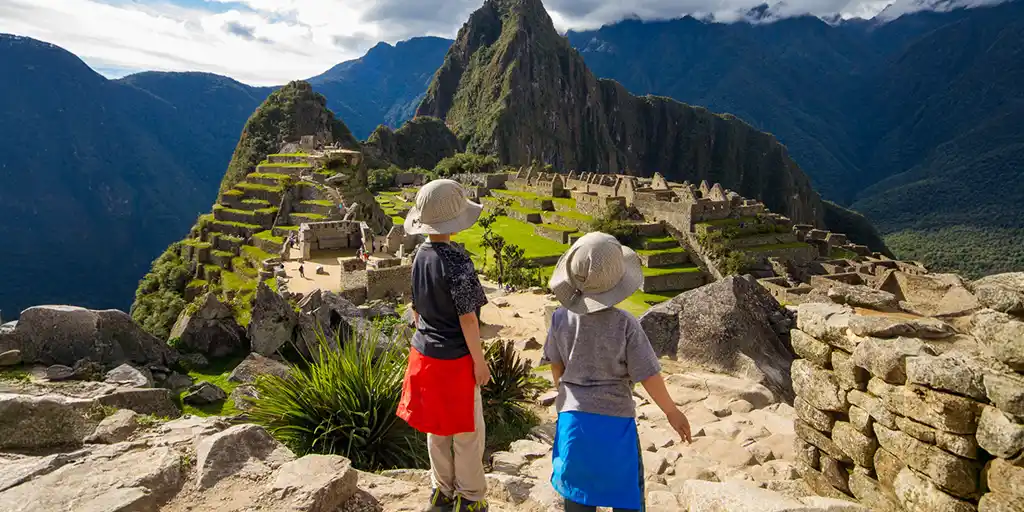
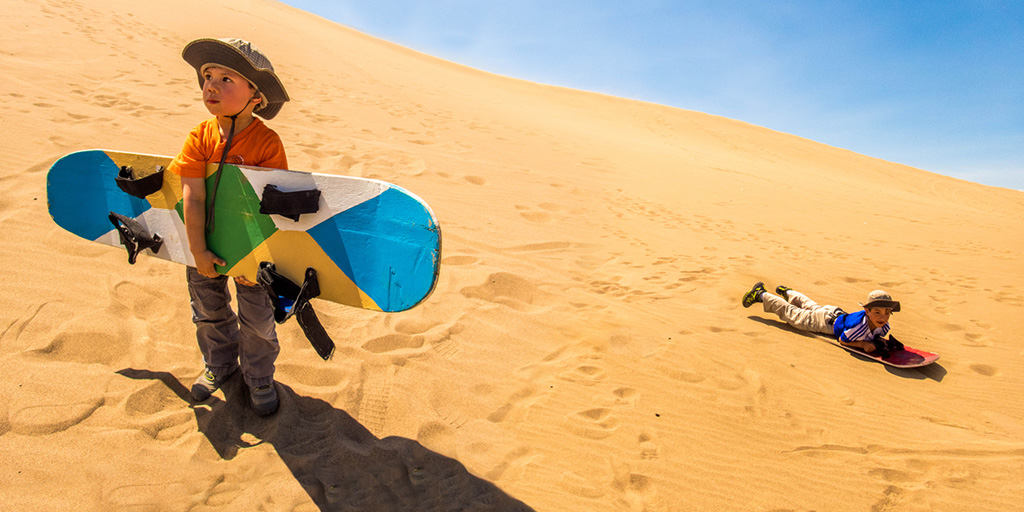
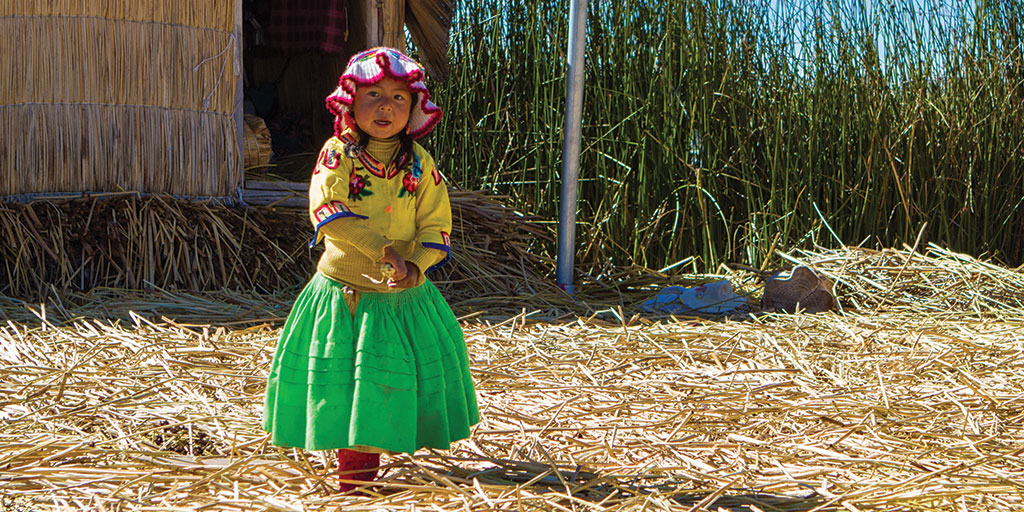
That moment is why this packing list exists. Peru is a country that rewards families who show up prepared by providing experiences that simply cannot be replicated anywhere else on Earth. Machu Picchu at sunset with kids. Watching condors ride thermals in Colca Canyon. Sandboarding the dunes at Huacachina. Floating across Lake Titicaca to the reed islands, where my boys invited children to play, completely ignorant of the language barriers.
But Peru is also a country that asks serious things of your suitcase. The altitude, the temperature swings, the Amazon humidity, and the Pacific coast desert. We have done two weeks through almost all of it with our children. This is what you actually need to pack for family travel in Peru.
How This Peru Packing Guide Works
Table of Contents
Peru covers three completely distinct types of environment within a single family travel itinerary: the high Andes, the Amazon Basin, and the Pacific coast. Each one asks different things of your luggage. So this guide is structured in two parts.
Part one is the General Packing List: the clothing, footwear, gear, toiletries, and documents that go on every Peru trip, regardless of your itinerary.
Part two is the Regional Kits: short, focused top-up lists for the Andean highlands, the Amazon rainforest, and the coast. Pack the general list first, then add whichever regional kits apply to your specific Peru travel plans.
Pack Light. You’ll Thank Me For It
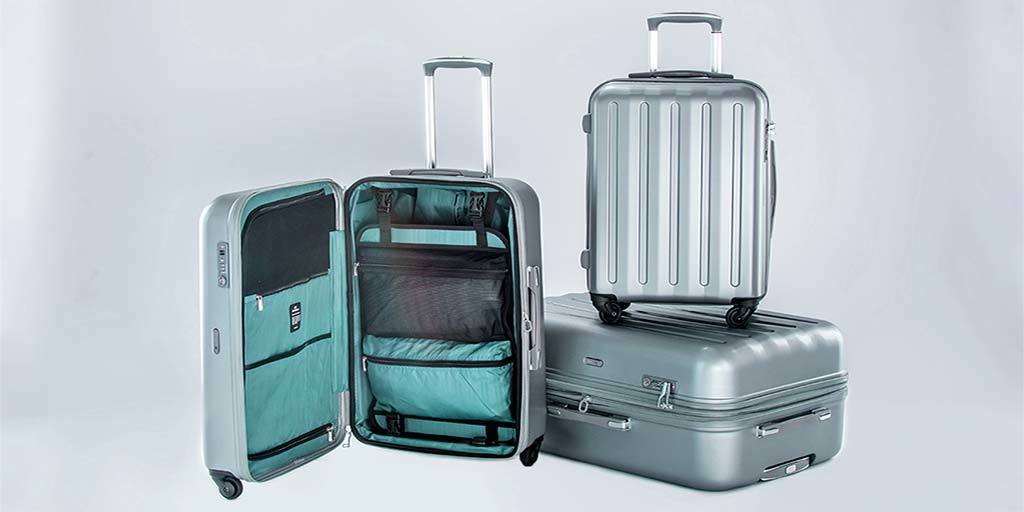
Domestic flights between Lima, Cusco, and Puerto Maldonado often limit checked bags to 33 to 50 lbs (15 to 23kg), depending on the carrier. The Vistadome train to Aguas Calientes and the bus up to Machu Picchu both work best with compact bags. One mid-size soft-sided bag per adult and a smaller pack for teens is the right configuration for a Peru family trip.
Before You Pack: Understanding Peru’s Three Environments
Peru sits on the equator, but the geography creates wildly different climates within a few hours of each other. Where you plan to travel within Peru shapes what you need to pack as much as when you go.
The Andes Highlands: Cusco, Sacred Valley, Machu Picchu, Colca Canyon, Lake Titicaca
This is where most Peruvian family itineraries tend to focus and where the packing stakes are at their highest. Cusco sits at 11,200 feet (3,314 meters) above sea level. The Sacred Valley is slightly lower at around 9,400 feet (2,965 meters). Lake Titicaca sits at 12,500 feet (3,810 meters), the highest navigable lake in the world. Patapampa Pass on the road to Colca Canyon tops out at 15,800 feet (4,815 meters) above sea level.
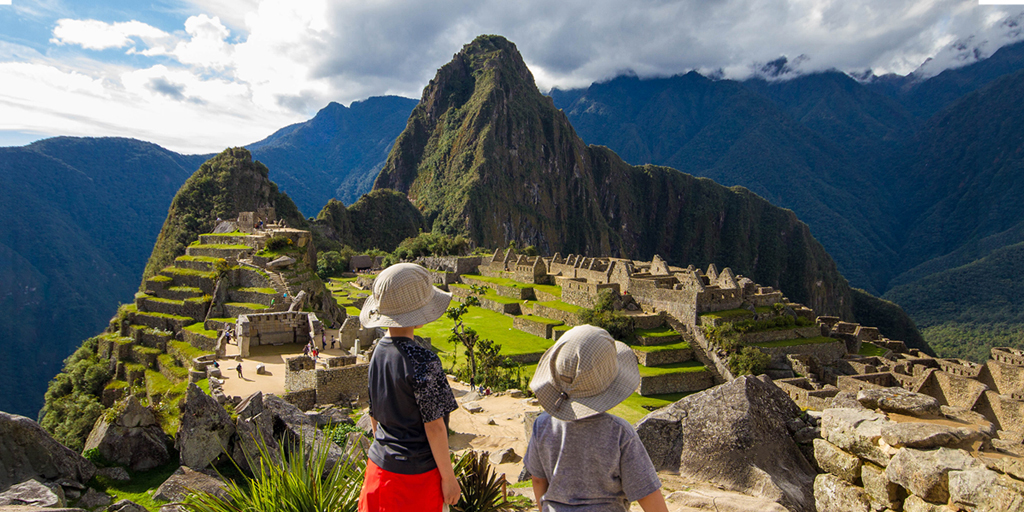
Daytime temperatures in Cusco and the Sacred Valley are pleasant year-round: mid-60s to low 70s Fahrenheit (12 to 23 degrees Celsius) in the dry season from May through October, cooler and wetter from November through April. Mornings and evenings drop sharply. Machu Picchu sits at only 7,970 feet (2,429 meters) and runs warmer and more humid than Cusco, particularly in the wet season when clouds roll in, and the ruins disappear into mist.
Altitude sickness is the primary health consideration for families in the highlands. The elevation in Cusco is enough to cause significant symptoms in adults and children alike. The standard acclimation advice applies to visits here: take the first day very easy, drink far more water than feels necessary, avoid alcohol for the first 48 hours, and speak with your doctor about acetazolamide before travel if you plan to push to higher elevations.
An even better solution for families is to arrive in Cusco and immediately head down into the lower elevations of the Sacred Valley to acclimate.
The Amazon Basin: Puerto Maldonado, Tambopata, Manu
Drop from the Andes into the Amazon, and the temperature switches completely. The thermometer in Puerto Moldonado sits at a sticky 75 to 90 degrees Fahrenheit (24 to 32 degrees Celsius) year-round, humidity is relentless, and rain arrives almost daily in the wet season. Most Amazon lodges in Peru are reached by motorized canoe from Puerto Maldonado after a domestic flight from Lima or Cusco.
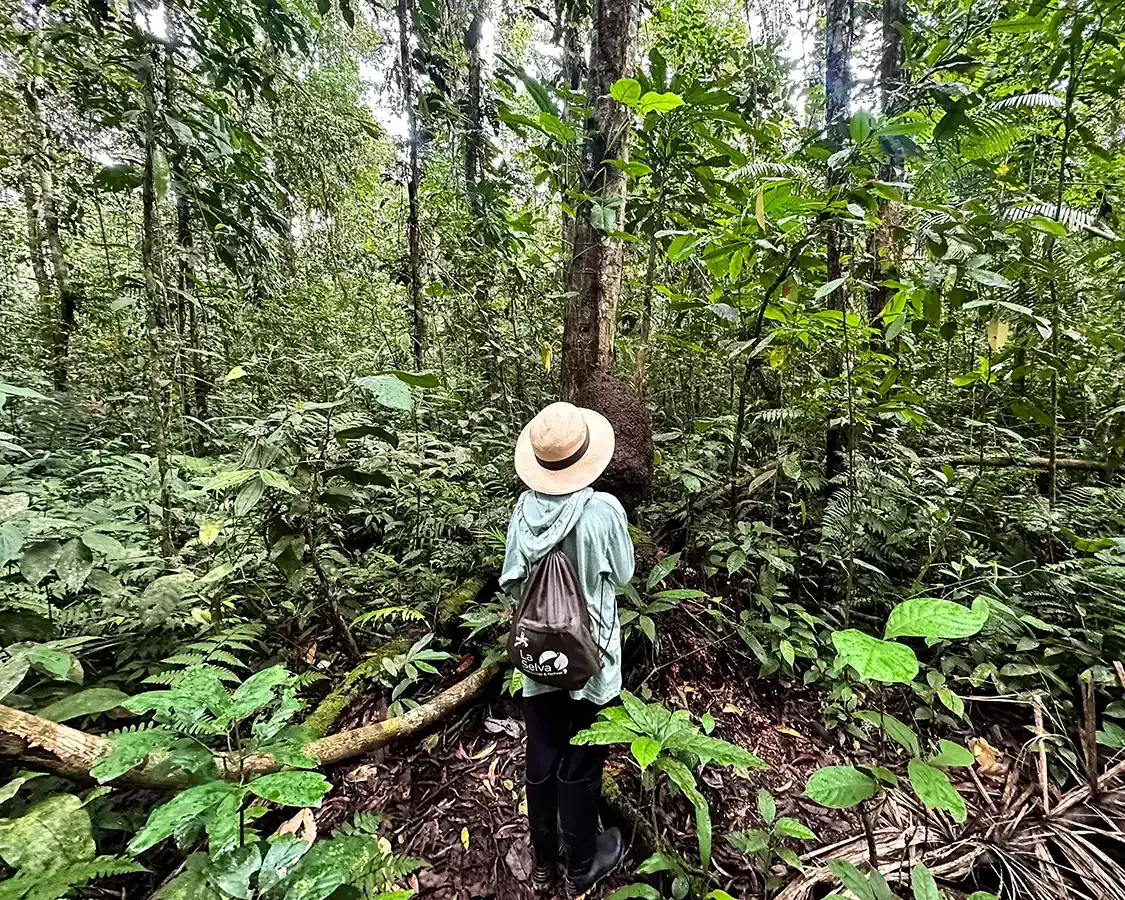
The Amazon has its own packing rules: light colors, long sleeves after dark, quick-dry everything, and serious insect protection. Lodges typically provide rubber boots for jungle trail walks. Good moisture-wicking mid-height socks to wear inside them are entirely your responsibility.
The Pacific Coast: Lima, Paracas, Huacachina, Nazca
Lima is a coastal desert city sitting in near-permanent cloud cover for much of the year. The garua, a low sea mist, keeps Lima grey and mild through the southern winter from June through November. Temperatures sit in the low 60s to mid-70s Fahrenheit (17 to 24 degrees Celsius) year-round. Paracas and the Ica desert, further south, are sunnier, drier, and hotter, with the sand dunes of Huacachina reaching 100 degrees Fahrenheit in summer.
General Peru Packing List for Family Travel
These are the items that belong in every suitcase bound for Peru, regardless of your family’s itinerary. Pack this list first, then add from the regional kits that follow.
Clothing Men and Teens Should Pack for Peru Travel
The highlands call for layers that you can add and remove quickly as changes occur, including the altitude, the angle of the sun, and the weather, throughout the day. The standard Peru packing move is a lightweight shirt with a fleece midlayer in the bag and a rain shell accessible in your daypack. You will use all three in a single day exploring Cusco.
- 3 to 4 lightweight short-sleeve shirts (linen or moisture-wicking): Columbia Utilizer Short Sleeve Shirt. Dries overnight, packs small, handles the full range of Peru daytime temperatures.
- 2 to 3 lightweight long-sleeve shirts for cool mornings, evening temperatures in the highlands, and Amazon insect protection: PJ Paul Jones Long Sleeve Linen Shirt
- 2 pairs of lightweight travel pants: Sailwind Men’s Linen Pants. Skip denim entirely. This material is heavy, slow to dry at altitude, and miserable when wet on an Andean morning.
- 2 pairs of shorts for Lima, Paracas, and the warmer Sacred Valley afternoons.
- 1 to 2 swimsuits for Paracas, Huacachina, and hotel pools.
- 1 packable insulating midlayer: Columbia Men’s Delta Ridge Down Jacket. The single most important item on this list for the highlands. Cusco mornings and Patapampa Pass demand real insulation.
- 1 waterproof rain shell: Marmot Precipic Rain Jacket. Afternoon rain in the highlands arrives without warning. The wet season at Machu Picchu can mean sustained rain for hours.
- Underwear x7: Choose lightweight, quick-dry materials.
- Socks x7: Merino wool or wool-blend. Merino handles the cold Andean mornings and the humid Amazon days better than any synthetic alternative and resists odor across both.
Clothing Women and Teens Should Pack For Peru Travel
Christina’s Peru packing principle: layers that work individually and together. A linen top, a fleece, and a rain shell cover every highland scenario from a warm Sacred Valley afternoon to a cold Patapampa Pass stop. A maxi dress covers evenings in Lima, Cusco, and Arequipa, and warmer days on the coast. The key is nothing that only works in one climate.
- 3 to 4 lightweight linen or moisture-wicking tops: Amazon Essentials Women’s Linen Blend Top
- 2 pairs of lightweight travel trousers or linen pants: Rekucci Women’s Wide-Leg Linen Pants
- 1 to 2 midi or maxi dresses for Lima, warmer coast days, and nicer evening meals: Women’s Maxi Travel Dress
- 1 pair of lightweight shorts for the coast and warmer lowland days: Women’s Everyday Shorts
- 1 substantial cardigan or knit layer for highland evenings: Women’s Heavyweight Cardigan
- 1 packable insulating jacket: Columbia Women’s Heavenly Long Hooded Jacket. Essential for the Andes. Machu Picchu in the early morning, Colca Canyon at the condor viewpoint, and Patapampa Pass all make this earn its place.
- 1 waterproof rain shell: Marmot Women’s Cascade Rain Jacket
- 2 swimsuits for the coast and hotel pools.
- Underwear x7: lightweight, quick-dry.
- Socks x7: merino wool or wool-blend.
Clothes Kids Under 12 Should Pack For Peru Travel
- 4 to 5 lightweight t-shirts.
- 2 to 3 lightweight long-sleeve shirts for highland layering and Amazon insect protection.
- 2 pairs of lightweight pants or joggers.
- 2 pairs of shorts.
- 1 to 2 swimsuits.
- 1 insulating midlayer: Mountain Warehouse Kids Puffer. The Andes cold hits kids faster than adults. This is the layer that keeps highland mornings manageable.
- 1 waterproof rain shell: Marmot Precipic Rain Jacket
- Underwear x7 to 8 – Quick dry
- Socks x7 to 8 merino blend.
Footwear for Peru Travel
Peru’s terrain is demanding across every region. Machu Picchu has many steep stone steps and uneven ancient paving. The Colca Canyon viewpoints are on rocky hillsides that can get slippery in the rain. The Sacred Valley requires a proper grip for the agricultural terrace walks at Maras and Moray. And the Lima coast calls for something entirely different from highland trail shoes.
Get your shoes right, and Peru is comfortable. Get them wrong, and you could spend the trip managing blisters and sore ankles.
Footwear For Men, Women, and Teens
- Trail runners or supportive hiking shoes with a solid grip: Salomon Women’s OUTPulse / Altra Lone Peak 8 (men). This is the best primary Peru travel shoe. The grippy soles handle Machu Picchu’s stone steps, the Colca Canyon viewpoint trails, the Sacred Valley terrace walks, and the streets of Cusco with equal competence.
- Comfortable walking sandals for Lima, Paracas, and warmer lowland days: Teva Hurricane Drift for both men and women. Light, quick-dry, and genuinely comfortable for long city walking days on the coast.
- Flip-flops or slip-ons for hotel use and beach days at Paracas.
Footwear for Kids
- Trail runners with real grip: Salomon Kids’ Speedcross. Machine-washable, durable, and handles the full range of Peruvian terrain. The right shoe for Machu Picchu, the Sacred Valley, and Colca Canyon.
- Closed-toe water sandals for warmer days and coast time: TEVA Hurricane Drift Kids. Paracas beach days, Huacachina dune play, and hotel pool areas. Drain-and-dry construction, toe protection, and machine-washable.
Sun Protection For Peru
The Andean sun is brutal in a way that genuinely surprises most visitors. The UV index at altitude in Peru is among the highest on earth: thinner atmosphere, direct equatorial angle, and reflective terrain combine to produce burning conditions even on cool, overcast days. The Machu Picchu citadel in morning cloud cover still requires sunscreen. The condor viewpoint at Colca Canyon has no shade whatsoever.
- Broad-spectrum sunscreen SPF 50+: ThinkSport Everyday SPF 50+. Buy more than you think you need. Cusco pharmacies are decent, but smaller towns and the Amazon have very limited stock.
- Wide-brim sun hat (UPF 50+) for men: Tilley LTM6 Broad Brim Hat. Ventilated and packable. A full morning at Machu Picchu or the condor viewpoint without a hat is asking for a headache.
- Wide-brim sun hat (UPF 50+) for women: Dorfman Pacific Women’s Sun Hat
- Kids’ sun hat with neck flap (UPF 50+): Outdoor Research Kids’ Helios Sun Hat. The neck flap is critical at altitude. Kids burn on the back of the neck before they feel anything.
- Polarized sunglasses for everyone. High-altitude glare reflected off stone ruins and mountain snowfields is intense and sustained.
Gear and Accessories
Bags
- Packing cubes: Shacke Peak Packing Cubes. A Peru itinerary moves through multiple environments and accommodation types. Organized bags save real time at 5 am Machu Picchu departures.
- Packable daypack: Sea to Summit Ultra Sil Pack. Compresses to nothing in your main bag. Essential for Machu Picchu days, Colca Canyon excursions, and Amazon lodge walks, where you do not want your full luggage.

Tech and Power
- Portable power bank: Nitecore NB10000 Power Bank. Lightweight, two full charges per device. Long Machu Picchu days and Amazon excursions drain phones fast.
- Peru uses Type A and C outlets at 220V/60Hz. North American travelers need a universal adapter for Type C outlets, though many hotels in Cusco and Lima have both. Check your specific accommodation.
- Compact camera with good zoom for wildlife and ruins: The Olympus Tough Series is great for families. It’s waterproof and shock-proof, so even kids can’t break it. Peru rewards a proper camera. The condors at Colca Canyon, the scale of Machu Picchu at dawn, and the flamingos at Lake Titicaca all benefit from real zoom.
- eSIM for connectivity: Airalo Latin America eSIM. Pre-load before departure. Coverage in Lima and Cusco is good. The Sacred Valley and the Amazon have limited signal.
Packable Quick-Dry Towels
- One per person: Sea to Summit DryLite Towel. Amazon lodges do not always supply towels for excursion days. One in every daypack handles every situation.
Filtered Water Bottle
- One per person: Grayl GeoPress Water Purifier Bottle. Tap water in Peru is not safe to drink without treatment. A filter bottle eliminates the need to buy plastic bottles constantly across a two-week itinerary and works everywhere from Lima hotel rooms to Amazon lodge taps.
Binoculars
- One pair per family: Celestron Nature DX 8×42. Peru has extraordinary wildlife viewing opportunities: Andean condors at Colca Canyon, flamingos on the altiplano, and birds of every description in the Amazon. Binoculars transform good sightings into genuinely memorable ones.
Toiletries
Bring From Home
- Sunscreen SPF 50+ and bring enough for the trip: ThinkSport Everyday SPF 50+. Lima and Cusco have pharmacies. The Sacred Valley, Amazon, and smaller towns do not. Stock up before leaving the cities.
- Insect repellent for adults: Sawyer Premium Picaridin Spray (20%). Essential for the Amazon leg. Worth having throughout Peru. Deet-free Insect repellent for kids (DEET-free): Sawyer Kids Picaridin
- Altitude sickness medication (Diamox / acetazolamide) if your doctor recommends it. Discuss before travel. Cusco, at 11,200 feet, affects most visitors to some degree.
- Prescription medications with a doctor’s note for anything controlled.
- Children’s paracetamol and ibuprofen in familiar brands.
- Oral rehydration salts. Altitude, heat, and unfamiliar food are a dehydration combination.
- Motion sickness medication for the winding mountain roads between Puno and Colca Canyon.
- Hand sanitizer x2.
Buy in Peru
- Shampoo, conditioner, body wash, toothpaste. Lima and Cusco have excellent pharmacies and supermarkets. Stock up before heading to more remote areas.
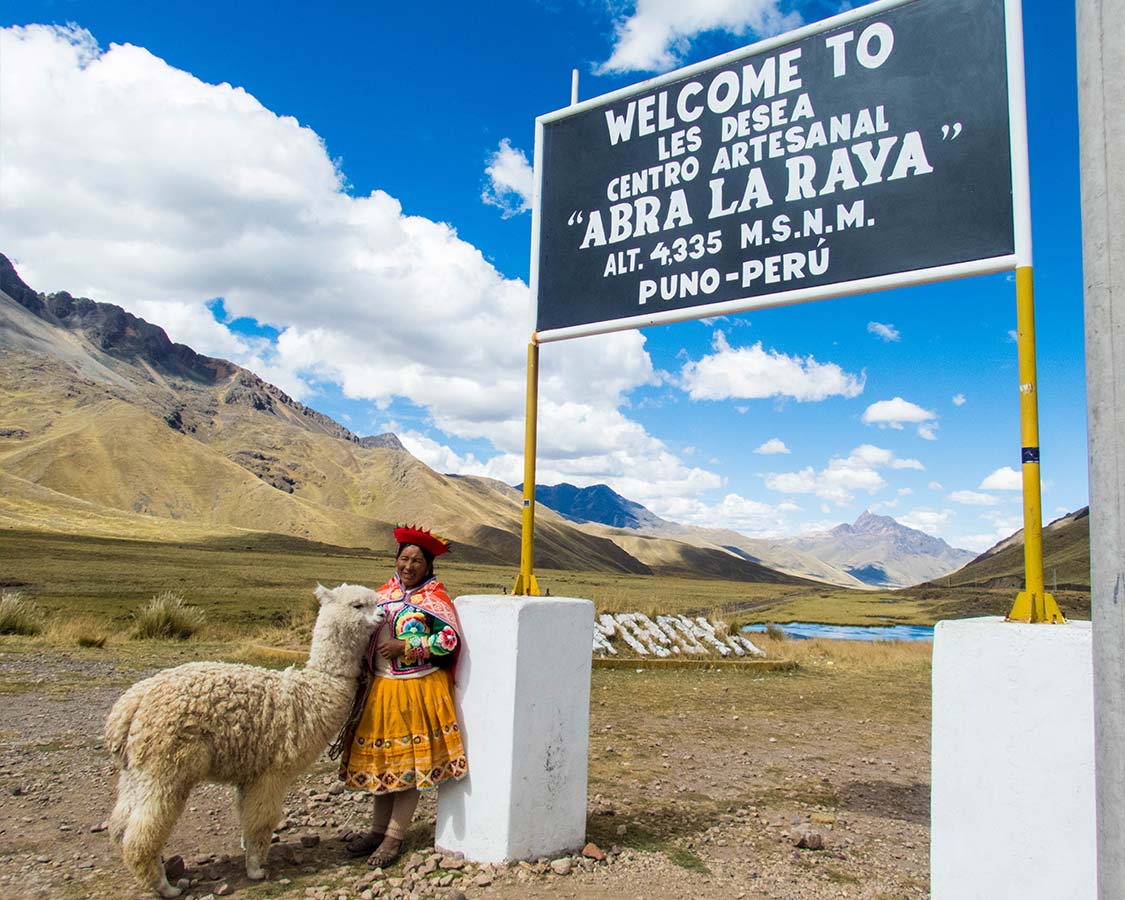
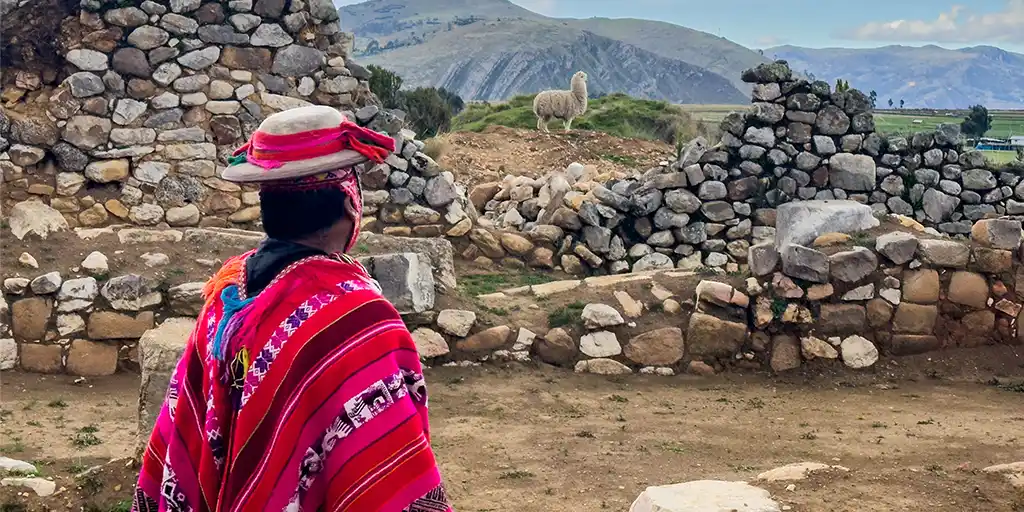
- Llama wool hats, gloves, and scarves. Buy these in Cusco or the Sacred Valley markets rather than packing from home. They are of extraordinary quality, authentically made, and significantly cheaper than anything you will find elsewhere. The boys’ llama wool hats from the Pisac market have outlasted every synthetic beanie we have ever bought.
- Basic medications. Peruvian pharmacies in cities are well-stocked, and pharmacists are helpful.
- Coca tea or coca candy. Universally available on arrival in Cusco and genuinely helpful for mild altitude symptoms. Not a medication but a useful cultural remedy that works for many travelers.
Documents, Money, and Admin for Travel in Peru
- Valid passports for all family members, with a minimum of 6 months’ validity beyond your travel dates.
- No visa required for US, Canadian, UK, EU, and Australian passport holders for stays up to 183 days.
- Peruvian Soles in cash. Peru is significantly cash-based in practice. Markets, street food, taxis, smaller guesthouses, and many tourist sites prefer or require cash. ATMs in Lima and Cusco are reliable. Outside major cities, withdraw before you go.
- Machu Picchu tickets booked well in advance, printed, and on your phone. Entry is timed and ticketed. Walk-up entry is not guaranteed and, during peak season, is effectively unavailable. Book months ahead.
- Travel insurance documents, printed and digital. Medical care in Lima is reasonable. In remote areas, it is limited.
- A yellow fever vaccination certificate if your itinerary includes the Amazon. Required for entry into some Amazon areas and recommended regardless.
- Printed and digital copies of accommodation confirmations, tour bookings, and emergency contacts.
Regional Kits for Peru Travel
The general list covers the bulk of what you need. These kits are the additions and adjustments specific to each region. Add whichever apply to your itinerary.
The Andean Highlands
Cusco, Machu Picchu, the Sacred Valley, Colca Canyon, Lake Titicaca. This is where most Peru itineraries spend the majority of their time and where the layering system in the general list does its most important work. A few specific additions:
- Merino wool base layers for each person for the highest elevation days: Patapampa Pass, Lake Titicaca, and any morning departure for Machu Picchu. A thin merino base layer under a shirt under a fleece handles every highland scenario from a Cusco sunrise to a Colca Canyon viewpoint in the wind. These are the ones that I use. Christina swears by these, and these are the ones we use for the kids.
- A wool hat and gloves for each person for the high-altitude stops. Buy these in Cusco or the Pisac market rather than packing from home. Llama and alpaca wool is warmer, softer, and more durable than most synthetic alternatives, and the market prices are extraordinary. This is one of the great practical purchases of any Peru trip.
- A neck gaiter or buff per person. Wind at Patapampa Pass, Machu Picchu in the rain, and the Colca Canyon viewpoint in the early morning all call for neck and face coverage that a scarf alone does not provide.
- Altitude sickness medication if they have been prescribed. Take it easy on the first day in Cusco, regardless. The altitude is genuine and affects people of all fitness levels.
Altitude Tip for Families
Children are no more or less susceptible to altitude sickness than adults, but they may struggle to articulate what they are feeling. Watch for unusual tiredness, headache, or loss of appetite in the first 24 to 48 hours in Cusco. Hydrate aggressively, rest the first afternoon, and hold off on serious exertion until day two. Most families feel completely normal within 48 hours. The Sacred Valley at 9,400 feet is a gentler acclimatization option if arriving directly from sea level.
The Amazon Basin
Tambopata, Manu, Puerto Maldonado. Drop from the Andes, and the world switches completely. Hot, humid, relentlessly alive, and with very specific rules about what you wear and what you bring.
Amazon Packing List Ground Rules
- Light colors only. Dark clothing attracts more insects. Pack khaki, white, tan, and light grey for the Amazon leg specifically.
- Long sleeves and long pants every evening. Mosquitoes in Peru’s Amazon can carry dengue fever. This is not overcaution.
- Do not pack rubber boots until you have confirmed with your lodge that you need them. Most Amazon lodges provide them for guided trail walks.
- Bring good moisture-wicking mid-height socks to wear inside them. Laundry service is available at most quality Amazon lodges. Pack for four days, not ten.
- 2 to 3 lightweight long-sleeve shirts in light colors for evening insect protection. The long-sleeve shirts in the general list work if they are light-colored.
- Mid-height moisture-wicking socks, 3 to 4 extra pairs for inside lodge-provided rubber boots on jungle trail walks.
- Dry bag for electronics on canoe rides: Sea to Summit Ultra-Sil Dry Bag. Canoes splash. Electronics do not recover.
- Headlamp for each person: Petzl Tactikka Headlamp. For night walks, early morning excursions, and lodge power fluctuations.
- Permethrin clothing spray to treat shirts and pants before packing. Apply at home, let dry fully. Do not apply to the skin.
- Mosquito head nets, one per person. For night walks and river excursions at dusk.
- Zip-lock bags in large and small sizes. Your phone, passport, camera cards, and any snacks all need waterproofing on canoe rides.
- Waterproof phone case
The Pacific Coast
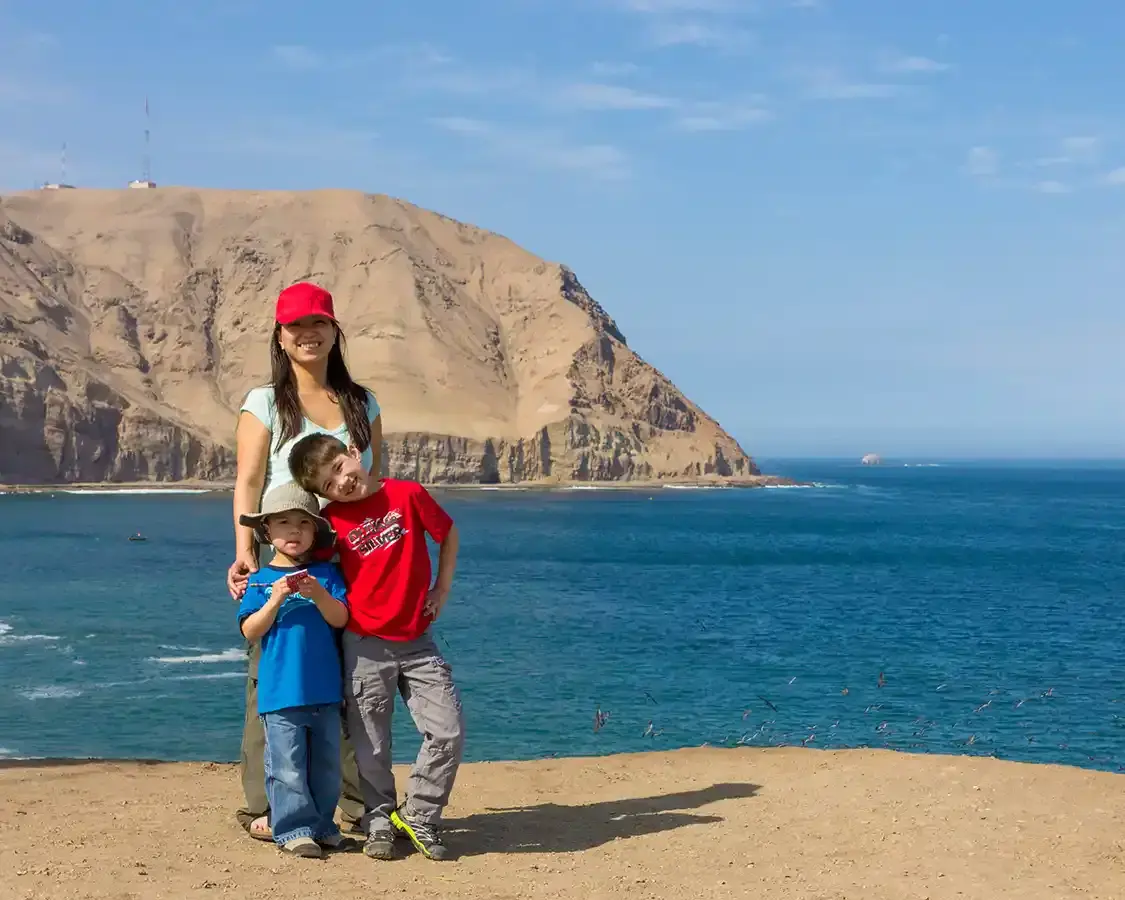
Lima, Paracas, Huacachina, Nazca. The coast is the most forgiving packing environment in Peru. The general list handles most of it. A few specific additions and adjustments:
- Add a light layer for Lima specifically. The garua, the coastal mist that sits over Lima for much of the year, makes the city feel cooler than the temperature suggests. A lightweight cardigan or fleece for Lima evenings is worth the space in the bag.
- Swap insulating layers for extra shorts and a swimsuit if the coast is the primary destination. Paracas beach days and Huacachina sandboarding call for more beach-ready gear than the highland kit.
- Rash guards (UPF 50+) for Paracas boat excursions and beach days: Amazon Essentials Men’s Rash Guard / Kanu Surf Women’s Rash Guard. The Paracas Ballestas Islands boat tour is open-water sun exposure for two hours. A rash guard is better protection than sunscreen reapplication on the boat. Here’s the one that our kids use.
- A neck gaiter or buff for sandboarding at Huacachina. The sand gets everywhere. A buff over the nose and mouth makes the experience significantly more enjoyable for kids, especially.
What to Leave at Home
- Denim jeans. They are heavy, slow to dry at altitude, uncomfortable when wet and cold on an Andean morning. Fine for Lima. Not worth the weight for a highland itinerary.
- Anything white for the Amazon leg. The jungle muck finds every vulnerable patch of material very quickly.
- Impractical footwear. Machu Picchu in dress shoes, flip flops, or flat-soled sneakers is an ankle injury waiting to happen. The stone steps are worn smooth in places, and the rain makes them genuinely slippery.
- Expensive camera gear without a dry bag for the Amazon. Salt air in Paracas and humidity plus canoe spray in the Amazon are hard on equipment.
- Full-size toiletries. Lima and Cusco have excellent pharmacies and supermarkets. Decant what you need and restock in the cities.
- Wool hats and gloves from home. Buy them in Cusco or Pisac instead. The quality is better, the price is a fraction of what it is at home, and buying from local artisans is one of the genuinely good things you can do as a traveler in Peru.
- Too many bags. Domestic flights, the Vistadome train, and Amazon lodge canoes all reward compact packing. One mid-size soft-sided bag per adult, plus a daypack, is the right configuration.
Travel Resources for Families Visiting Peru
For practical planning, safety considerations, and logistics, these dedicated guides provide deeper support for families interested in travel to Peru.
Quick Reference: Clothing Quantities per Person
Based on a two-week Peru itinerary covering Lima, the Sacred Valley, Cusco, Machu Picchu, and either Colca Canyon or Lake Titicaca.
| Item | Men | Women | Teens | Kids |
| T-shirts | 3-4 | 3-4 | 3-4 | 4-5 |
| Long-sleeve shirt | 2-3 | 2-3 | 2-3 | 2-3 |
| Pants | 3 | 3 | 3 | 3 |
| Shorts | 1 | 1 | 1 | 1 |
| Mid-layer Fleece | 1 | 1 | 1 | 1 |
| Dress/Skirt | — | 1 (optional) | 1 (optional) | 1 (optional) |
| Rain jacket | 1 | 1 | 1 | 1 |
| Swimsuit | 2 | 2 | 2 | 2 |
| Rash guard | 2 | 2 | 2 | 2 |
| Underwear | 7 | 7 | 7 | 8 |
| Socks | 7 | 7 | 7 | 8-9 |
Frequently Asked Questions
Very serious and worth preparing for properly. Cusco, at 11,200 feet, is enough to cause genuine symptoms in healthy adults and children, including headache, fatigue, nausea, and shortness of breath. Most people feel significantly better within 48 hours. The key strategies: arrive in the Sacred Valley at around 9,400 feet rather than directly into Cusco if possible, take the first day very easy regardless of how good everyone feels, drink far more water than normal, avoid alcohol entirely for the first 48 hours, and speak with a travel medicine doctor about acetazolamide before departing. Coca tea, available everywhere on arrival in Cusco, provides mild relief for many travelers.
Yes, and well in advance. Entry to Machu Picchu is timed and ticketed with daily visitor caps. During peak season from June through August, tickets sell out months ahead. Purchasing on arrival in Aguas Calientes is not a reliable plan. Book through the official Peruvian government portal or through your tour operator before you leave home. Also, book the Vistadome train from Cusco or Ollantaytambo to Aguas Calientes in advance for the same reason.
May through September is the dry season in the highlands and the best time to visit Machu Picchu, Cusco, Colca Canyon, and Lake Titicaca. Clear skies, stable weather, and the lowest rainfall. June through August is peak season with the largest crowds. May and September offer dry season conditions with somewhat thinner crowds. The wet season from October through April brings afternoon rain to the highlands but also turns the landscape extraordinarily green and reduces crowds and prices significantly. Machu Picchu, in the clouds and mist, has its own kind of drama that many families prefer.
Peru is a safe family destination with normal precautions. The main concerns are petty theft in Lima’s tourist areas and busy markets in Cusco, which are manageable with basic street awareness. Avoid displaying expensive electronics or jewelry in crowded areas. The Sacred Valley, Machu Picchu, Colca Canyon, and Lake Titicaca are all relaxed and family-friendly. The Amazon operates in guided, controlled environments. Check your government’s current travel advisories before departure, as the situation in some regions can change.
Peru uses the Peruvian Sol. Cash is essential throughout the country. Markets, street food vendors, local transport, and many tourist sites prefer or require it. ATMs are widely available in Lima and Cusco and generally reliable. Outside major cities, particularly in the Sacred Valley villages and Amazon gateway towns, ATMs are rare. Withdraw a meaningful amount before leaving each major city. US dollars are widely accepted at hotels and some larger restaurants, but at less favorable rates than Soles.
For wool hats, gloves, and scarves: absolutely yes, and I actively recommend it. The alpaca and llama wool products sold in Cusco’s markets and in Pisac and Ollantaytambo in the Sacred Valley are of extraordinary quality at prices far below what you would pay at home. Buy these on arrival rather than packing from home. For technical hiking and rain gear, Lima and Cusco have outdoor shops, but the selection is limited, and prices are high. Bring your rain shells and insulating jackets from home.
Final Word on Packing for Peru
Those llama wool hats are still in our house. The boys wore them at the Patapampa Pass, at the condor viewpoint in Colca Canyon, and on the train to Aguas Calientes the morning we went to Machu Picchu. Cohen wore his on the floating islands of Lake Titicaca when the wind came off the water and made his eyes water. Dylan lost his somewhere while we were traveling in Egypt and cried about it for days.
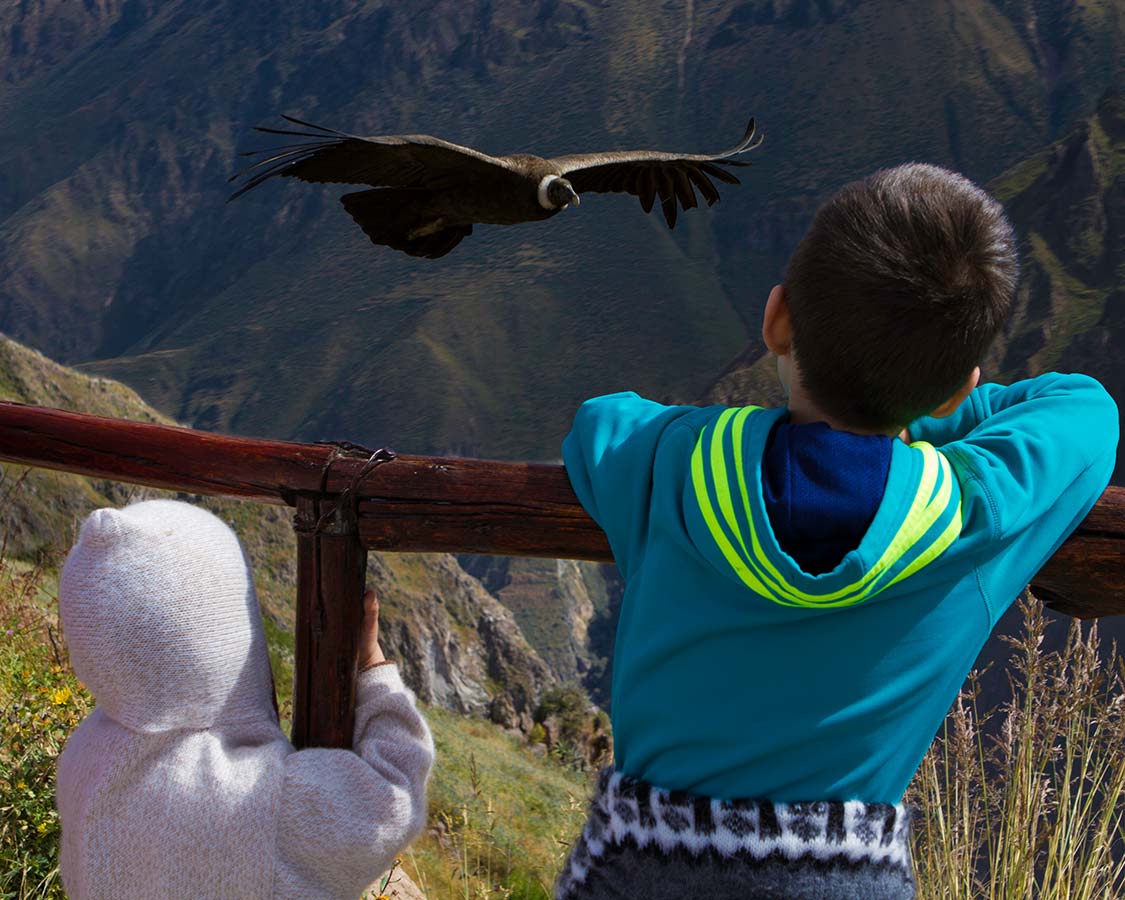
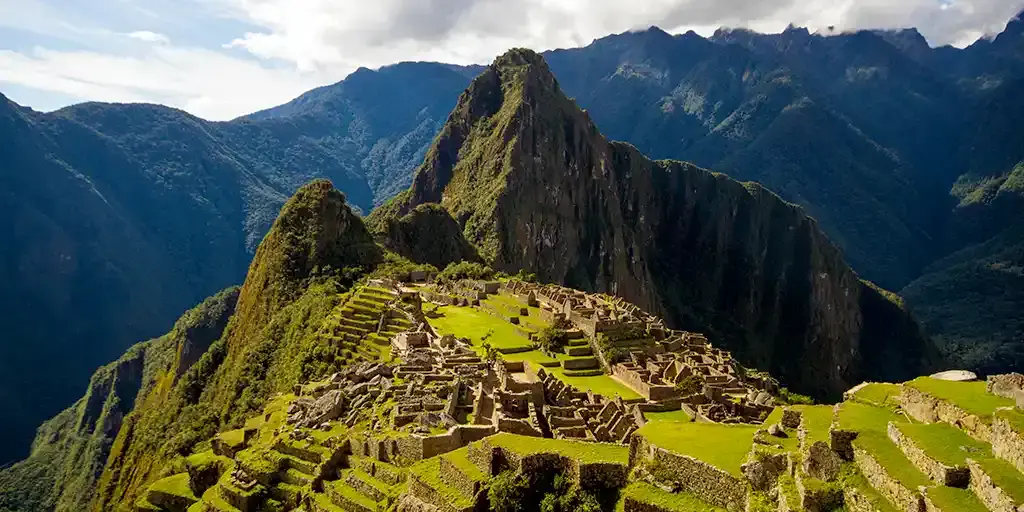
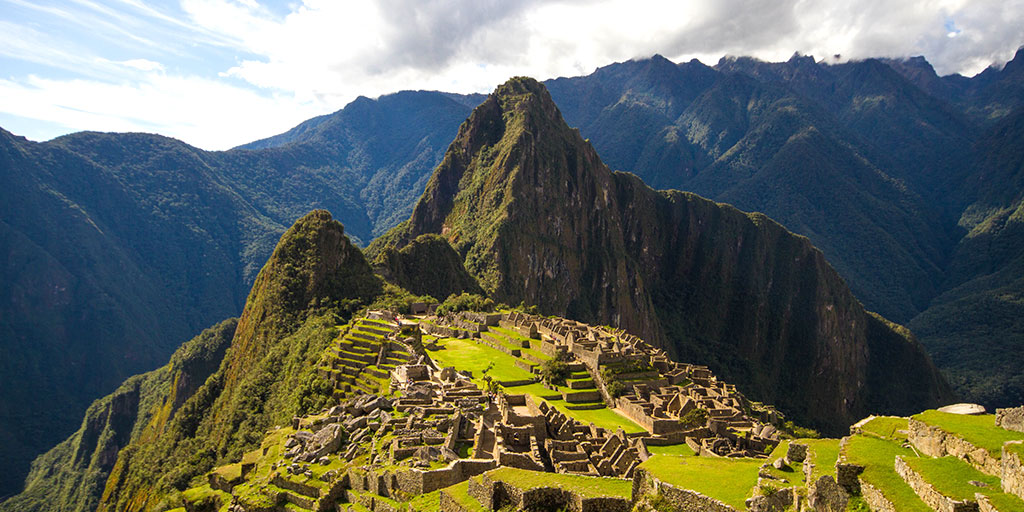
Peru gives families memories that stay with them for a lifetime. The condor at Colca Canyon that rose out of the canyon on a thermal and was suddenly at eye level with Dylan, close enough to see the detail on its wings. The moment at Machu Picchu when the morning cloud cleared, and the whole mountain top revealed itself. The children on the Uros islands who grabbed Dylan’s hand and pulled him into their game without a word of shared language.
Families who show up prepared, with the right layers for the altitude, the right shoes for the ruins, and the right insect protection for the Amazon, get to be fully present for all of it. Pack smart. Pack light enough to enjoy the journey. And leave room in the suitcase for the llama wool hat you are definitely going to buy in Pisac.
Wandering Wagars is a participant in the Amazon Services LLC Associates Program, an affiliate advertising program designed to provide a means for sites to earn advertising fees by advertising and linking to amazon.com, amazon.co.uk, amazon.ca. Amazon and the Amazon logo are trademarks of Amazon.com, Inc. or its affiliates.
You May Also Like To Read:
Pin This For Later:
Susan
Friday 22nd of June 2018
Travel to any destination when you are dealing with so many weather conditions and other variations can be a real challenge. I found this out 2 years ago when packing for a South American Cruise. I can't imagine doing this for a family.
lisa
Tuesday 19th of June 2018
Hi, your post was very helpful and your photo's were just incredible. Peru is on my bucket list and you have given me a few helpful tips. Looks like you had an amazing trip!
Kevin Wagar
Tuesday 19th of June 2018
Happy to hear that this helped out! Enjoy your trip to Peru!
Flyingkids
Friday 11th of May 2018
Great guide for a fun and memorable Peru travel experience.
Ryan Biddulph
Monday 7th of May 2018
Tremendous contrast in temperatures in Peru Kevin. I recall warmer temps up North but freezing temps at night in Cusco. What a mix! Pack for all 4 seasons guys. Then you've the Amazon humid jungle climate in Iquitos, where my wife went while I chilled in Cusco for a week. Amazing range there.
Ryan
Bistra
Wednesday 2nd of May 2018
What a great packing resource for those getting ready to visit Peru! We loved the alpaca sweaters but didn't get to buy one - they look so nice in pictures and are so warm! Or maybe we should have tried the ponchos :-) Thank you for the comprehensive list!