Discover what a Tanzania safari is really like with kids. Our seven-day family itinerary covers wildlife, culture, and essential tips for traveling in Tanzania as a family.
Most of our family trips have had a steady rhythm. We land, we adjust to the new time and environment, then dive straight into the adventure. Tanzania eased us in gently and then hit us with one of the most awe-inspiring seven days of adventure that we’ve ever experienced.
Just one day after touching down at Kilimanjaro International Airport, our boys were counting elephants, arguing over who got to use the big camera lens, and whispering “did you hear that?” in a tent with a lion call rolling through the darkness.
When we embarked on a weeklong safari through Tanzania’s Northern Circuit, we knew this wouldn’t be like one of the polished safari posters you see in airports. This was going to be dirty. Dust-covered faces, sunrise coffee, and kids who never even thought to ask for the Wi-Fi password because there’s a cheetah and her babies resting under the next tree.
Tanzania didn’t just give us a week of some of the most epic family-friendly wildlife experiences on the planet. It rewired how our family looks at travel and the world.
This is the seven-day Tanzania itinerary that my family followed with our kids, Cohen and Dylan (who were 14 and 11 at the time). We embarked on the Northern Circuit Safari itinerary, and it blew our minds day after day. Our journey started in the coffee fields outside Arusha Town, threaded through the elephant herds of Tarangire, entered the homes of the Maasai tribes, crossed the great plains of the Serengeti, dropped into Ngorongoro Crater, wound among the forests and floodplains of Lake Manyara, and circled back to Arusha Town for a deep dive into local culture.
If you are ready for a family safari that trades routine for something a little wilder, this is where I would begin.
Why We Chose Tanzania With Our Kids and Why We Would Do It Again
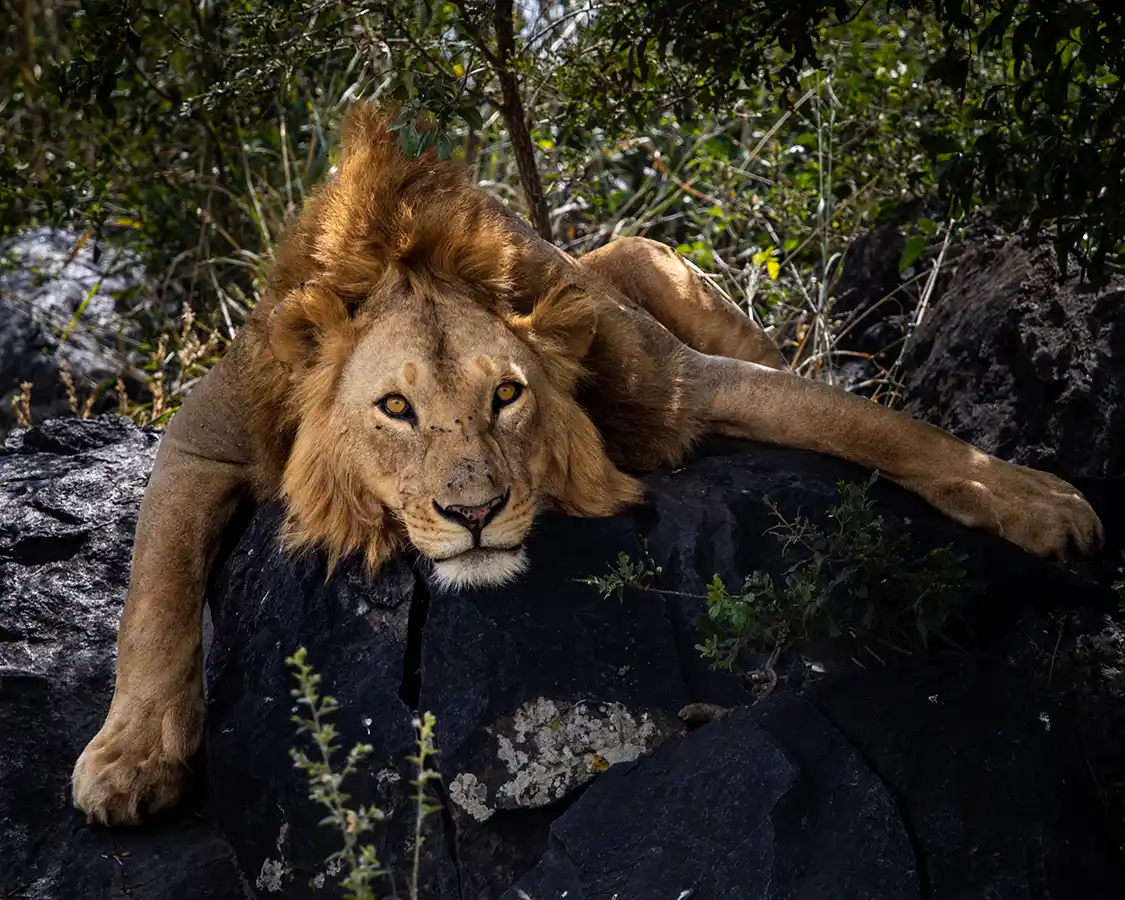
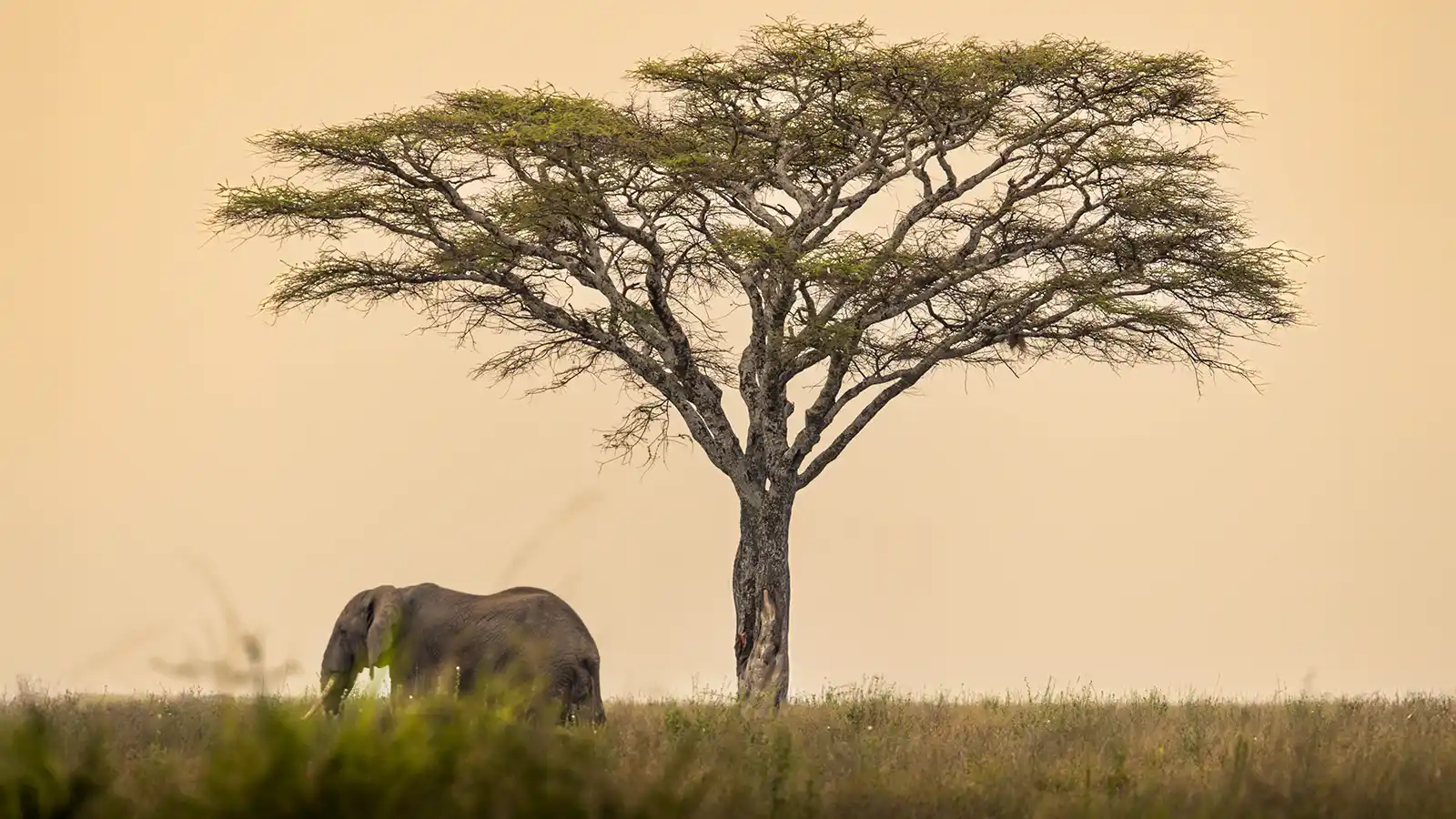
The continent of Africa is huge, and within it are many countries where families can embark on an epic wildlife safari. We chose Tanzania because we wanted to experience a world that felt unfiltered and raw. From our first game drive in Tarangire National Park, that decision paid off. Seeing wild elephants in open spaces, no fences or glass, no trainers or mahouts, changed how we perceived wildlife.
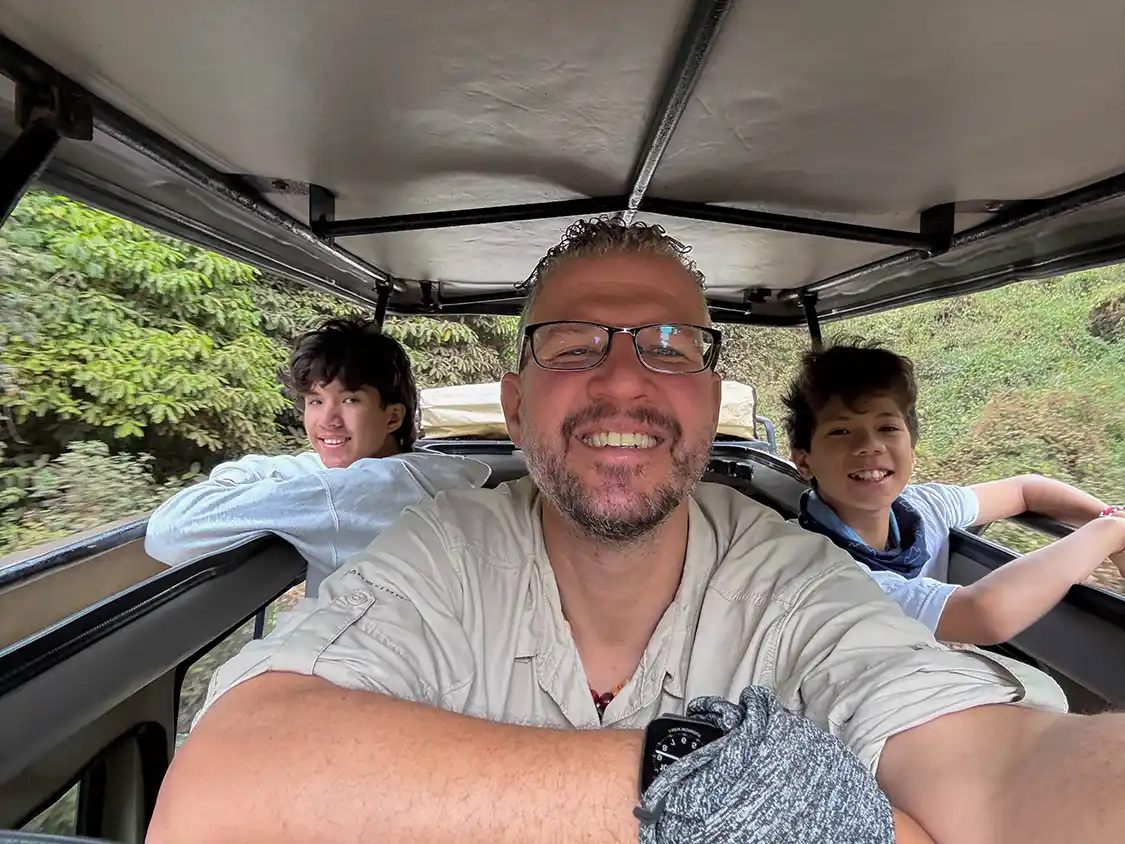
Our kids, locked in the confines of a Toyota Land Cruiser for the better part of a week, didn’t get restless. They became quieter. More observant. More curious. And curiosity, well that’s why we travel, isn’t it?
For Christina and me, Tanzania worked in the same way that our travels in Ecuador did. Because the learning happened naturally. Geography, wildlife behavior, conservation, and patience all showed up without feeling like lessons. By the end of the trip, our whole family had begun recognizing animals by movement and behavior. It was wild!
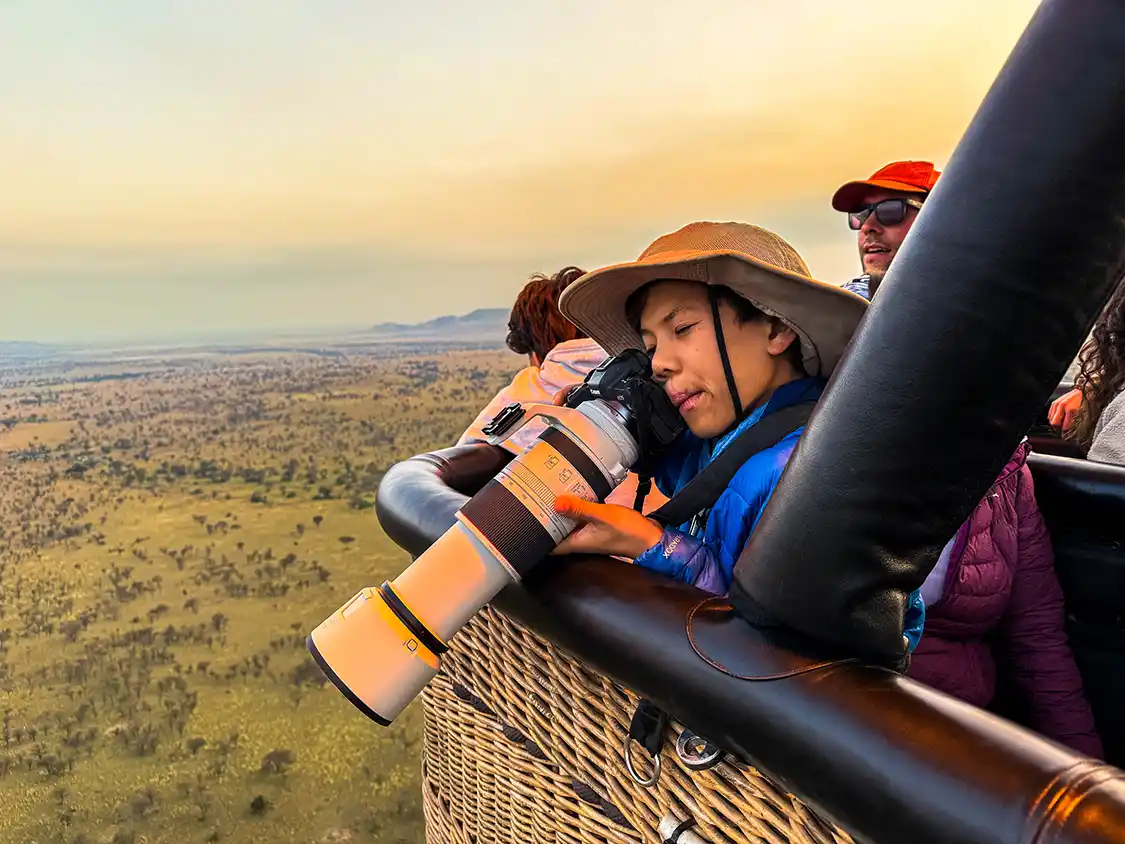
In many of the countries we’ve visited, traveling with a local guide has made all the difference. Like most travelers to Tanzania, a local tour operator is a must for getting the most out of a one-week travel itinerary. We opted for the local company Luna Safari, based in Arusha Town. Our guide, Omary, helped to turn long drives into stories and landscapes into meaning.
And like any great guide, during our week in Tanzania, he became part of the family. In fact, he was expecting a child with his new wife, and made such a connection with our youngest child, that he named their baby boy Dylan! How cool is that?
For our accommodations in Tanzania, the mix of tented camps and boutique lodges also mattered. Our family felt engaged, connected, rested, and well-fed, which gave us all the confidence to stretch outside of our comfort zone every day.
A family safari in Tanzania is not an easy, controlled trip. Wildlife doesn’t follow schedules. They don’t let you set the narrative. Game drives are long. Early mornings are part of the deal. But for families who value experience over convenience, Tanzania offers something rare. It slows families down, sharpens their awareness, and leaves them with stories that don’t fade away.
What Is Tanzania’s Northern Circuit Safari?
Before we dive into the day-by-day breakdown of our Tanzania safari itinerary, it helps to understand what people mean when they talk about Tanzania’s “Northern Circuit.” The Northern Circuit is a loop that includes some of the most legendary safari parks on Earth, all within driving distance of the town of Arusha. Most classic Tanzania Northern Circuit safaris are a combination of these stops:
- Arusha Town – The gateway city and safari hub. The center of the larger region of Arusha, Arusha Town, is a gateway city situated at the base of Mount Meru, where safari Land Cruisers, coffee plantations, and daily Tanzanian life converge before the road spills out into the wild.
- Tarangire National Park – Tarangire National Park is a rugged, elephant-rich landscape of baobab trees and seasonal rivers, where massive elephant herds gather in the dry months, and wildlife encounters feel immediate, raw, and wonderfully untamed.
- Lake Manyara National Park – This smaller park is a lush, forested oasis where groundwater-fed trees, dense birdlife, and a constantly shifting soda lake create an intimate safari experience that feels wildly different from the open plains of the Serengeti.
- Ngorongoro Crater – This sprawling, collapsed volcanic caldera feels like stepping into an ancient world. It features an extraordinary density of wildlife—lions, rhinos, elephants, and flamingos within its steep green walls.
- Serengeti National Park – Endless plains, predators, and the Great Migration (in season)
For families, the Northern Circuit is a sweet spot. The driving is broken into manageable chunks.
Because there is such a dense concentration of national parks in this part of Tanzania, there are lots of opportunities for breaks. With most safaris, families tend to be stuck in the car for up to ten hours a day, every day. But with lodges, viewpoints, and picnic areas throughout the region, there are many places to stop and stretch your legs.
Along with that, the Northern Circuit is phenomenal for several reasons, including:
- Incredible Wildlife Density – Kids don’t need to wait long between sightings. Elephants in Tarangire, lions in the Serengeti, rhinos in Ngorongoro—there’s always something happening.
- There’s room for culture, not just game drives.
Visits to Maasai communities, Arusha markets, and local museums add context to the landscapes and give kids a chance to interact with people, not just watch animals.
Our own seven-day Tanzania itinerary is a classic Northern Circuit loop, starting and ending in Arusha Town and weaving through Tarangire, the Serengeti, Ngorongoro Crater, and Lake Manyara. It’s fast, intense, and unforgettable. A trip that had long days, but never felt rushed.
Our Seven-Day Tanzania Northern Circuit Itinerary For Families
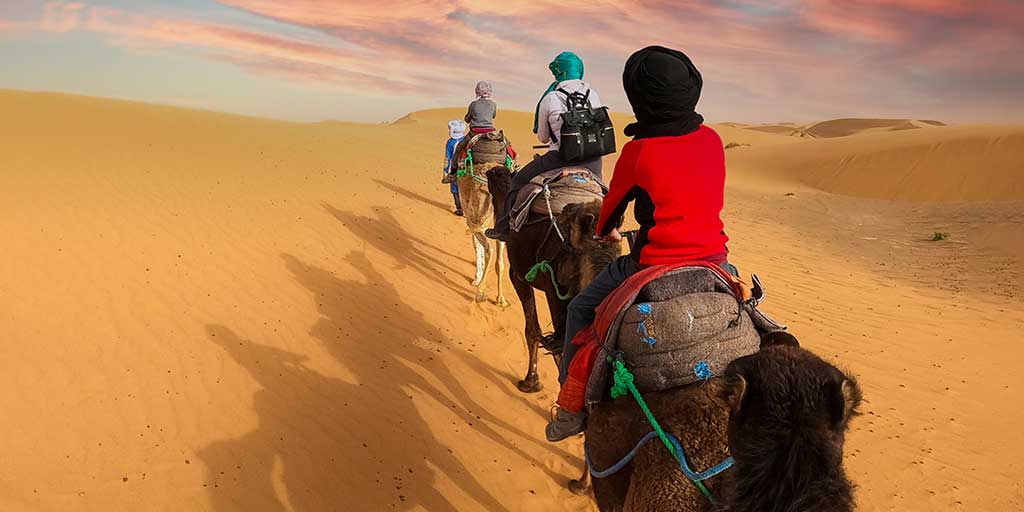
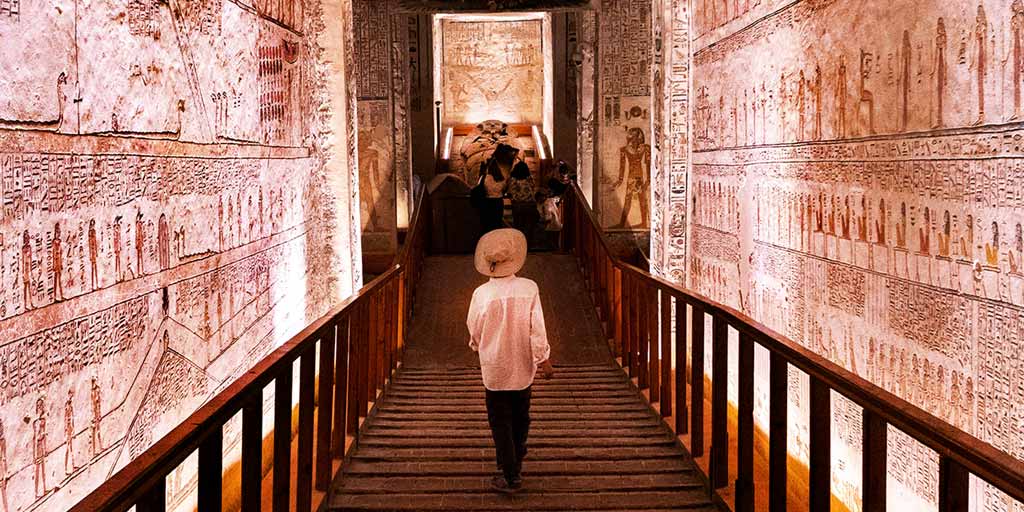
Our Tanzania travel adventure was the second stage of a month-long family travel journey across Africa, where, along with Tanzania, we visited Egypt, Zimbabwe, Mozambique, and Morocco.
Day 1: Karuma Coffee Plantation Lodge — Where the Noise Fell Away
After the chaos of travel in Egypt, starting in Giza and then embarking on a three-day adventure in the Western Desert (you can watch our video of that epic trip here), we arrived at Kilimanjaro International Airport on an early connecting flight from Somalia. The sky was grey, and Africa’s tallest mountain was nowhere to be seen.
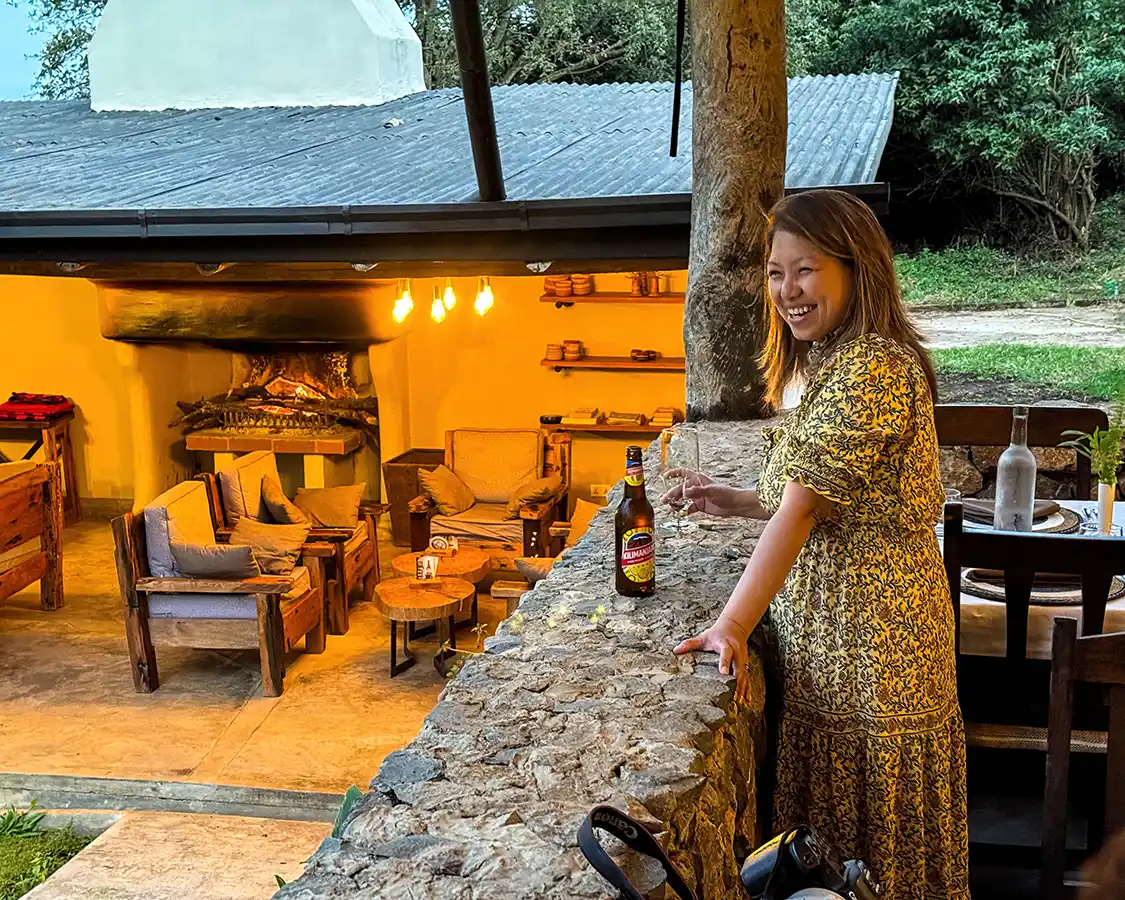
We rolled through the dusty streets of Arusha Town, the buzz of motorcycles mixing with the smell of roasting corn. Soon, Omary steered us off the main street and into the quiet of Karuma Coffee Plantation Lodge. This peaceful retreat, surrounded by coffee plants, vegetable gardens, and soft green hills, was a welcome relief after days of dusty travel and rough roads.
Almost immediately after we arrived, the world slowed down.
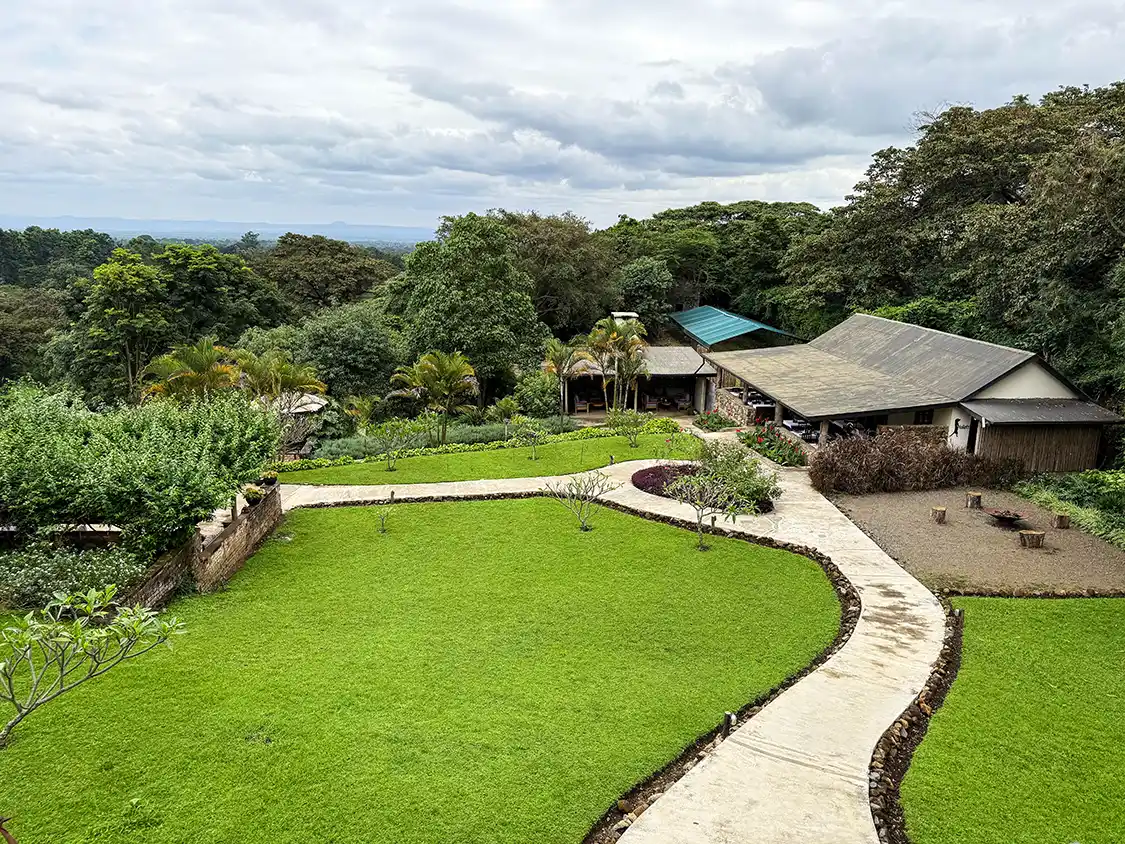
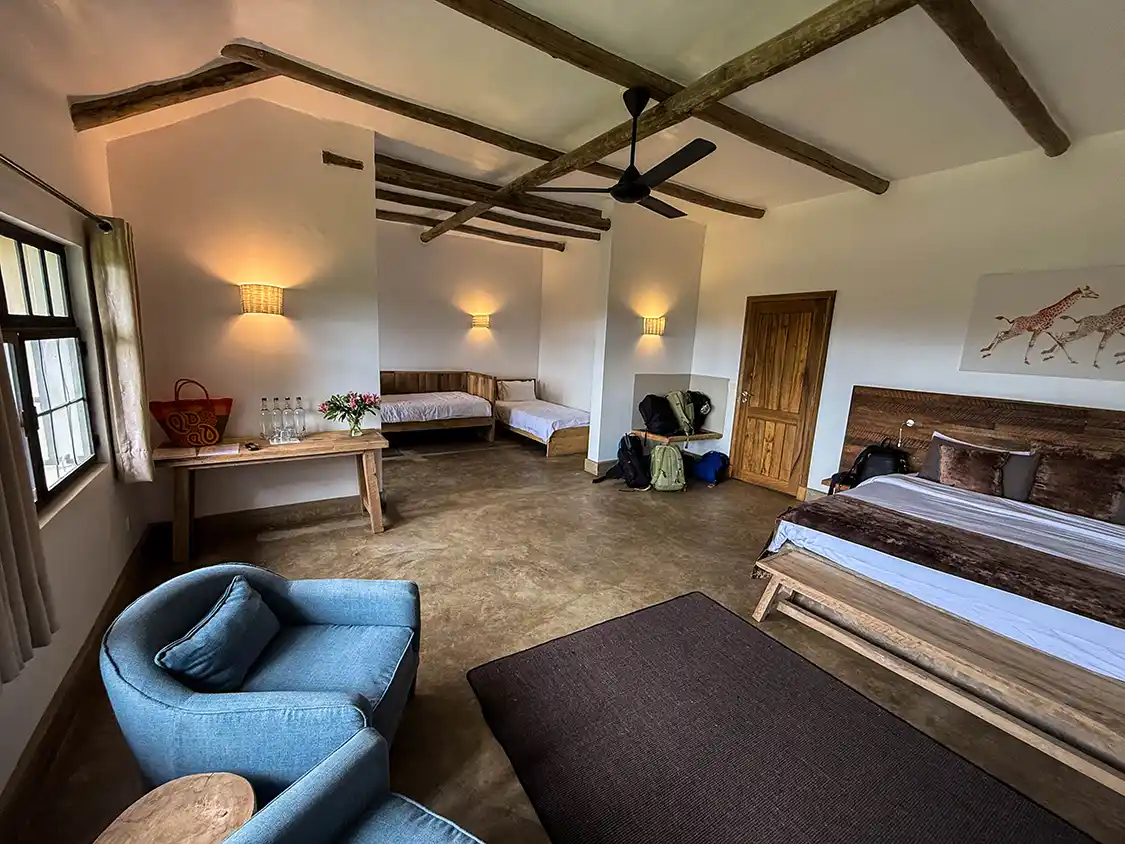
We checked in, got the lay of the land, and were given the keys to a spacious room overlooking the garden. We thought about cleaning up, getting organized, and planning the next day. But a flash of movement in the trees outside our window distracted me.
I grabbed my camera and tried to photograph a troop of blue monkeys bouncing between trees while Cohen and Dylan got distracted by a giant praying mantis clinging to the pool house wall like it owned the place. We spent time splashing in the pool. The water was cold, but the view made the goosebumps worth it.
Dinner came almost entirely from the land around us. No excess. No performance. Just good food, cold beer, and cool fresh air. Just like that, we felt like we had arrived. Tanzania was waiting for us.
Day 2: Tarangire National Park — Where Everything Became Real
The next morning, we packed up the Land Rover (because every second vehicle in Arusha seems to be a classic Land Rover), grabbed a coffee from a local shop, and hit the road toward our first African Safari in Tarangire National Park.
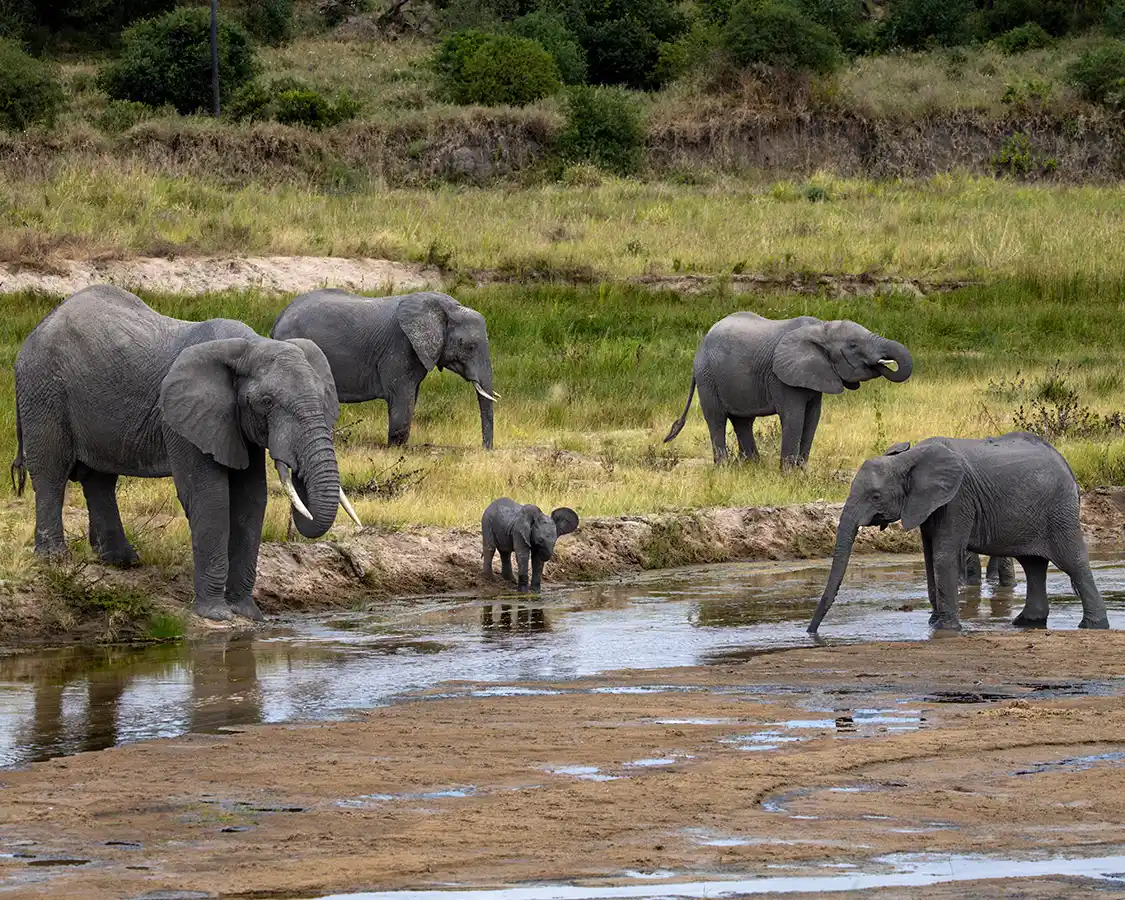
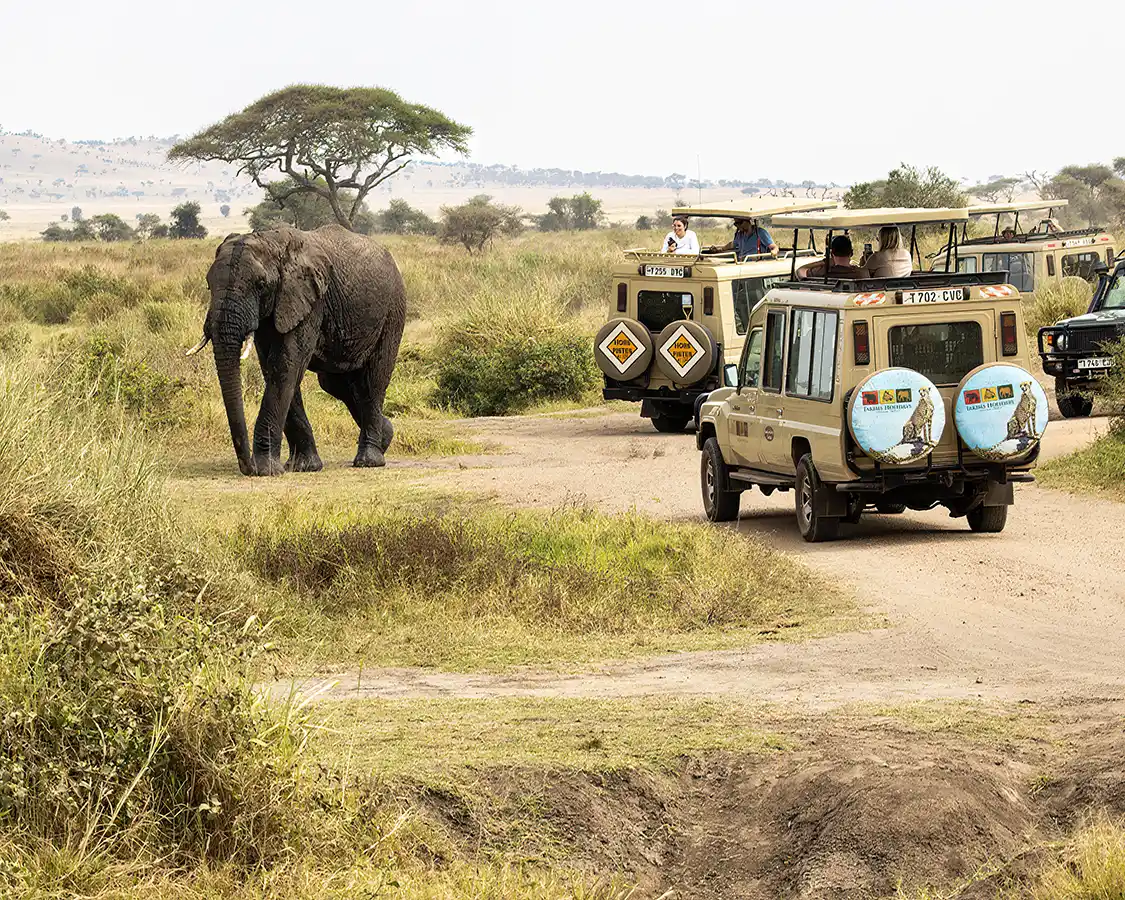
Tarangire didn’t welcome us gently. It threw elephants at us.
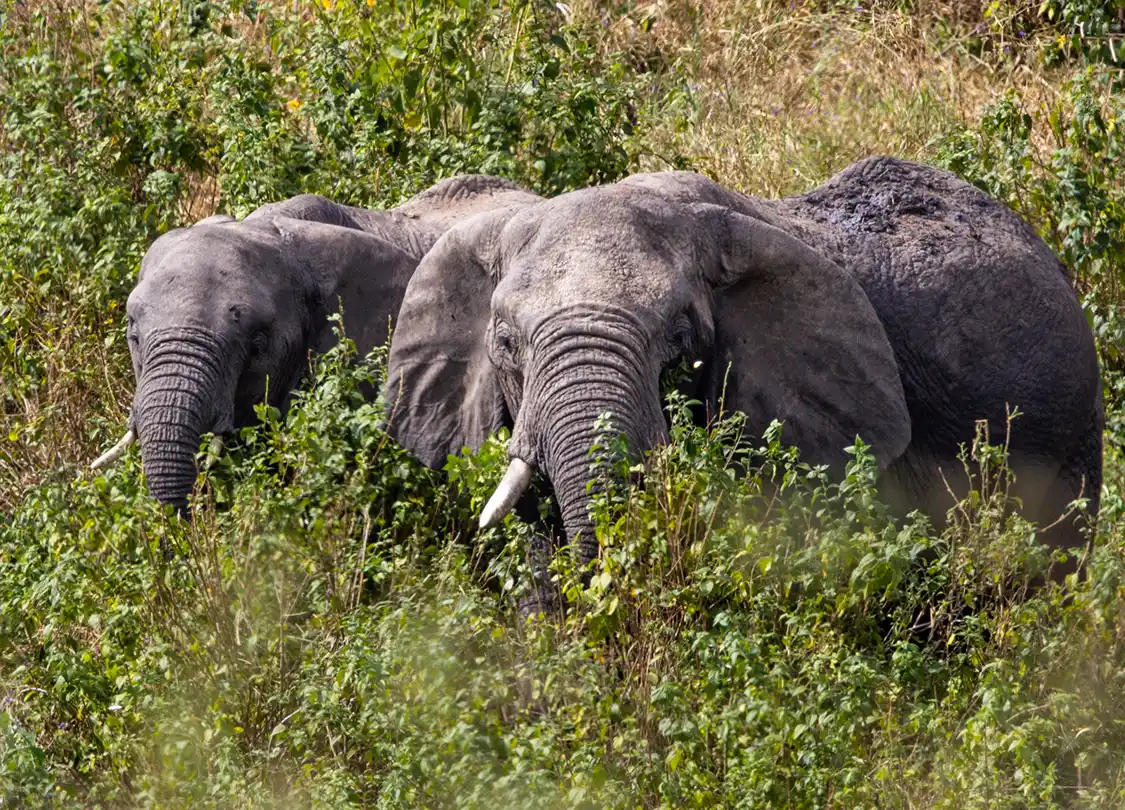
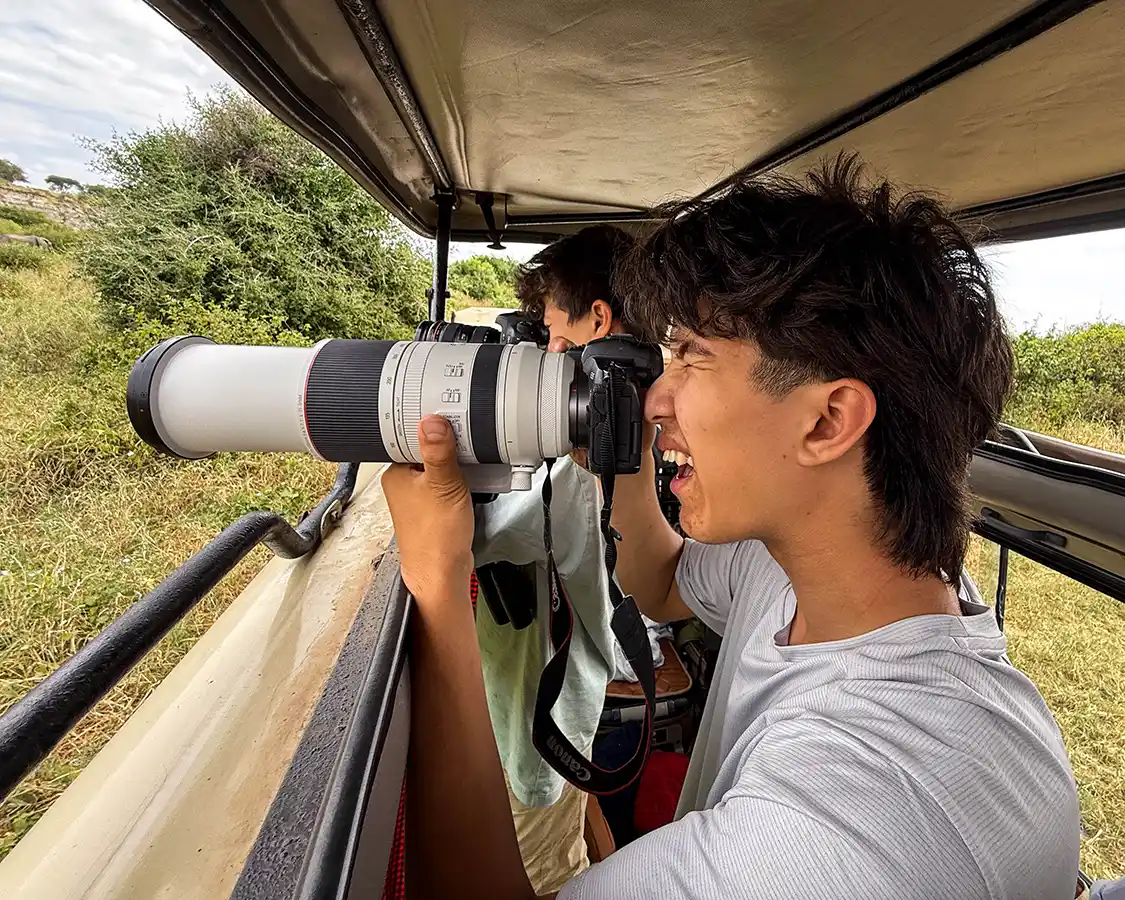
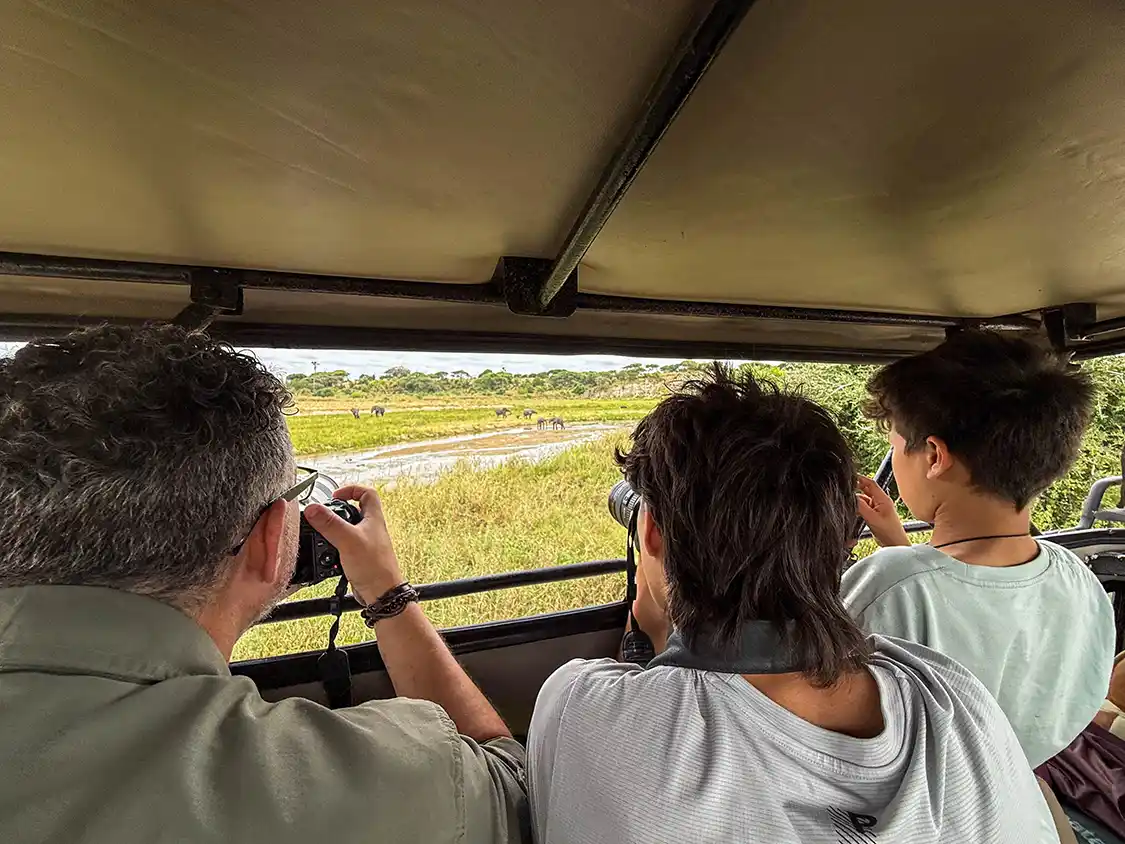
Within minutes of entering the park’s gate, we were surrounded. By the end of the day, Dylan had counted fifty-eight elephants before abandoning his notebook tally for a chance to wield my camera. At one point, a herd walked so close to our Land Rover that I instinctively pulled my elbows in, so I wouldn’t bump them.
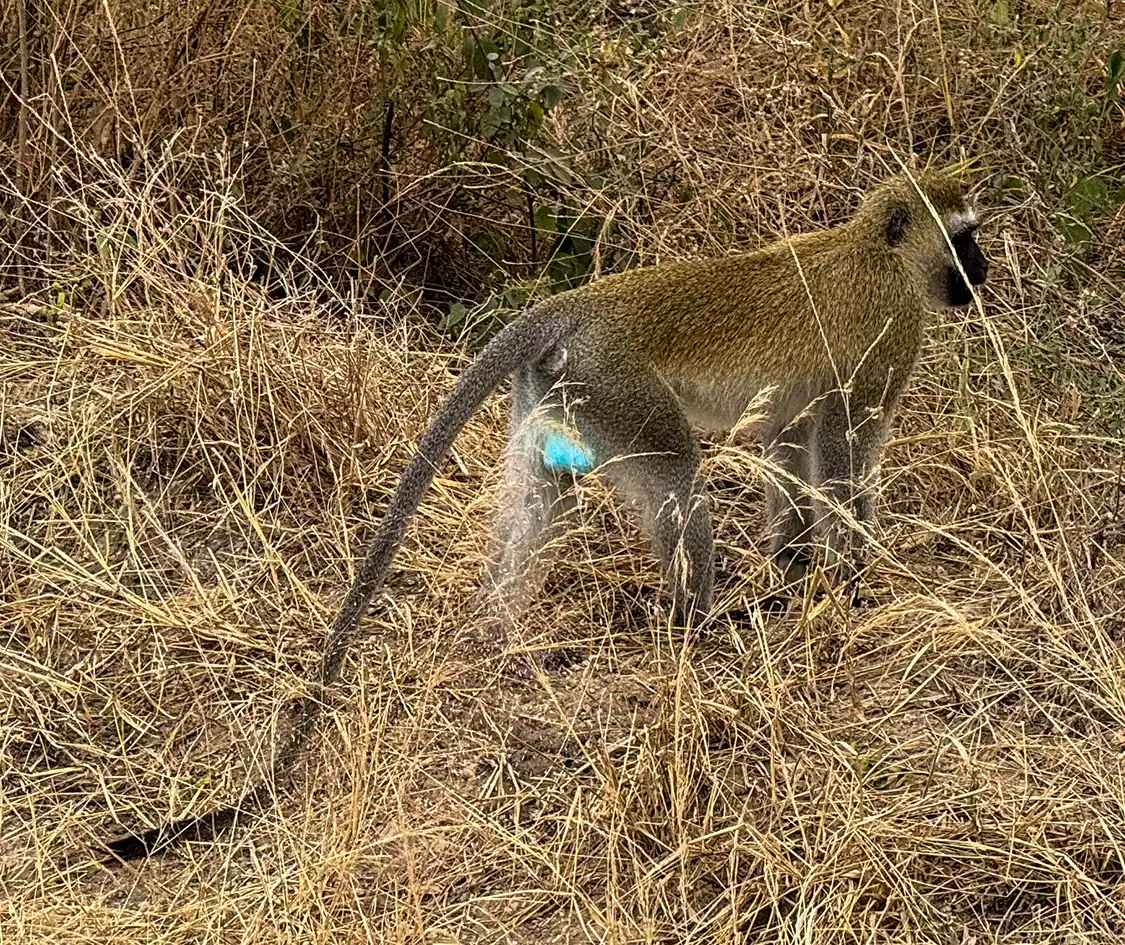
This was the day my kids fell in love with wildlife photography. I handed over my camera, my long lens, and any illusion that my gear was still mine. But they managed to snap some incredible shots. And they kept at it throughout our entire seven-day tour. Dylan was especially proud of this photo of a Vervet. I’m sure you can guess why.
I was blown away by the baobab trees scattered throughout the park. I was stunned that something I thought only existed in Madagascar was so plentiful here. Cohen quickly pointed out that the park’s signage felt a bit primal. Each one was decorated with a buffalo skull. There was no doubting that the animals ruled the land here, not us.
That night, we stayed at Farm of Dreams Lodge. It wasn’t our first choice, but accommodations for family safaris in Tanzania tend to book up fast. When we were escorted to our room, my attention drifted upward to the intricately carved ceilings, layered woodwork, and thoughtful design everywhere.
When we walked toward the main lodge for dinner, a fire-breathing acrobatic show erupted beside the pool. We applauded wildly. Then the tip jars appeared.
Day 3: Maasai Village & the Long Road to the Serengeti
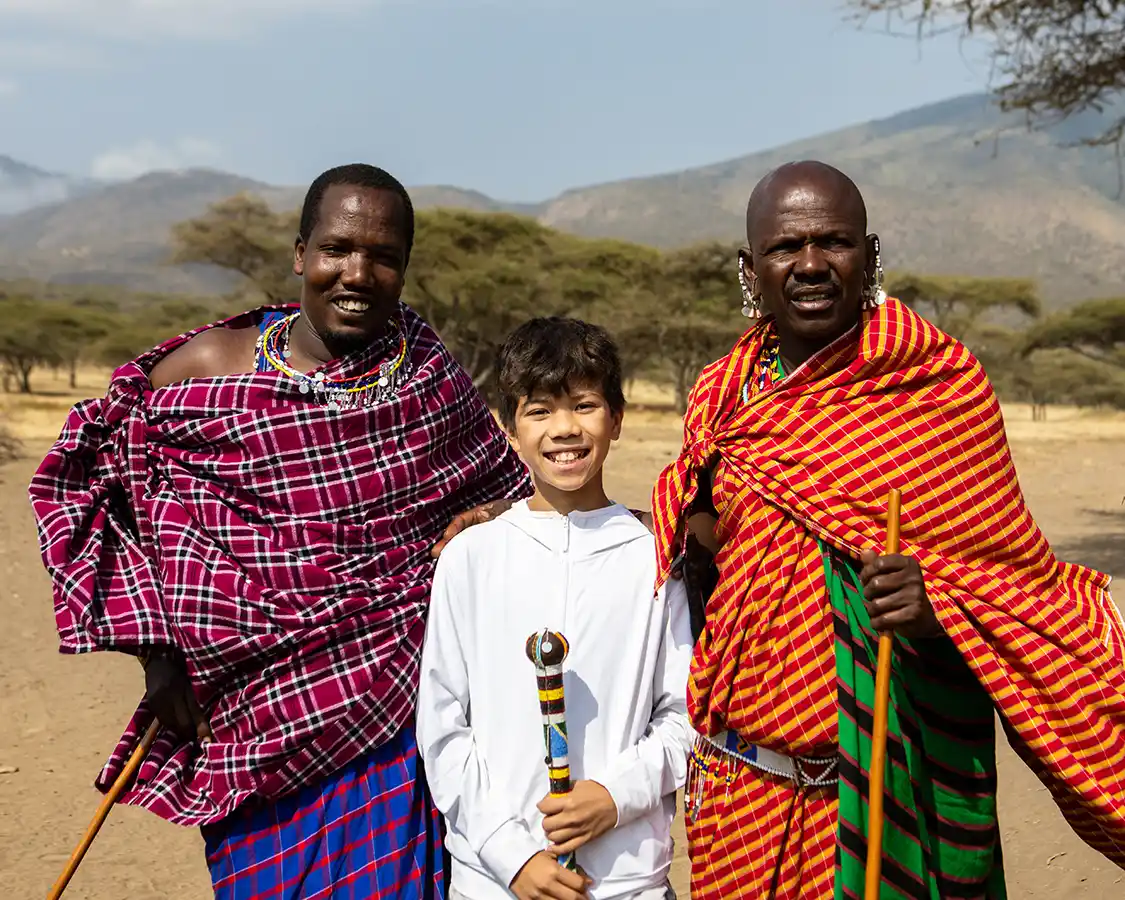
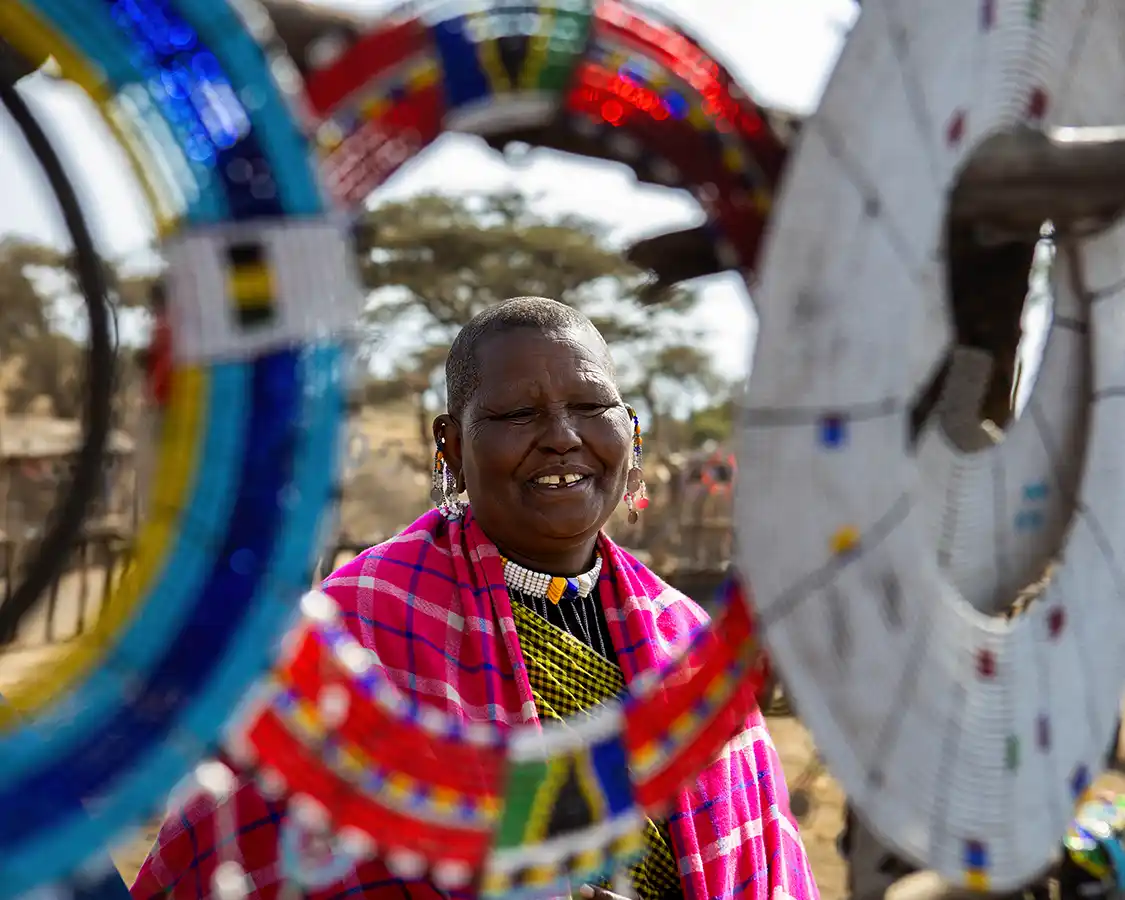
The road that morning was foggy as we climbed toward the Ngorongoro Highlands, passing cattle, charcoal fires, and young Maasai herders wrapped in red and blue shukas.
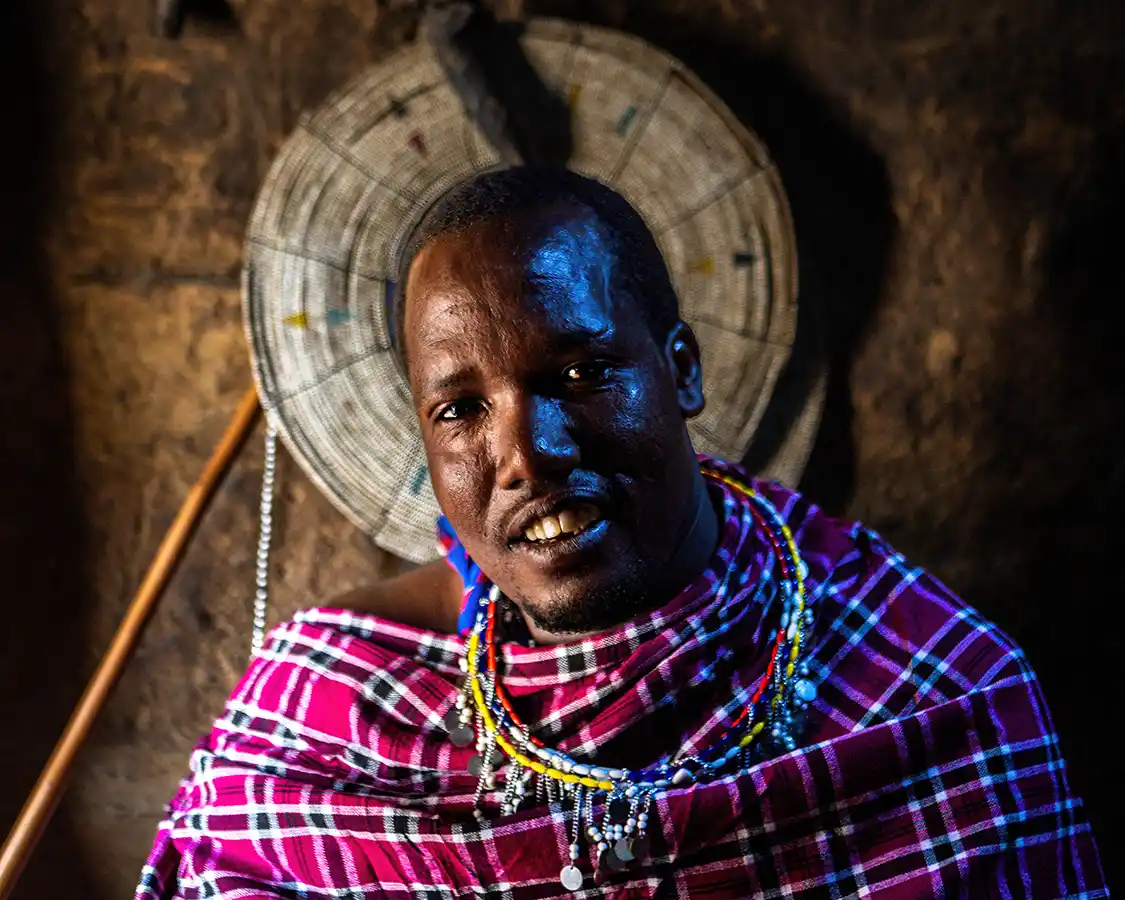
We stopped at a Maasai village — not for a staged performance, but because the community was home and the timing was right. Omary told us that this was how it’s done here. You look for a village, and if they are welcoming visitors, you may be welcomed inside. No pressure, no staged shows. These are Masai living in their traditional ways as they have for centuries.
The boys tried (and failed) to match the vertical jumping of the Maasai men performing Adumu. They learned how to start a fire using cow dung and sticks. We all joined the chief’s son in one of the local houses and listened as our host explained how village life balances ancient tradition with modern pressure.
We left with a talking stick, a necklace, and something far heavier: perspective.
By afternoon, the land unfurled and the Serengeti emerged — vast, silent, and breathing. Lions in the grass. Heat trembling at the horizon. No soundtrack but wind.
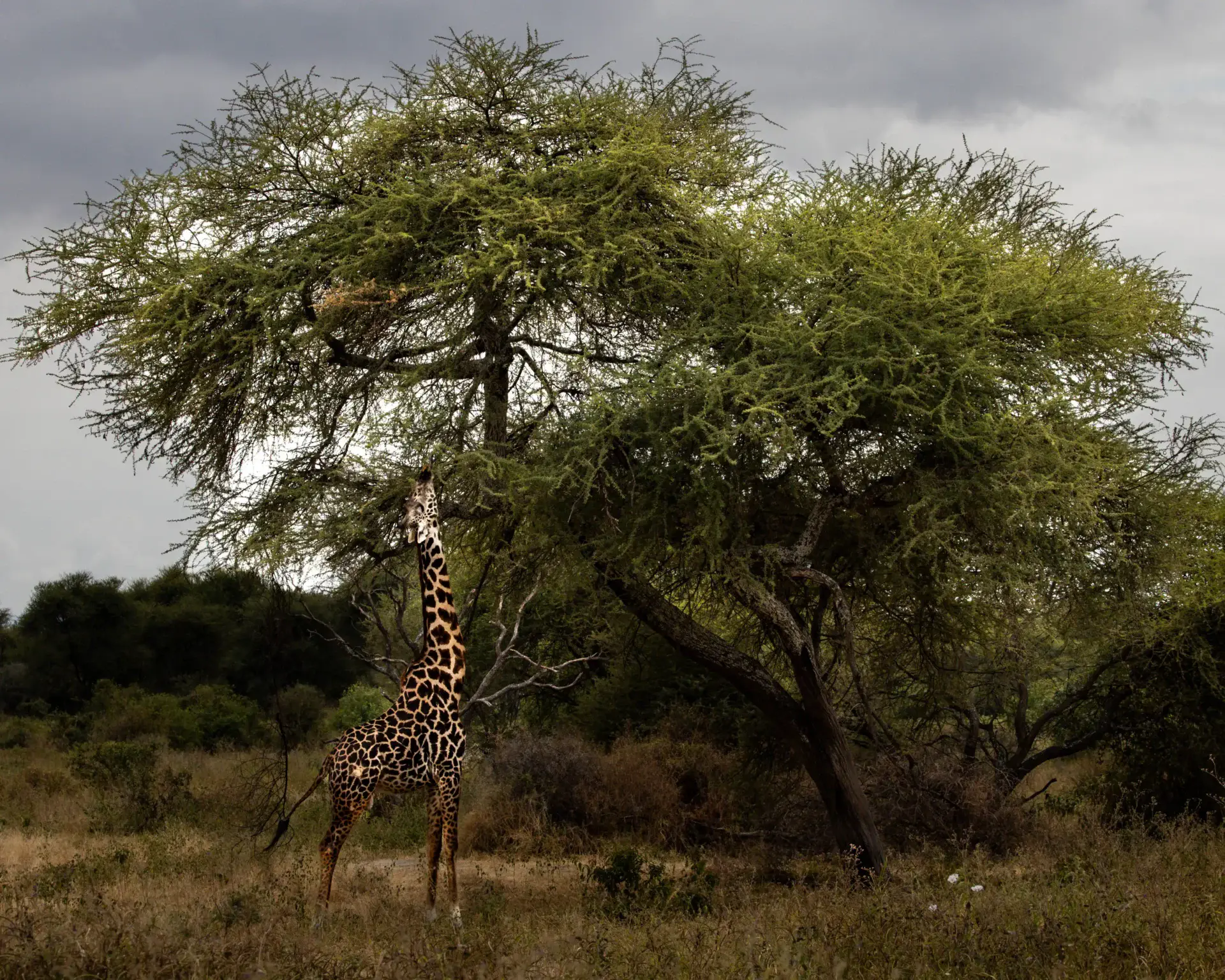
That night, we arrived at Olkarien Lodge, one of many incredible eco lodges within Serengeti National Park. We floated in the pool at sunset, watching a giraffe move across the plains like a slow-motion dream. Long after darkness fell, deep grunting followed the edges of our tent. We assumed baboons. We were corrected in the morning.
They were lions.
Day 4: The Sky, the Hunt, and a Sundowner in the Rain
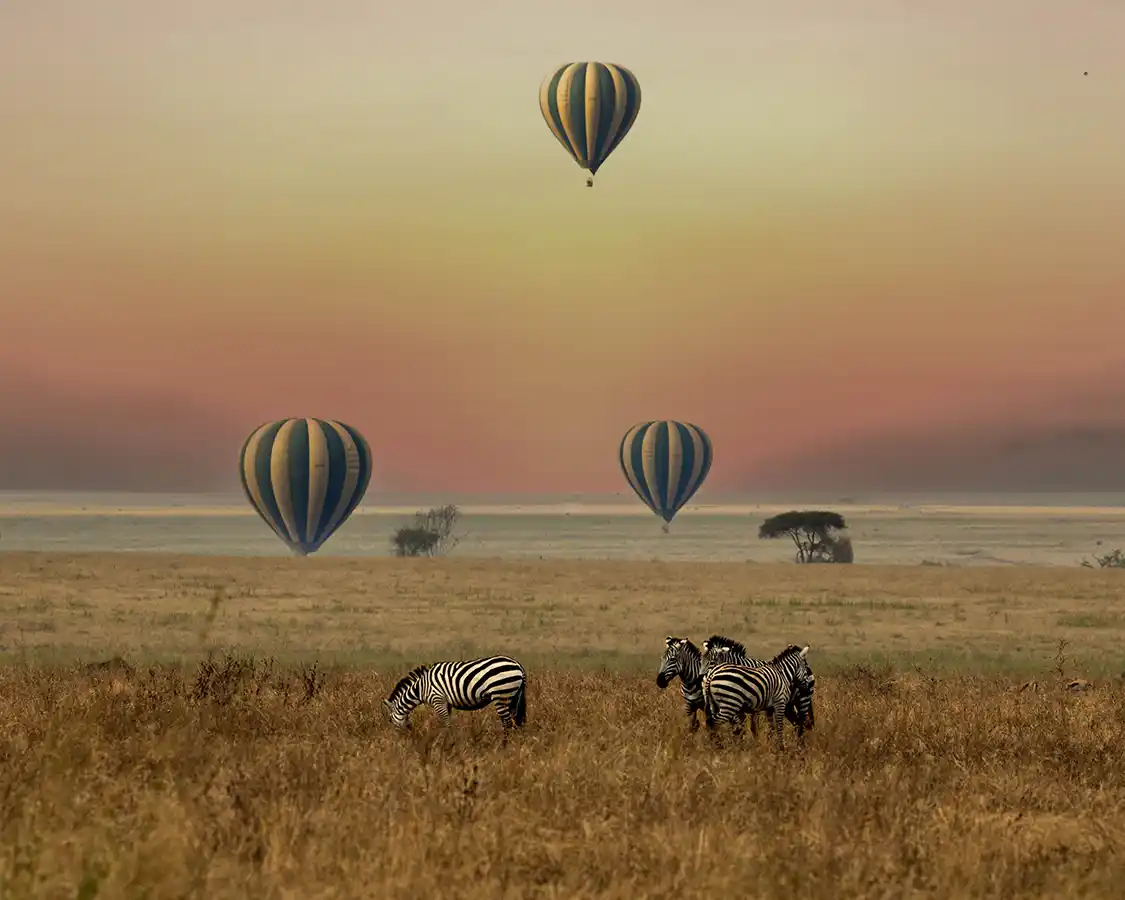
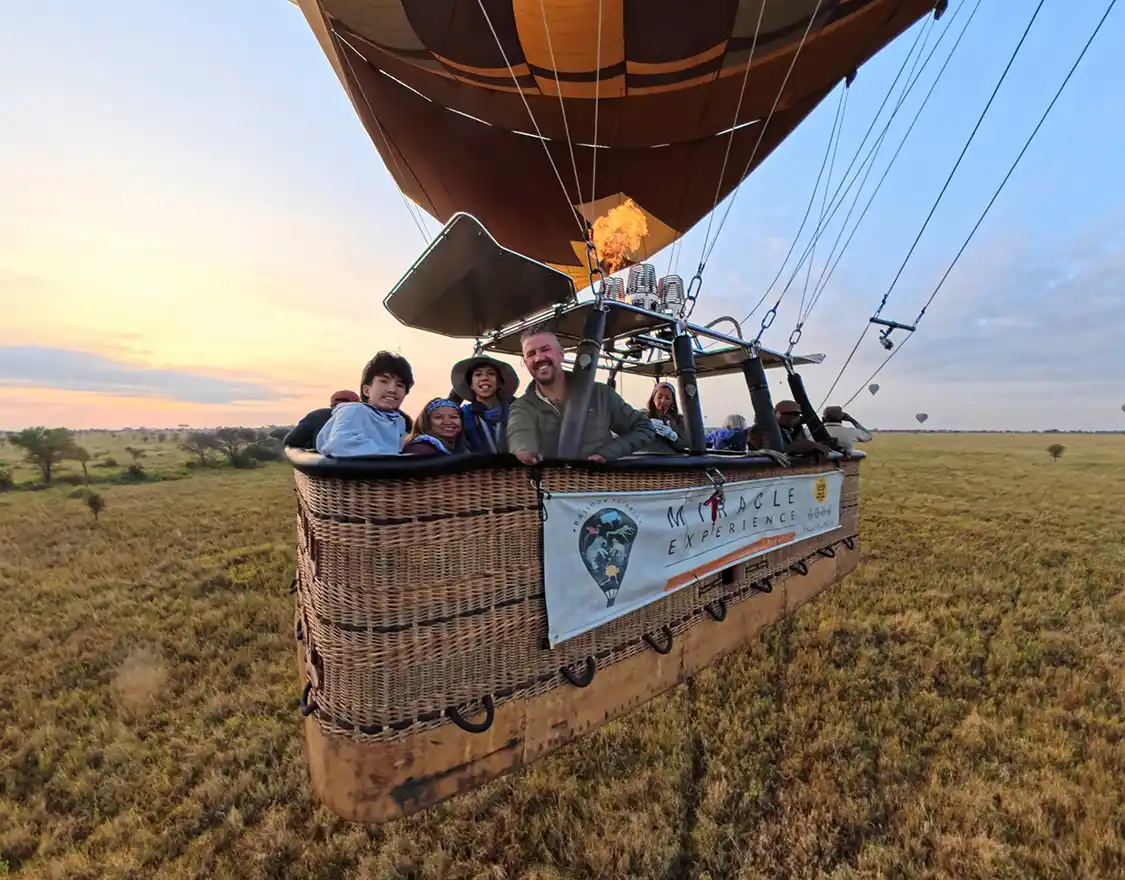
The next morning, we woke at 3:30 a.m. in total darkness and rattled across the Serengeti toward the Miracle Experience hot air balloon launch site. This is one of the top-rated Serengeti hot air balloon tours. We drank hot chocolate in the pre-dawn light as the burners roared to life. Despite this being a sunrise experience, the balloon didn’t lift until after the sun had risen above the horizon. But we weren’t complaining.
Floating over the Serengeti felt unreal. We were served coffee mid-flight, a unique experience where we were careful not to drop our cups. Below us, giraffes drifted between trees and elephants carved paths through the grass. We saw a pair of bat-eared foxes chasing each other gleefully through the brush.
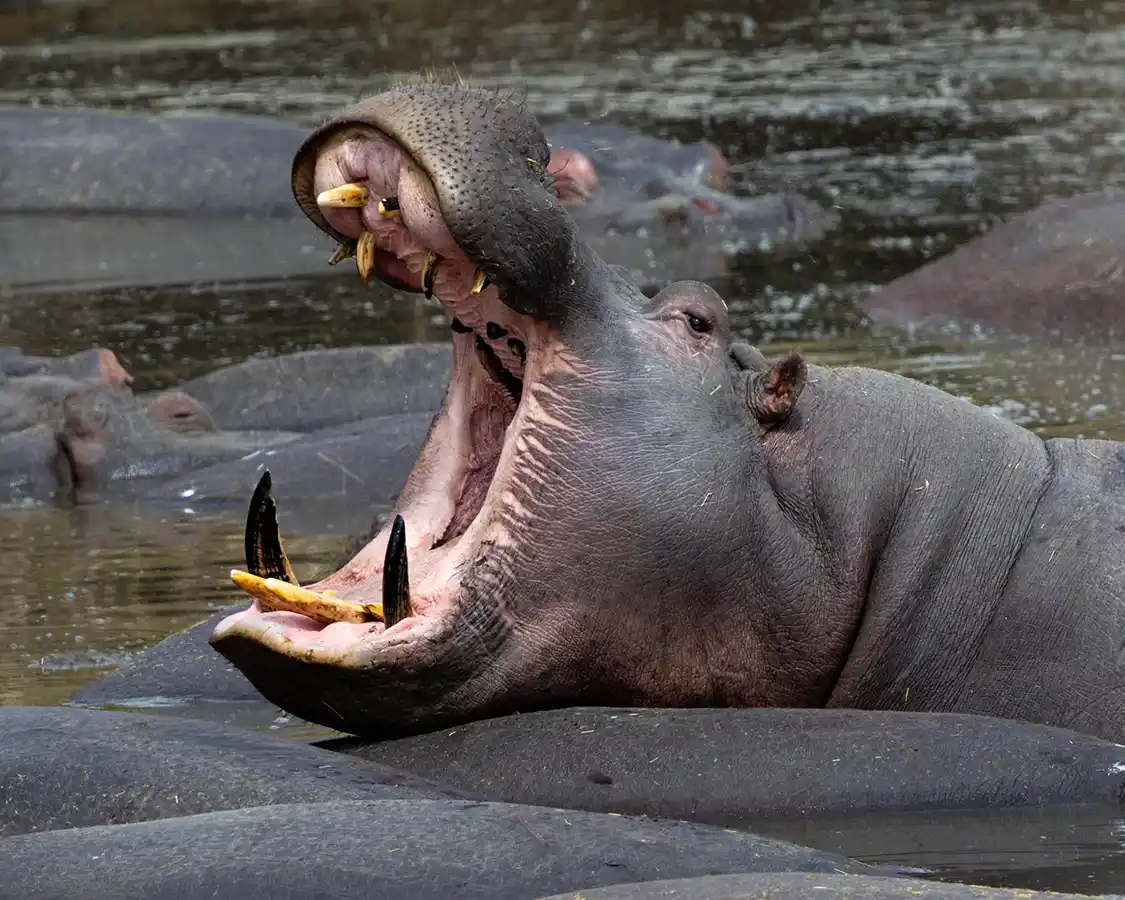
The rest of the day unraveled slowly and wildly at the same time: a hippo-packed waterhole that smelled as terrible as you might imagine, our first sightings of ostriches, crocodiles, and hartebeest, and hours of quiet scanning as our guide worked radios with other drivers, piecing together the invisible puzzle of animal movement.
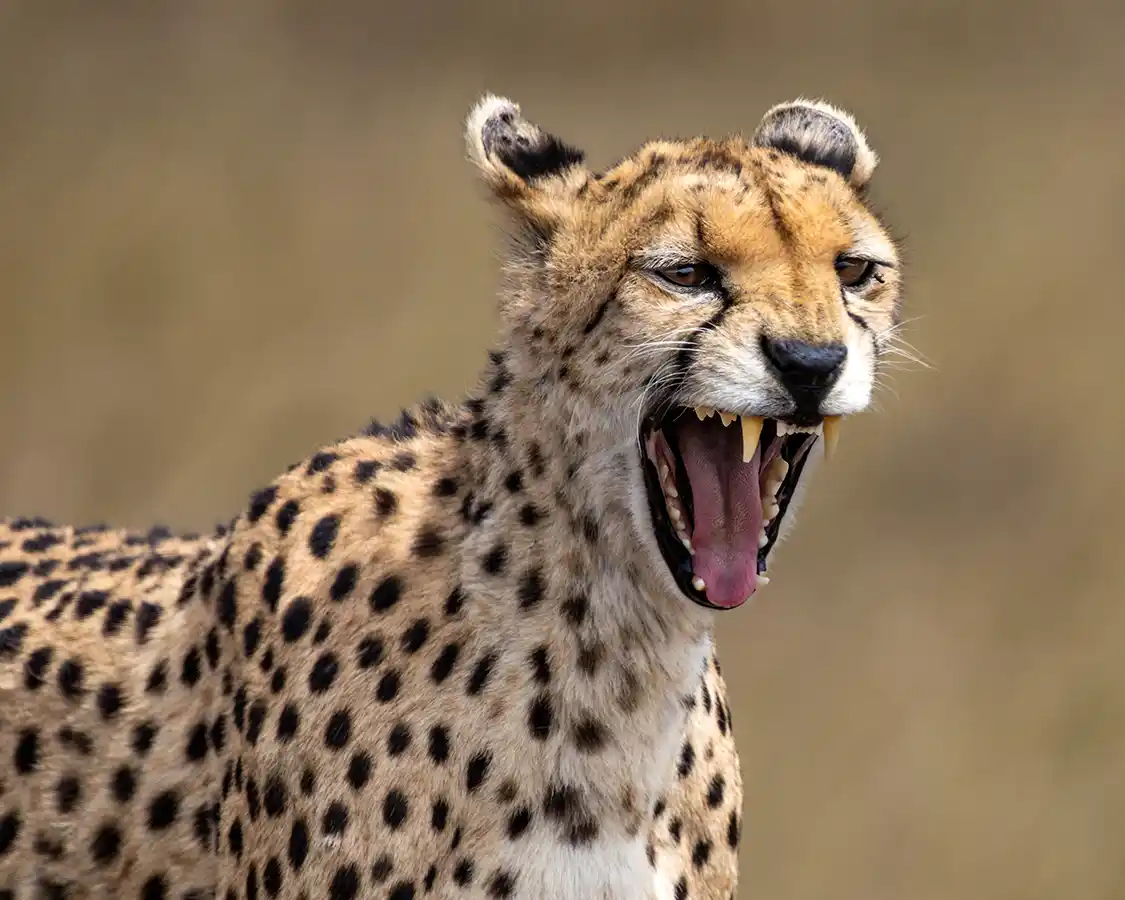
We waited for a leopard. In fact, we waited a long time.
Just as doubt settled in, a call crackled over the radio, and Omary hit the gas. We drove fast. The dust rose. And in the tall grass, gold eyes caught the fading light. The leopard did not move. Neither did we.
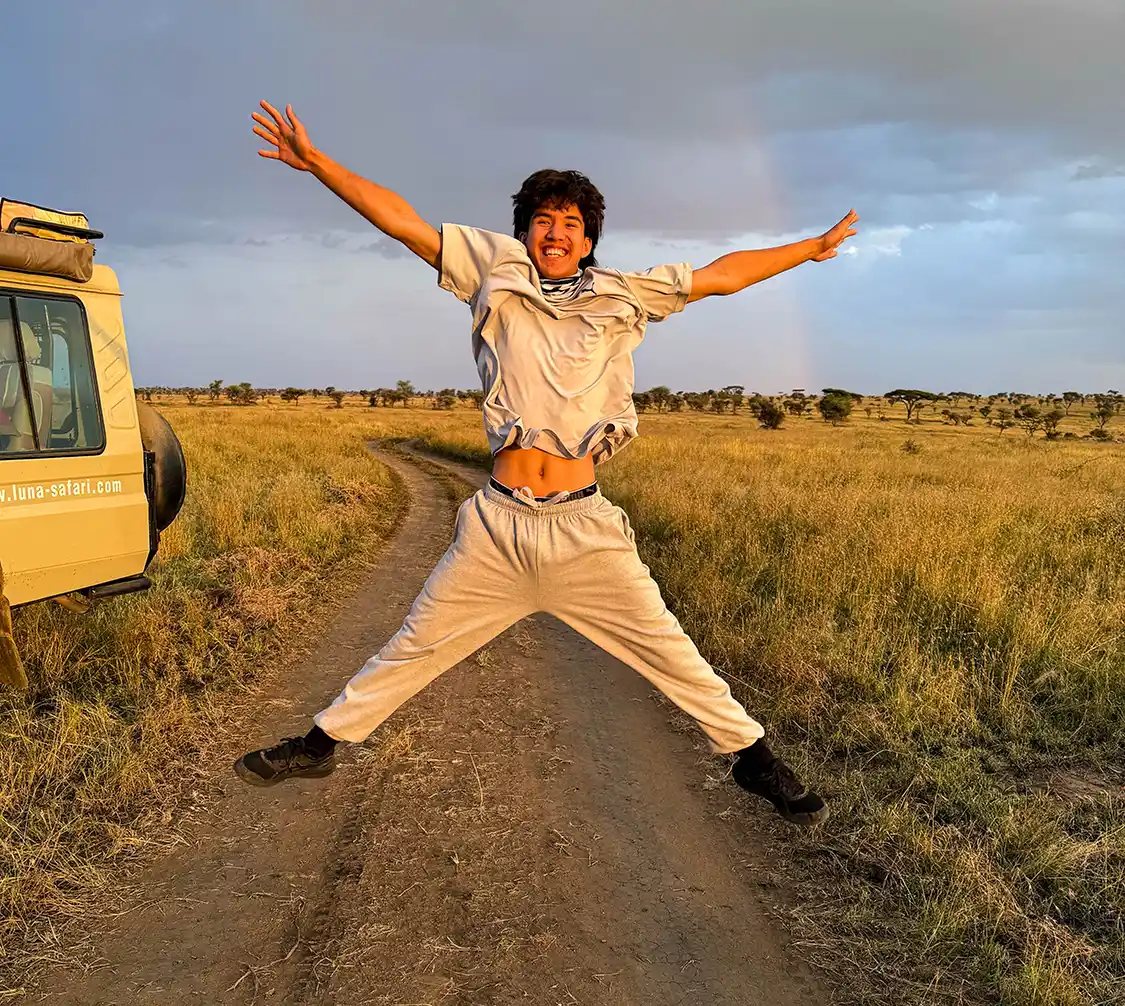
At sunset, rain fell from a lone cloud during our Serengeti sundowner stop. Christina danced in the rain singing Toto’s ‘Africa’. The kids laughed. I stood very still, realizing that safari had stopped being about animals and started being about presence. It was no longer a mystery why Serengeti National Park is often called “Africa’s wildlife paradise.”
You can check out more about our hot air balloon experience and our full Tanzania itinerary in our YouTube video here:
Day 5: Ngorongoro Crater — Falling Into a Living World
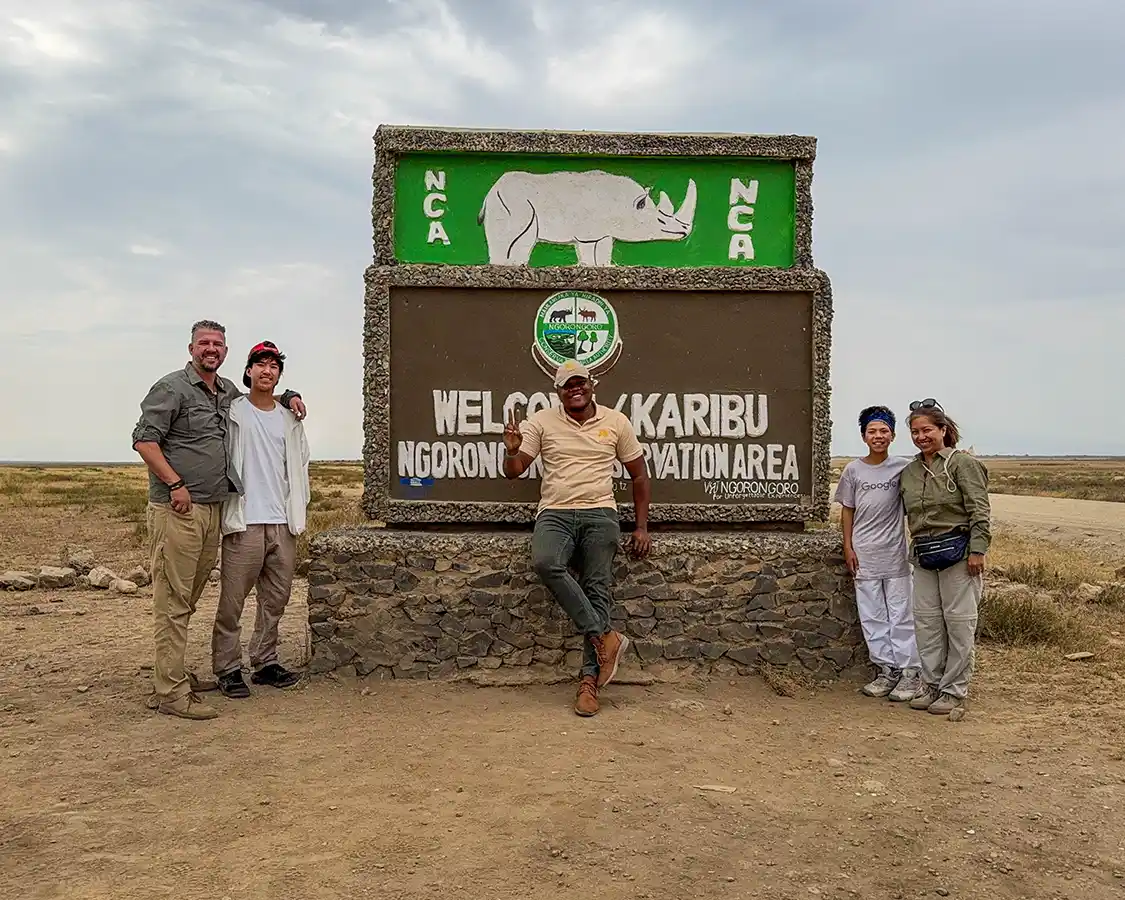
The following day, we climbed out of Serengeti National Park under a wide sky and reached the rim of Ngorongoro Crater before descending into it. The view stopped us cold. It looked like an entire planet had collapsed into its own little universe. Lakes, rivers, forests, clouds pouring inward like waterfalls over the rocky rim.
Flamingos filtered through alkaline water. We ate lunch beside hippos. And deep in the grass, just when we thought our luck had flattened, a mother black rhino and her calf appeared. Two of only about 250 black rhinos in all of Tanzania.
Ngorongoro felt special in a way that surpassed even the majesty of the Serengeti. Maybe it was the atmosphere and the mystery of paradise risen from a great disaster. Or maybe it was that this one crater held one of the densest populations of life on the planet.
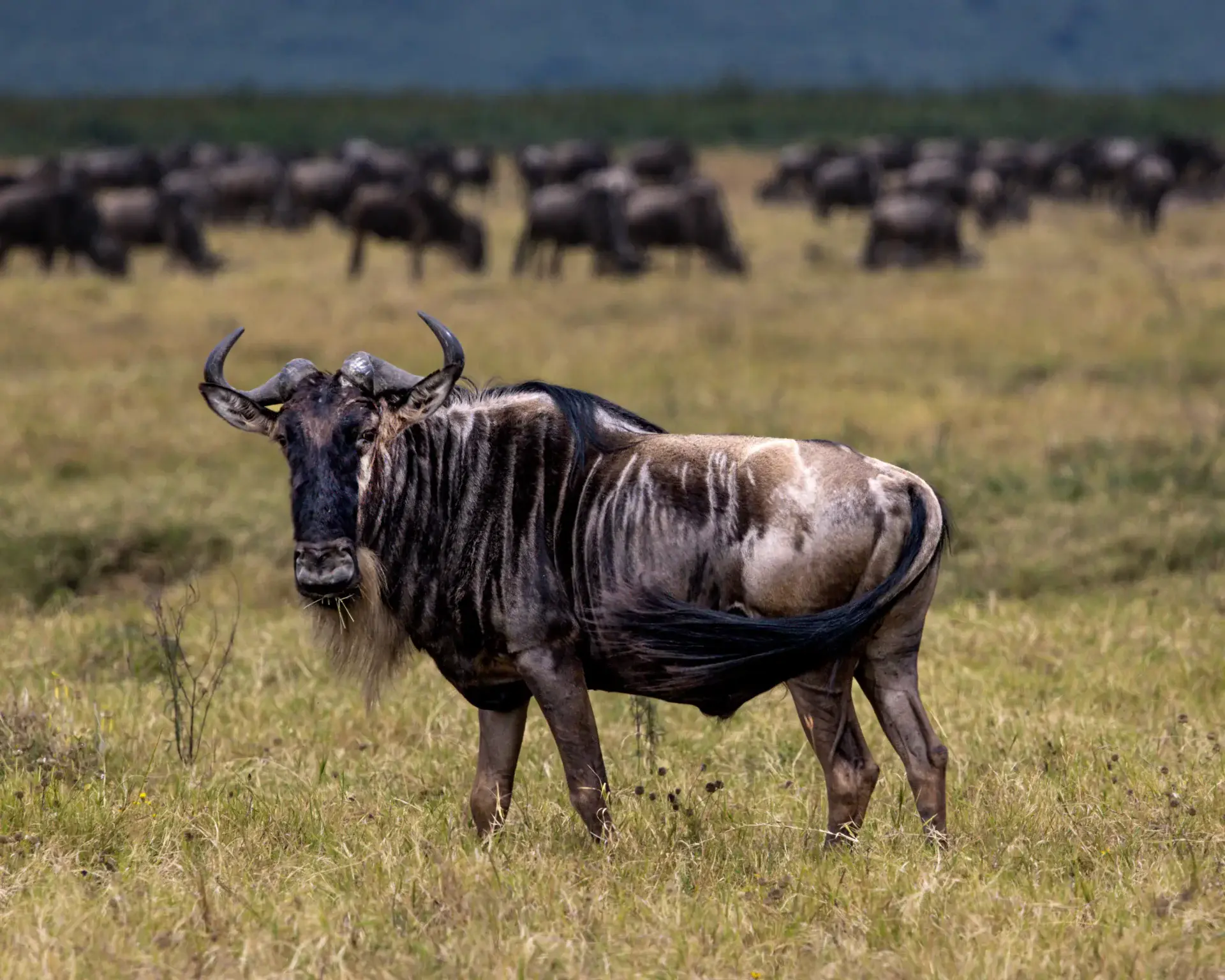
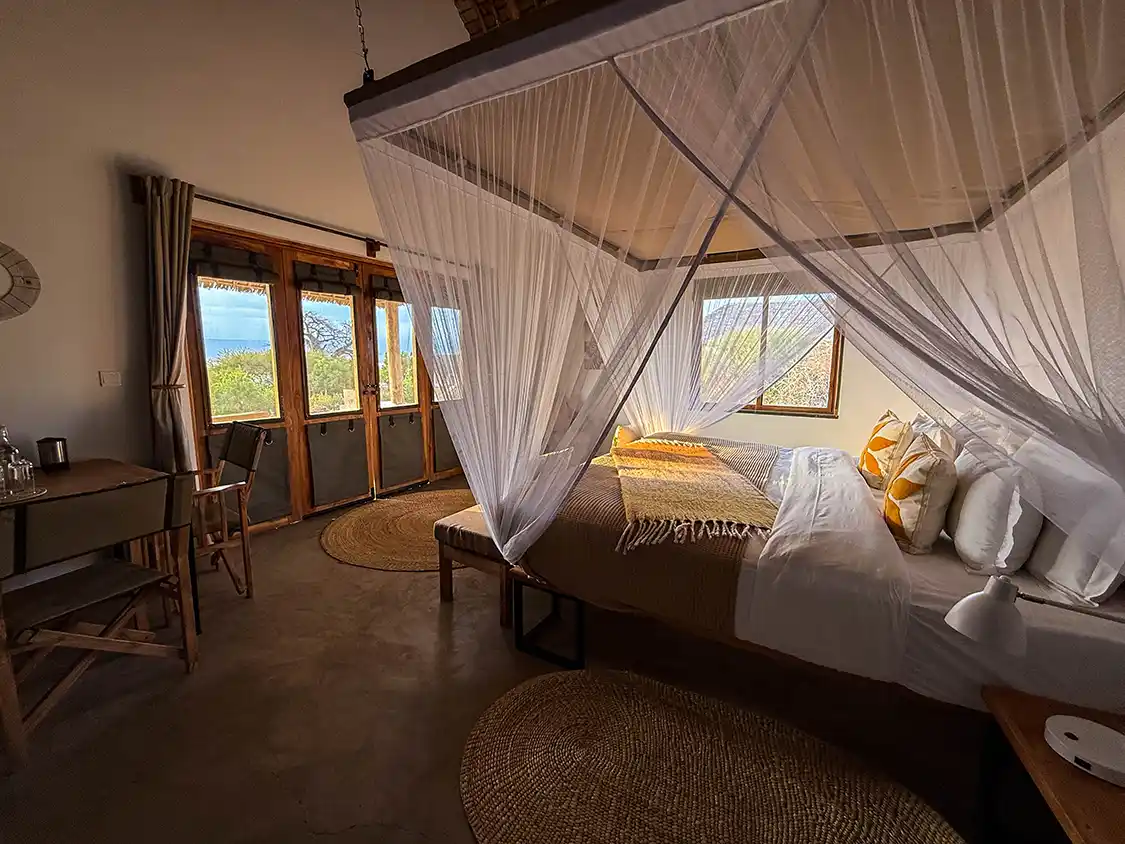
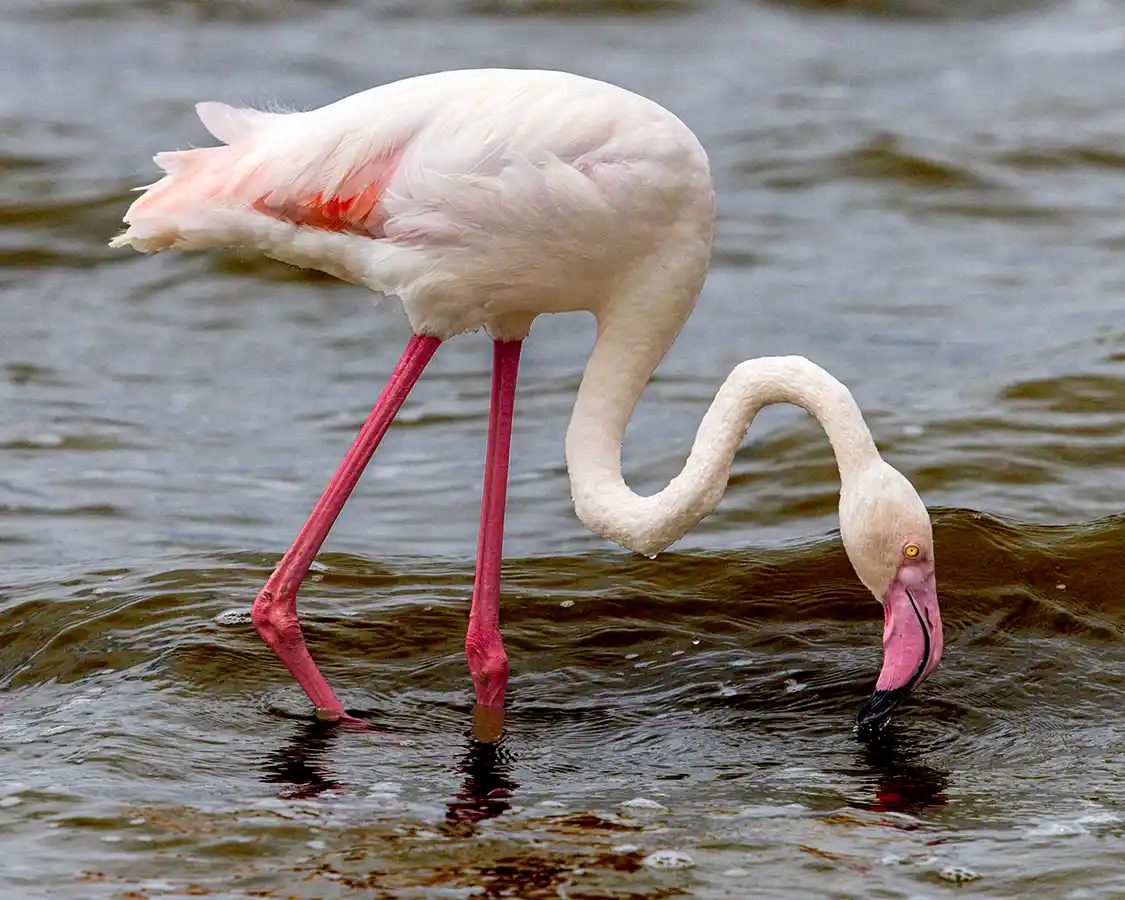
That night at Manyara’s Secret Lodge, the line between guest and family blurred. The staff invited the boys into the kitchen. Christina and I strolled along the beach. It felt human in a way luxury rarely does.
That luxury comes with a sense of purpose as well. Manyara’s Secret was built with a deep connection with the local community: they use local builders, carpenters, and materials, employ locals, support a nearby school by providing meals, and even built a water pipeline bringing clean water to surrounding villages, making their community support tangible and authentic, adding cultural depth beyond just luxury to the guest experience.
Day 6: Lake Manyara — Where the Wild Felt Personal
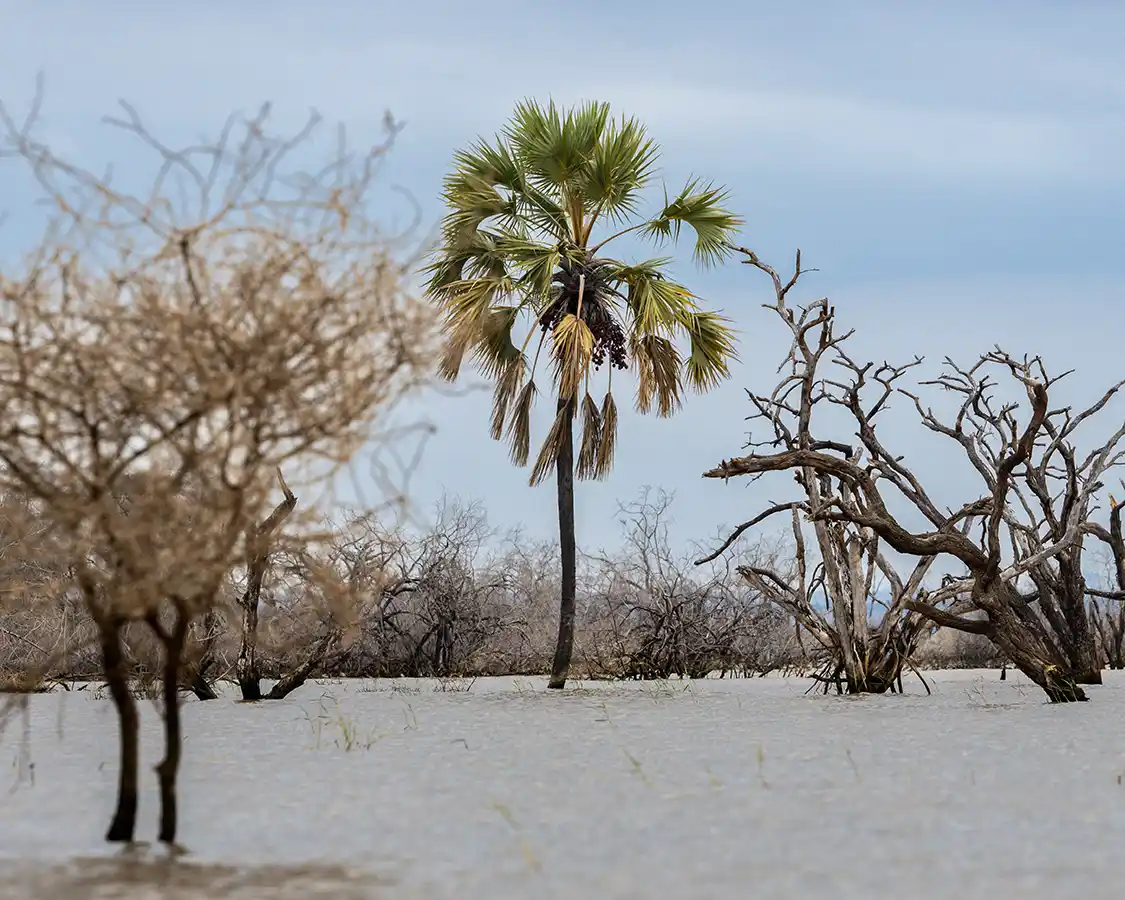
Lake Manyara felt small after the Serengeti. Intimate. Close. The forest pressed in from all sides, but still felt airy and spacious. Monkeys raced through the canopy, and animals as massive as giraffes and elephants would emerge from the shadows like ghosts, just to be swallowed up again like a passing breeze.
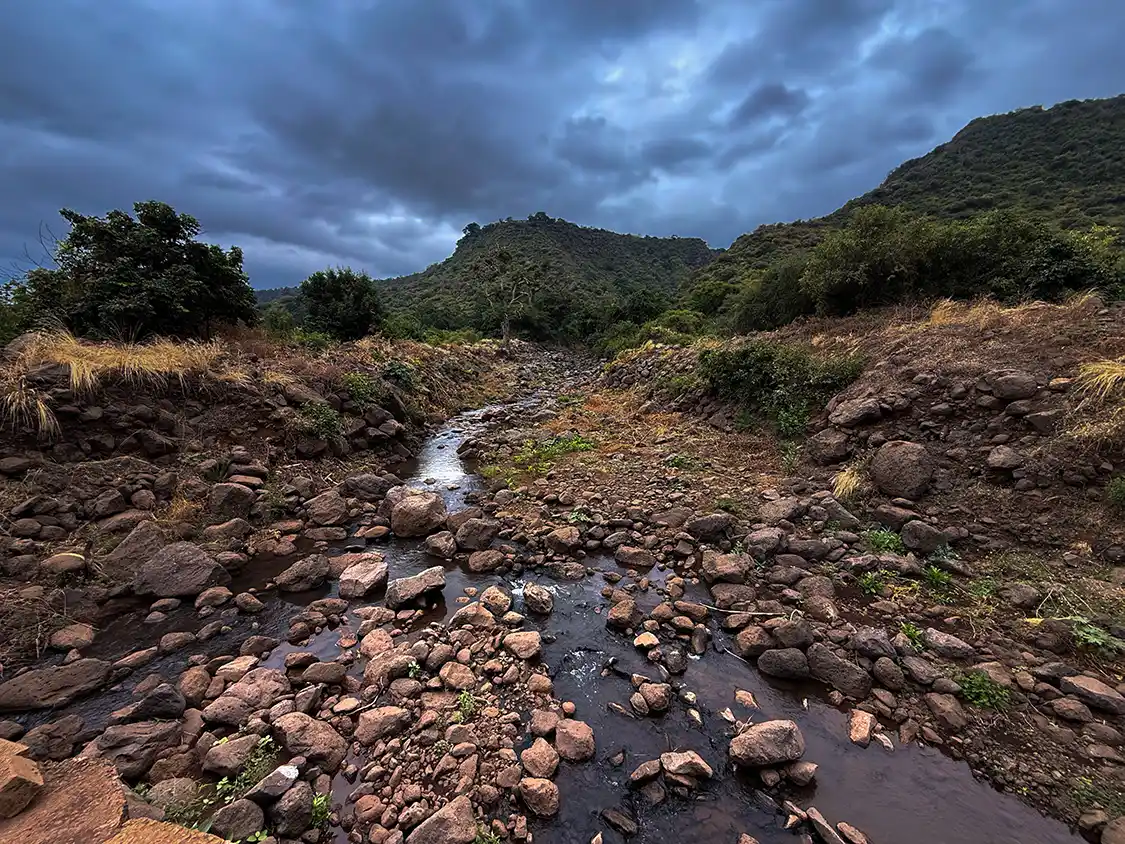
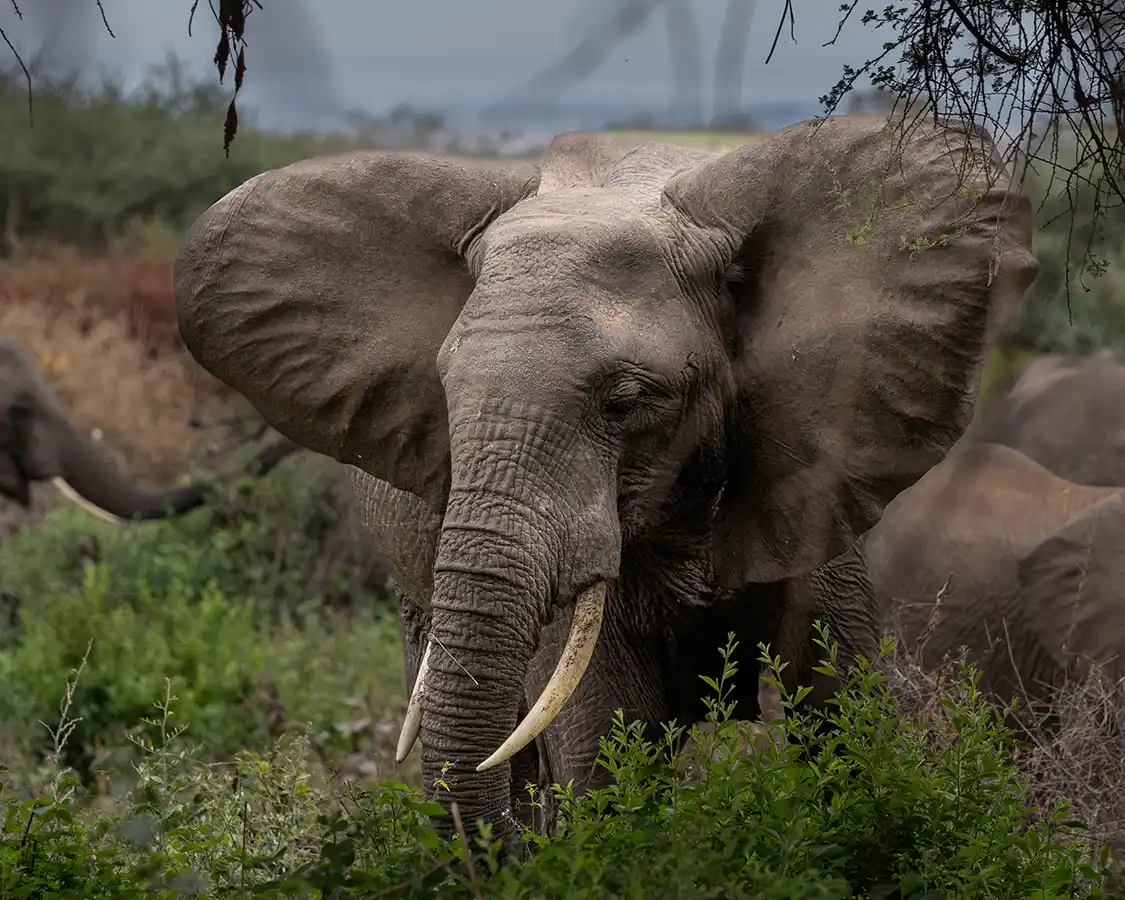
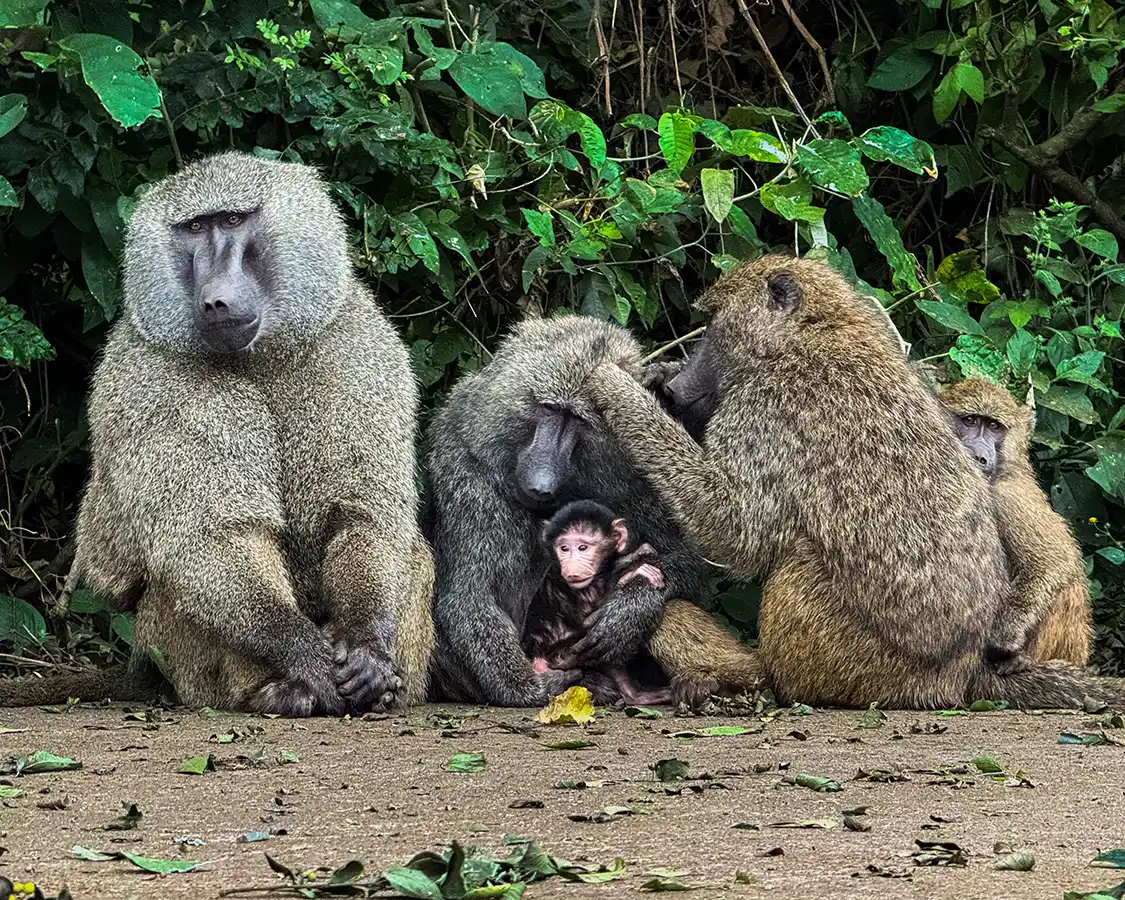
Lake Manyara is a fascinating place. This lake has no outlet, so its water is constantly rising, swallowing up the shoreline and even the roads within the park a little bit more every year. As we drove, we never quite knew where the road would end up. Sometimes it led to a troop of baboons; other times, it simply sank beneath the waves. The park’s famous tree-climbing lions stayed hidden, but Omary told us with a laugh that “all lions can climb trees. These ones just have more trees to climb.”
Day 7: Arusha Town, Markets, and the First Humans
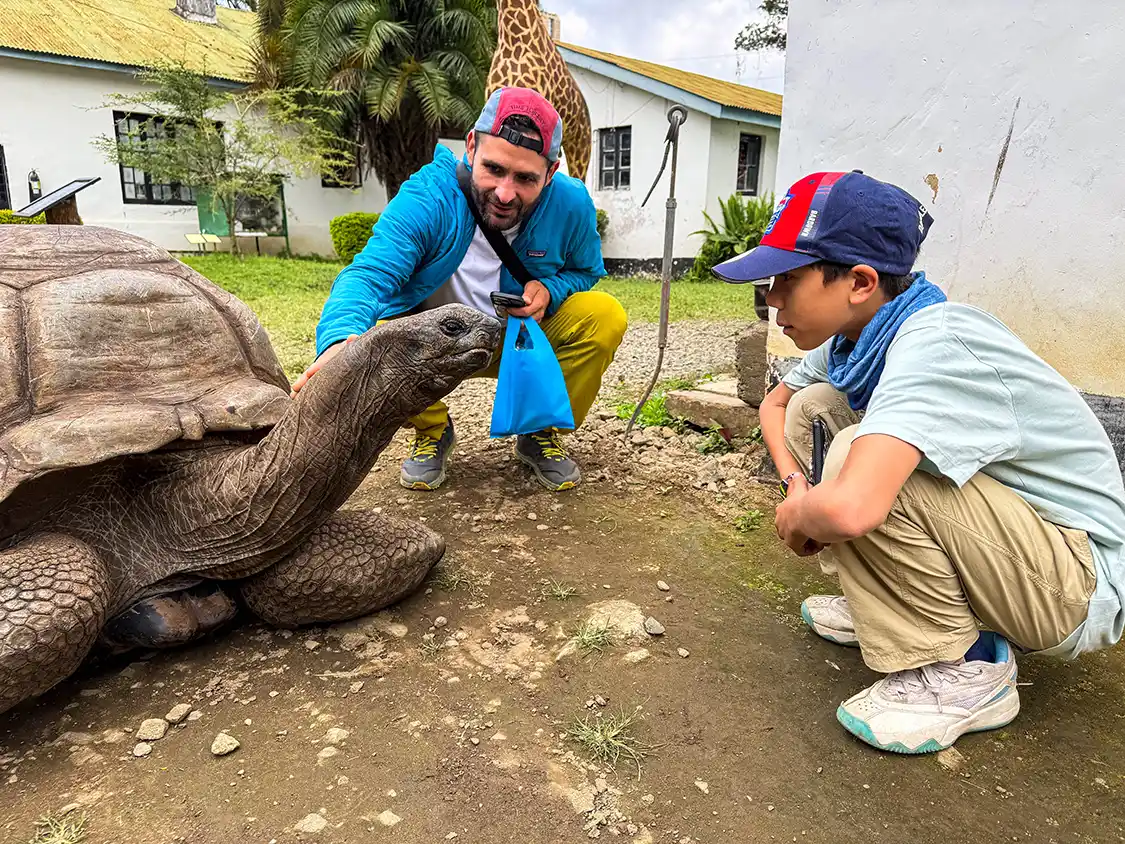
After days of dust and dawn starts, rolling back into Arusha felt surreal. At the Gran Meliá Arusha, Moses, the groundskeeper, showed us herb gardens and beehives hidden among the hotel’s coffee plantation. Cohen tried a fresh jalapeño right off the vine and instantly regretted his bravery.
The Maasai Market buzzed with energy — vendors calling out, welcoming, then reluctantly backing off the moment we let them know we weren’t interested. At the local Arusha Market, would-be guides tried to lead us to spice stalls in exchange for commission. We were traveling carry-on, though. No room for cloves or cardamom on this trip.
At the Natural History Museum, the mood changed. Fossils. Footprints. Casts from Olduvai Gorge. The realization that we weren’t just standing in a wildlife capital — we were standing near the birthplace of humanity itself.
From elephants and lions to human origins, the circle quietly closed.
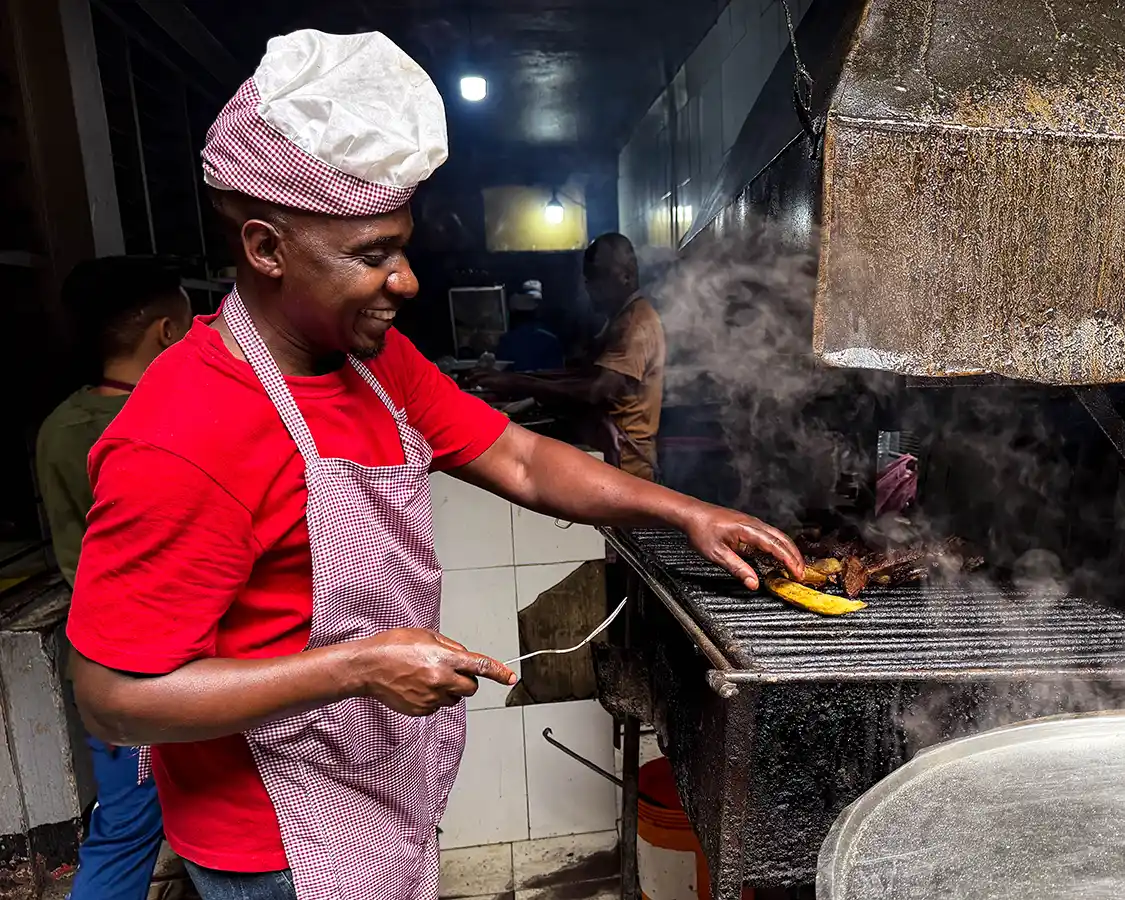
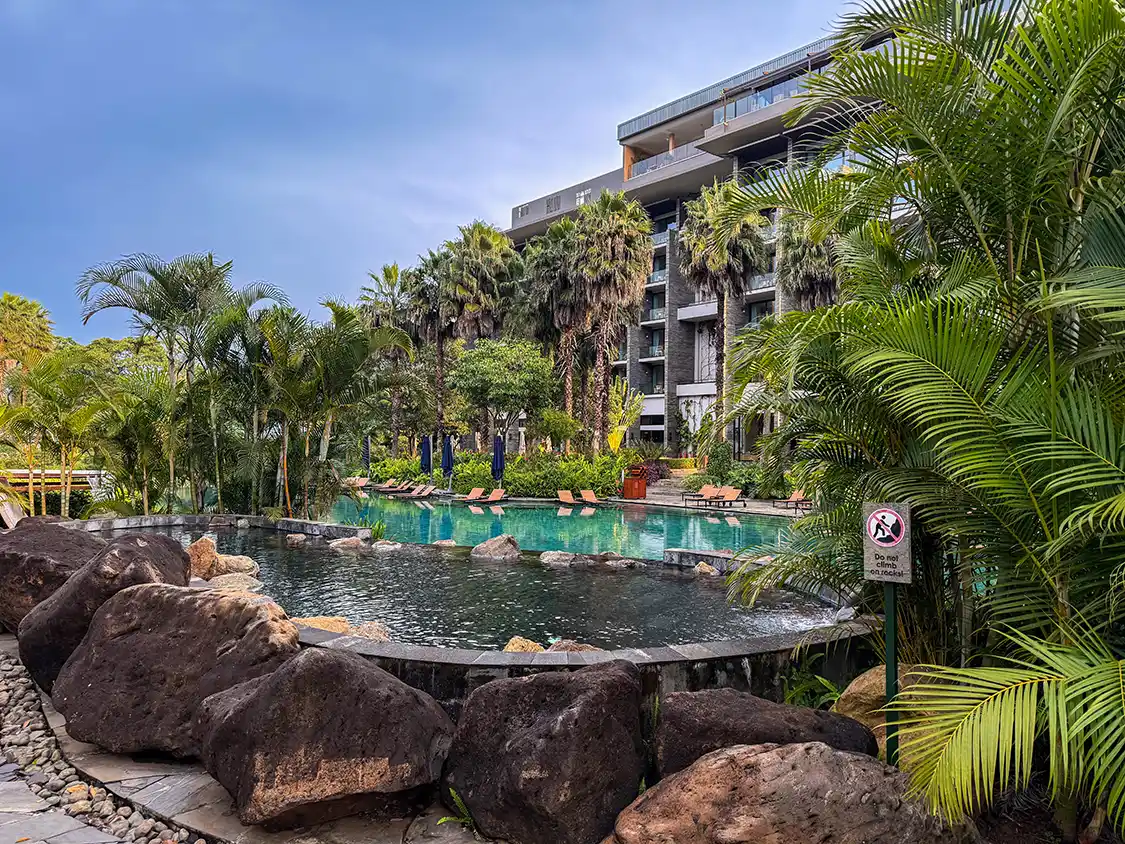

As my family boarded the flight from Tanzania to Zimbabwe (with a quick overnight stay in South Africa), we were all buzzing about the incredible things that we had seen during our seven-day family safari in Tanzania. As we were relaxing back in our seats, the pilot announced over the intercom, “If you look out the left side of the plane, you’ll get a great view of Mount Kilimanjaro.”
And there it was, the last item on our Northern Circuit Safari bucket list checked off.
Booking Your Own Tanzania Family Safari
For families ready to take the next step, both Viator and GetYourGuide offer multi-day safaris, balloon flights, and private family-friendly options throughout northern Tanzania. These platforms work well for comparing routes, lodge styles, and guide ratings before committing.
Our Northern Circuit Safari Map
If you want to follow this Northern Circuit family travel safari exactly, here’s the map of our journey. And yes, it is possible to do a do-it-yourself safari tour of the Northern Circuit. But I don’t recommend it. Trained guides offer your best chance to see the wildlife. They know what they’re looking for and how to find it.
Family-Friendly Tours in Tanzania’s Northern Circuit
🐢 Plan Your Own Tanzania Adventure
Ready to experience the magic of the Tanzania’s Northern Circuit? These hand-picked tours from Viator and GetYourGuide make it easy to explore wildlife, towns, and culture with your family.
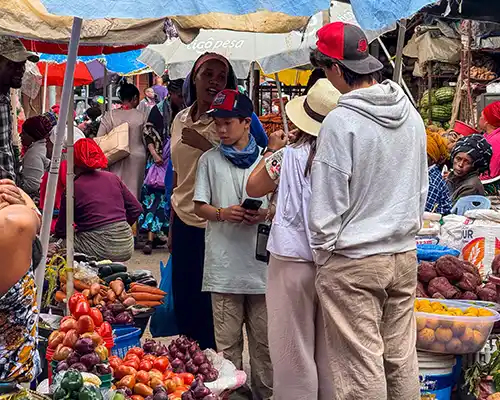
Traditional Tanzania Cooking class & Food Market Tour
Explore a local market in Arusha and learn to cook traditional Tanzanian dishes with a local chef. Enjoy a delicious meal of the dishes you’ve prepared.
Book on GetYourGuide →
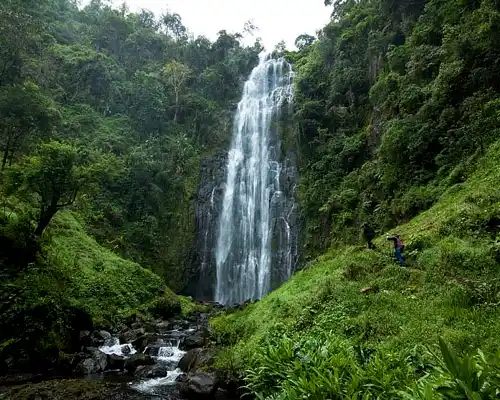
Materuni Waterfalls, coffee tour & Kikuletwa Hot Springs
Be immersed in Tanzania’s great outdoors on this full-day tour to Materuni and Kikuletwa–ideal for culture vultures and active travelers in the region.
Book on Viator →
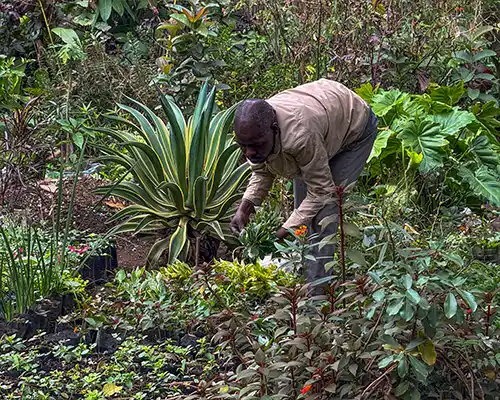
Arusha Town Walking Tour
Discover and experience the city of Arusha with your knowledgeable guide who will take to the main part of the city that you will experience like a local and not like a tourist.
Book on Get Your Guide →
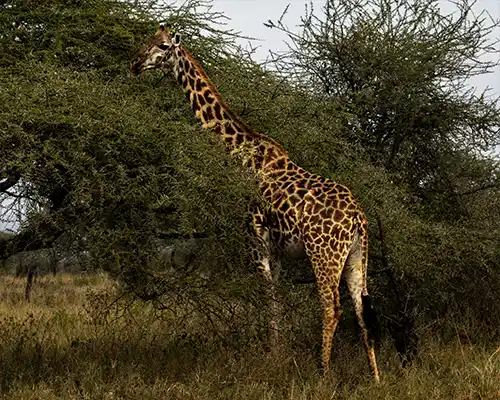
Private Walking Tour with Giraffes
Connect with Tanzania’s giraffes and wildlife on a private excursion outside Arusha. This is your chance to see giraffes up close in a respectful way on a walking safari around a sanctuary.
Book on Viator →
*These are affiliate links. We may earn a small commission at no extra cost to you — thank you for helping us keep our adventures going!*
Practical Tips for Taking Kids on Safari in Tanzania
- Prepare for early mornings (and late nights): Game drives often begin before sunrise and can stretch into the evening if the wildlife is active. We framed this for our kids as “expedition time” instead of “wake-up time,” which helped shift the mindset from tired to excited.
- Bring real camera gear or be ready to share yours: A long lens changes everything on safari. If your kids show even the slightest interest in photography, expect them to claim your camera quickly. A simple point-and-shoot with zoom or a beginner mirrorless camera lets them feel like true explorers rather than passengers.
- Dust is part of the deal. Embrace it: Roads in the parks are dry, red, and relentless. Pack lightweight buffs, sunglasses, and quick-dry clothing. Everything will get dusty. Including you. Including your children. Resistance is futile.
- Pack layers, even in Africa: Mornings can be cold, especially in open safari vehicles and in the Ngorongoro Highlands. We wore light down jackets at dawn and T-shirts by lunch. Tanzania runs on temperature whiplash.
- Cash matters more than credit cards in the bush: Tips for lodge staff, village visits, porters, and drivers often come up unexpectedly. Bring small denominations in U.S. dollars or Tanzanian shillings and keep them accessible.
- Talk to your kids about cultural differences before you go: Visits to Maasai villages, markets, and rural communities are powerful but unfamiliar. We prepped our boys about respectful behavior, asking permission before photos, and why some living conditions look different than what they’re used to.
- Trust your guide and let go of the plan: Safari runs on radio calls, animal movement, weather, and instinct. Some of our best moments came when the plan was abandoned entirely because a leopard, cheetah, or rhino changed everything.
- Expect limited connectivity and prepare kids ahead of time: Wi-Fi is spotty to nonexistent once you leave Arusha. We told our kids in advance that there would be no games, no YouTube, no distractions. Within a day, they didn’t even ask for it.
- Health prep is non-negotiable: Vaccinations, malaria medication, travel insurance, and a basic medical kit are critical. Safari lodges are remote. Minor issues need to be handled independently.
- Food is simpler, but always enough: Most lodges serve fresh, hearty meals with limited menus. If your kids are picky, pack a few familiar comfort snacks. That said, we were surprised how quickly ours adapted. And Omary made sure we had amazing lunches every day.
Final Reflection: What Tanzania Meant To Us
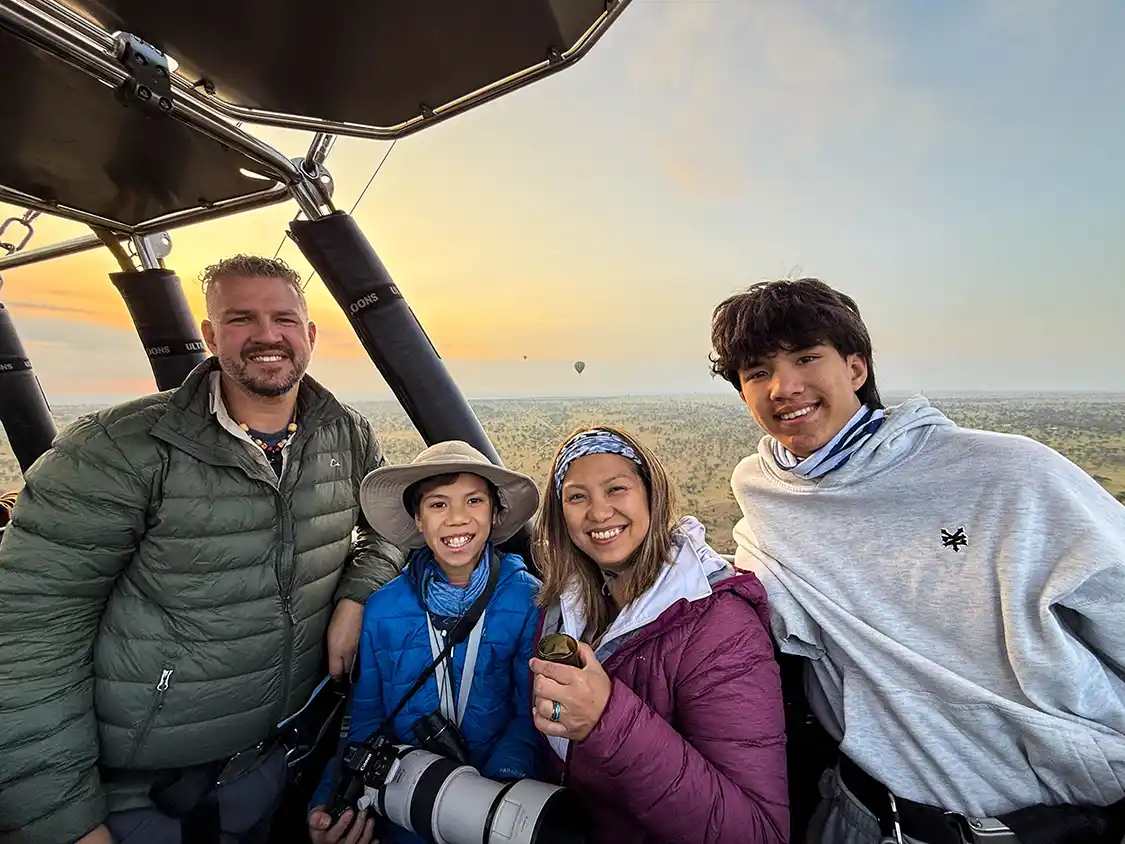
Tanzania was a transformative travel experience for my family. It ranks up with the Philippines, Peru, Jordan, and Ecuador among the most incredible travel experiences that we’ve ever had. And after more than 40 countries of travel with kids, that’s high praise. This country didn’t just show us animals.
It instilled patience. It taught us humility. It showed us how connected everything in this world still is. And once you feel that as a family, you don’t really go back.