7,641 islands and a lot of moving parts. Practical family travel tips for the Philippines: visas, getting around, Palawan, Boracay, and more.
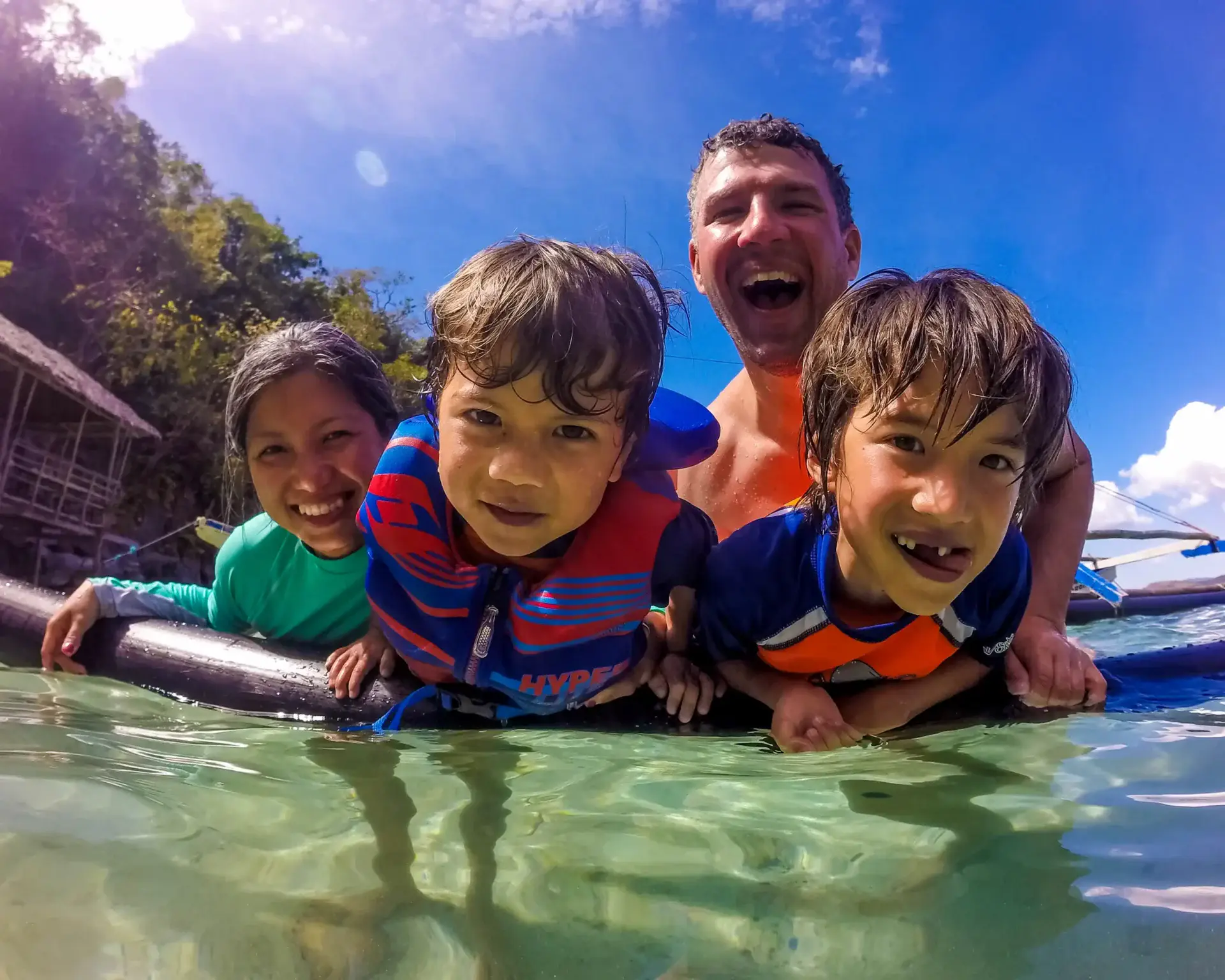
My wife, Christina, was born in Manila. She left at eleven and never went back. Not once in twenty-five years. So when her cousin Jed got married, and the invitation arrived, it was not really a question. We packed the kids, crossed twelve time zones, and landed in a country that Christina had carried around inside her head for most of her adult life. One that was so ingrained in her identity that rarely a day went by that she didn’t mention the Philippines.
As someone whose family can trace its North American roots back to the 1500s, I did not fully understand what that connection meant until I watched her walk through the arrival hall at Ninoy Aquino Airport and get immediately absorbed into a wall of relatives I had never met, all of whom were crying and laughing at the same time and treating our children like they had been waiting for them forever.
The Philippines does not ease you in. It hits you all at once. The noise of Manila is considerable. The food, which is extraordinary from the very first meal. The warmth, which is not the clinical friendliness of a hotel or restaurant, but something older and more familiar. Filipinos have a word for it, malasakit, which translates roughly as “a deep care for others.” It’s not a concept they need to explain. It is just how things work in the Philippines. Your children will be held by strangers. Your empty glass will be refilled before you notice it is empty. You will be fed until you genuinely cannot see straight, and then you will be offered more.
The Philippines is also a country that will punish you for poor planning. The logistics of moving between 7,641 islands can be challenging. Typhoon season is not a minor inconvenience. And Palawan, which is the reason most people keep coming back, is not a destination you can understand from a two-night stopover. Plan carefully, build in time, and do not schedule an international flight the morning after a ferry crossing. Here is what you need to know before you experience family travel in the Philippines.
At a Glance: Quick Facts for Family Travel in the Philippines
🗣️ Language: Filipino (Tagalog) and English. English is the language of tourism, business, and education throughout the country. Keep in mind, though, the Philippines has 130 to 195 distinct languages and over 170 dialects.
💰 Currency: Philippine Peso (PHP). Credit cards are accepted at most hotels and larger establishments. Carry cash for markets, tricycles, jeepneys, and island operators.
🚗 Driving: Right-hand side. Self-driving by visitors is uncommon and not recommended in Manila. Outside the capital, road quality varies. Hiring a local driver is relatively inexpensive and the standard approach. An International Driving Permit is recommended if you rent a car.
🔌 Power Adapter: Type A and B (same as North America). Voltage is 220V. North Americans need a voltage converter for non-dual-voltage devices (Get one here).
🆘 Emergency: 911 | Philippine Coast Guard: 5116 | Tourist hotline: 1-800-10-TOURISM
💧 Tap Water: Not safe to drink. Bottled water is inexpensive and available everywhere. Bottled water is widely available and inexpensive. Consider a filtered water bottle to reduce waste.
🌤️ Best Time to Visit: November to April (dry season). Avoid June to October during the peak typhoon season.
🛂 Visa: Visa-free for Canadian, US, UK, and most EU citizens for up to 30 days. Visa extensions are available.
Visas and Entry Requirements for Family Travel in the Philippines
Canadian, US, UK, Australian, and most EU passport holders do not need a visa to enter the Philippines for stays of up to 30 days. Entry is granted on arrival with a valid passport, a return or onward ticket, and proof of accommodation. Your passport must be valid for at least six months beyond your intended departure date from the Philippines.
Extensions beyond 30 days are available through the Bureau of Immigration. A single 29-day extension can be processed at any Bureau of Immigration office for a modest fee, bringing your total stay to 59 days. Further extensions are possible for longer visits.
All travelers are required to complete the eArrival card before landing in the Philippines. This is an electronic health and immigration declaration that replaced the old paper arrival card. Complete it online before your flight through the Bureau of Immigration website and save the QR code on your phone.
Practical note for families
The Philippines requires that children traveling without both parents carry documentation. A notarized parental consent letter is strongly recommended if a child is traveling with only one parent or a guardian. Immigration officers regularly enforce this, particularly for children who are Filipino nationals or dual citizens departing the country.
Getting Around the Philippines with Kids
Family travel in the Philippines can seem complicated on the surface. This is an island country, and by island, I really mean islands. More than 7,000 of them. Most family trips in the Philippines combine several forms of transit, including air, boat, car, and tuk-tuk.
Domestic Flights in the Philippines.
Domestic flights are often the most practical way to move between major destinations in the Philippines. Philippine Airlines, Cebu Pacific, and AirAsia Philippines all operate extensive domestic flight networks.
The Manila to Puerto Princesa flight, which is your gateway to Palawan, takes about 80 minutes. Manila to Boracay via Caticlan Airport is similar. Book domestic flights well in advance, particularly in the peak December to April season, as popular routes sell out quickly and prices rise significantly closer to the date.
Ferries and Bangka Boats
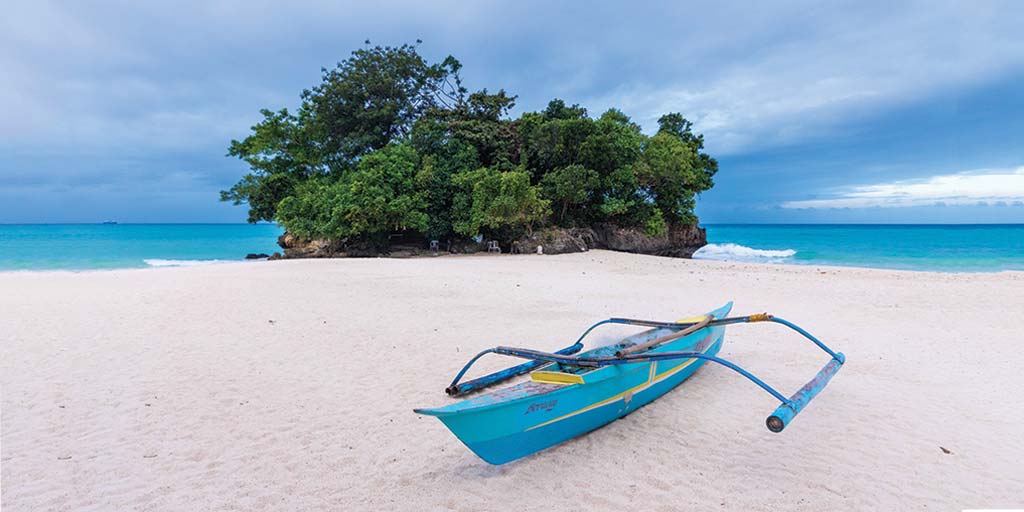
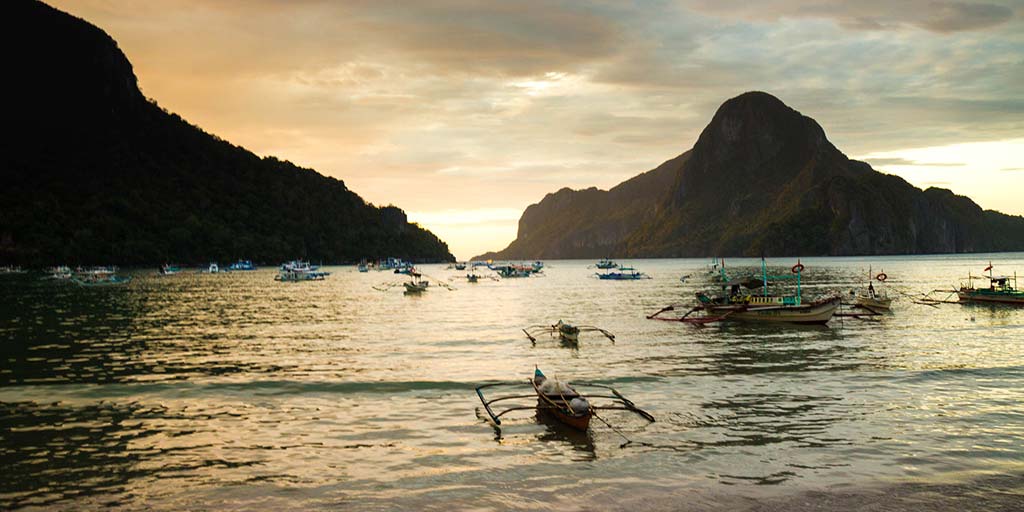
Traveling between islands within a region, particularly throughout Palawan, ferries and small outrigger boats called bangkas are the primary form of transport. The fast ferry services connecting Puerto Princesa, El Nido, Coron, and San Vicente make it possible to island-hop through Palawan without flying each leg.
These are genuine boat journeys on open water. Travel times can vary considerably, especially if challenging weather and sea conditions occur. In rough weather, services are often canceled, and there is no guarantee of rescheduling. Build flexibility into your Palawan itinerary and never schedule a flight home on the same day as a ferry connection.
👀 HEADS UP: Ferry Weather Delays in Palawan
Palawan ferry and bangka services are weather-dependent and cancel without notice when conditions deteriorate. This is not a minor inconvenience risk. Build at least one buffer day into your schedule before any international flight connection. I have seen families miss international flights because a storm delayed their island transfer in Palawan.
Tricycles, Jeepneys, and Tuk-Tuks
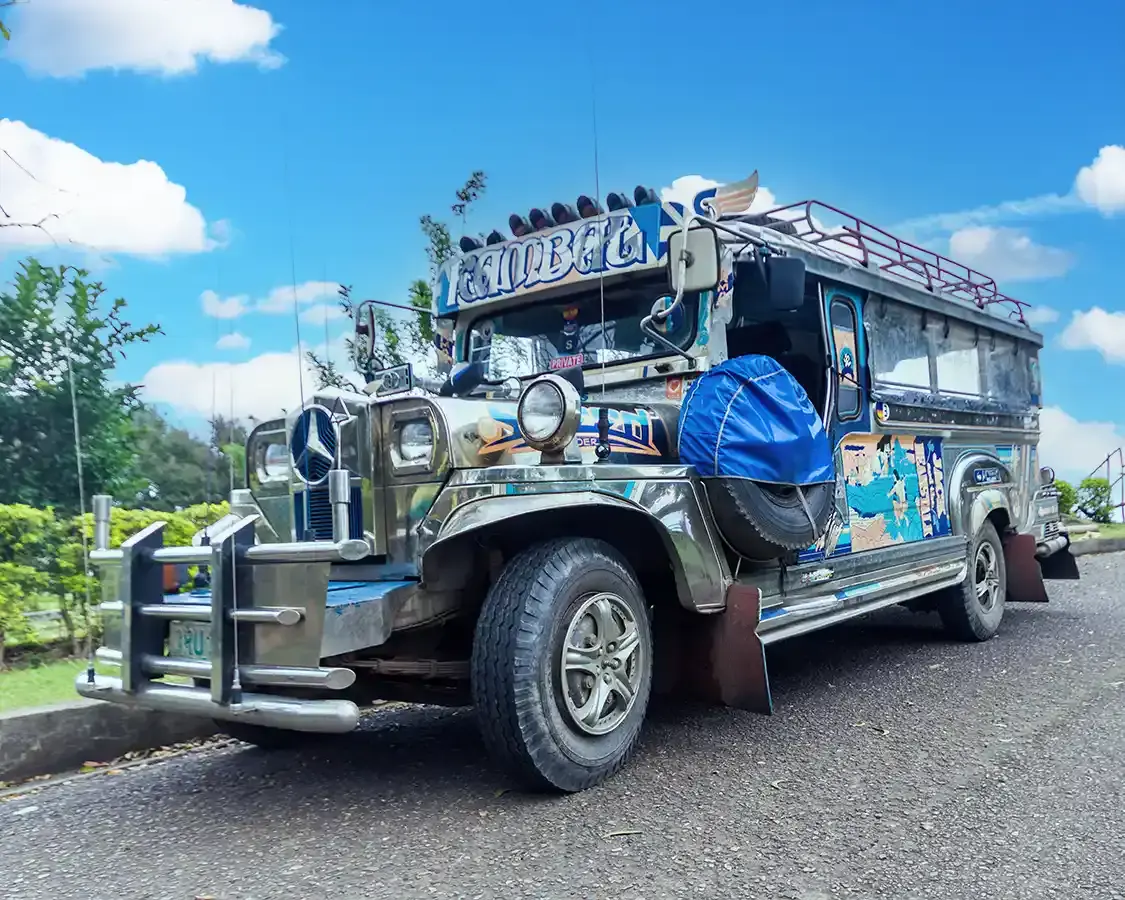
Within towns and cities across the Philippines, one of the greatest joys of short-distance transport options is tricycles (motorcycles with a sidecar, common throughout the provinces and island towns) and jeepneys (colorfully decorated shared vehicles descended from US military jeeps, common in Manila and larger cities).
Both are cheap, abundant, and a genuine piece of Filipino daily life that children usually find entertaining. Negotiate the fare with tricycle drivers before you get in. In Manila and larger cities, ride-hailing apps, including Grab, are the cleaner and more predictable option for families.
Renting a Car
Self-driving in the Philippines is uncommon for tourists and not generally recommended, particularly in Manila, where traffic conditions are intense, and navigation is complex. Outside the capital, road quality varies considerably.
For most family itineraries, hiring a driver through your hotel or a local tour operator is a better approach, providing local knowledge and flexibility at a reasonable cost. In Palawan and island destinations, most transport between sites is organized through boat tours and resort transfers rather than road-based driving.
Staying Connected While Traveling In The Philippines
Mobile coverage in the Philippines is solid in Manila, Boracay, and the main towns of Palawan, including Puerto Princesa and El Nido. It becomes patchy or even non-existent in more remote parts of Palawan, on smaller islands, and in rural areas.
An eSIM purchased through a provider like Airalo and installed before departure gives reliable coverage on local Philippine networks at a fraction of roaming rates. Local SIM cards from Globe or Smart are also available at the airport and in any convenience store and are very inexpensive.
Download Google Maps offline for the regions you are visiting before you leave mobile coverage behind. In Palawan’s more remote areas, internet is limited to resort Wi-Fi and is often slow. Plan accordingly and consider it part of the experience.
Language and Communicating in the Philippines
The Philippines has two official languages: Filipino, which is based on a combination of Tagalog, and English. English is taught in schools from an early age and is used in government, business, tourism, and daily conversation throughout the country. For most families, communication in the Philippines is straightforward from the moment they land. Even in smaller towns and island communities, English is generally spoken well enough to navigate.
That said, making even a small effort in Filipino is received with genuine warmth. Filipinos are enthusiastic when visitors try their language, and children who learn a word or two of Tagalog tend to make friends very quickly.
Phrase | Tagalog | Pronounciation |
|---|---|---|
Hello | Kumusta | koo-MOO-sta |
Thank you | Salamat | sah-LAH-mat |
Please | Pakiusap | pah-kee-OO-sap |
Where is…? | Nasaan ang …? | nah-SAH-an ang |
How much? | Magkano? | mag-KAH-no |
My child is sick | Ang anak ko ay may sakit | ang AH-nak ko ay may SAH-kit |
Help! | Saklolo! | sak-LOH-loh |
Bathroom | Palikuran | pah-lee-KOO-ran |
Yes | Oo | OH-oh |
No | La | l-AH |
Power Adapters for Travel in the Philippines
The Philippines uses Type A and B outlets running at 220V, which means the plug shape is the same as those in North America, but the voltage is double. North American travelers need a voltage converter for any device that is not dual voltage, in addition to the adapter for any device with a three-pronged plug.
Check the label on your charger. Most modern phones, laptops, and tablets are dual voltage and need only a standard adapter. Hotels in tourist areas often have universal outlets, but bring your own rather than assuming.
Family Travel Safety in the Philippines
The Philippines is a large and diverse country, and the picture painted around family travel safety is more complicated than it might appear. Manila, Boracay, Palawan, and the main tourist destinations are generally safe for families. Petty theft in crowded areas is the most common concern. Keep bags close in markets and busy urban areas, avoid displaying expensive camera equipment unnecessarily, and use hotel safes for passports and valuables.
The most significant and genuinely serious safety consideration in the Philippines is the ocean. Rip currents, strong waves, and unpredictable weather are responsible for drownings every year, including tourists. Swim only at beaches with lifeguards when possible, heed warning flags, and supervise children closely at all times in the water.
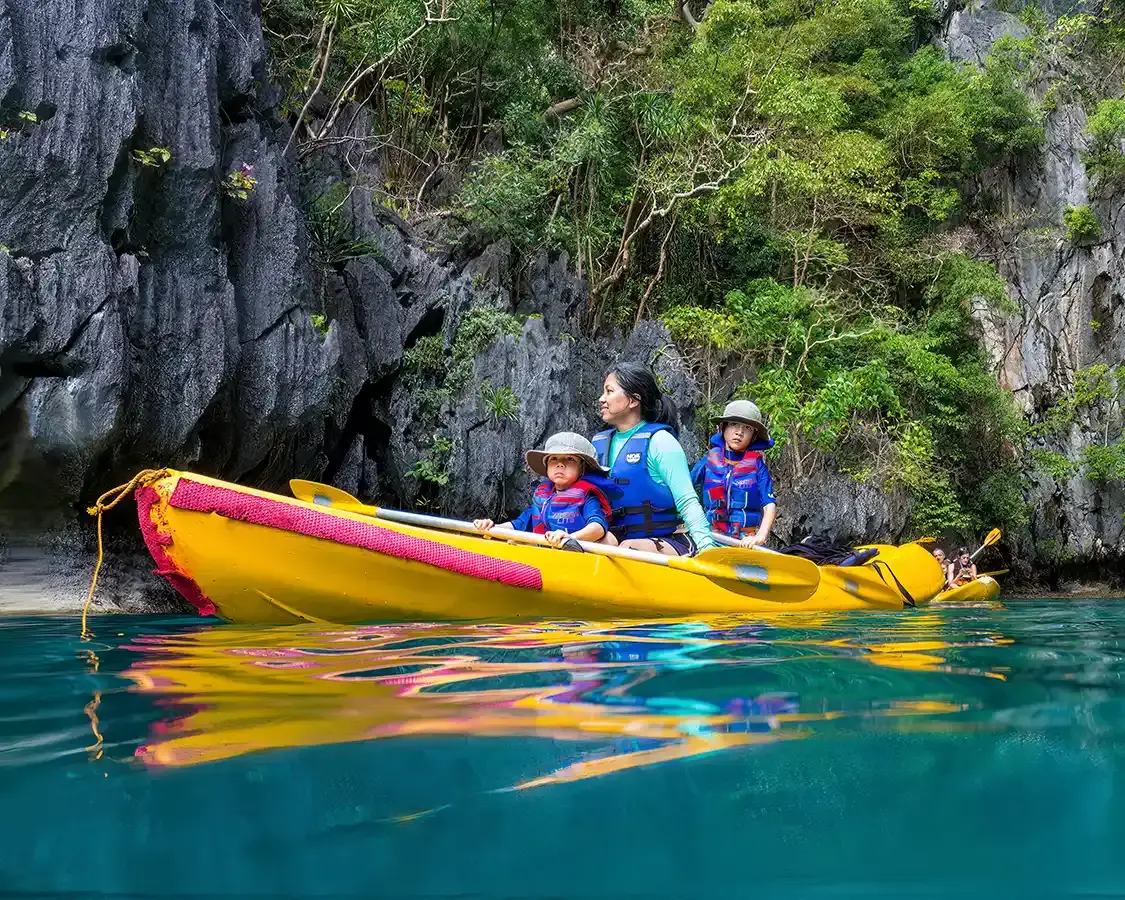
In Palawan, where much of the island-hopping involves open-ocean bangka crossings, life jackets should be worn by children on every boat journey regardless of conditions. Always confirm that your boat operator carries them before you board. Many boat companies do not have life jackets that are appropriate for children. We brought our own children’s life jackets for our travels through the country.
Typhoons deserve their own paragraph because families consistently underestimate them. The Philippines sits in one of the most active typhoon corridors on earth and averages around twenty typhoons per year. A typhoon is not a heavy storm. It is a cyclone-class weather event that grounds flights, cancels ferries, closes roads, and can make entire regions inaccessible for days.
My family experienced a typhoon bearing down on Boracay on our New Year’s trip in 2015. With 40 family members gathered, including children and older relatives, the decision-making required to manage that situation was considerable. Do not travel to the Philippines during peak typhoon season from June to October without understanding what that means and having a contingency plan for your entire itinerary.
👀 HEADS UP: Typhoon Season is June to October
The Philippines averages around 20 typhoons per year, and the peak season runs from June through October. Typhoons ground flights, cancel ferries, and strand travelers for days.
The dry season from November to April is strongly preferred for family travel. If you must travel in the shoulder season, monitor the Philippine Atmospheric, Geophysical and Astronomical Services Administration (PAGASA) forecasts daily and build significant buffer time into your itinerary.
Health and Vaccination Requirements for Family Travel in the Philippines
No vaccinations are required for entry into the Philippines, but several are recommended. Consult a travel health clinic before departure and ensure the whole family is current on the following:
- Routine vaccinations, including MMR, DTaP, and polio.
- Hepatitis A is recommended for all travelers given the risks of food and water exposure.
- Hepatitis B is recommended especially for longer stays.
- Typhoid, particularly relevant given the range of street food and market dining.
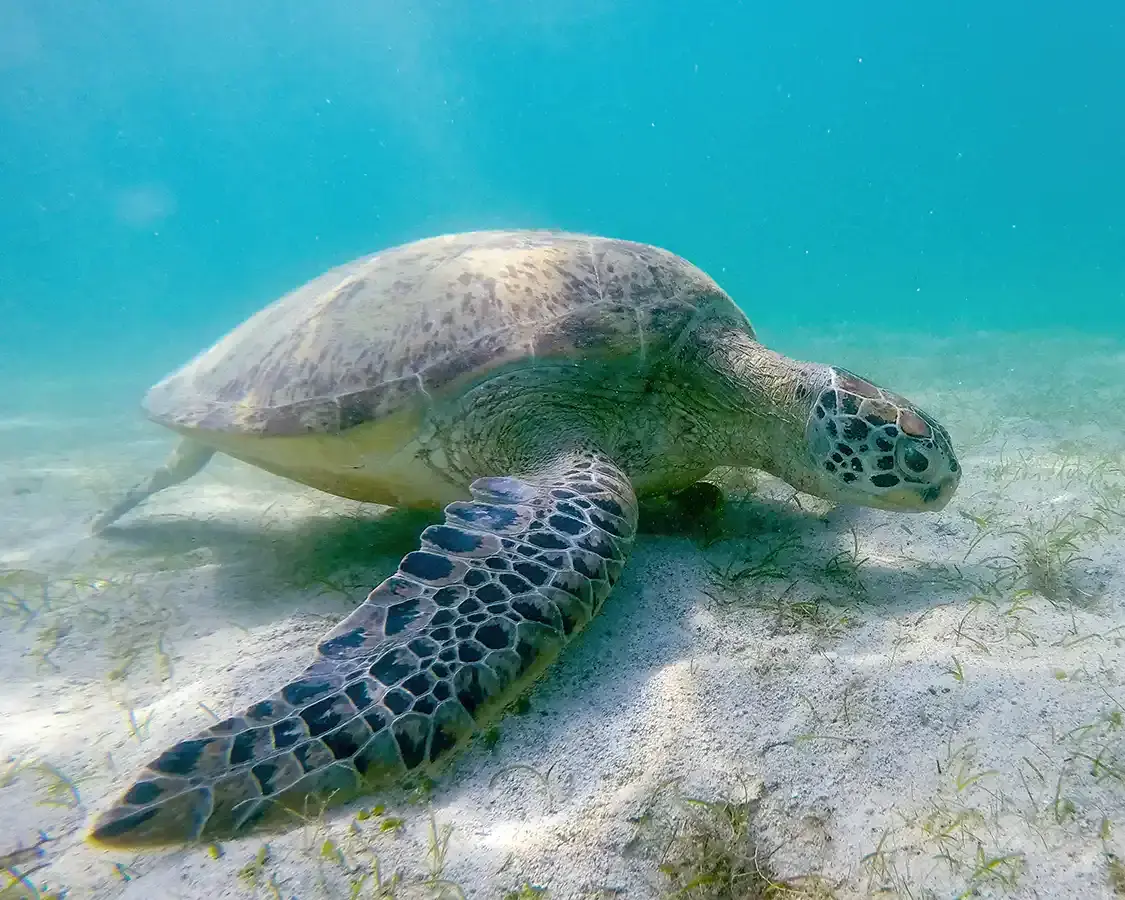
- Dengue is present throughout the Philippines and spikes during the rainy season. Ask your travel health clinic about the dengue vaccine, particularly for children. Insect repellent containing DEET should be applied consistently in tropical areas.
- Japanese encephalitis is recommended if your itinerary includes rural or agricultural areas.
Tap water is not safe to drink anywhere in the Philippines. Bottled water is inexpensive and available everywhere. Ice in established hotels and tourist restaurants is generally made from purified water, but exercise judgment in smaller establishments. Street food is delicious and worth eating, but choose stalls with high turnover where food is cooked fresh in front of you.
Medical care in Manila is good by regional standards, with several hospitals capable of handling serious cases. In Palawan and island destinations, facilities are limited. Puerto Princesa has a hospital. El Nido and Coron have clinics for basic care only. Serious medical emergencies may require evacuation to Manila. Travel insurance with emergency evacuation coverage is not optional for a trip that takes your family into remote island territory.
Pack a thorough family medical kit: children’s pain relief, antihistamines, rehydration sachets, antidiarrheal medication, motion sickness medication for boat journeys, high-factor sunscreen, and insect repellent.
Sun exposure on open boats and beaches in the Philippines is intense. Children burn faster than parents expect, and the heat on the water is underestimated by almost everyone.
Regions of the Philippines: What Families Need to Know
Manila
Almost every visitor to the Philippines lands in Manila. And almost every one of them tries to leave the city as quickly as possible. I understand the instinct. The traffic in Manila is on another level. The airport is chaotic, and there is nothing about the arrival experience that suggests you are about to have a good time. Push through it and give the city a day.
Intramuros, the old Spanish walled city, is one of the most historically layered places in Southeast Asia, and it’s a great place to visit for families. Walk along the historic walls and drink in the views. The history is brutal and fascinating in equal measure. There are horse-drawn kalesa carriages that still operate through the old streets, and they’re the kind of thing children remember for years. The National Museum of Natural History in Rizal Park is free, beautifully designed, and worth three hours of anyone’s time, regardless of age.
The food in Manila is the real reason to stay. This is the city Christina grew up in, and she navigated us to restaurants and street stalls and family kitchens that I could not have found on my own. The lechon at a proper Manila family table. Sisig at a roadside stand that had four tables and a line out the door at midnight. Halo-halo in the heat of the afternoon with kids who had never tasted anything like it and immediately needed another. Give Manila two days. It earns them. You can read my full guide to the Philippines with kids here.
Boracay
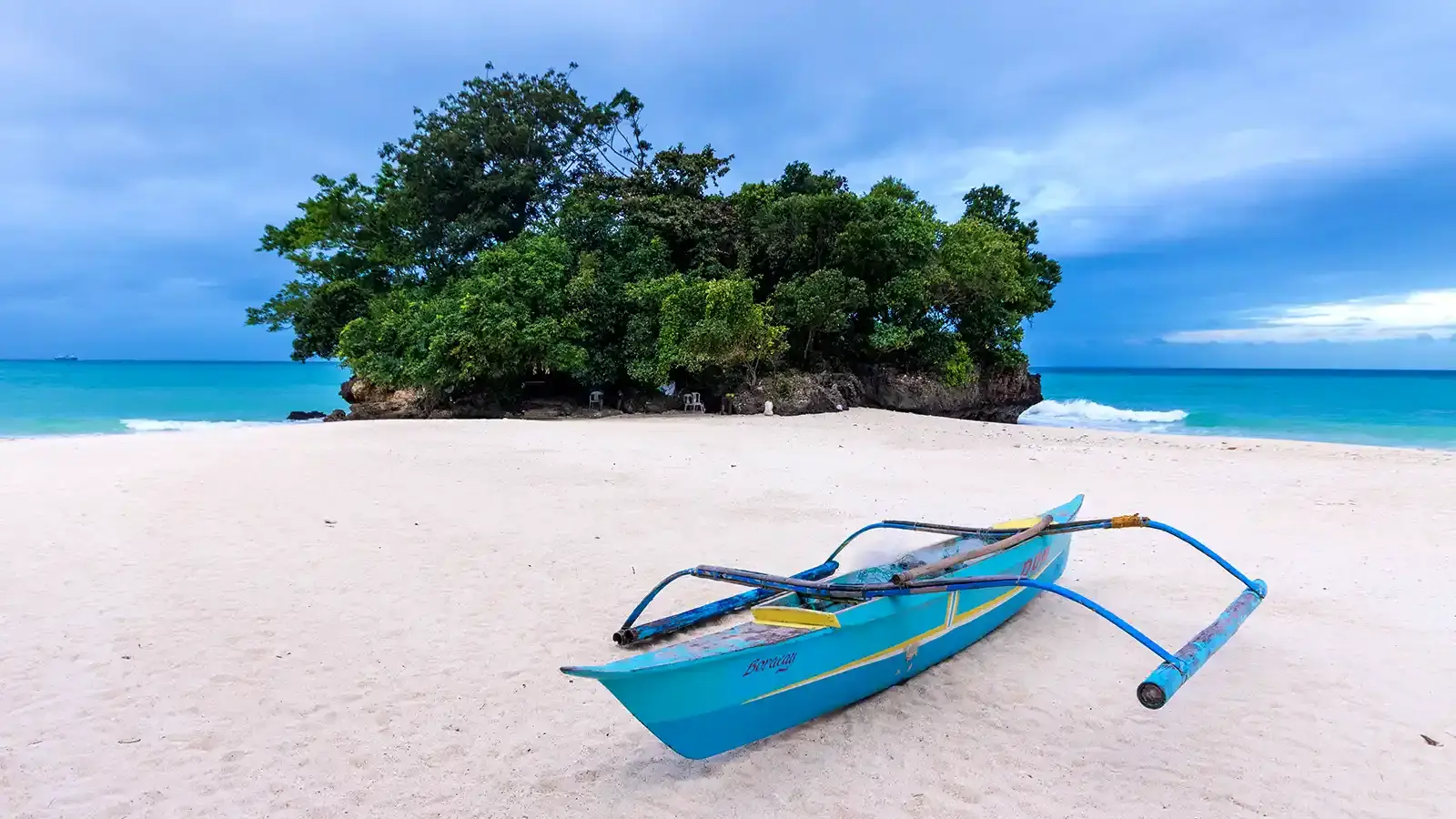
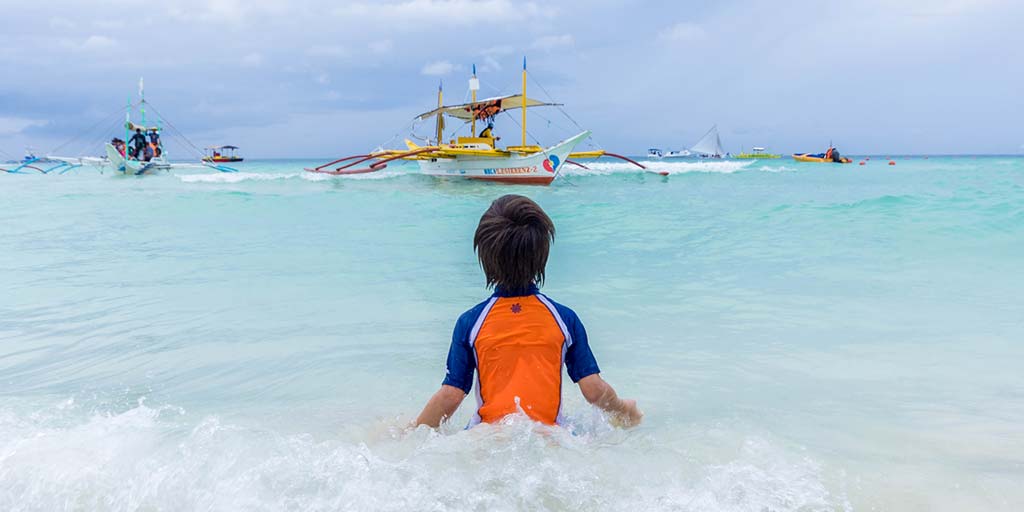
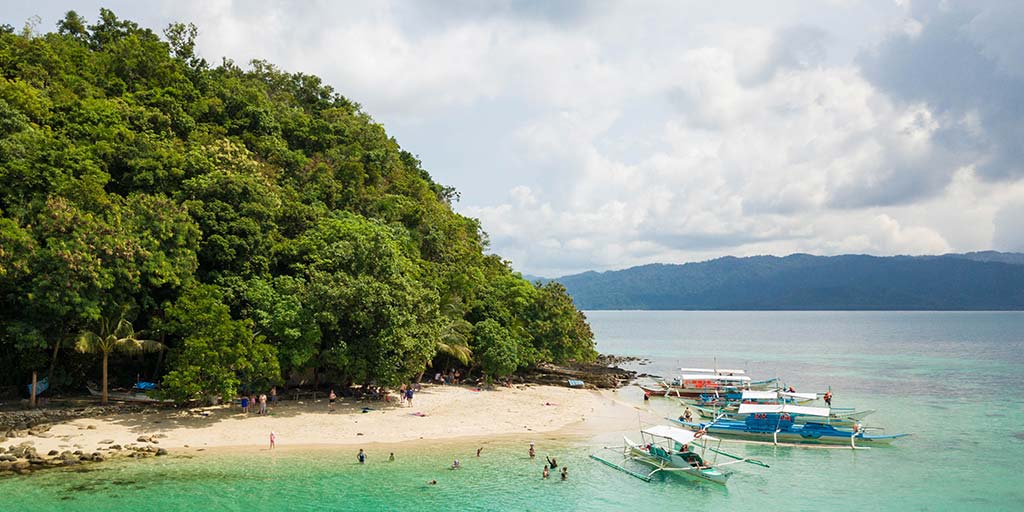
White Beach is the most famous beach in the Philippines, and it has earned that reputation. The sand is a shade of white that seems to defy expectation. The water is usually calm enough for children of any age, and the range of things to do, from traditional paraw sailing to parasailing to just sitting in the shallows while the world goes by, makes it one of the more family-friendly beach destinations in the world.
Our New Year’s trip brought 40 family members to Boracay. I want to be clear about that number. Forty people. What I discovered is that Boracay is exactly the right size for managing a gathering like that, because everything is within walking distance or a short tricycle ride. It was chaotic and loud, and the best New Year’s I have ever had. You can read the full Boracay activities guide for families here, and my review of the Mövenpick Boracay here.
For families, Station 1 at the quieter northern end of White Beach is the right base. Less foot traffic, calmer water, better for young children. The Mövenpick is an excellent option there with solid family facilities and direct beach access. Avoid the southern end if you have kids who go to bed before midnight; it’s where the parties are, and it can get loud.
Palawan
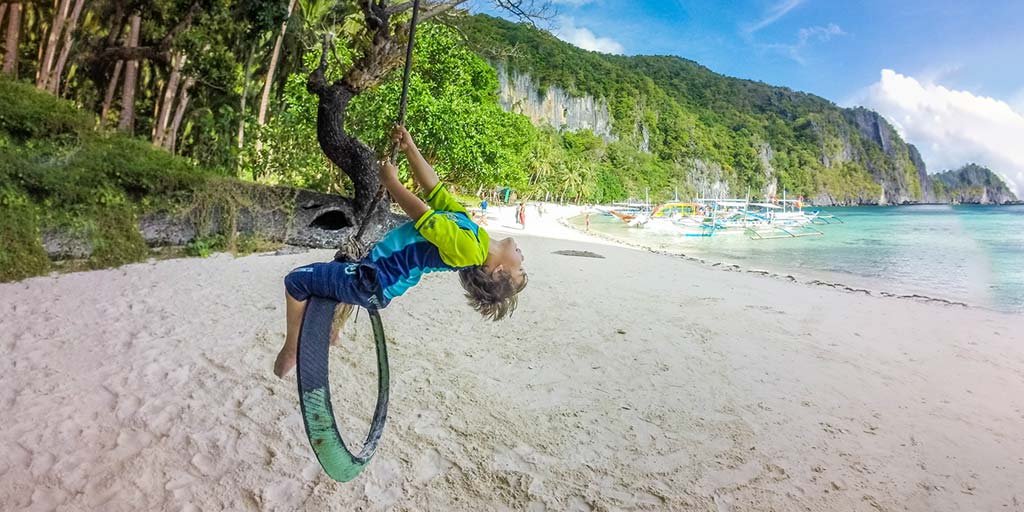
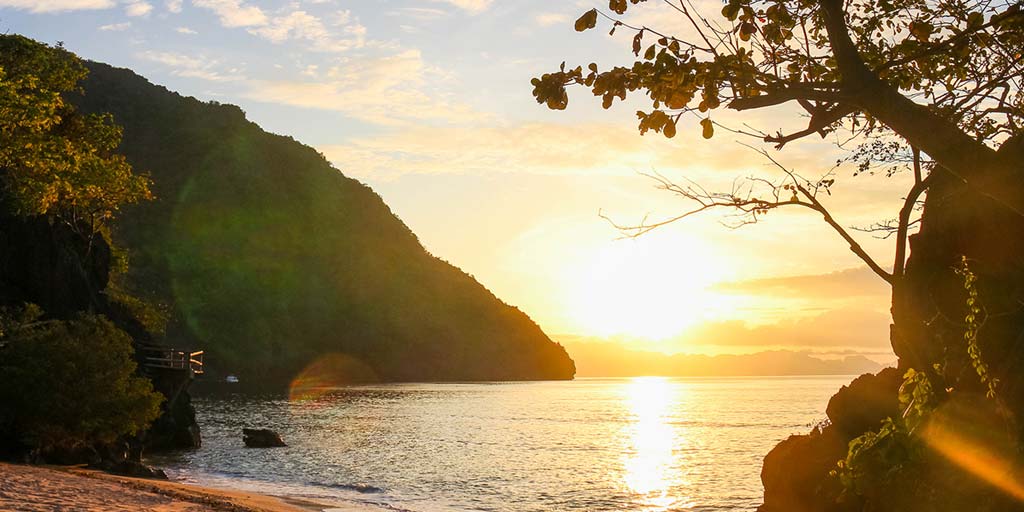
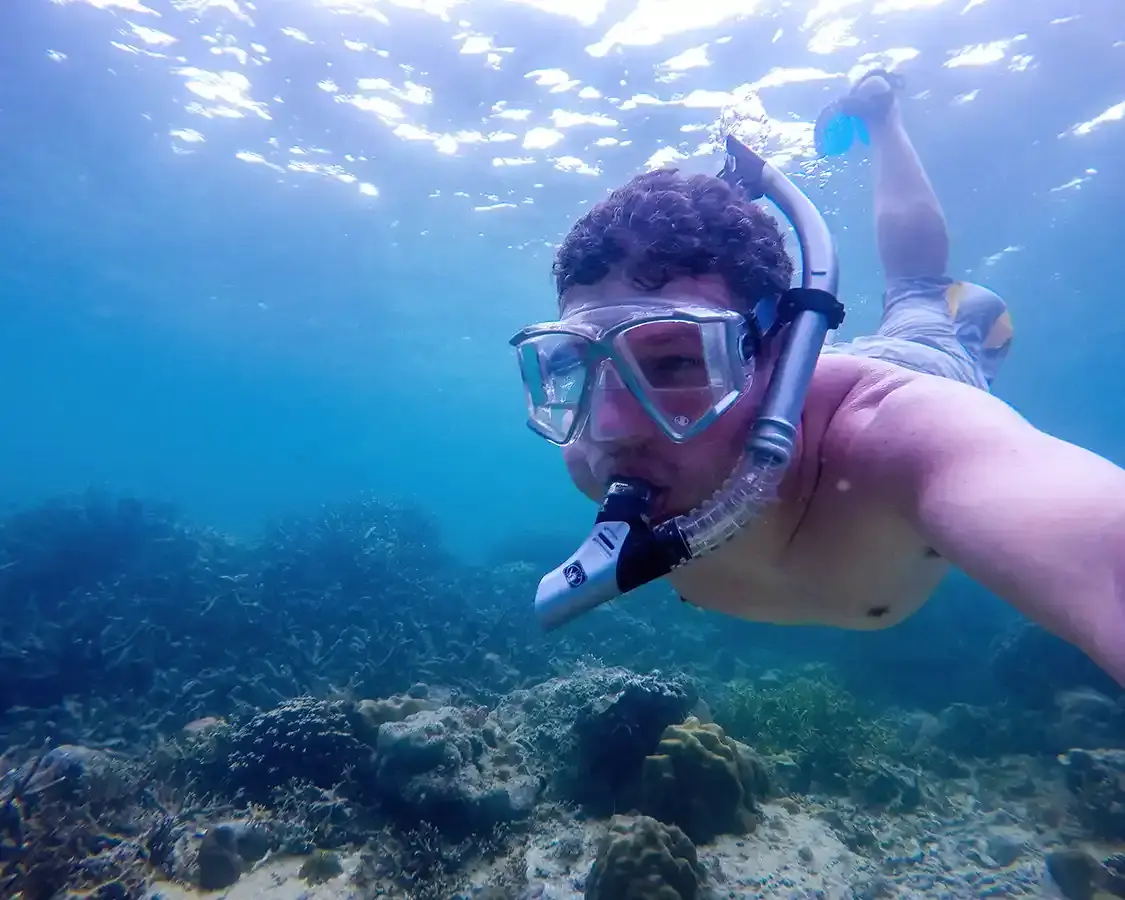
I have been to a lot of beaches. A lot of islands. I have sat on white sand in Bermuda, Turkey’s Turquoise Coast, and Maya Bay in Thailand, places that many people describe as “paradise”. None of it prepared me for Palawan. This region of the Philippines recalibrated something within everyone in our family.
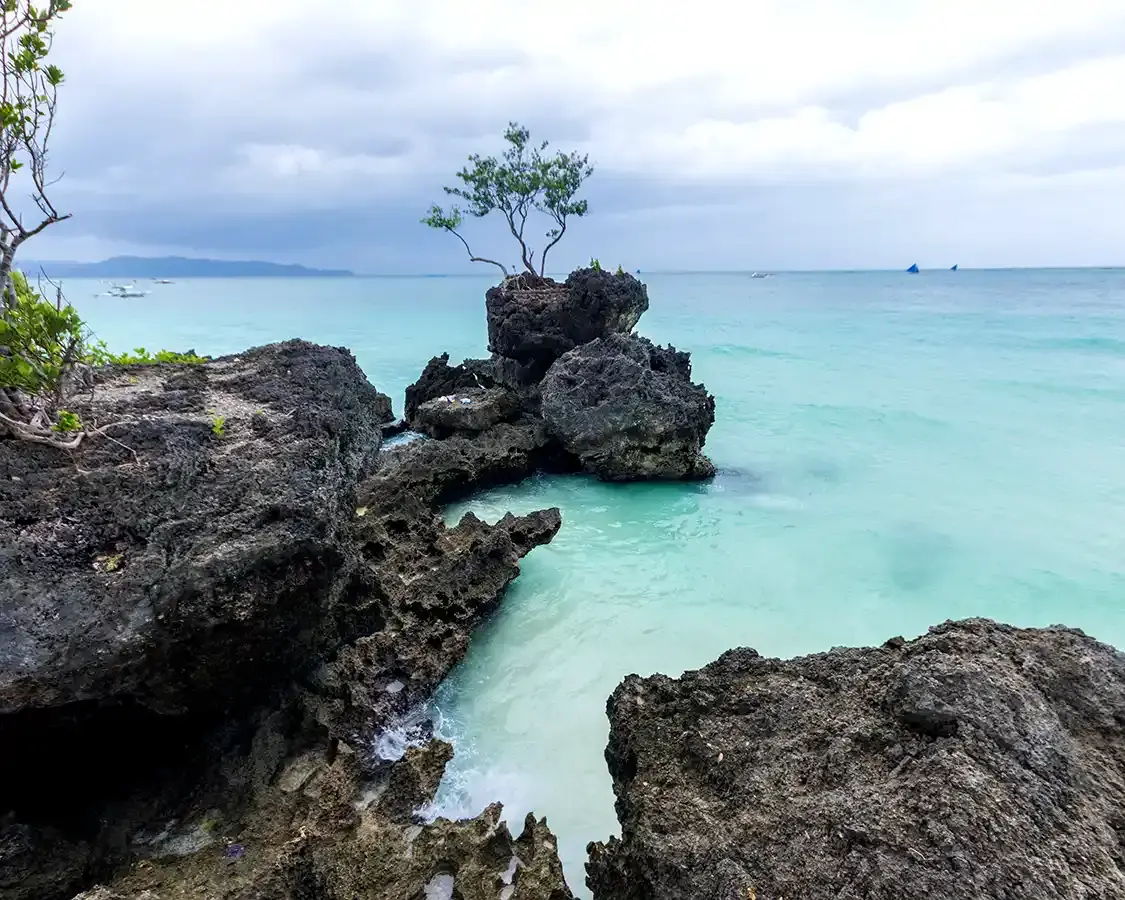
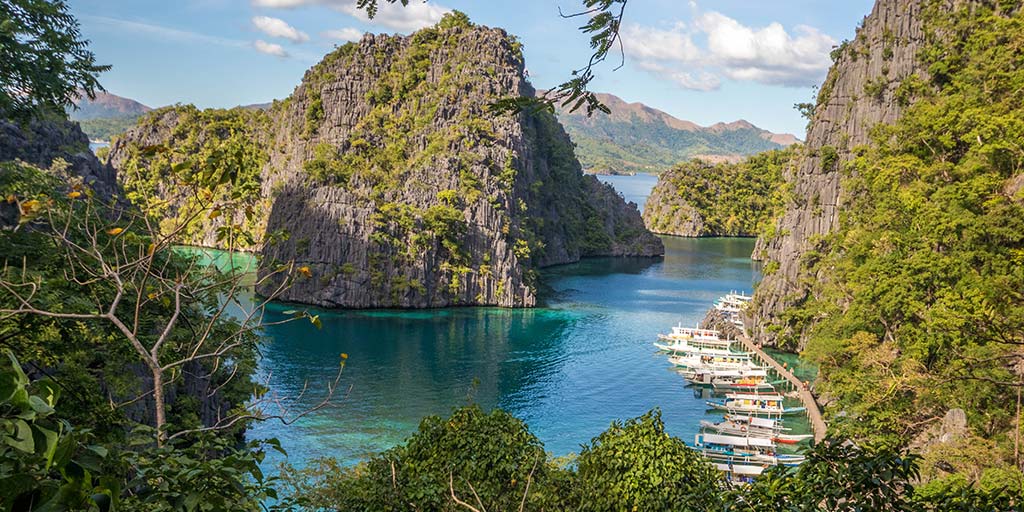
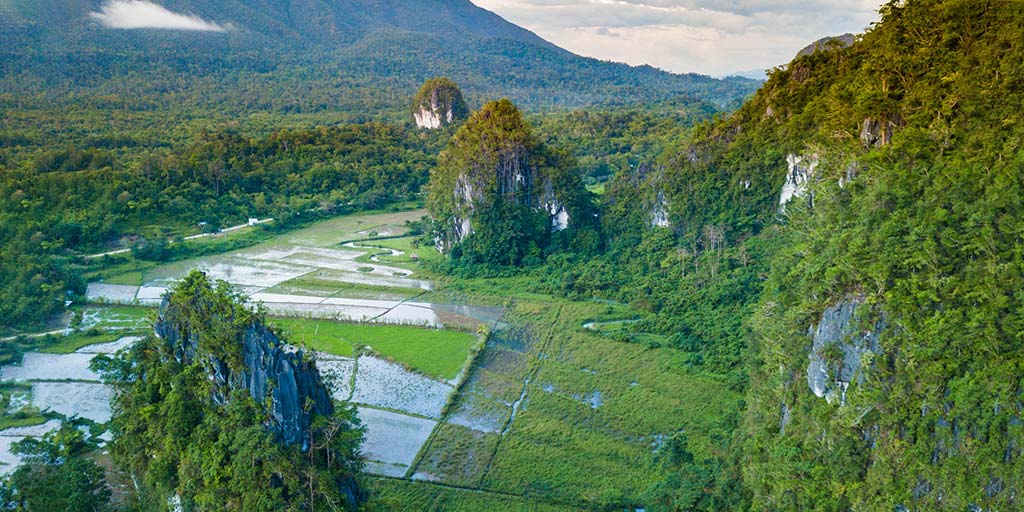
The water shimmers with impossible shades of blue. The limestone karst formations rise hundreds of feet above bright green rice fields. My kids still talk about it.
El Nido is the Palawan destination where most people end up, and most of them do not regret it. The town itself is dusty and loud, and the accommodation quality is inconsistent. None of that matters because you are not there for the town. You are there for the water, the islands, and the views.
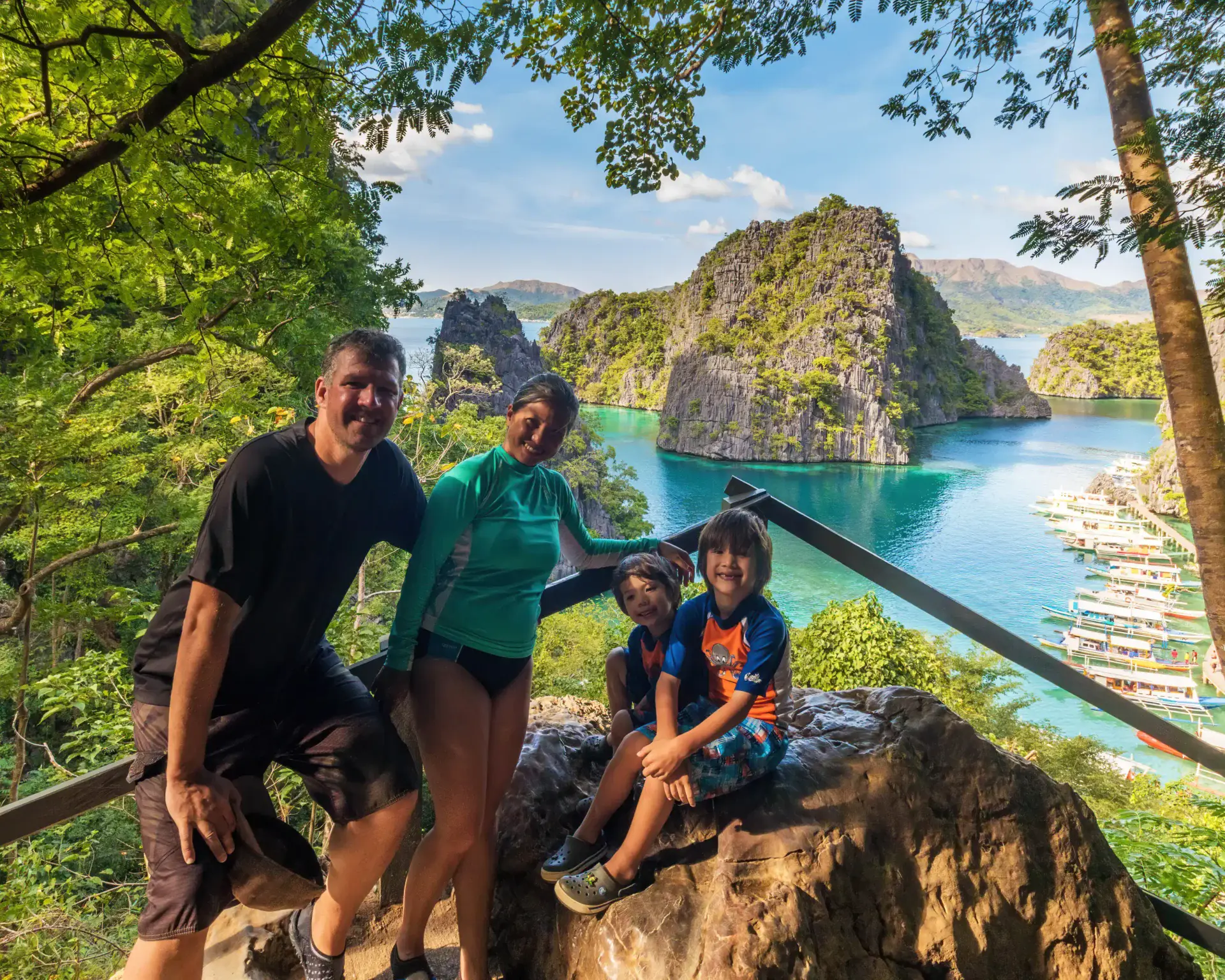
Coron is El Nido’s quieter northern counterpart, and if your family includes any SCUBA divers, it belongs on your itinerary. The Japanese warships sunk in World War II have been colonized by coral and marine life in shallow enough water for recreational diving. For non-divers, Kayangan Lake is the photograph everyone comes for. The Twin Lagoons, Barracuda Lake, and the general island-hopping circuit around the Calamian Group all deliver a wonderful experience.
Very few people travel to San Vicente, and that is precisely why you should. Long Beach stretches for 14 uninterrupted kilometers of white sand, and the town has almost none of the infrastructure that crowds towns like El Nido and Boracay. The families who build San Vicente into a Palawan itinerary tend to arrive skeptical and leave quietly converted.
Puerto Princesa
Puerto Princesa, a region of Palawan, but it’s worth a special mention. This is where most visitors fly into Palawan, and most people treat it as a single-night stop before heading north to El Nido. That is a mistake. The city itself is a great destination with good restaurants and accommodations, and the short drive to Sabang, the jumping-off point for the Puerto Princesa Subterranean River National Park, should be on every family’s itinerary. I
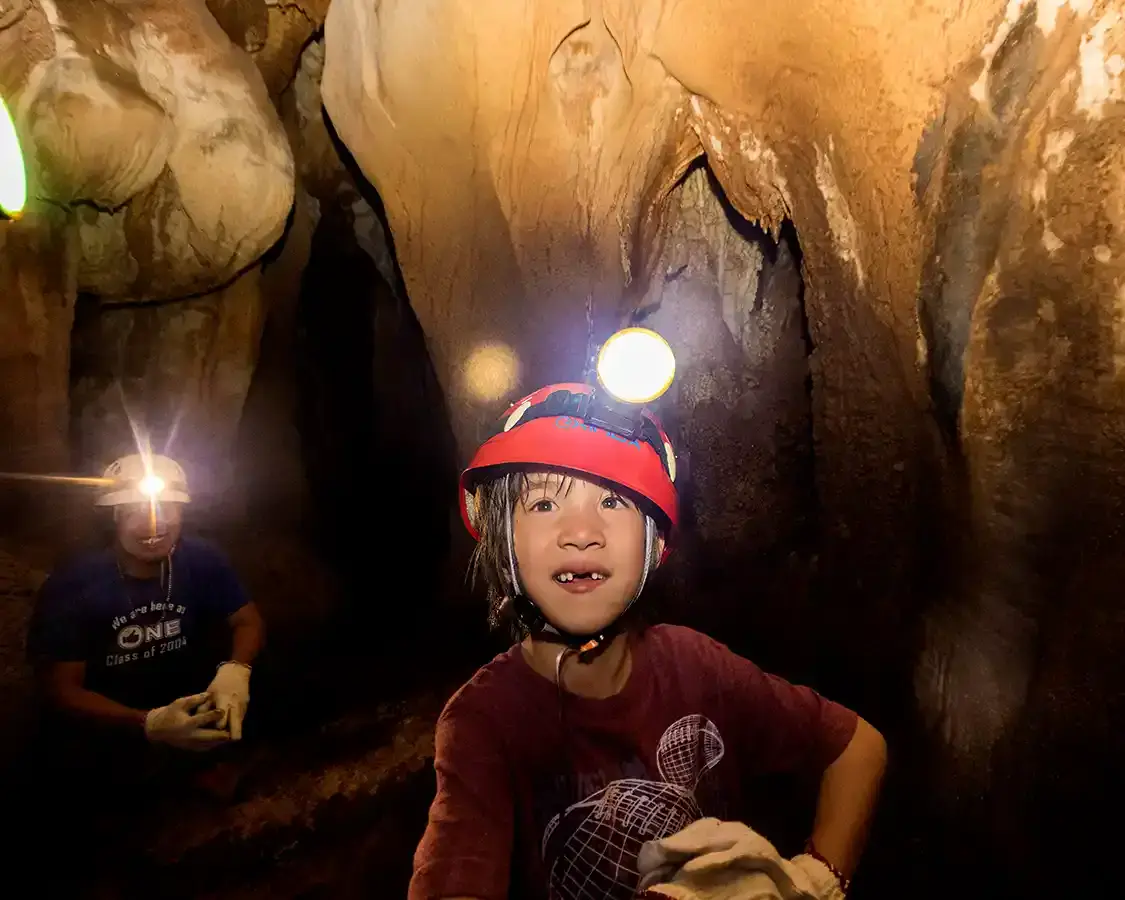
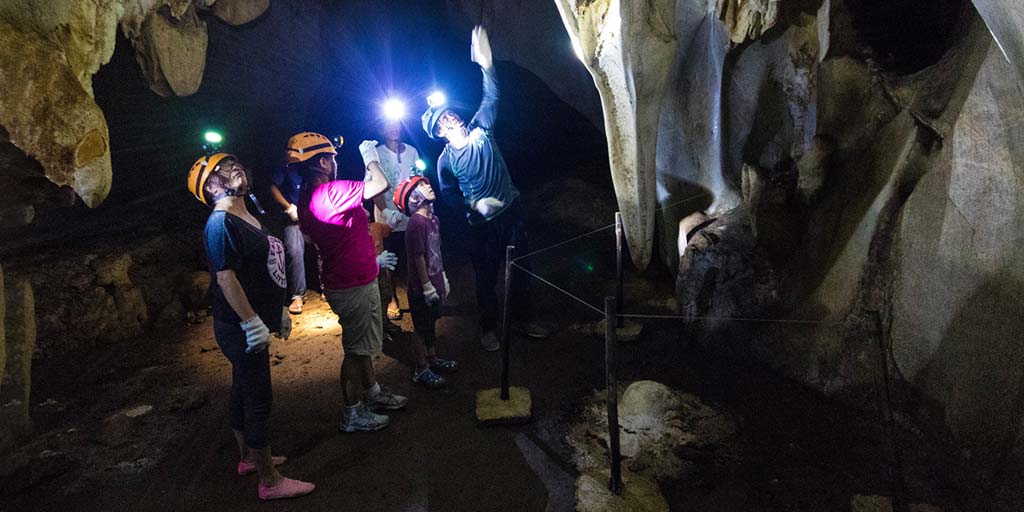
The underground river is a UNESCO World Heritage Site and one of the New Seven Natural Wonders of the World. You take a small boat into a cave system and paddle through several kilometers of darkness, interrupted by karst formations that emerge from the rock above you at a scale that makes the boat feel very small.
Book your permits well in advance. Numbers are strictly capped, and the popular time slots disappear fast. You can read the full Puerto Princesa guide and the Palawan caves guide here.
🚫 DON’T MISS: Palawan Beyond El Nido
Most families who visit Palawan spend their entire time in El Nido and leave satisfied. The families who also get to Coron, San Vicente, or the caves around Puerto Princesa come home with a different understanding of what Palawan actually is.
If your itinerary allows two weeks in Palawan rather than one, use it. This is one of the genuinely special places on earth, and it rewards patience.
Money and Budgeting for Family Travel in the Philippines
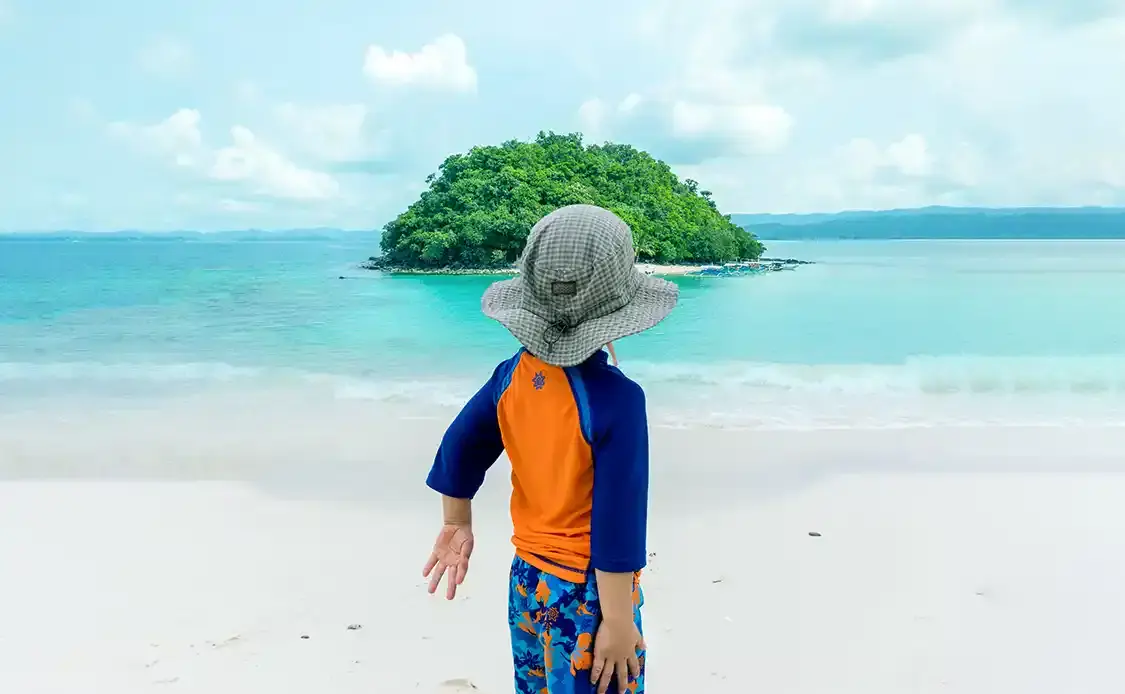
The Philippines uses the Philippine Peso. Credit and debit cards are accepted at most hotels, larger restaurants, and established shops in Manila, Boracay, and Puerto Princesa. In places like El Nido, Coron, and smaller island destinations, cash is still the primary currency. ATMs in El Nido and Coron are available but limited, and they frequently run out of cash during busy weekends. Withdraw a substantial amount of cash in Puerto Princesa before heading north into Palawan, and keep small denomination bills for paying boat operators, tricycles, and market stalls.
The Philippines offers excellent value for your money by North American standards. A Bangka island-hopping tour in El Nido costs a fraction of what a comparable excursion would cost in Europe or Australia. Meals at local restaurants are relatively inexpensive. Accommodation ranges from budget guesthouses to world-class resorts. Where costs accumulate for families is in domestic flights, which can be significant, especially if you’re visiting multiple destinations and high-end resorts in the Philippines with kids. If you’re visiting during the peak season at premium destinations like El Nido and Boracay, prices can be very high.
Tipping in the Philippines is appreciated but not obligatory. In restaurants, 10 percent is a reasonable amount when a service charge is not already included. For boat crews, local guides, and drivers, tip according to the quality of their work and the care they showed for your family. Good local knowledge is worth compensating properly.
What to Pack for Family Travel in the Philippines
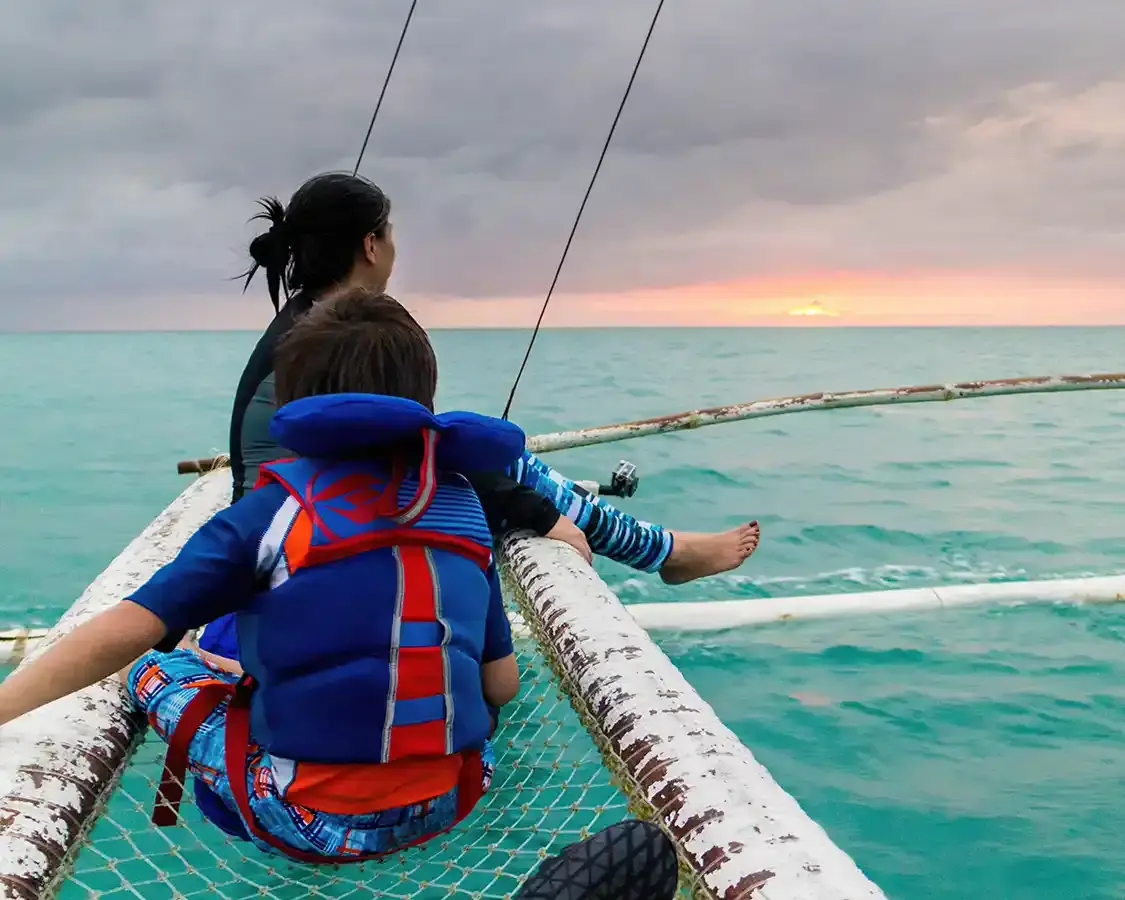
The Philippines has a tropical climate throughout, and packing is relatively straightforward with few dress code quirks. The biggest challenge to packing for the Philippines is the range of environments, from city streets to open ocean to jungle cave systems, that a single itinerary might cover.
- High-factor reef-safe sunscreen for everyone. The sun on open water and white sand beaches is brutal and reflects off both surfaces simultaneously. Apply before you go outside, not after you arrive at the beach.
- Insect repellent containing DEET. Dengue is present, and mosquitoes are active. Apply consistently in the evenings and in forested or rural areas.
- Rash guards and swim shirts for kids. They provide sun protection without requiring constant reapplication of sunscreen on long boat days.
- Water shoes. Many Palawan beaches involve rocky entries, coral, and boat ladders. Flip-flops are inadequate.
- Motion sickness medication. Open-water bangka crossings can be rough, and not everyone handles boat travel well. Have it on hand for children before you discover the hard way that they need it.
- Dry bags for electronics. Water gets into everything on island-hopping tours. Protect cameras, phones, and documents.
- Lightweight rain jacket. Even in the dry season, afternoon showers arrive without warning in Palawan. Useful on boat tours and during cave visits.
- Power adapter (Type A and B, 220V; North Americans need a voltage converter for non-dual-voltage devices).
- eSIM, installed before departure. Airalo provides reliable coverage on Philippine networks in urban areas.
- Copies of all documents. Passports, parental consent letters for solo-parent travel, travel insurance details, and emergency contacts are kept separate from the originals.
- Family medical kit. Children’s pain relief, antihistamines, rehydration sachets, antidiarrheal medication, motion sickness pills, and any prescription medication in generous supply.
- Cash in Philippine pesos. Withdraw in Puerto Princesa or Manila before heading to remote island destinations where ATMs are scarce.
What the Philippines Will Teach Your Family
- Filipino hospitality is not a product. It is a reflex. The cousins who turned up at Jed’s wedding from across the world became one large group of children within hours because that is how Filipino families work. Nobody organized it. Nobody facilitated it. The older kids absorbed the younger ones, someone produced food, someone else produced a card game, and by the end of the night, my sons were asleep on a sofa between relatives they had met eight hours earlier. That is not an event. That is the baseline.
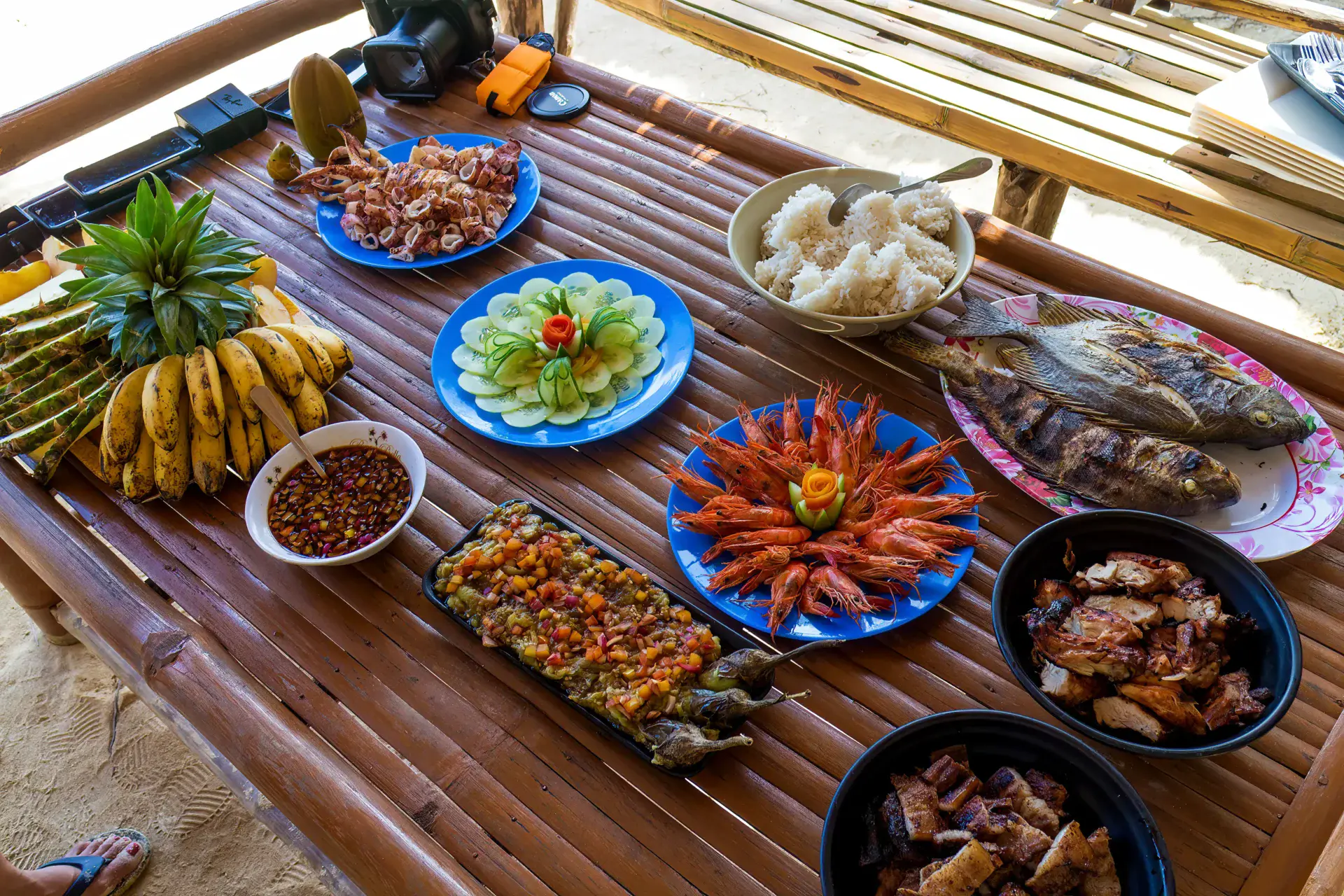
- The food is one of the most underrated in the world, and most children find it approachable. Filipino cooking draws from Malay, Chinese, Spanish, and American influences and produces something entirely its own. Adobo has a vinegar-soy depth that children respond to without knowing why. Sinigang is sour and warming in a way that is genuinely strange the first time and genuinely essential by the third. Lechon, a whole roasted pig cooked over charcoal for hours, is the centerpiece of every significant Filipino gathering, and it will ruin roast pork for your family everywhere else. My kids still bring it up.
- Palawan will reset your family’s baseline for beautiful, and that is not a small thing. I am careful with that kind of claim. But I have watched it happen to people who thought they had already seen the best of it. You come around a corner in a bangka, and the Big Lagoon opens up, and for a moment, nobody says anything. Not the adults. Not the kids. The silence is the review.
- Get the logistics right, or you may regret it. I say this as someone who has made every version of this mistake in some form across various countries. In the Philippines, the consequences are sharper because the distances are real, the weather is independent, and there is genuinely no Plan B when a ferry does not run. Book your domestic flights early. Carry cash into Palawan. Never put an international departure on the morning after a boat crossing. Do those three things, and the country rewards you generously for everything else.
Final Thoughts on Traveling in the Philippines with Kids
Philippines family travel requires preparation, patience, and curiosity. The destination guides on this site cover the details for each region, while the practical information above is designed to help your family move through the country with confidence.
You will come home with the photographs. The lagoon. The bangka cutting across the water looks impossible. Your kids on a beach with no name, sun-dark and completely fine with the world. But what you will actually carry is the other stuff. The cousin you did not know, who spent an afternoon teaching your children a card game in a language nobody shared. The boat captain who cut the engine in the middle of Palawan and let everyone float there in silence for ten minutes because he understood what was happening. The country that treated your family’s arrival as something worth celebrating. That is the Philippines. It is a lot. It is entirely worth it.
This page is updated as new regional guides and planning resources are published. Looking beyond the Philippines? Explore my International Family Travel Guide.