
Looking for snowshoeing in Toronto? Explore scenic Trans Canada Trail routes, frozen lakes, and forest trails just outside the city.
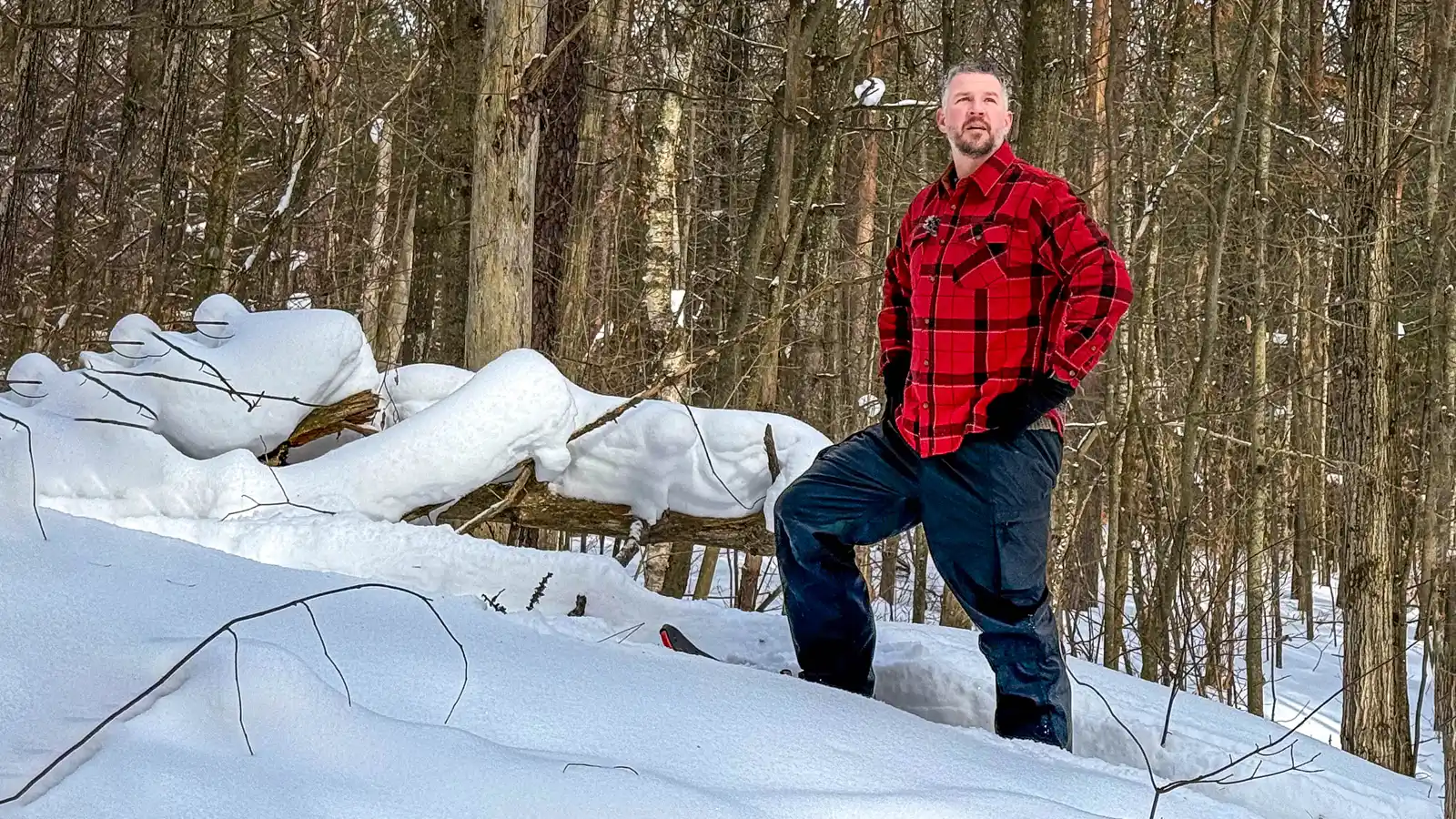
When the cold winds of winter in Toronto first blow through the city, most people retreat into their homes. Scarves go up, shoulders hunch forward, and the countdown to spring begins.
The first snowfall changes everything. The world slows. Sound dulls. The skyline softens beneath drifting flakes. Traffic slows to a crawl, not just because of the roads, but because it’s impossible not to notice how beautiful Toronto becomes when it’s wrapped in white.
That’s when a special kind of people embrace the elements, lean into winter, and celebrate the season’s unique mix of beauty and adventure. If you’re here, you’re probably one of the latter.
This is when snowshoeing in Toronto transforms from a niche winter hobby into one of the most magical ways to experience the city and the landscapes that surround it.
Within an hour of downtown, sections of the Trans Canada Trail wind through charming small towns, frozen lakes, rolling escarpment forests, and quiet conservation lands, offering some of the best snowshoeing near Toronto for families, beginners, and seasoned winter explorers alike.
For my family, snowshoeing has always felt like a reset. We’ve strapped on snowshoes in Upstate New York, along the Ottawa River in Montebello, Quebec, and near the thundering mist of Niagara Falls. But some of our most accessible and rewarding snowshoeing adventures have happened right here, just a fresh snowfall away from home near Toronto.
The Trans Canada Trail – Canada’s Path to the Outdoors
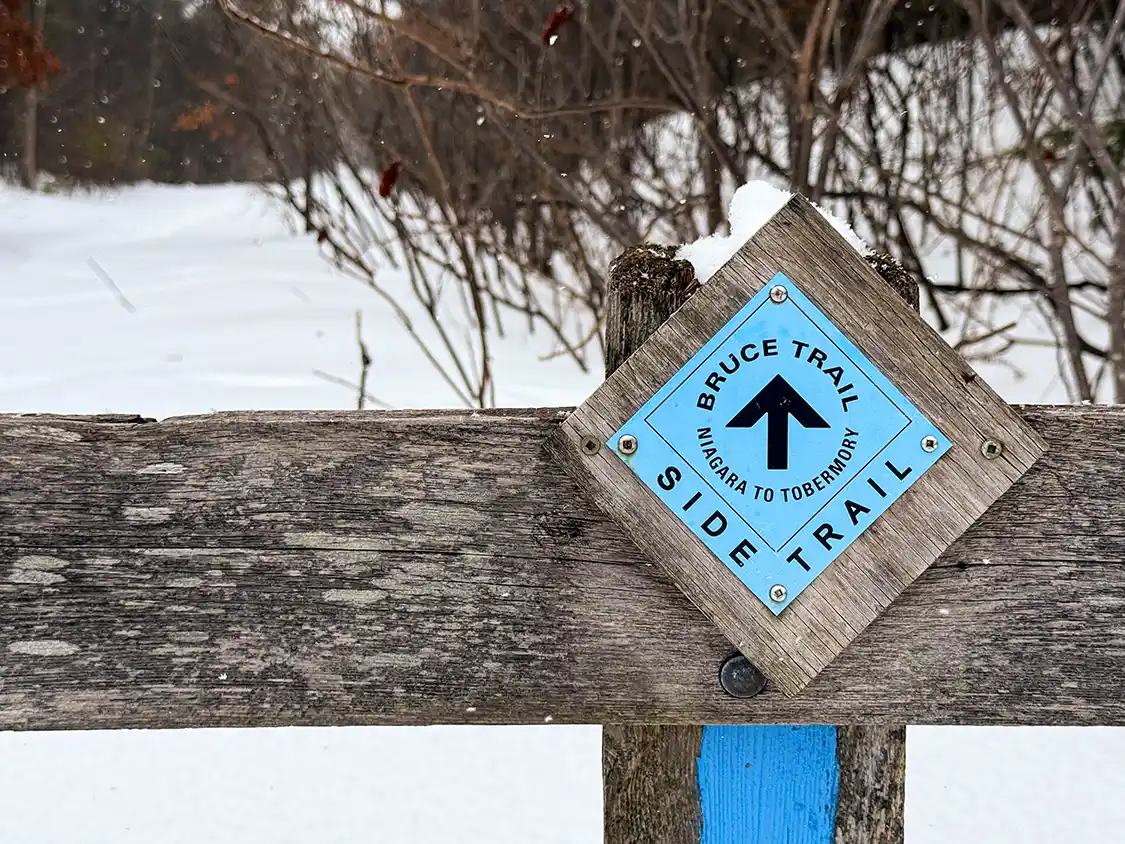
Toronto, like most major cities, has one big problem: crowds. For outdoor winter adventures, crowds mean packed-down, icy trails, slippery conditions, and sometimes, no snow at all. But you don’t need to travel far to find snowshoeing trails near Toronto that are light, fluffy, and downright idyllic.
All of these trails lie within an hour of Toronto, stitched together by one of the most important outdoor corridors in the world: the Trans Canada Trail.
Trans Canada Trail achieved connection in August 2017, and since then, it has continued to grow. Today, it spans nearly 30,000 kilometres winding through communities across Ontario and through all ten provinces and three territories of Canada (yes, even Nunavut!). Rail trails, conservation areas, forest systems, and waterfront paths all link together through this network, making it the world’s longest network of multi-use recreational trails. And this network continues to grow.
Even in Toronto, there are more than 100 kilometers of the Trans Canada Trail that transit through the city, including the Martin Goodman Trail in downtown, the Waterfront Trail, and the Don Valley Trail. In winter, when hiking boots start to slip, and cross-country skis feel too ambitious, snowshoes become the perfect middle ground.
The Honest Truth About Snowshoeing in Toronto
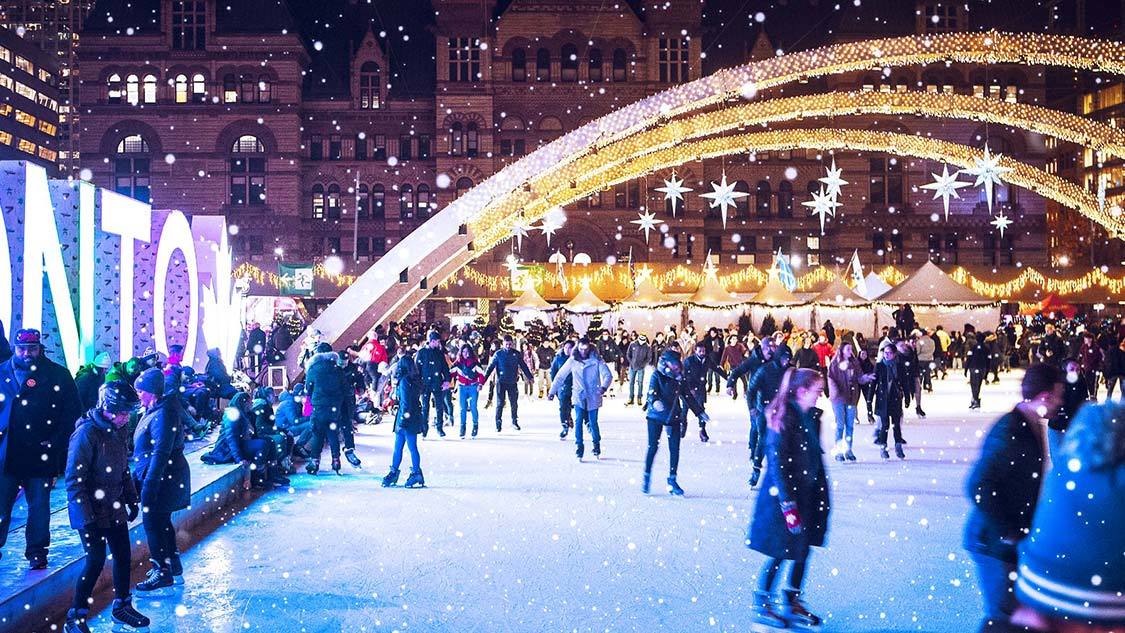
I’d love to say that snowshoeing in Toronto is incredible. But the truth is complicated. Like any major city, Toronto deals with traffic, not just on the roads, but also on the trails. Traffic on snowy trails often leads to packed-down snow and icy conditions, hardly the ideal fluffy powder that most snowshoers dream of.
But don’t fret, you don’t need to drive all the way up to Muskoka for great Ontario snowshoeing experiences. There are loads of incredible locations for snowshoeing in Toronto, just a short drive from home.
The Best Snowshoeing Near Toronto
If you’re searching for the best snowshoeing near Toronto, investing a little time to travel just outside the city means the difference between a mediocre snowshoeing experience and an incredible one. These stops along the Trans Canada Trail offer great powder, accessibility, and lots of room to explore.
Heart Lake Conservation Area – Brampton
Distance from Toronto: About 40 minutes
Trans Canada Trail connection: Linked through the Caledon Trailway corridor
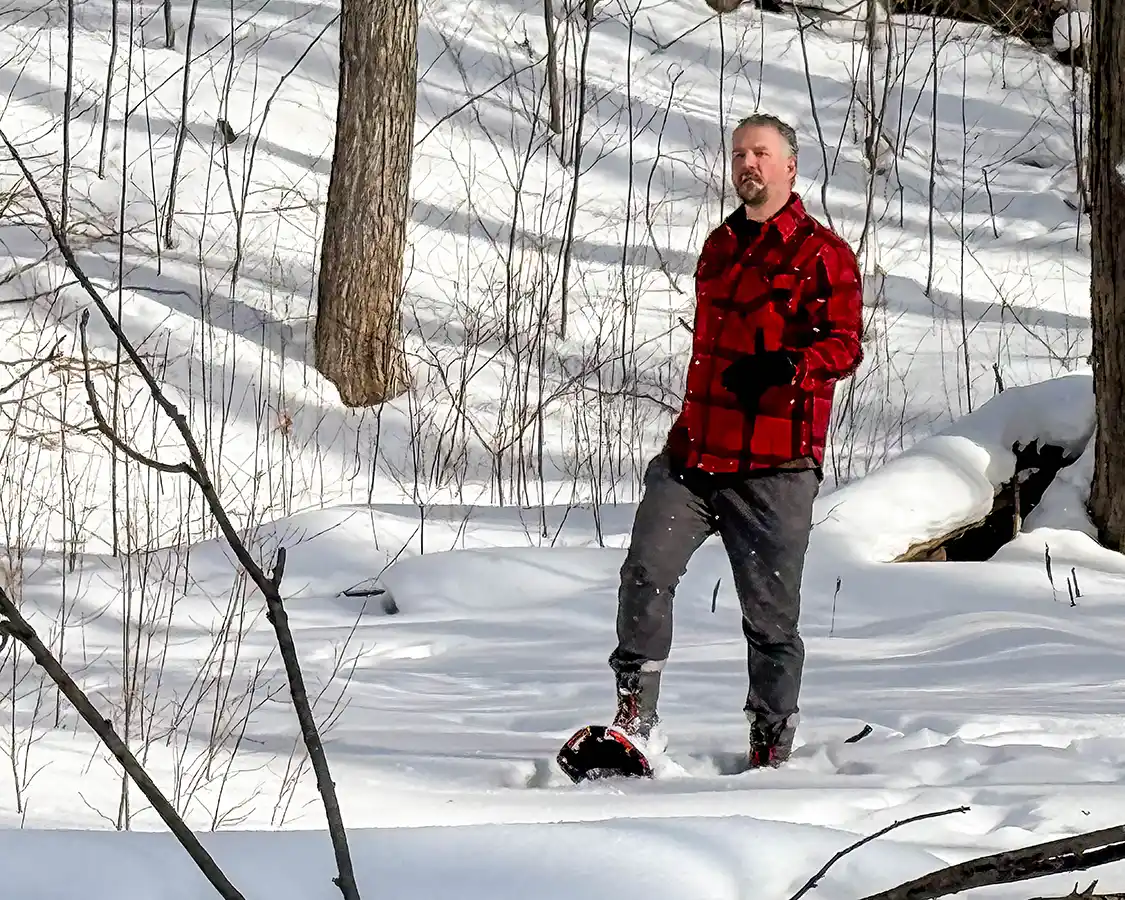
The crown jewel of outdoor experiences in Brampton, Heart Lake Conservation Area, sits just minutes from my home. Tucked into a quiet stretch between Sandalwood Parkway and Mayfield Drive, just off the busy Highway 410, most commuters don’t even know that this forested retreat is even here.
This is my go-to spot for mountain biking and trail running during the summer. In the winter, it’s one of the best spots for snowshoeing near Toronto. There’s a well-maintained looped trail system that winds through quiet forests along the shore of the conservation area’s famous heart-shaped lake. During January and February, the lake extends the snowshoeing options, and is perfect for those who love deep powder.
One of the best things about Heart Lake Conservation Area is its varied terrain. Side-trails curl off in all directions, climbing steep hills and opening up some creativity for adventurous explorers. It offers a backcountry experience without having to journey to Northern Ontario.
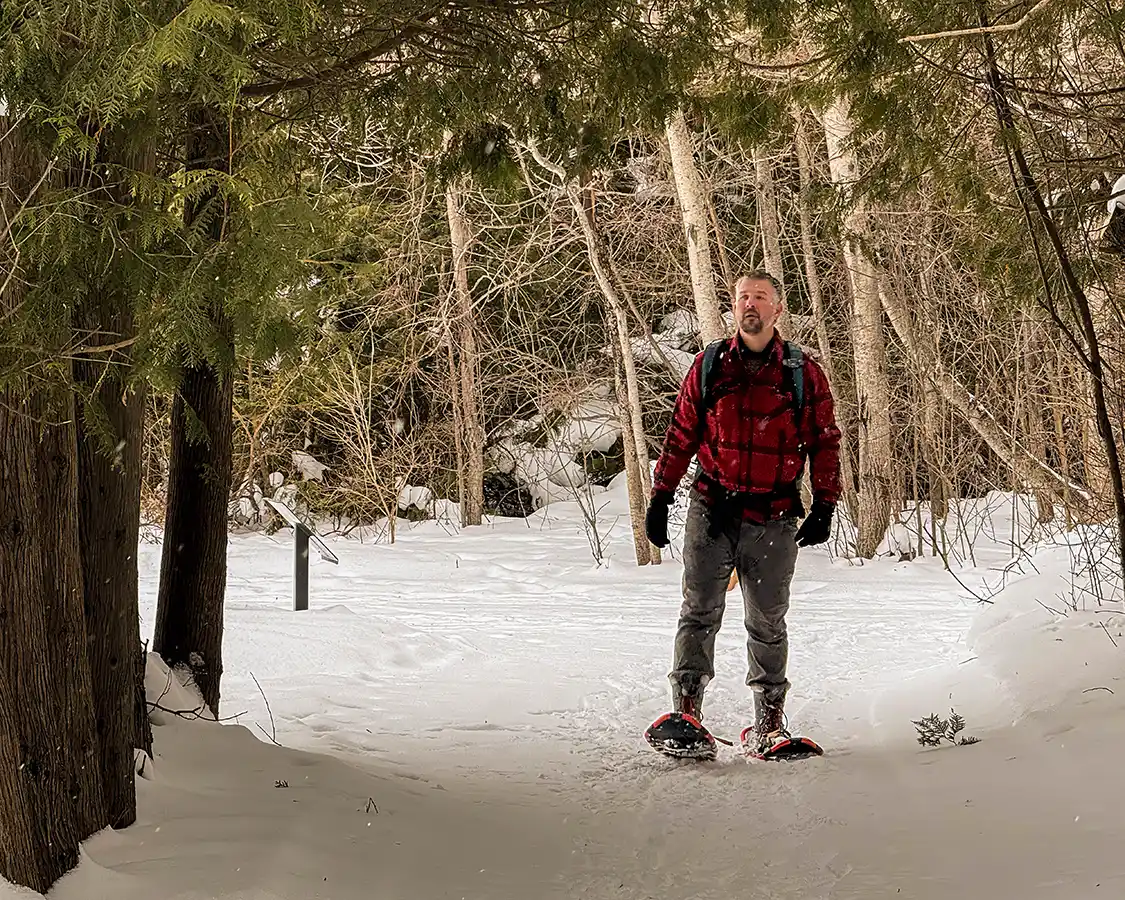
Terra Cotta Conservation Area – Terra Cotta
Distance from Toronto: About 50 minutes
Trans Canada Trail connection: Connected via the Caledon Trailway
The town of Terra Cotta is most famous for its leaf peeping. During autumn, the winding roads through this tiny town see bumper-to-bumper traffic thanks to its legendary fall colors. During the winter, though, Terra Cotta is so quiet you can almost hear the snowflakes landing softly on the trails.
With a mix of flat, groomed trails and more adventurous climbs and side trails, you can feel the effort in your legs. This conservation area offers just enough challenge that you’ll feel the accomplishment without needing to pop Advil the next day.
As I trekked through the marsh trails, wildlife tracks were everywhere. Rabbits, squirrels, and even deer had made their journeys along the paths shortly before I had arrived. Even as I enjoyed a snack along the Graydon Trail, I could hear woodpeckers tapping against frozen bark.
After a heavy snowfall, the silence here can feel almost alpine.
For families, this is a great step up from flatter trails like Heart Lake. It introduces a challenge without becoming overwhelming. The key is traction awareness. On warmer days followed by freeze cycles, steeper sections can firm up. Choose days after fresh snow for the best conditions.
If you want snowshoeing near Toronto that people rarely talk about, this is where to go.
Island Lake Conservation Area – Orangeville
Distance from Toronto: About 1 hour
Trans Canada Trail connection: Directly along the Dufferin County section of Trans Canada Trail
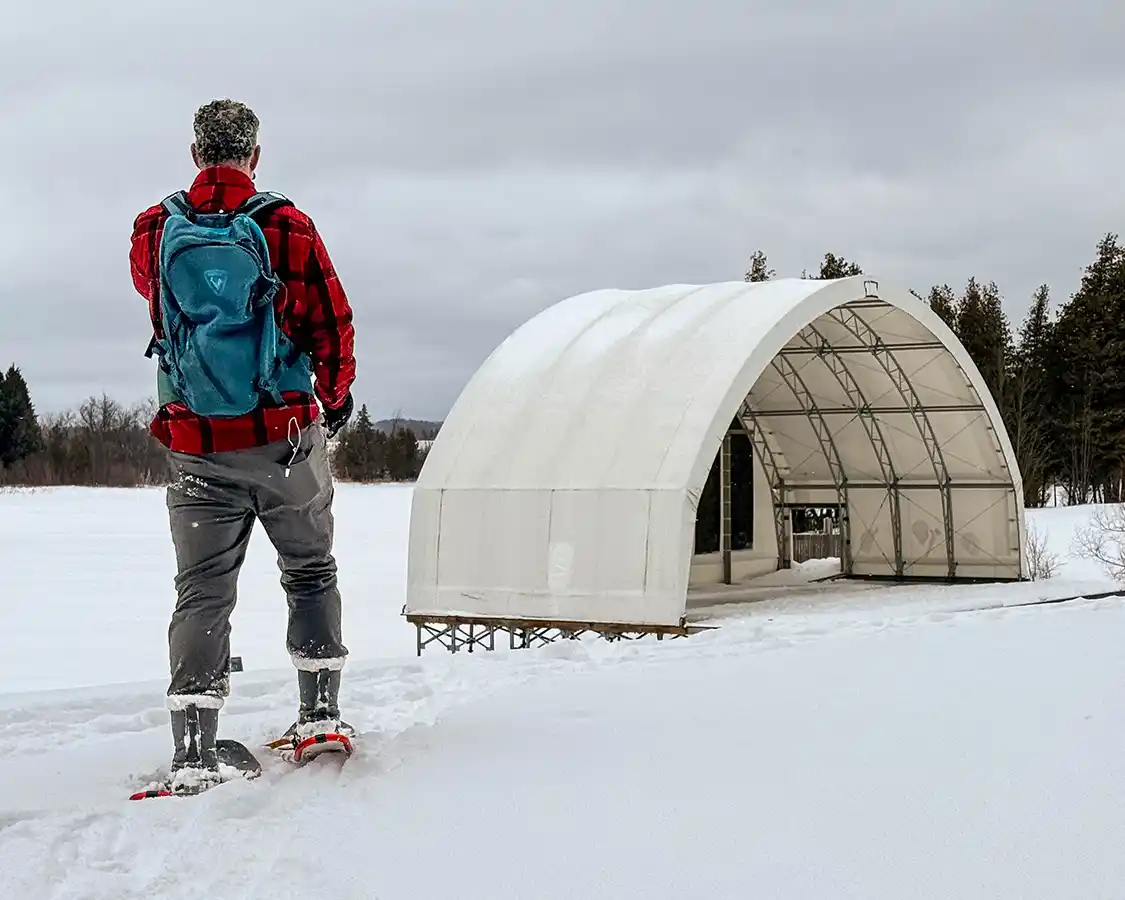
There are few words that can describe the feeling of snow crunching beneath your snowshoes as you trek through a canopy of pine trees, the sunlight filtering through and dancing off a fresh blanket of powder. That’s why Island Lake Conservation Area has always been one of the best places to experience snowshoeing in the GTA.
The snowshoeing here goes far beyond the well-used main trail, though. There are many excellent side trails where the snow gets even deeper, and treks can transform from scenic to adventurous. deep lines through the forest, journeys out through the reeds and onto the frozen surface of the windy lake (drop in and say hello at the ice fishing huts while you’re there).
Trans Canada Trail runs directly through Island Lake Conservation Area, following a former rail corridor. That history shows in the gentle grades and wide path. It is forgiving underfoot and ideal for families or anyone new to snowshoeing in Toronto.
Durham Forest – Uxbridge
Distance from Toronto: About 1 hour
Trans Canada Trail connection: Linked through the Uxbridge Trail system
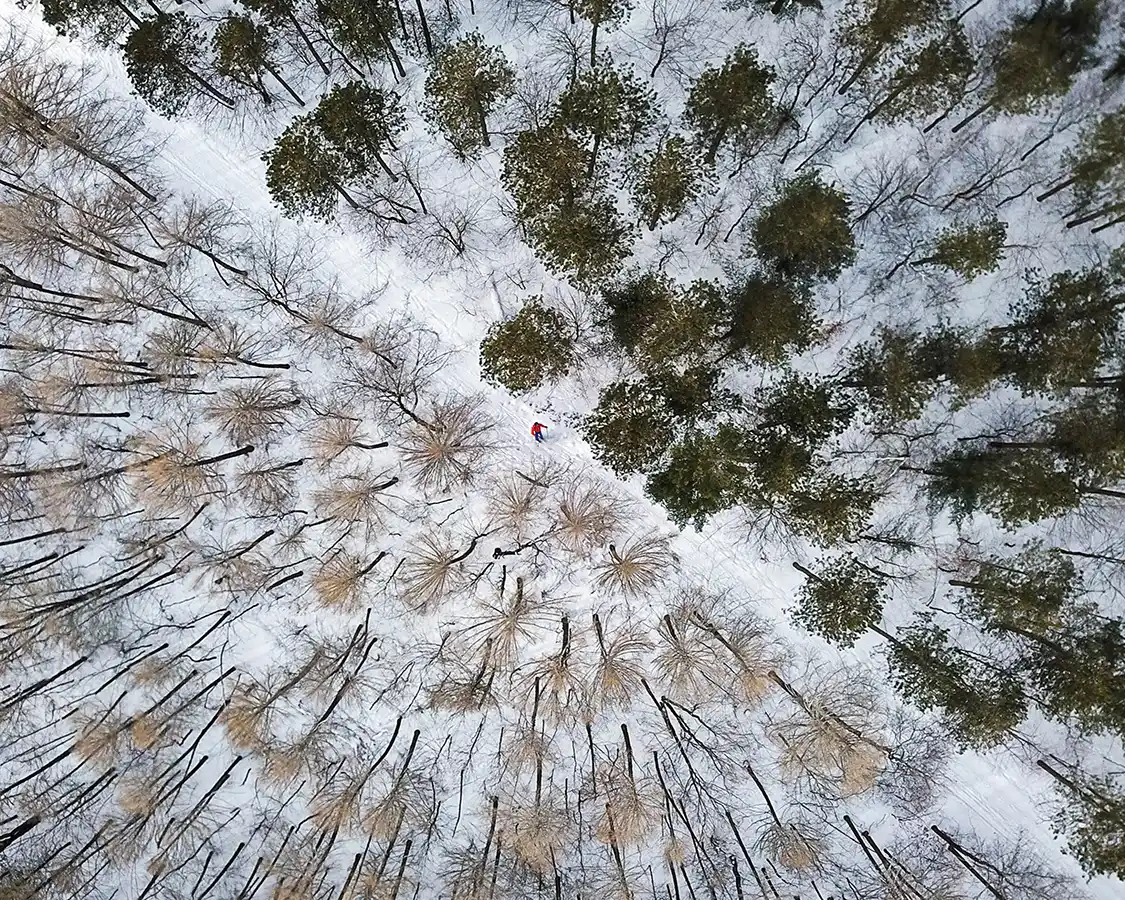
With more than 16 kilometers of mixed-use trails, Durham Forest offers some of the most diverse terrain and longest sections of snowshoeing trails in the Toronto area. Here, the trees grow taller, the trails are narrower, and the snowshoeing can vary from the casual to the aggressive.
During the summer and fall, Durham Forest is the go-to destination for mountain biking. During the winter, snowshoers share the trail with fat-biking enthusiasts rolling through some of the most beautiful topography in the Greater Toronto Area.
Durham Forest is a place you’ll want to go if you want more than just a casual snowshoeing experience. The trails here demand a little more endurance. It’s a place you may want to pack a lunch for the trail. It’s also a little further out from the big city, so there is less traffic on the trails.
Rouge National Urban Park – Markham
Distance from Toronto: 30 to 40 minutes
Trans Canada Trail connection: Trans Canada Trail runs directly through Rouge National Urban Park
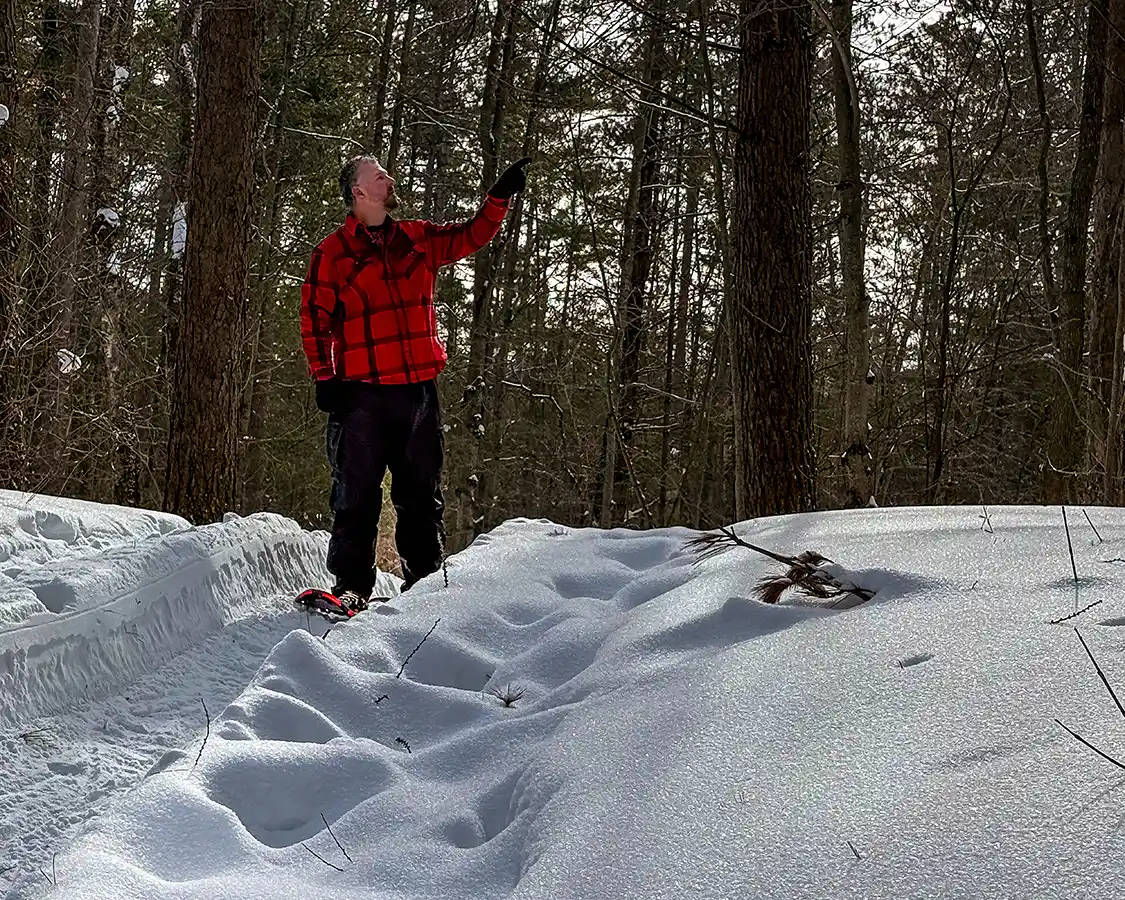
If you’re looking for incredible snowshoeing in Toronto, not just near it, this is where you’ll find it. Rouge National Urban Park is the kind of place that makes you forget how close you are to the CN Tower. Canada’s only urban National Park stretches across forest, meadow, river valley, and farmland, creating one of the largest urban parks in North America.
And the best part, it’s accessible by Toronto public transit.
During the summer, Rouge National Urban Park is packed with hikers, mountain bikers, and casual explorers. During the winter, the Rouge transforms. The valleys hold the snow longer. Forest sections grow quiet and insulated. Open meadows sparkle under wide sunny skies. The variety of terrain means no two snowshoe outings feel the same.
Step a few hundred metres away from the parking lot, and the noise fades quickly. What remains is wind moving across open fields and the soft rhythm of your steps.
Trans Canada Trail threads through the park, connecting it to the broader Great Trail network. That means wide, established corridors mixed with narrower side trails that invite exploration.
Tips for Snowshoeing Near Toronto
To experience great snowshoeing in Toronto and the surrounding region, you don’t need to be an expert. There are beginner snowshoeing trails across the GTA. But conditions can change quickly. A little preparation makes the difference between a magical winter outing and a cold trudge back to the car.
Here are the essential tips to get you started. You can also check out my guide to winter hiking to help you prepare for your time outside.
1. Go After Fresh Snow
The best snowshoeing near Toronto happens 12 to 48 hours after a snowfall. Trails are still soft, but access roads have been cleared. Wait too long, and foot traffic compresses the snow into ice. Early mornings are your best friend when the powder is fresh and crunchy
2. Dress in Layers
Winter hiking generates heat quickly. Wear these, and avoid cotton. Once wet, it stays wet.
- Moisture-wicking base layer (recommend Merino wool for warmth and durability)
- Insulating mid-layer
- Waterproof outer shell
- Warm hat and gloves
3. Wear Waterproof Boots
Snowshoes strap over regular winter boots. Waterproof, insulated boots with good ankle support are ideal for having a great day out in the snow while staying dry and warm.
4. Bring Poles for Balance
Trekking poles are a great tool for enjoying snowshoe experiences in and around Toronto, especially at places like Terra Cotta or Durham Forest, where the terrain can be a little more exciting. They provide stability on hills and offer support in slicker areas. Get a great pair like these that have a ski-pole option that helps them avoid sinking in the snow.
5. Respect the Trail and Your Abilities
Flat rail-trail sections, such as Island Lake, are beginner-friendly. Rolling terrain like that in Terra Cotta adds challenge. Forested systems like Durham Forest demand a bit more awareness. Rouge National Urban Park offers a variety.
Take the time to read trail maps carefully before you head out. Take a photo of the trail map, or even better, get a hard copy from the park staff (where available). Even in smaller, urban parks, it’s possible to get misplaced or wander into a section that you may not be prepared for.
Choosing the Right Snowshoes
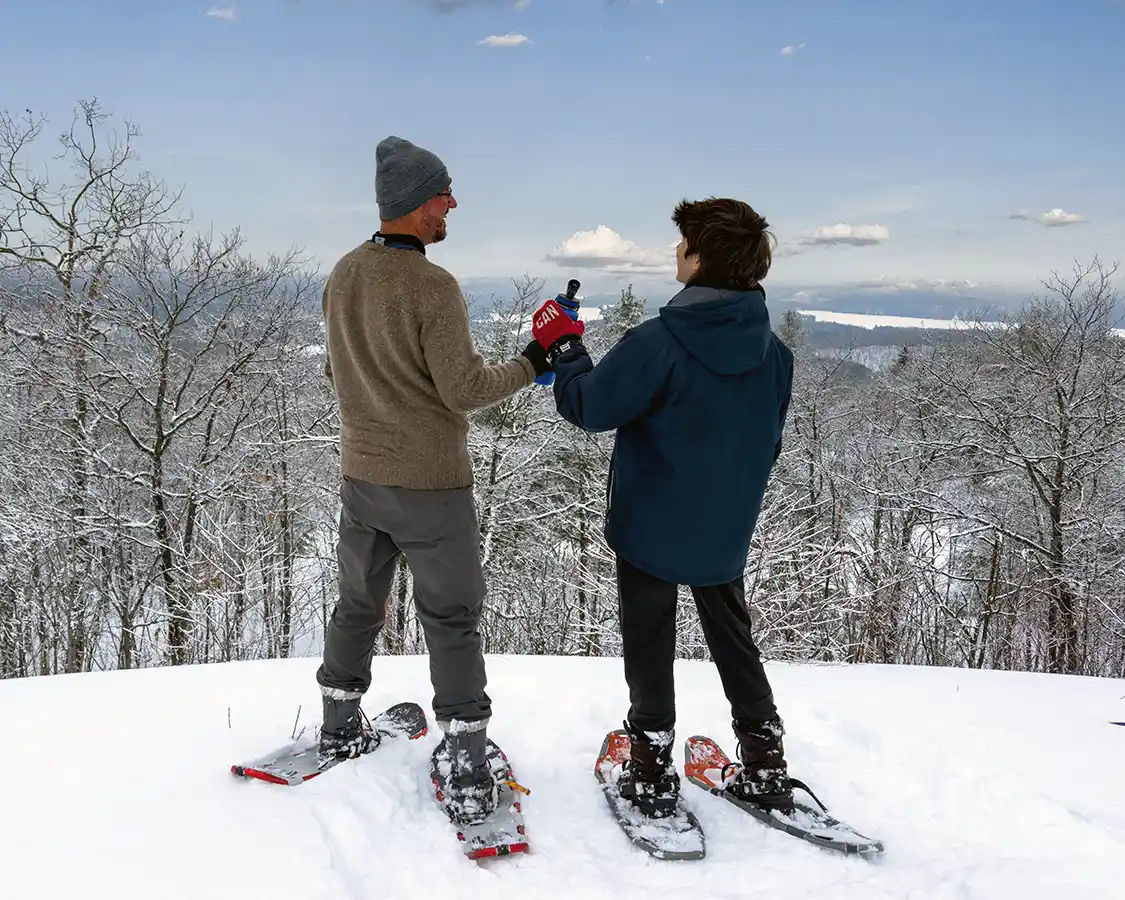
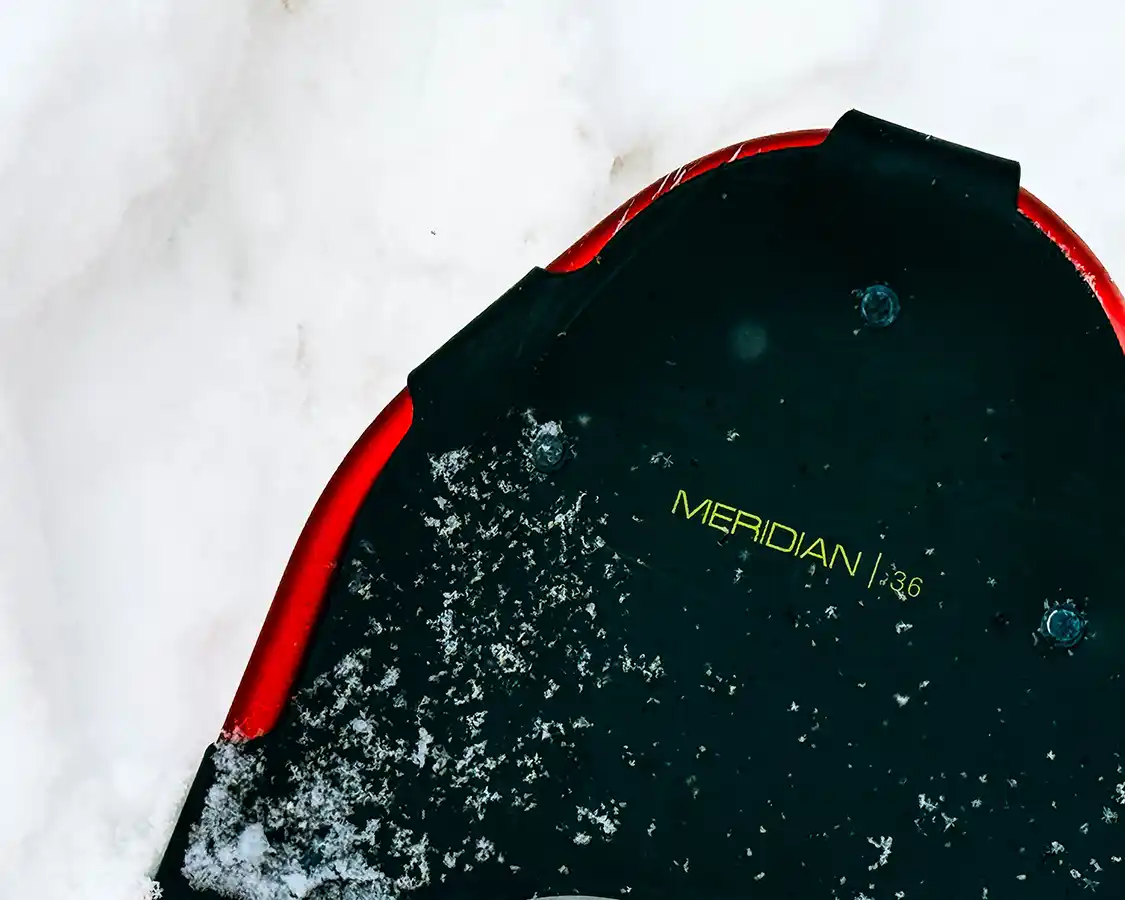
If you plan to snowshoe more than once or twice per winter, owning your own pair makes sense. Rentals add up quickly, and having your own gear means you can head out whenever fresh snow falls. Snowshoes are sized based on weight, including your clothing and pack. The deeper and fluffier the snow, the more flotation you need.
Here are reliable options that perform well in Ontario conditions. They have the features most people should look for when investing in a beginner to mid-range snowshoe.
For Men – Tubbs Xplore Snowshoes
A great choice for beginners, sticking mostly to conservation areas and rail trails.
- Lightweight
- Easy binding system
- Perfect for recreational snowshoeing near Toronto
For Women – MSR Evo Trail Snowshoes
Reliable for mixed terrain and longer outings.
- Narrower frame
- Secure bindings
- Excellent grip on packed trails
For Kids – MSR Tyker Snowshoes
Kids take to snowshoeing quickly. The learning curve is short, and once they realize they can walk on top of snow instead of sinking into it, it becomes a game.
- Simple strap system
- Durable build
- Great for ages 6 to 12
What Size Snowshoe Do You Need?
Most adult recreational snowshoes fall between 21 and 25 inches.
General guideline:
- Up to 180 lbs: 21 to 22 inches
- 180 to 220 lbs: 22 to 25 inches
- Over 220 lbs or deep powder conditions: 25 inches or larger
Check the manufacturer’s weight charts carefully before purchasing.
Why Snowshoeing Is the Perfect Family Winter Activity
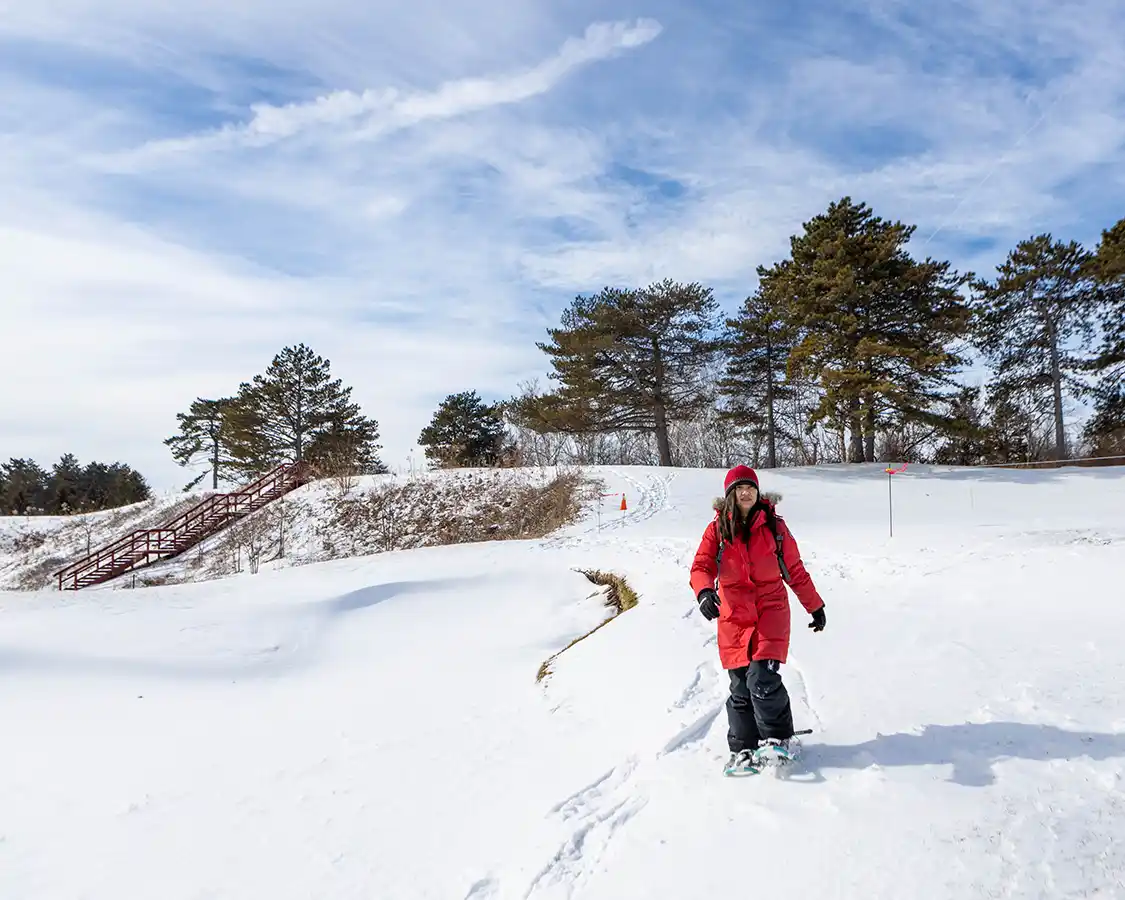
Snowshoeing is one of my favorite outdoor winter activities because it removes barriers. You do not need perfect grooming, expensive lift tickets, or months of training to enjoy a day on the trails.
You just need snow and a pair of snowshoes, and a map of trails near you. You can check out the Trans Canada Trail Map for yourself right here.
For busy families, that simplicity can mean the difference between another indoors, and one spent outside taking in the beauty of winter. It levels the playing field. Adults and kids move at the same pace. And for hockey families like ours, it’s nice to have a winter sport where there is no scoreboard, no timer, and absolutely no pressure.
We’ve enjoyed winter across Canada and around the world. Yet some of the most memorable winter days have happened within an hour of Toronto, connected by the Trans Canada Trail and waiting for fresh snow.
You May Also Like To Read:

Disclosure: The experiences in this article were supported by Trans Canada Trail. All opinions remain my own.