
The complete family packing list for Jordan, covering men, women, teens, and kids across the country’s peak travel seasons. Built from firsthand family travel experience.
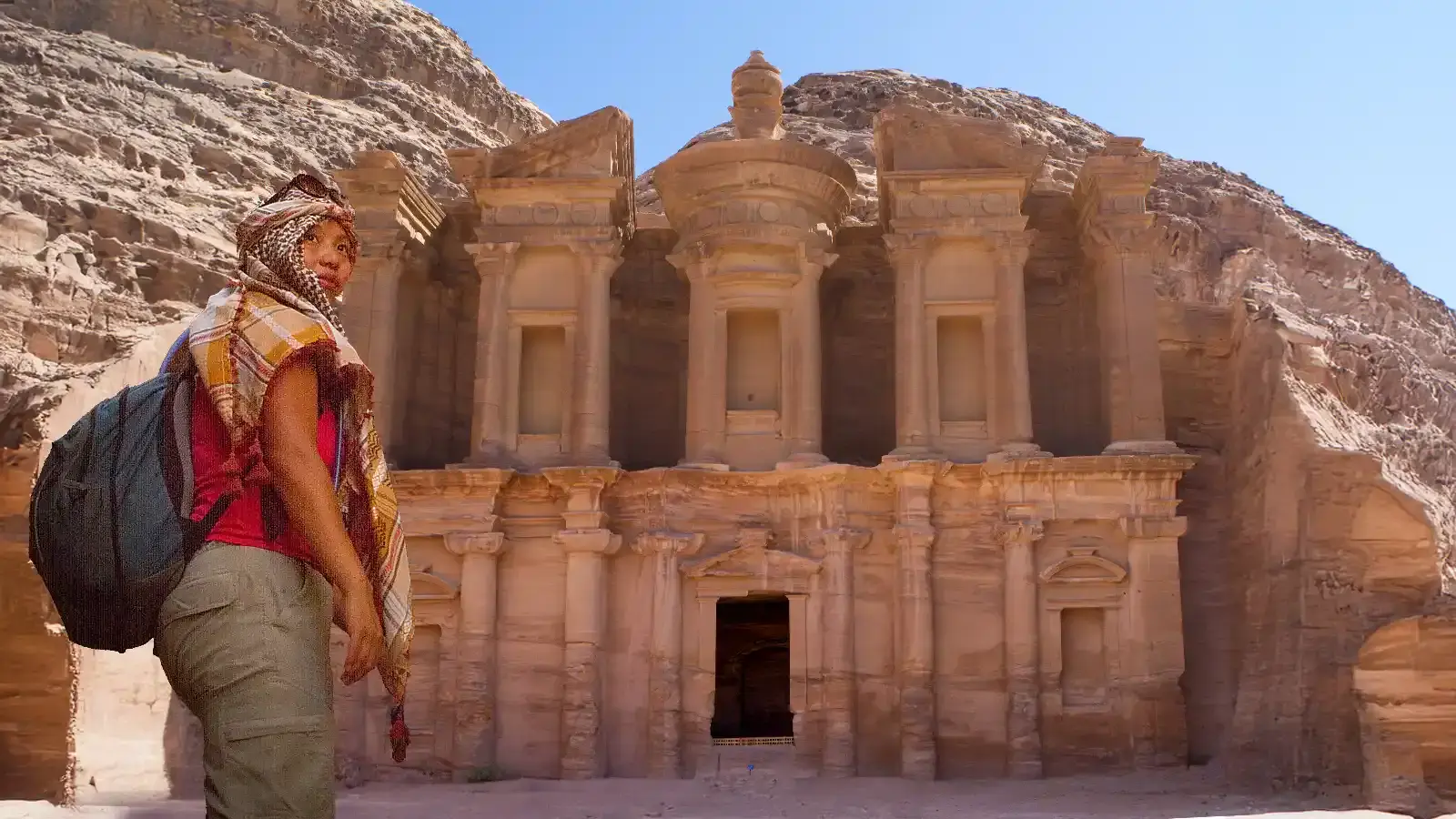
Jordan is a destination that many families talk themselves out of visiting and then spend years regretting their decision.
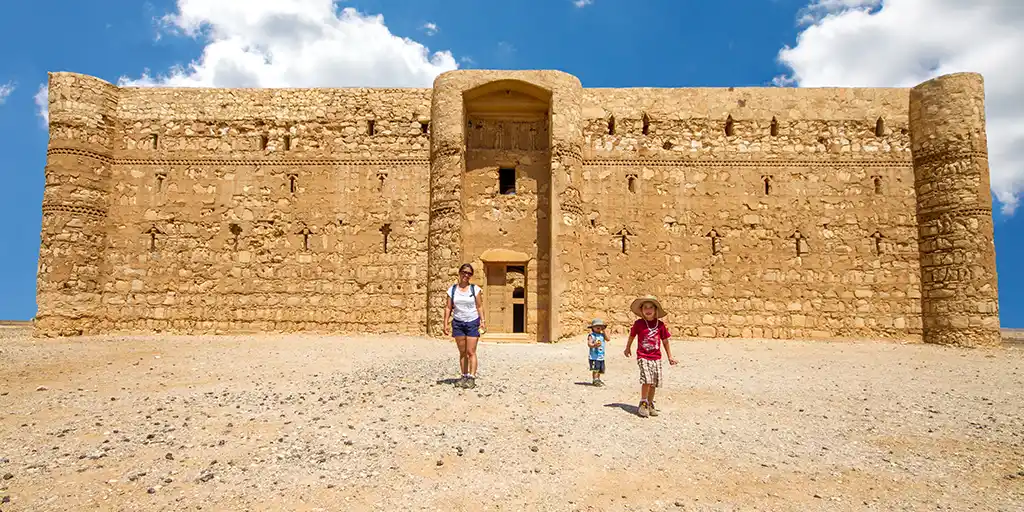
Jordan is one of the safest countries in the Middle East, one of the most welcoming to families with young children, and home to one of the most extraordinary collections of ancient sites on earth. Imagine a country, easily navigable by road, packed with Roman cities, Crusader castles, a rose-red Nabataean capital carved directly into sandstone cliffs, a desert that has been used as a stand-in for Mars in Hollywood films, and a sea so salty you can sit on the surface of it like a very smug piece of driftwood. The question is not whether to go. The question is what to pack for family travel in Jordan.
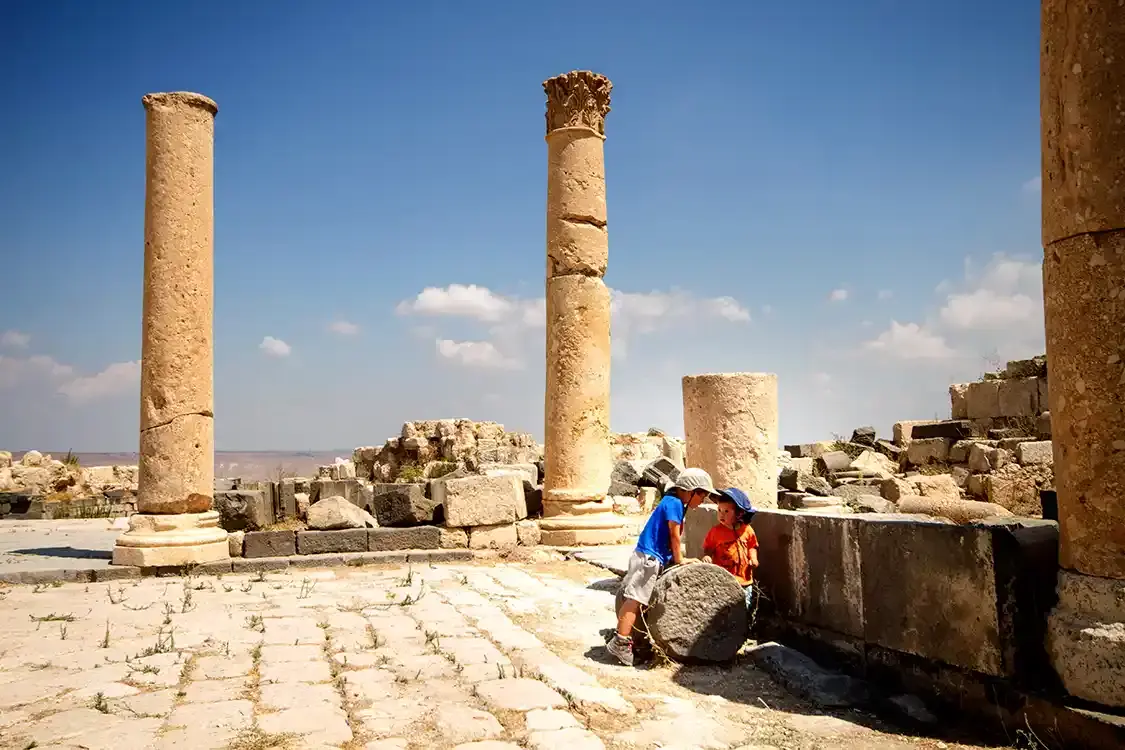
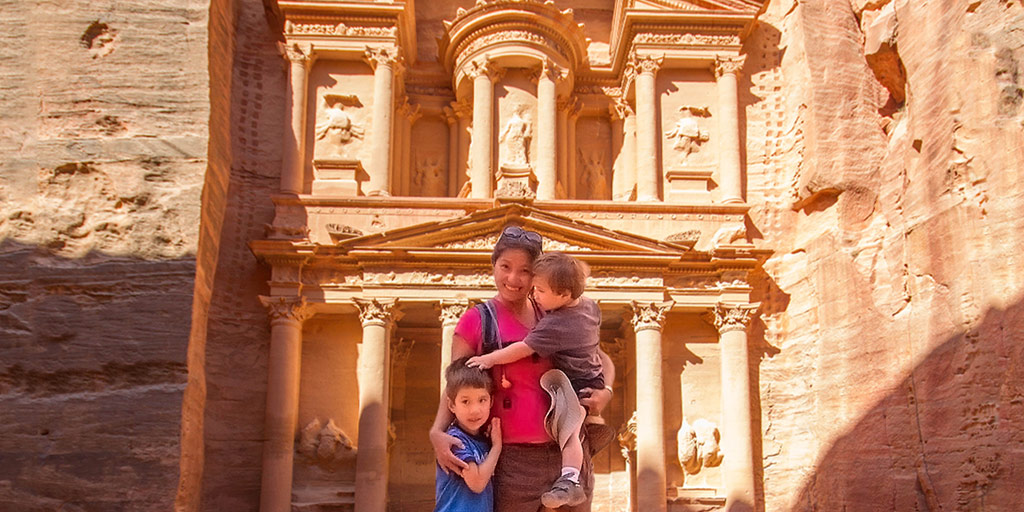
My wife, Christina, and I traveled to Jordan as a family with our boys, who were one and three years old. The experience was unforgettable. Cohen performed a moving rendition of Twinkle Twinkle in the Umm Qais amphitheater for an audience of three. Christina and I marveled at the viewpoint overlooking three countries from the same spot. We spent two and a half days getting lost inside the ancient city of Petra, and it was not enough. We lay by the fire in the Wadi Rum desert at night, drinking in views of the Milky Way overhead. These were just a taste of the best things we did while traveling as a family in Jordan.
This Jordan packing list for families is built from that trip, from my experience in the heat of a Petra afternoon in August, the cool Wadi Rum evening, and every lesson we learned about what family travel in Jordan actually demands from your suitcase. Here is exactly what to bring.
What You’ll Find in This Packing Guide for Jordan
Jordan presents a specific set of packing challenges that most packing guides either oversimplify or miss entirely:
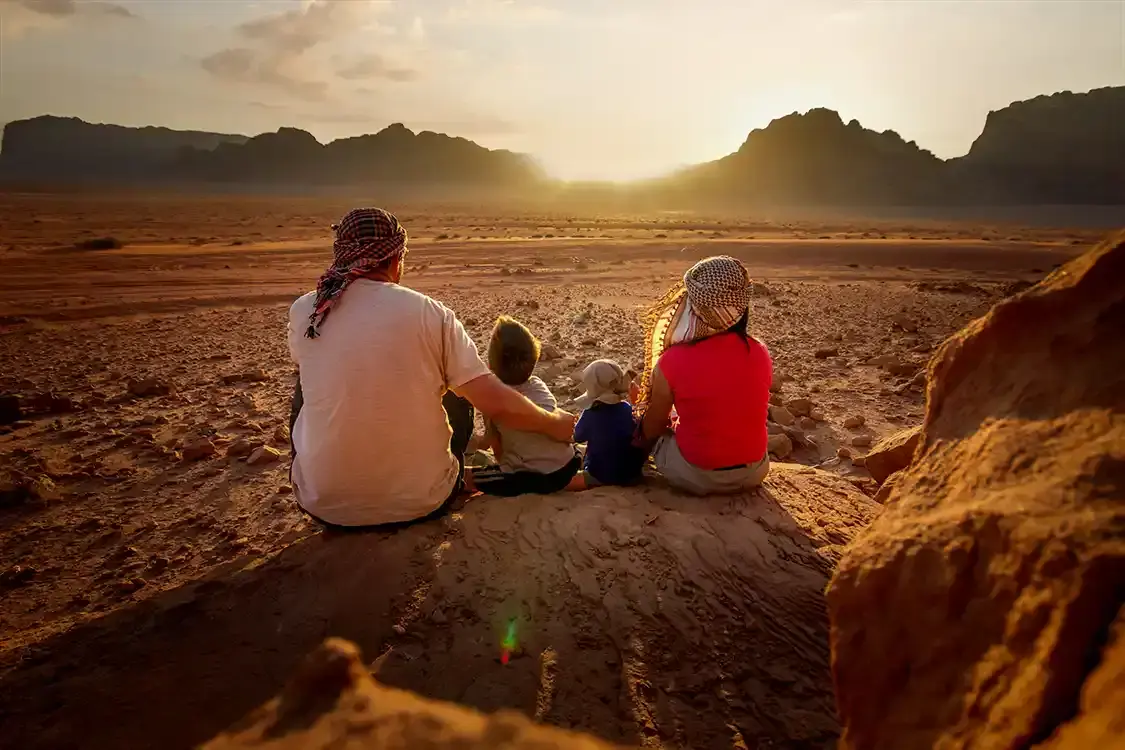
- Significant temperature variation by season and region. The Jordanian spring, which lasts from March through May, and its autumn, which runs from September through November, are the sweet spots for family travel. These seasons offer warm days and cooler evenings. Summer regularly pushes temperatures past 100 degrees Fahrenheit (38°C) in the Jordan Valley and Wadi Rum. The Wadi Rum desert drops sharply in temperature after sunset, regardless of season. This guide covers the key travel seasons in Jordan and what each one demands.
- Cultural dress expectations. Jordan is a Muslim-majority country, and dressing in a way that respects that culture will genuinely affect your experience. This is particularly important when visiting religious sites, smaller towns, and rural areas. This guide covers exactly what to pack and how to use it without overcomplicating it.
- Jordanian landscapes and geography. Exploring the ancient ruins of Petra involves several miles of walking on uneven stone paths. Wadi Rum is desert sand and rock. The Dead Sea shoreline is raw salt crystal. Aqaba’s Red Sea coast calls for snorkeling and beachwear. Footwear is one of the most important packing decisions for a Jordan trip.
- Temperature fluctuations. Most families pack for Jordanian heat and forget that the desert temperatures plummet fast after sunset. A night in Wadi Rum in September can drop to 59 degrees Fahrenheit (15°C) or lower. A light layer belongs in every travel bag regardless of the season.
- Family logistics. What works for adults navigating Petra’s Siq is often completely wrong for a three-year-old who needs to be carried through the last mile. This guide accounts for both.
This Jordan family packing guide is organized by category with specific callouts for men, women, teens, and kids throughout, covering the spring and autumn peak seasons as the primary focus and summer travel as a secondary consideration.
Before You Pack: Understanding Jordan’s Climate and Seasons
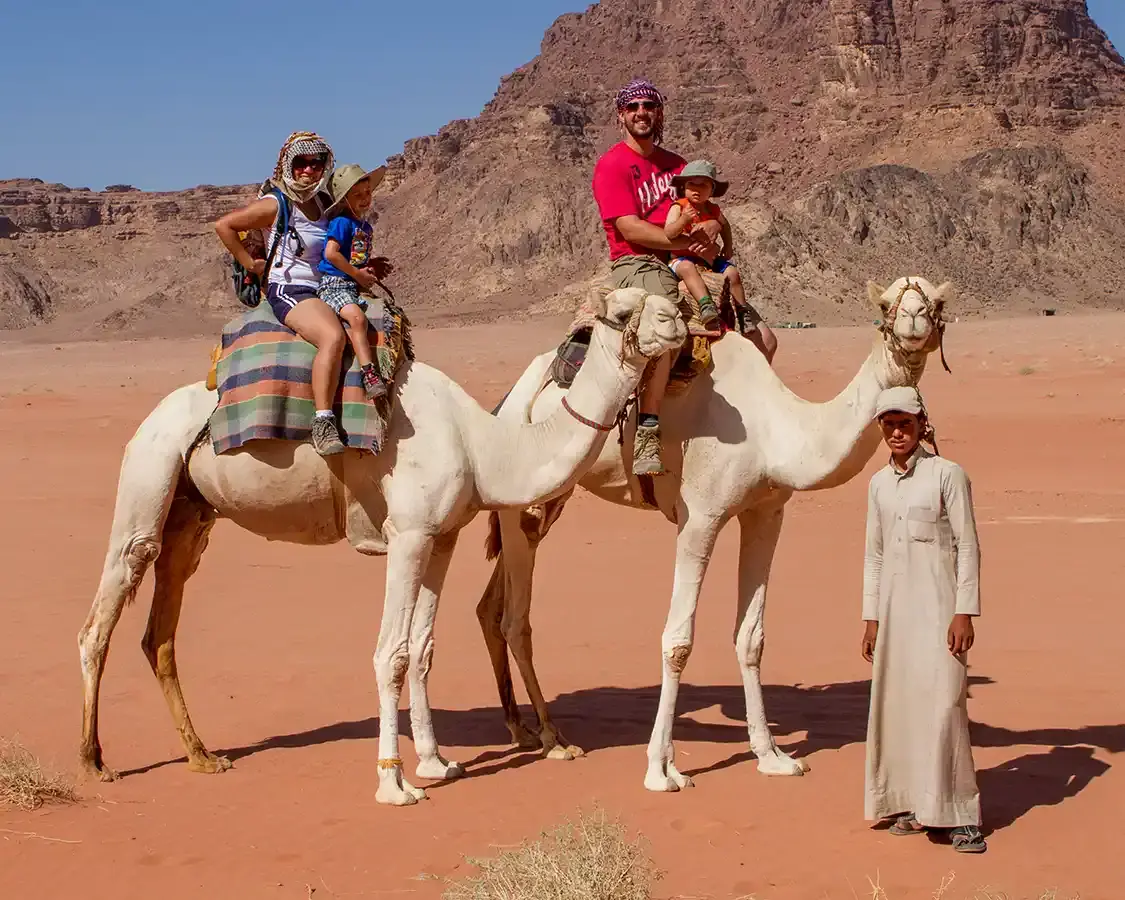
Jordan is a small country, but its diverse geography creates meaningfully different climate conditions depending on where you are and when you plan to visit.
Spring: March through May
Spring is widely considered the best time to visit Jordan. Temperatures in Amman and the northern highlands sit in the comfortable 60s to mid-70s Fahrenheit (16 to 24°C) during the day with cool evenings.
The southern desert around Petra and Wadi Rum is warmer, regularly reaching 80 to 90 degrees Fahrenheit (27 to 32°C) by April and May. Wildflowers bloom across the highlands in March and April. Rain is possible in March and early April, particularly in the north. Pack a light rain shell for northern Jordan in early spring.
Autumn: September through November
Autumn weather in Jordan mirrors the spring. It’s equally good for family travel. Temperatures begin to ease from the intense summer weather, dropping from the high 80s to low 90s Fahrenheit (30 to 35°C) toward more manageable highs in the 70s (mid-20s Celsius) by October and November.
The desert regions cool fastest and most dramatically after sunset. A warm evening layer is more important in autumn than in spring. October and November are particularly pleasant across the whole country.
Summer: June through August
Summer in Jordan is hot. Seriously hot. Amman sits at around 2,500 feet (760 m) elevation and is the most tolerable city in Jordan during peak summer, with highs around 90 degrees Fahrenheit (32°C). The Jordan Valley, the Dead Sea, and Wadi Rum regularly hit 104 to 113 degrees Fahrenheit (40 to 45°C) in July and August. Petra at midday, under the summer heat, requires serious sun and heat management.
Summer travel in Jordan is possible, and some families prefer the lower crowds, but it requires packing lightweight, breathable clothing, strong sun protection, early morning starts at major sites, and far more hydration than most families feel is necessary. If summer is your only option, plan all outdoor activities for early morning and late afternoon.
Winter: December through February
Winter in Jordan is mild by most Middle Eastern standards, but cooler than most visitors expect. Amman averages highs in the mid-50s Fahrenheit (12 to 14°C) with cold nights and occasional rain. Snow typically falls on Amman and the northern highlands once or twice most winters.
Petra and Wadi Rum are cooler but manageable with proper layers. The Dead Sea and Aqaba remain warm year-round due to their low elevation. Winter is a quiet, uncrowded, and atmospheric time to visit Jordan.
The Desert Cold Can Surprise You
The most common packing mistake that people make for Jordan travel is overestimating the desert temperatures at night. Wadi Rum cools down rapidly after sunset, regardless of how hot the day was.
A September afternoon at 95 degrees Fahrenheit (35°C) can become a 59 degrees Fahrenheit (15°C) evening within two hours of the sun going down. Bring a proper layer for every Wadi Rum night, regardless of when you are visiting.
Understanding Dress Culture in Jordan
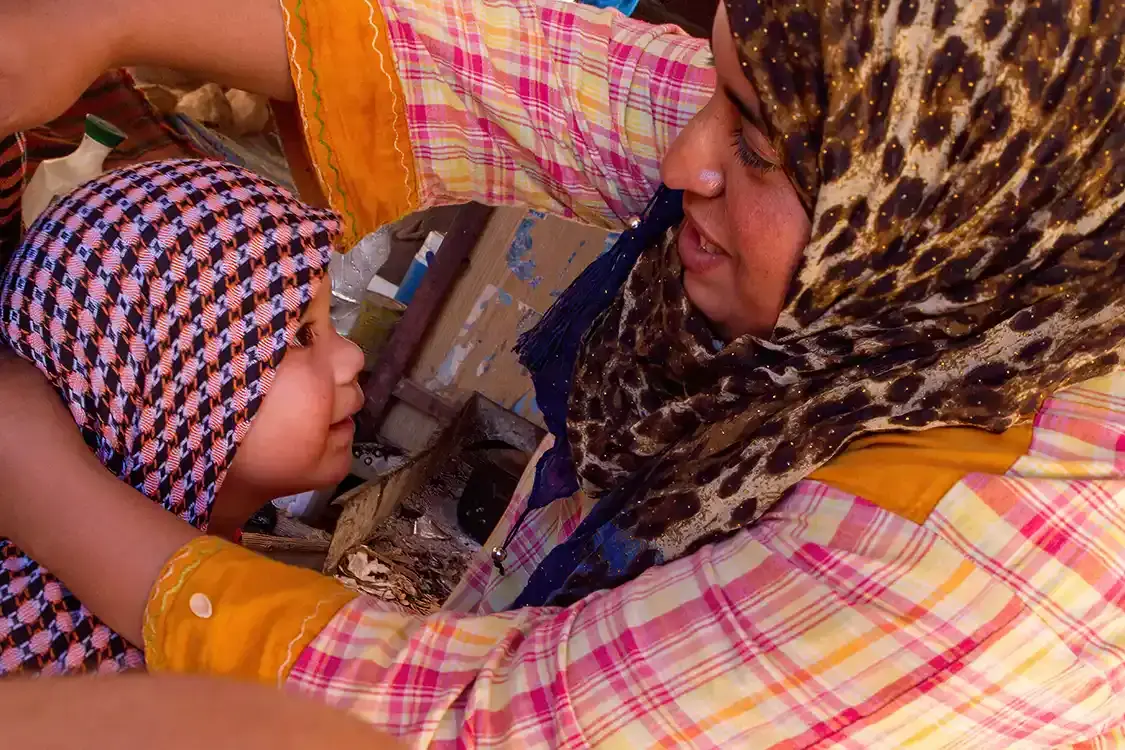
Jordan is one of the more relaxed Muslim-majority countries in the Middle East. But dressing thoughtfully remains both respectful to the local culture and a practical benefit for staying cool and comfortable. Navigating a Jordanian medina, a religious site, or a rural town is measurably better for families who dress modestly than for those who do not.
The packing rules are simple. In Amman, Aqaba, and major tourist sites like Petra, Western dress is widely accepted, and nobody will say anything about shorts or sleeveless tops. At mosques, religious sites, and in smaller conservative towns along the King’s Highway, covered shoulders and knees for both men and women are expected. At the Dead Sea and Aqaba’s beaches and resorts, swimwear is completely standard.
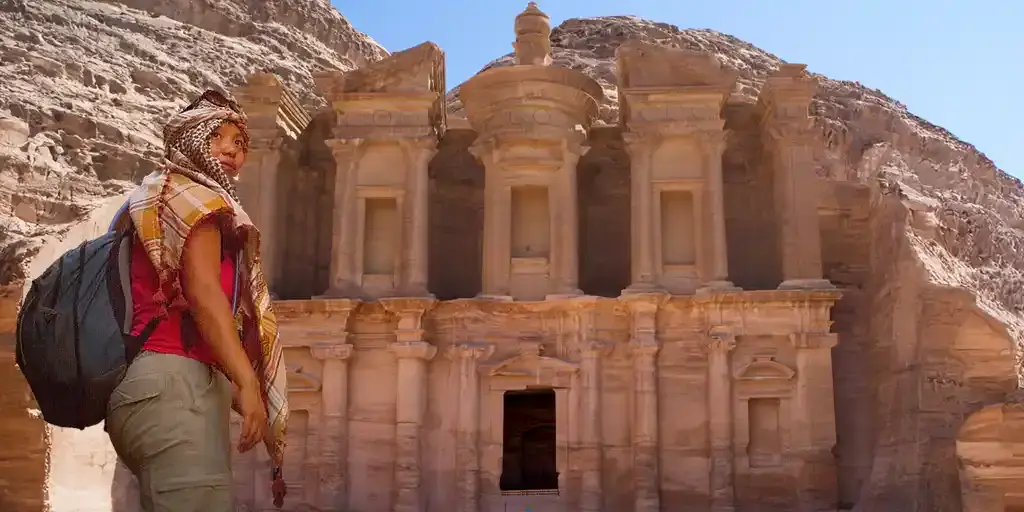
Christina’s approach to packing for Jordan is simple: one linen maxi dress handles Petra sightseeing, Amman evenings, and conservative site visits in a single item. A lightweight cardigan or headscarf in the daypack covers the head and shoulders when needed without adding too much weight to the bag. That is genuinely all the complexity the dress code requires.
For men, lightweight linen pants and a shirt cover every Jordan travel scenario comfortably. The heat in Jordan makes this the right clothing choice as well.
What To Pack For Jordan Family Travel
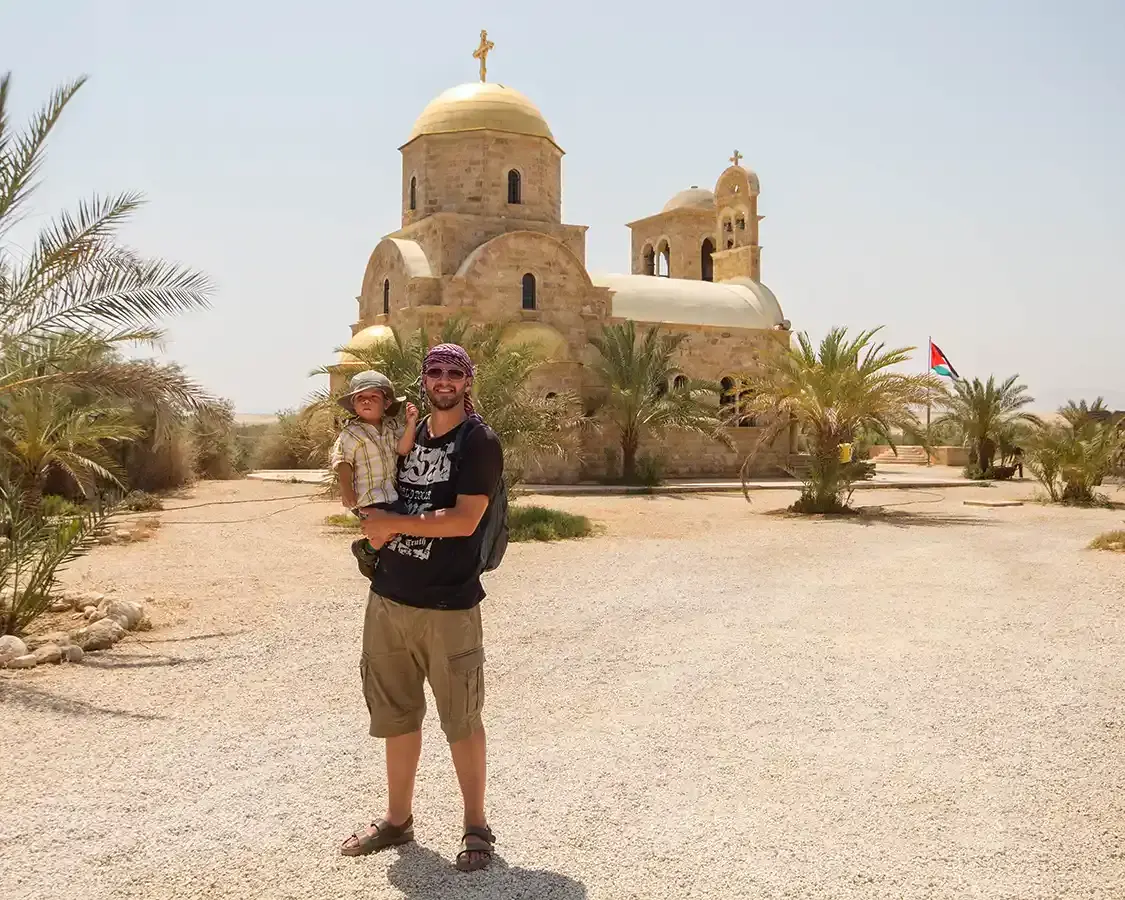
Jordan Packing List for Men and Teens
Jordan is hot in its peak travel seasons, and even spring and autumn days in the desert push well into the 80s and 90s Fahrenheit. The packing goal is the same as Morocco or Turkey: lightweight, breathable, and versatile enough to take you from a Petra morning to an Amman rooftop dinner without a costume change. Linen and moisture-wicking fabrics, not cotton.
- 3 to 4 lightweight short-sleeve shirts in linen or moisture-wicking fabric. Shirts like these can dry overnight, and they handle Jordan’s heat without turning into a wet rag by lunchtime. As a bonus, they look nice enough for a good restaurant in Amman.
- 1 to 2 lightweight long-sleeve shirts for conservative sites, cool desert evenings, and sun protection on long outdoor days. A loose long-sleeve linen shirt in the Jordan heat is genuinely more comfortable than bare arms in direct sun, and they’re appropriate for a mosque visit and other religious sites.
- 2 pairs of lightweight linen or cotton travel pants. Jeans are the wrong choice for travel in Jordan in any season outside of winter. Lightweight pants like this are ideal for every situation, from Petra to Amman to the King’s Highway.
- 1 to 2 pairs of light shorts for Aqaba beach days and resort time. Shorts like these are good for the Dead Sea resorts and in Aqaba. Less appropriate for conservative areas and religious sites.
- Bring 1 to 2 swimsuits for the Dead Sea float, Aqaba snorkeling, and resort pools.
- 2 rash guards with UPF 50 or higher protection for Aqaba snorkeling and Dead Sea days. Tops like these help keep the Red Sea sun at Aqaba at bay when on open water. A rash guard does more work than sunscreen reapplication on a long snorkeling day.
- 1 packable insulating layer, like this, for cool nights in Wadi Rum and highland evenings. The desert cold after sunset in Jordan catches most families off guard. This layer earns its place on every Wadi Rum overnight and on autumn and winter evenings in Amman and Petra.
- Underwear x7 in lightweight, quick-dry fabrics.
- Socks x7 in lightweight merino wool or wool-blend. Merino handles Jordan’s heat and manages odor across long desert days better than cotton alternatives.
Jordan Packing List for Women and Teens
Christina’s Jordan packing philosophy: versatile coverage that breathes in the heat and moves easily between tourist sites, religious spaces, and evening restaurants without requiring a bag full of context-specific items.
- 3 to 4 lightweight linen tops. Shirts like this are cool, breathable, and quick to dry.
- 2 pairs of lightweight travel or linen pants like these. They’re comfortable, stylish, and pack down to nothing.
- 1 to 2 midi or maxi dresses. Dresses like this are the most versatile item in the bag. A linen maxi dress handles Petra sightseeing, Amman evenings, religious site visits, and the cooler desert nights with equal competence. It is the single most useful item for Jordan.
- 1 pair of lightweight shorts for the Dead Sea and Aqaba resort days. Something like this is practical, stylish, and comfortable.
- 1 lightweight cardigan or head scarf for mosque visits. These are easy to pack and useful for religious sites, conservative areas, and cool evenings. This lives in the daypack rather than being worn constantly. Pull it on when entering religious sites or moving through conservative areas, and it handles the entire dress code requirement without effort.
- 1 long skirt or wide-leg trousers like these for more conservative days.
- 2 swimsuits for the Dead Sea and Aqaba.
- 2 rash guards with UPF 50 or higher, such as this one for days at the beach in Aqaba or the Dead Sea.
- 1 packable insulating layer like this one for nights in the Wadi Rum desert and cool evenings.
- Underwear x7 in lightweight, quick-dry fabrics.
- Socks x7 in lightweight merino wool or wool-blend.
Jordan Packing List for Kids Under 12
Jordan is one of the most genuinely welcoming countries we have visited. Most Jordanians love children with an openness that approaches the extraordinary. Kids are invited into shops, offered treats, and treated as welcome guests just about everywhere. Pack comfortable, light clothing for them and do not overthink it.
- 4 to 5 lightweight t-shirts like these in light to mid-range colors. White shows the red Petra sandstone dust and the Wadi Rum sand very quickly.
- 2 to 3 pairs of lightweight pants or joggers, such as these, help to keep the sun off and are comfortable and practical for religious site visits and cooler evenings.
- 2 pairs of shorts like these for the Dead Sea and days at the beach in Aqaba.
- 2 swimsuits. An extra pair means that one can dry while you’re using the other one.
- 2 rash guards with UPF 50 or higher, like these ones for Aqaba and Dead Sea. Kids absorb more sun than they realize on long days snorkeling in Aqaba. A UPF layer is the easiest sun protection decision you can make.
- 1 packable insulating layer like this for nights in Wadi Rum. The desert cold hits kids faster than adults and with less warning.
- Underwear x7 to 8
- Socks x7 to 8.
Footwear for Jordan
Footwear is one of the most vital packing decisions for a family trip to Jordan. Petra alone involves several miles of walking on ancient stone paths, sandy wadis, and carved rock steps polished smooth by two thousand years of foot traffic. The terrain at Wadi Rum is volcanic rock and deep desert sand. The salt flats along the Dead Sea shoreline are sharp enough to cut bare feet. And you will want to be comfortable at a restaurant in Amman that evening.
Get the footwear wrong, and Petra will remind you of your mistake pretty quickly.
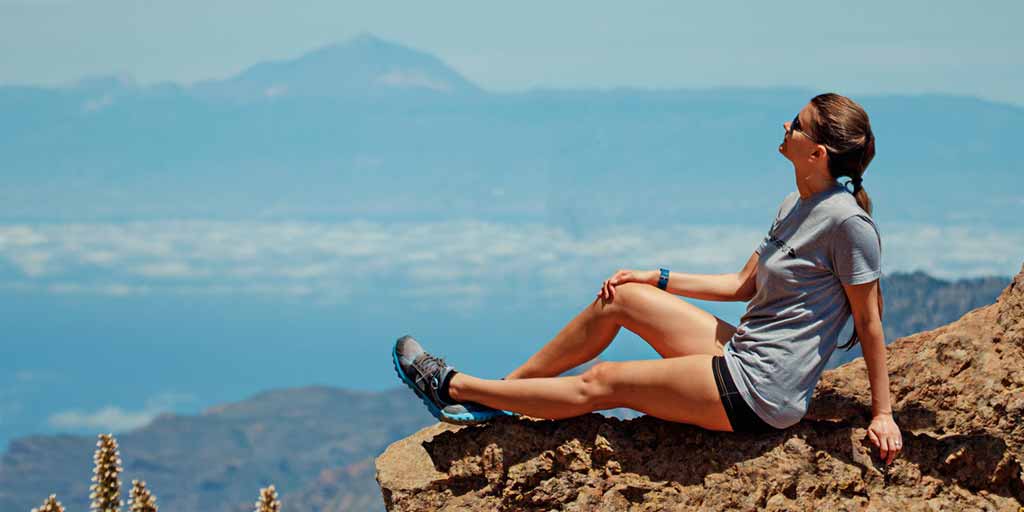
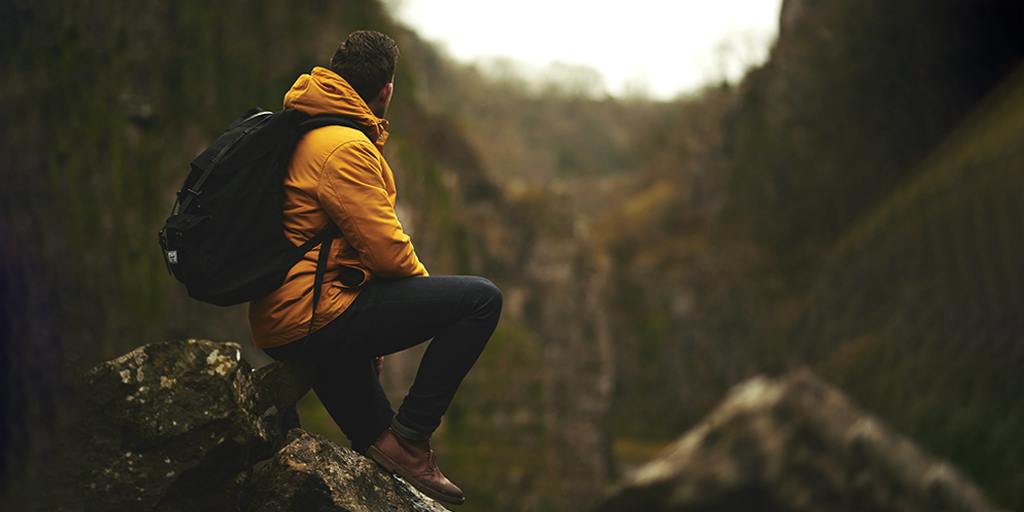
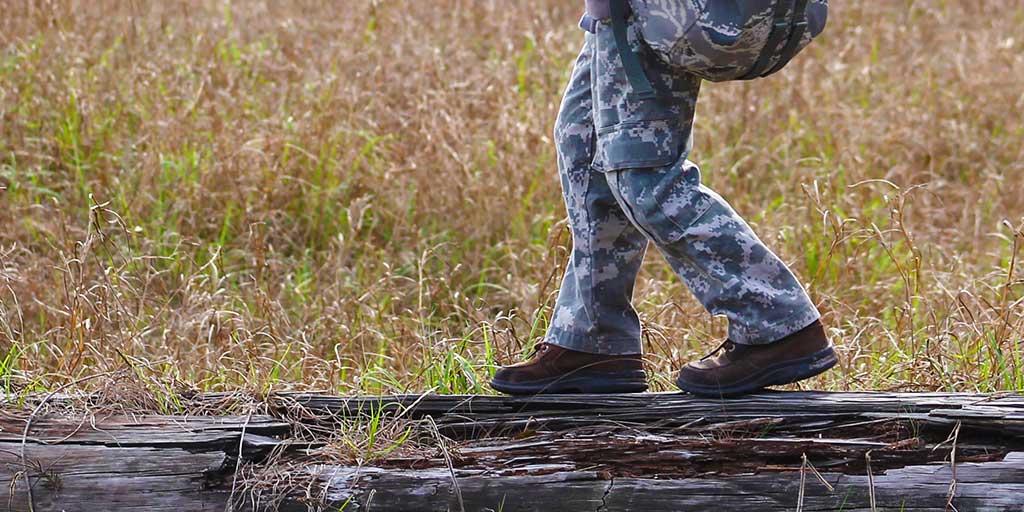
Footwear for Men, Women, and Teens
- Comfortable walking sandals with real ankle support are the primary Jordan shoe. Sandals like these are tough, comfortable, and waterproof. They handle Petra’s stone paths, Wadi Rum’s sandy terrain, Dead Sea shoreline walks, and Amman’s city streets with equal competence. They dry immediately after a Dead Sea float, take abuse without complaint, and are comfortable enough for a full day of walking in Jordan heat. Here’s a link to the women’s version of the same sandals.
- A good pair of trail runners or supportive walking shoes is a second option for longer hikes, rougher Wadi Rum terrain, and cooler days. The hike to Petra’s High Place of Sacrifice and Wadi Rum scrambles benefit from closed-toe shoes and a proper grip. Here’s the pair I use, and these are the ones that Christina wears.
- A pair of flip-flops or slip-ons for hotel use and the Dead Sea and Aqaba resort pools. Do not rely on flip-flops for walking at Petra or Wadi Rum, you’re likely to hurt yourself.
Footwear for Kids Under 12
- A pair of comfortable trail runners or running shoes. Something like this is durable, lightweight, and comfortable. They protect toes on Petra’s uneven stone, handle Dead Sea and Aqaba water play, dry instantly, and are machine-washable after the inevitable red sandstone dust episode. These are the most capable kids’ shoes for Jordan terrain.
- A pair of waterproof hiking sandals like these will be your everyday footwear. Comfortable, breathable, and durable for most outings and light walks.
Sun Protection for Jordan
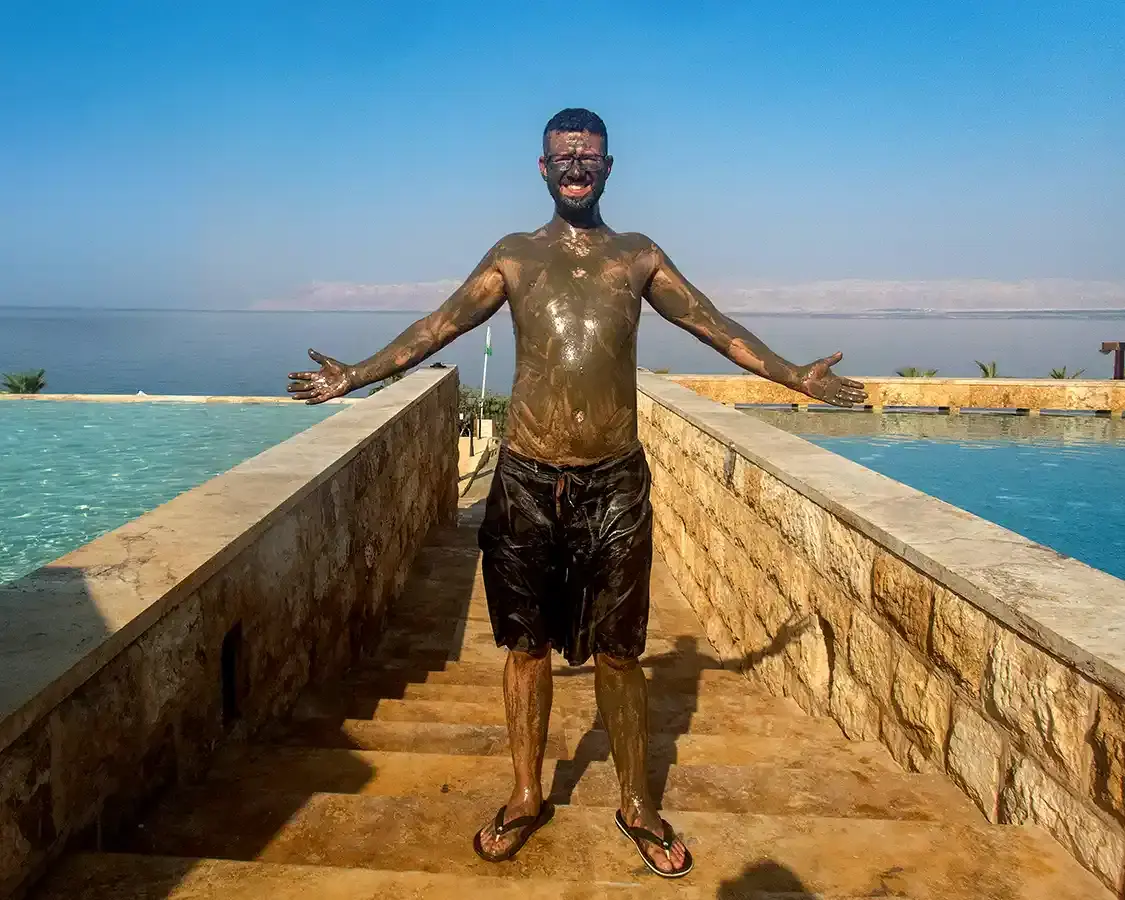
Jordan sits at a latitude that produces serious UV exposure year-round, and the open terrain at Petra, Wadi Rum, Jerash, and the Dead Sea means hours of direct sun with minimal shade. The combination of high UV, reflective pale stone at Petra, and reflective white salt at the Dead Sea makes sun protection a genuine priority rather than a routine precaution.
- Bring broad-spectrum sunscreen SPF 50+ for the whole family, and bring enough for the trip: ThinkSport Everyday SPF 50+ is our go-to. Pharmacies in Amman are well stocked. Outside the capital, options thin. Stock up before leaving Amman.
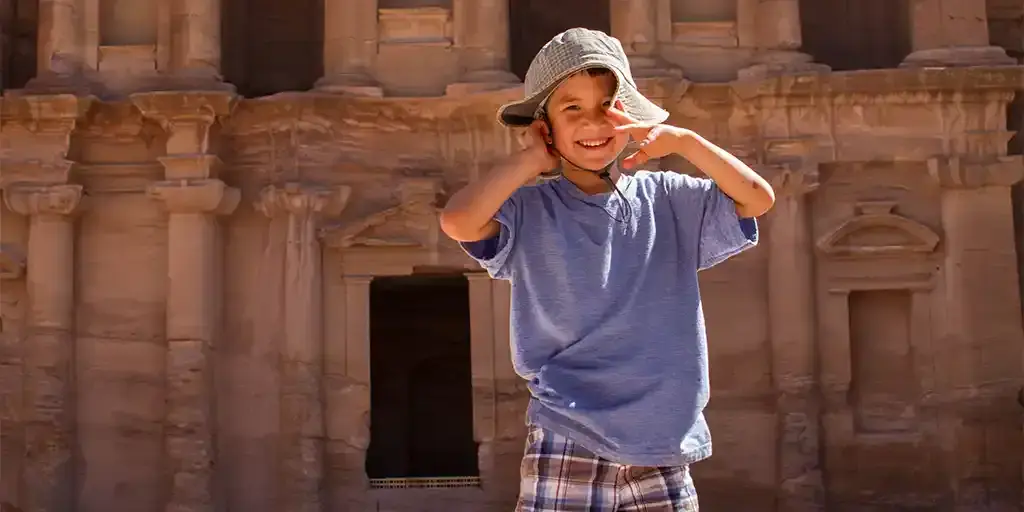
- A wide-brim sun hat with UPF 50 or higher for men: Tilley LTM6 Broad Brim Hat is a great choice. A full morning at Petra or a Wadi Rum afternoon without a hat is an experience that leaves a lasting impression on the back of your neck. This is the wide-brim sun hat that Christina doesn’t leave home without. This is the sun hat we typically pack for the kids.
- 1 pair of polarized sunglasses for all family members. The glare off Petra’s rose-red sandstone, the white salt crust of the Dead Sea, and the open desert in Wadi Rum is sustained and intense.
Gear and Accessories
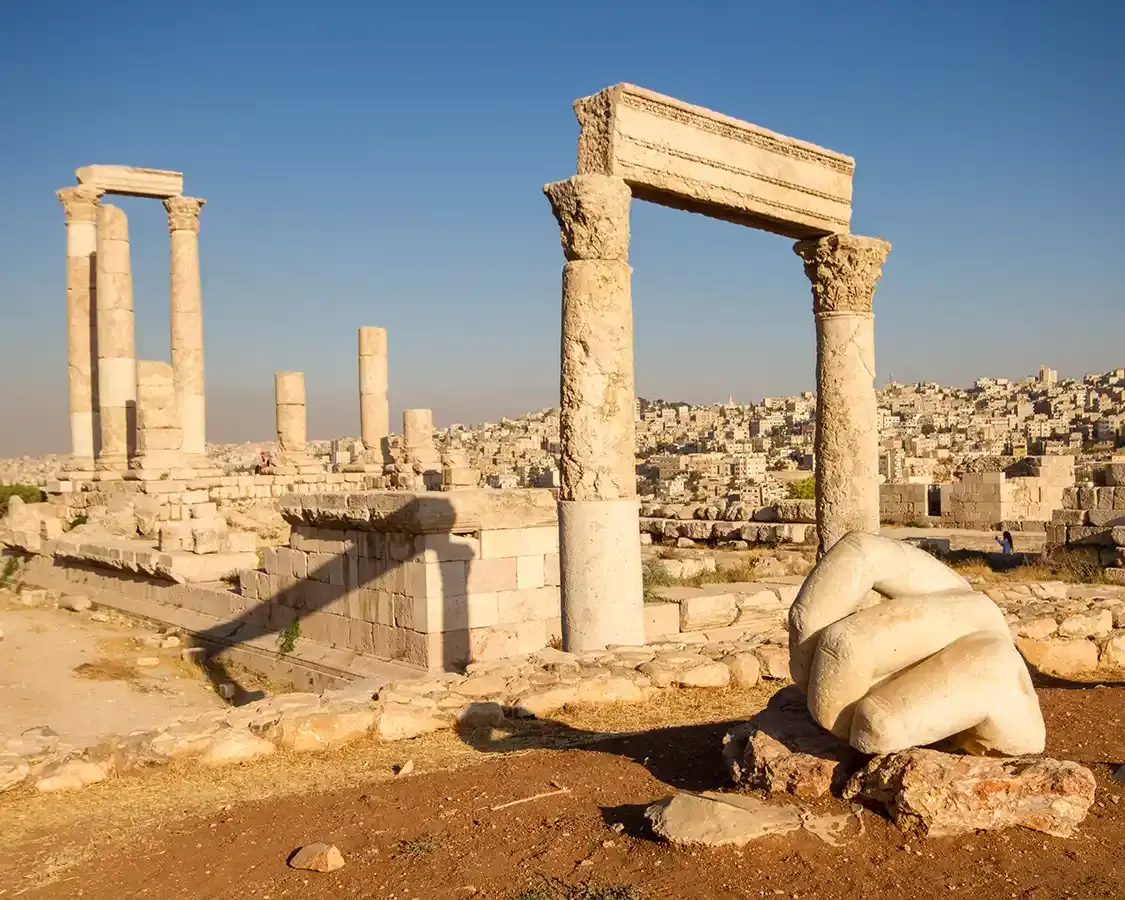
Bags
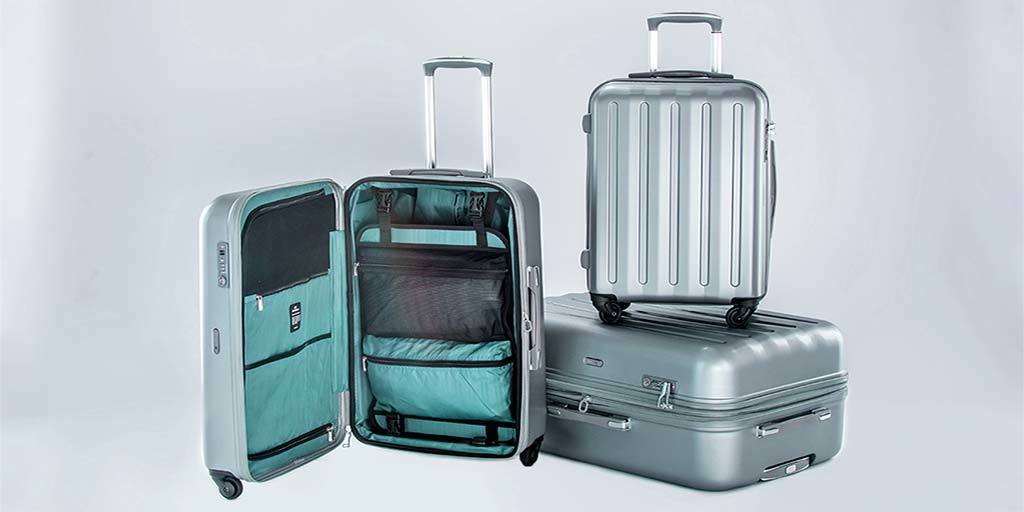
1packable daypack for long days in Petra and Wadi Rum. Something light and packable like this will hold your water, camera, and sun protection and pack down to nothing in your luggage.- 1 small crossbody or sling bag for days in the cities like Amman and Madaba, and exploring the markets. I like this sling bag. It keeps both hands free in the Amman souks and offers easy access to documents and valuables in crowded areas.
- 1 set of packing cubes for each family member to organize clothes and accessories across Jordan’s key destinations. I use this set, which can be color coordinated to avoid mixing clothes up in a crowded family luggage.

Tech and Power
- 1 portable power bank for each family member. A powerbank like this one will give you two full charges per device to make sure you never miss a photo.
- 1-2 power adapters per family. Jordan uses Type B and Type D two-pin round outlets at 230V (50Hz). North American travelers need a universal adapter. I recommend a universal one like this that includes USB and USB-C ports.
- 1 good-quality camera for snapping photos. This is the one that I use. I’d also recommend bringing a durable, compact camera for hiking and underwater shots in the pool and the Red Sea (avoid bringing one into the Dead Sea). The Olympus Tough series is portable, shock-resistant, and waterproof up to 90 feet (30m).
Snorkeling and Water Gear
The Red Sea in Aqaba is one of the finest snorkeling and diving destinations in the Middle East, with coral reefs accessible directly from the beach. If your Jordan itinerary includes Aqaba, these items belong in the bag.
- A snorkel mask set if possible. Rental masks from beach operators are often ill-fitting and fog at inconvenient moments. A good quality mask like this one that you are comfortable with is worth the suitcase space for an Aqaba trip. I do not recommend the full-face snorkel masks that are often advertised. They can be dangerous if used improperly. This snorkel set for kids comes complete with fins.
- Reef-safe sunscreen specifically for Aqaba. The Gulf of Aqaba’s coral reef ecosystem is precious and regular sunscreen is harmful to it. Apply reef-safe formulations before entering the water. You can read about my the importance of reef-safe sunscreen and see my favorite brands here.
- A dry bag for days on the boat or the beach. Something like this is useful for keeping electronics and documents dry on boat trips and during a visit to the Dead Sea.
- 1 quick-dry towel per person. A quick dry towel like this is perfect for days at the Dead Sea and at the beach in Aqaba. A quick-dry towel in every daypack covers all of these without adding much weight.
Reusable Water Bottles
- 1 water bottle per person. Tap water in Jordan is technically safe in cities, but the taste varies, and the quality outside the main cities is inconsistent. A filtered bottle like this one removes the uncertainty, reduces plastic waste, and saves money over an 8-day trip in a country where bottled water is the default.
Toiletries: What to Bring and What to Leave at Home
Bring From Home
- Sunscreen SPF 50+ for the whole family and enough for the full trip. Pharmacies in Amman and Madaba are well stocked. Outside the main cities, particularly in Wadi Rum and along the King’s Highway, options thin out considerably.
- Insect repellent. Jordan is not a high-risk insect destination, but the Jordan Valley and areas around the Dead Sea have mosquitoes, particularly in spring and autumn evenings. This is the repellent I recommend for adults, and this is a DEET-free one that’s good for young children.
- Prescription medications with a doctor’s note for anything controlled.
- Children’s paracetamol and ibuprofen in familiar brands.
- Oral rehydration salts for summer travel and long desert days. Jordan’s heat dehydrates children faster than many parents expect.
- Allergy medications.
- Hand sanitizer x2. Street food and market exploring involve a lot of hands.
- Wet wipes in multiple packs. Invaluable on desert days, at Petra snack stops, and with children in general.
Buy in Jordan
- Shampoo, conditioner, body wash, and toothpaste in Amman before heading south. Cozmo and Carrefour supermarkets in Amman are excellent. In Petra, Wadi Rum, and along the King’s Highway, selection thins and prices rise.
- Basic medications. Jordanian pharmacies in cities are well-stocked, and pharmacists speak English and are genuinely helpful.
Documents, Money, and Admin for Family Travel in Jordan
- Valid passports for all family members with a minimum of 6 months’ validity beyond your travel dates.
- Purchase a Jordan Pass before you travel. The Jordan Pass covers your visa on arrival fee and entrance to over 40 attractions, including Petra and Jerash. It is significantly cheaper than paying separately and saves time at borders and site entrances. Available at jordanpass.jo.
- Jordanian Dinars in cash. Jordan uses the Jordanian Dinar (JOD), one of the most stable currencies in the region. ATMs are available in Amman, Petra’s Wadi Musa town, and Aqaba. Cash is preferred or required at smaller restaurants, local markets, and the Wadi Rum camp operators. Withdraw adequate amounts before leaving each major city.
- Travel insurance documents, printed and digital. Medical care in Amman is good. In more remote areas, including Wadi Rum and along the King’s Highway, facilities are very limited. I use Safetywing and World Nomads for most of my family’s travel insurance.
- Printed and digital copies of accommodation confirmations, tour booking references, and emergency contacts.
- A driver’s license and an international driving permit if you plan to self-drive. Jordan’s roads outside cities are generally well-maintained, but driving in Amman requires confidence in chaotic urban traffic.
What to Leave at Home When Traveling in Jordan
- Denim jeans for spring, summer, and autumn travel. They are heavy, slow to dry, and genuinely miserable in 95 degrees Fahrenheit (35°C) at Petra. They are acceptable for winter travel and cool Amman evenings.
- Revealing clothing in conservative areas and religious sites. You will not need it anywhere except the Dead Sea resorts and Aqaba’s beach hotels, and those environments provide context for swimwear rather than calling for it everywhere else.
- Expensive jewelry. Jordan is a safe country, but Amman’s city markets and crowded tourist areas attract petty theft. Wearing valuable items draws unnecessary attention.
- Full-size toiletries. Amman has excellent supermarkets and pharmacies. Decant what you need for the first few days and restock on arrival.
- High heels and flip flops. Heels, dress shoes, and fragile sandals will not survive the Petra experience, and you will know this within the first mile.
Quick Reference: Clothing Quantities per Person
Based on an 8-day Jordan itinerary covering Amman, northwest Jordan, Petra, Wadi Rum, Aqaba, and the Dead Sea.
| Item | Men | Women | Teens | Kids |
|---|---|---|---|---|
| Lightweight t-shirts | 3-4 | 3-4 | 3-4 | 4-5 |
| Long-sleeve shirt | 1-2 | 2-3 | 1-2 | 1 |
| Light pants | 2 | 2 | 2 | 2-3 |
| Shorts | 1-2 | 1-2 | 1-2 | 2 |
| Headscarf or wrap | — | 1-2 | 1-2 | — |
| Packable insulator | 1 | 1 | 1 | 1 |
| Swimsuit | 2 | 2 | 2 | 2 |
| Rash guard | 2 | 2 | 2 | 2 |
| Underwear | 7 | 7 | 7 | 7-8 |
| Socks | 7 | 7 | 7 | 7-8 |
Travel Resources for Families Visiting Jordan
For practical planning, safety considerations, and logistics, these dedicated guides provide deeper support for families interested in travel to Jordan.
Frequently Asked Questions
Jordan is one of the safest countries in the Middle East and one of the most welcoming to families with children. We traveled with a one-year-old and a three-year-old, and the warmth directed at our children by Jordanians everywhere we went was genuinely extraordinary. The country is politically stable, crime is low by regional and global standards, and tourism infrastructure is well-developed. Check your government’s current travel advisory before traveling, as regional conditions can change, but Jordan has maintained a strong safety record for family tourism.
March through May and September through November are the peak seasons for family travel and the most comfortable in terms of temperature. Spring brings wildflowers and pleasant hiking conditions. Autumn brings comfortable temperatures and lower crowds than spring. Summer is possible, but the heat in the Jordan Valley, at the Dead Sea, and in Wadi Rum regularly exceeds 104 degrees Fahrenheit (40°C) and requires early morning starts and significant adjustments to daily schedules. Winter is mild and quiet, though some highland areas can be cold.
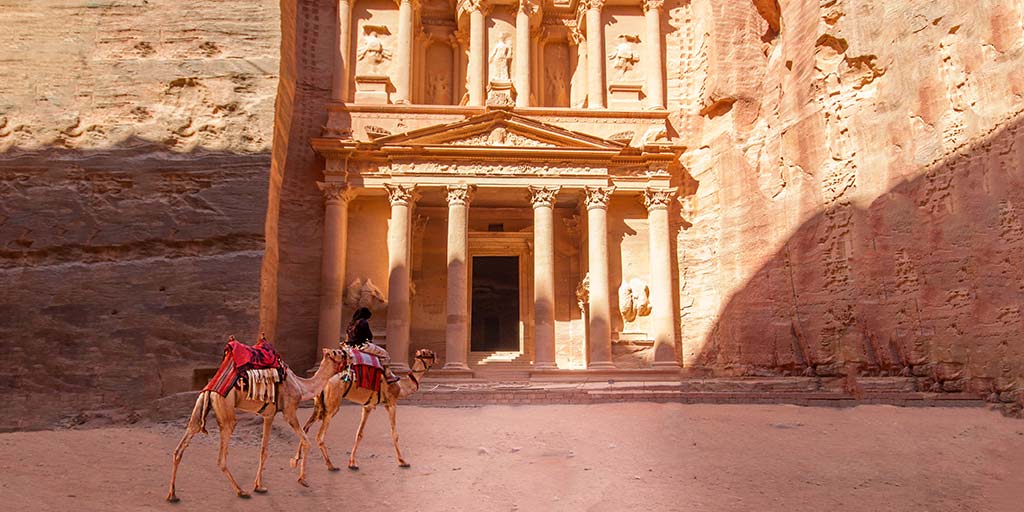
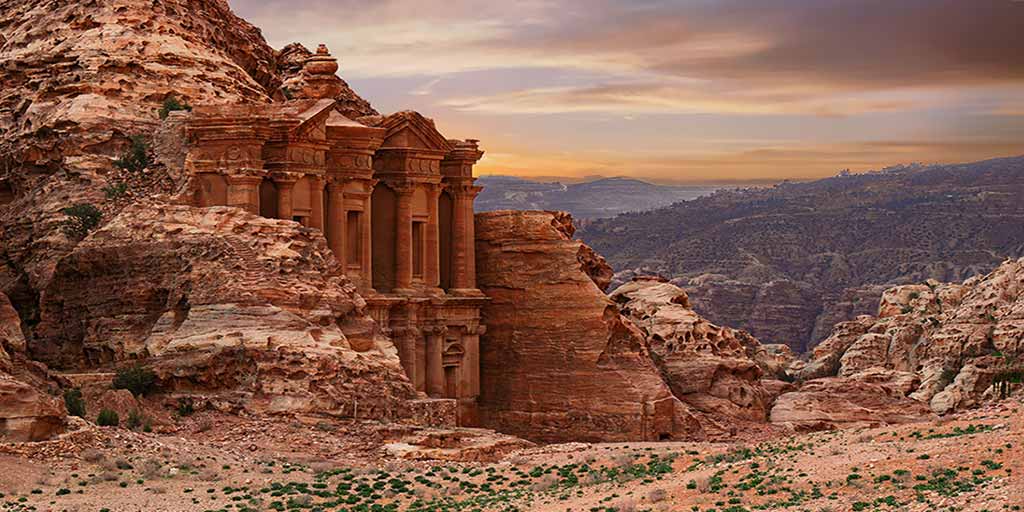
Petra is significantly more physical than most visitors anticipate. The walk from the visitor center to the Treasury through the Siq is about 1.2 miles (2 km) each way. Reaching the Monastery, Petra’s other major monument, involves an additional 3,000 rock-carved steps. A full day at Petra covering the main sites involves 5 to 10 miles of walking on uneven terrain. Good footwear is genuinely essential. Young children who cannot walk the full distance will need to be carried for significant stretches. Horse-drawn carriages are available from the entrance, and horses can be hired for the final approach to the Treasury.
The Jordan Pass is a pre-purchase tourist package that covers the visa on arrival fee and entrance to over 40 Jordanian attractions, including Petra, Jerash, Wadi Rum protected area, and more. For most families visiting on a standard 8-day itinerary, it is significantly cheaper than paying for attractions individually and saves time at entrances. Purchase it at jordanpass.jo before travel. The visa savings alone typically justify the cost for visitors who pay visa fees on arrival.
Not throughout Jordan, but in specific contexts. At mosques, religious sites, and in smaller conservative towns along the King’s Highway and in rural areas, covered shoulders and knees for both men and women are expected and appreciated. In Amman, at tourist sites like Petra, and at beach destinations like Aqaba and the Dead Sea, the dress code is relaxed and Western clothing is widely accepted. A lightweight scarf in the daypack handles every situation where additional coverage is needed without requiring specific conservative clothing for the whole trip
Amman has excellent shopping options, including Cozmo, Carrefour, and several outdoor gear stores. Stock up on anything you are uncertain about before leaving the capital. In Wadi Musa (the town for Petra) there are basic supplies and souvenir shops but limited gear. In Wadi Rum, shopping options are essentially nonexistent. In Aqaba, there are reasonable shopping options. The general rule: buy in Amman anything you are not certain you packed.
Final Word on Packing for Jordan Family Travel
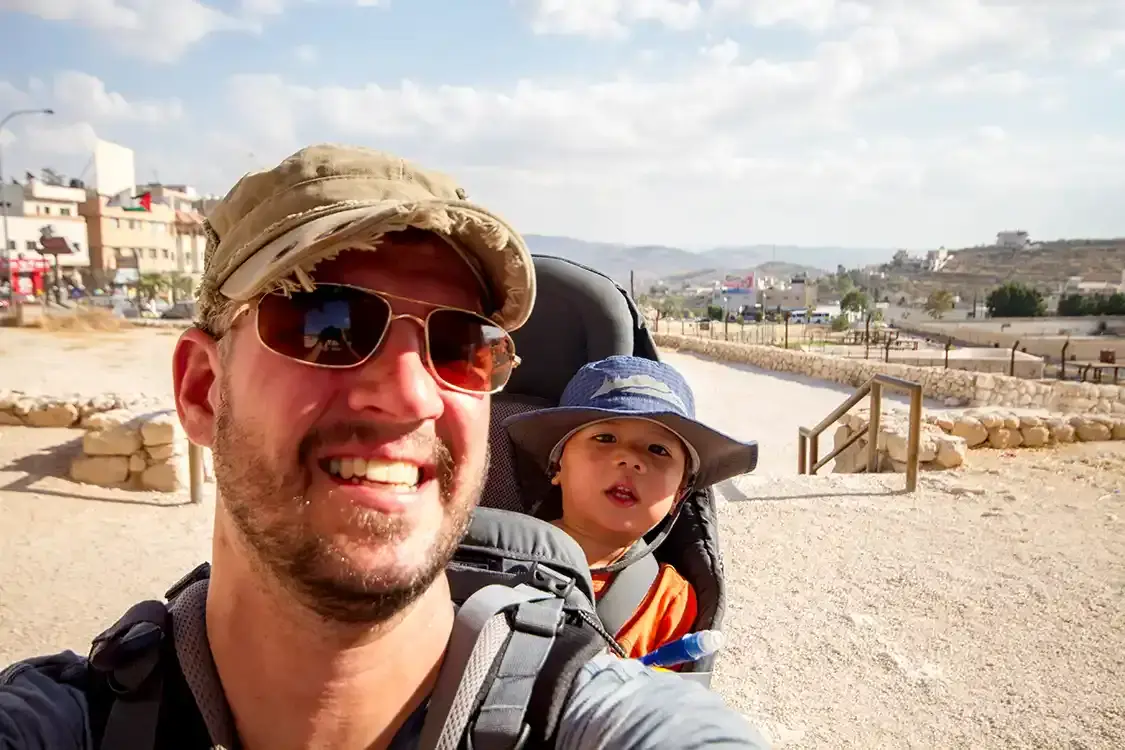
Dylan was one year old when we visited and remembers none of it consciously. But we have told him the stories so many times that the Bedouin camp under the Milky Way and the ride to the Petra Monastery on horseback have become part of his identity.
That is what Jordan does to families. Cohen was performing Twinkle Twinkle in a two-thousand-year-old amphitheater for an audience of three while the rest of the ancient city of Umm Qais stretched out around him. Floating on the Dead Sea, the boys were unable to understand why their bodies kept bobbing back to the surface, no matter how hard they tried to sink. Lying on our backs in the Wadi Rum sand watching the Milky Way in an ink-black sky.
The families who arrive in Jordan with the right linen layers for Petra’s heat, the right insulating layer for the desert night, the right shoes for the ancient stone paths, and the right sunscreen for the open desert get to be fully present for all of it. The ones who do not spend the first Petra afternoon realizing that their footwear was a serious miscalculation.
Pack light. Pack smart. Leave room in the bag for the things you will buy at the markets in Amman and Aqaba. And go. Jordan is waiting.
This page is updated as new regional guides and planning resources are published. Looking beyond Jordan? Explore my International Family Travel Guide.
Affiliate Disclosure: Some links in this article are affiliate links. If you purchase through these links, we may earn a small commission at no extra cost to you. We only recommend products we have used, tested, or researched thoroughly. Quality always comes before commission.