
Planning a family trip to Iceland? Visas, driving, eSIMs, safety, and regional tips from Reykjavik to the Westfjords. Everything families need before they go.
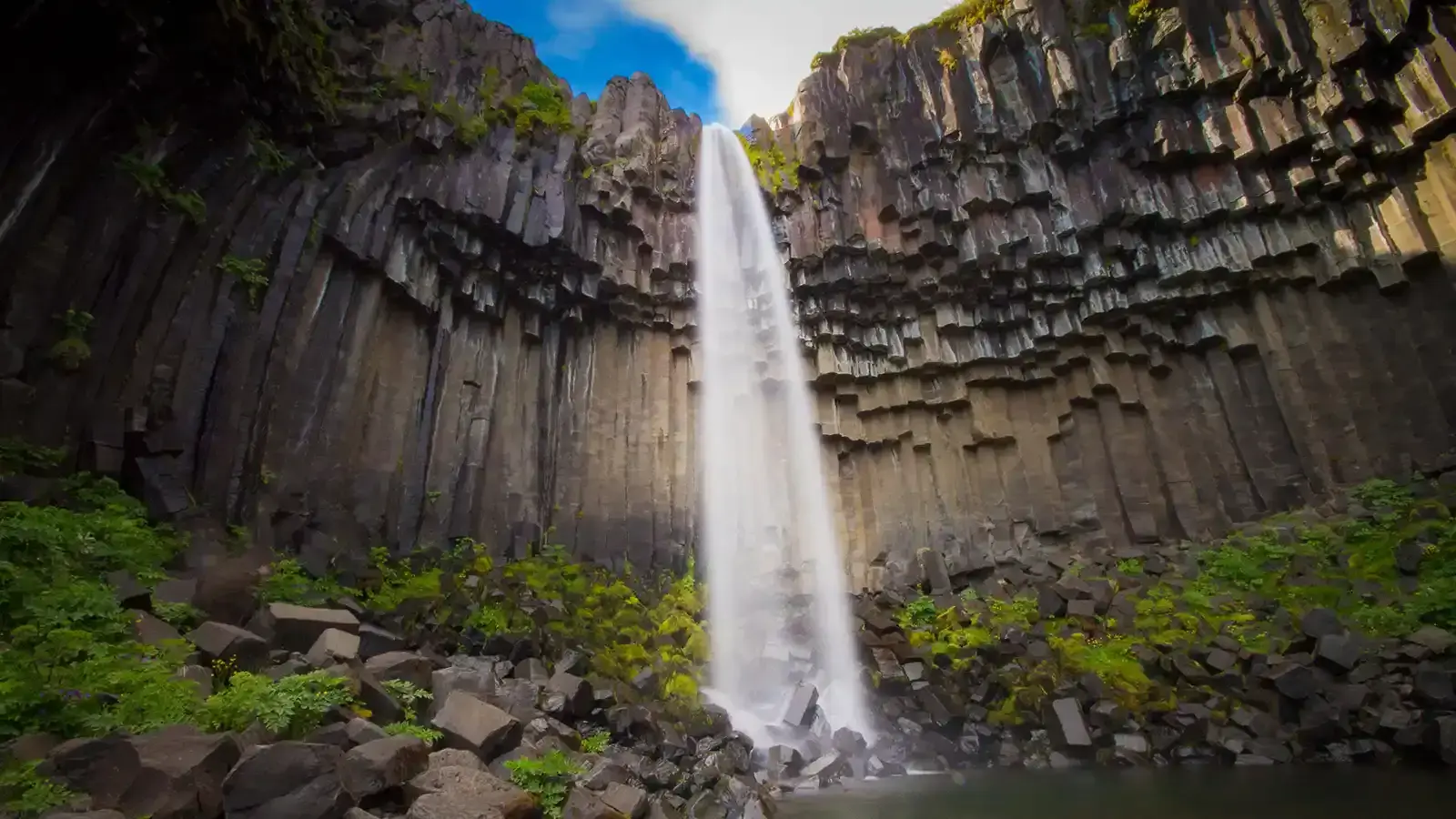
People ask me all the time which country surprised my family the most. Iceland is not on that list because Iceland does not surprise you. It overwhelms you. It was far more grand than I had ever imagined, emptier than I thought possible, and more beautiful than anything a photograph has ever managed to communicate.
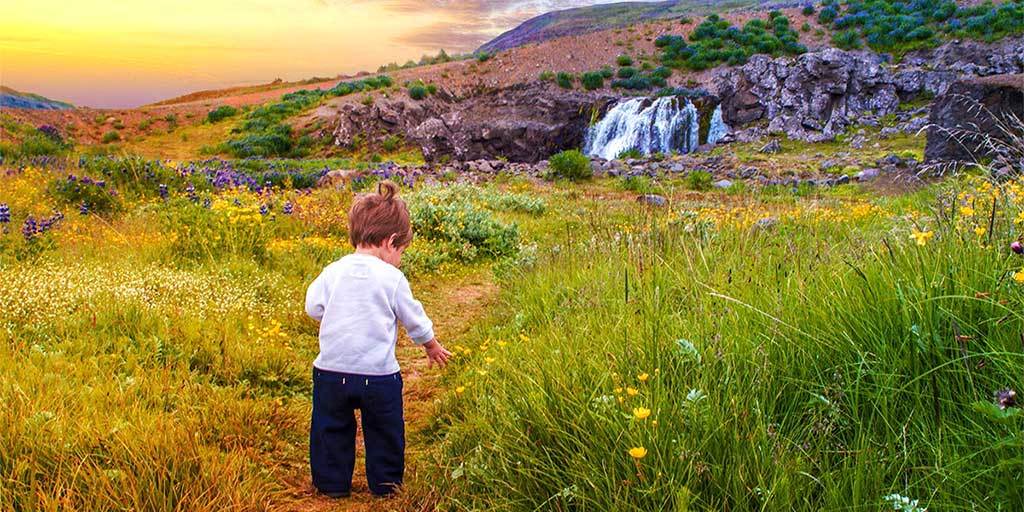
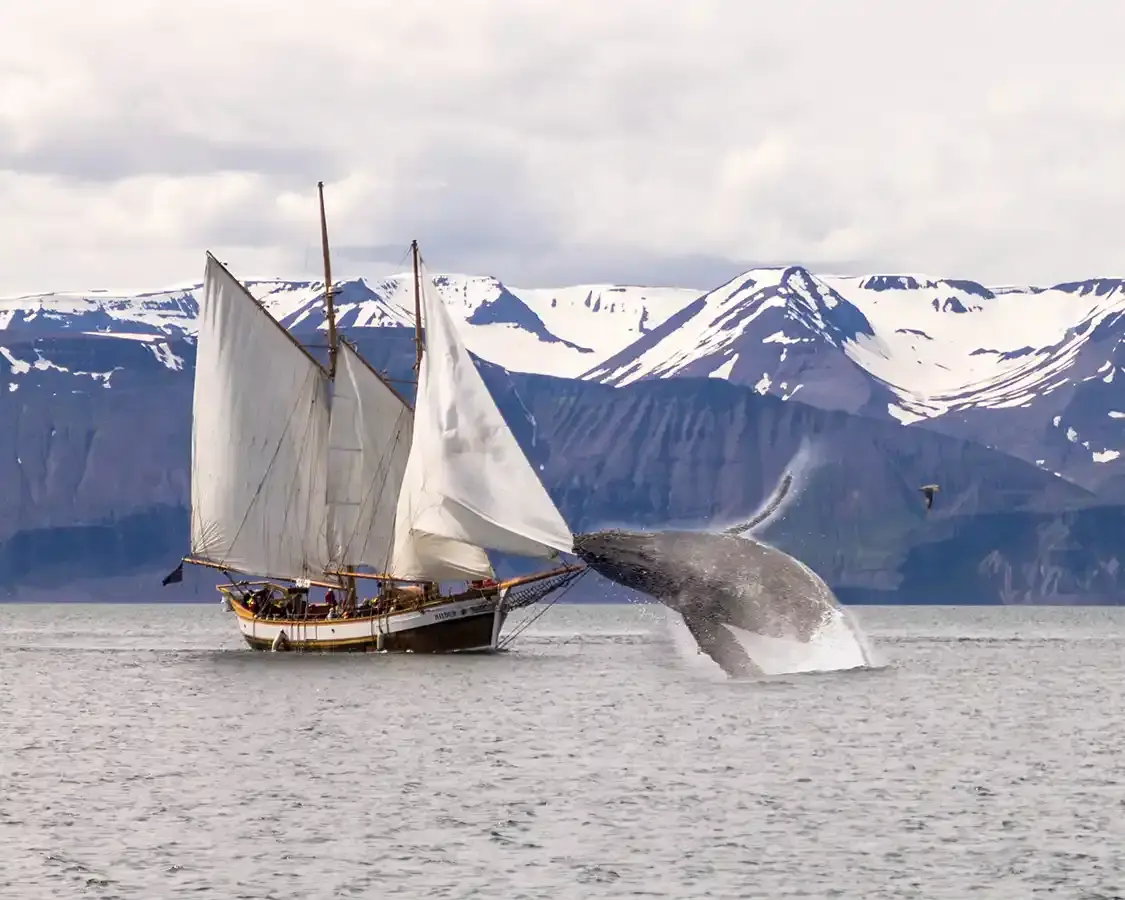
Christina and I first traveled to Iceland with a one-year-old back in 2012. An epic two-week road trip around the country that truly opened our eyes to the wonders of adventure family travel. During that journey, we stood nose to beak with puffins on a dizzyingly tall cliff at the westernmost edge of Europe. I have watched my toddler fall completely silent as the massive body of a Blue Whale drifted beneath the schooner we were on. Iceland is a small country, yet it’s the one place where the enormity of nature truly seems to settle in.
Iceland is one of the safest countries in the world, wildly family-friendly, and logistically more approachable than its dramatic landscapes may suggest. What it is not is cheap. And it is not small, logistically or experientially. Understanding both of those things before you arrive will save you a lot of frustration and help you build a trip that earns every dollar you put into it.
Here is everything your family needs to know before you travel to Iceland together.
At a Glance: Quick Facts for Family Travel in Iceland
🗣 Language: Icelandic. English is spoken by almost everyone, everywhere in the country.
💰 Currency: Icelandic Króna (ISK). Credit cards are accepted almost universally. Cash is rarely needed, and in some places, not accepted.
🚗 Driving: Right-hand drive. No IDP required. Road networks in Iceland are excellent. Winter driving can be challenging due to the weather. F-Roads are only accessible with 4WD vehicles.
🔌 Power Adapter: Type C and F (European standard). 230V. (Get one here)
🆘 Emergency: Police: 444 1000 | Ambulance/Fire: 112 | Tourist rescue app: 112 Iceland
💧 Tap Water: Safe to drink everywhere. Some of the best tap water in the world.
🌤 Best Time to Visit: Summer (June to August) for midnight sun and access to F-roads. Winter for Northern Lights.
Visas and Entry Requirements for Travel in Iceland
Table of Contents
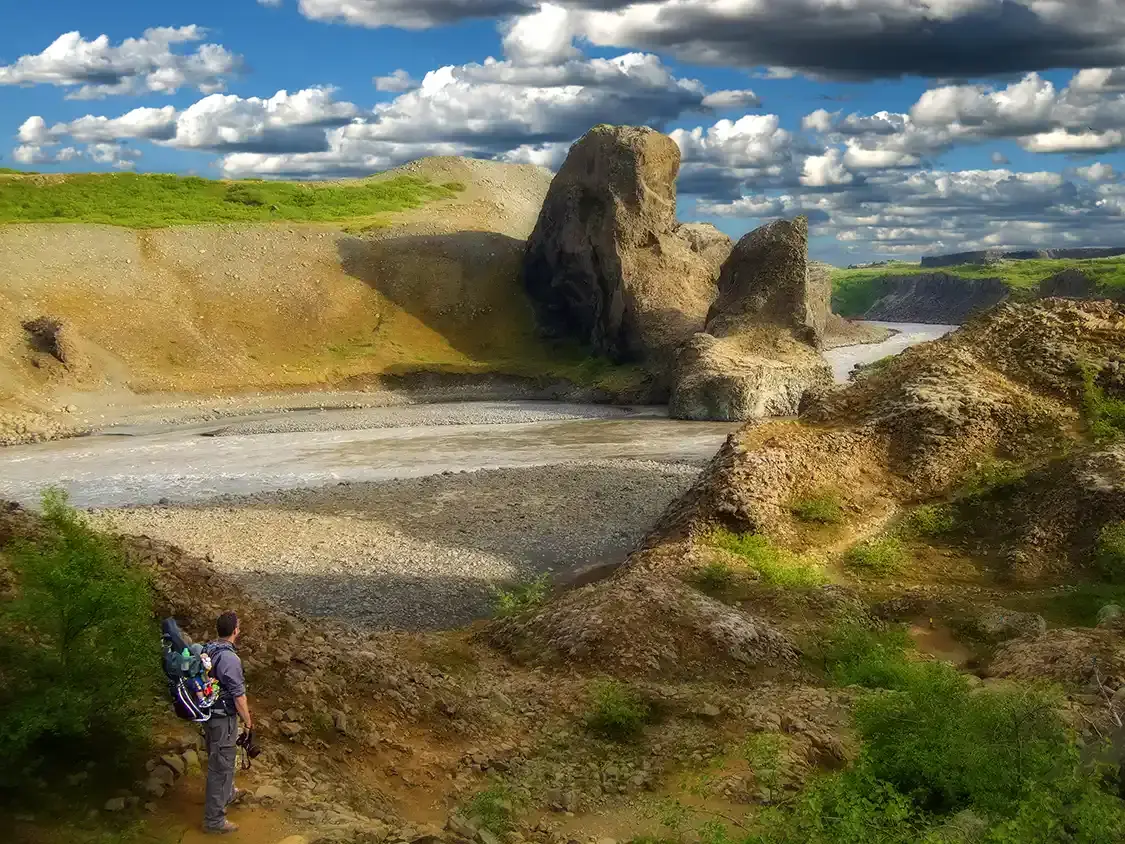
Canadian and US citizens do not need a visa for Iceland. Iceland is part of the Schengen Area, and visitors from both countries can stay for up to 90 days in any 180-day period without any paperwork or fees. UK and most EU passport holders fall under the same rules. Your passport needs to be valid for at least three months beyond your planned departure date from the Schengen Area, and it must have at least one blank page.
Two things worth knowing before your trip to Iceland. First, the Entry and Exit System (EES), launched in October 2025, now requires biometric registration for non-EU travelers at Schengen borders. You do not need to do anything in advance. Your facial image and fingerprints are collected on arrival. It adds a few minutes to the border process and is worth factoring into your first-day plans. Second, the European Travel Information and Authorization System, known as ETIAS, is expected to launch in late 2026. It will require a small fee and an online application before travel for visa-exempt visitors. It is not in effect yet, but worth checking before you book if your trip falls in that window.
Getting Around Iceland with Kids
Iceland is not a single destination country. There are a few places in the world where the phrase “It’s the journey, not the destination” is more applicable. Many visitors arrive in Reykjavik, spend three days exploring the Golden Circle and touring the city, and then leave. Those people are missing the big picture.
Renting a Car and the Ring Road
Almost every family that wants to travel through Iceland properly rents a car.
The Ring Road, also known as Highway 1, circles the entire island and connects every major destination in the country. It is well-maintained, clearly marked, and genuinely one of the greatest road trip routes in the world. For the Ring Road and the main tourist circuit, a standard two-wheel drive vehicle handles everything without issue. The moment you leave the main highway for the interior, though, the driving rules change.
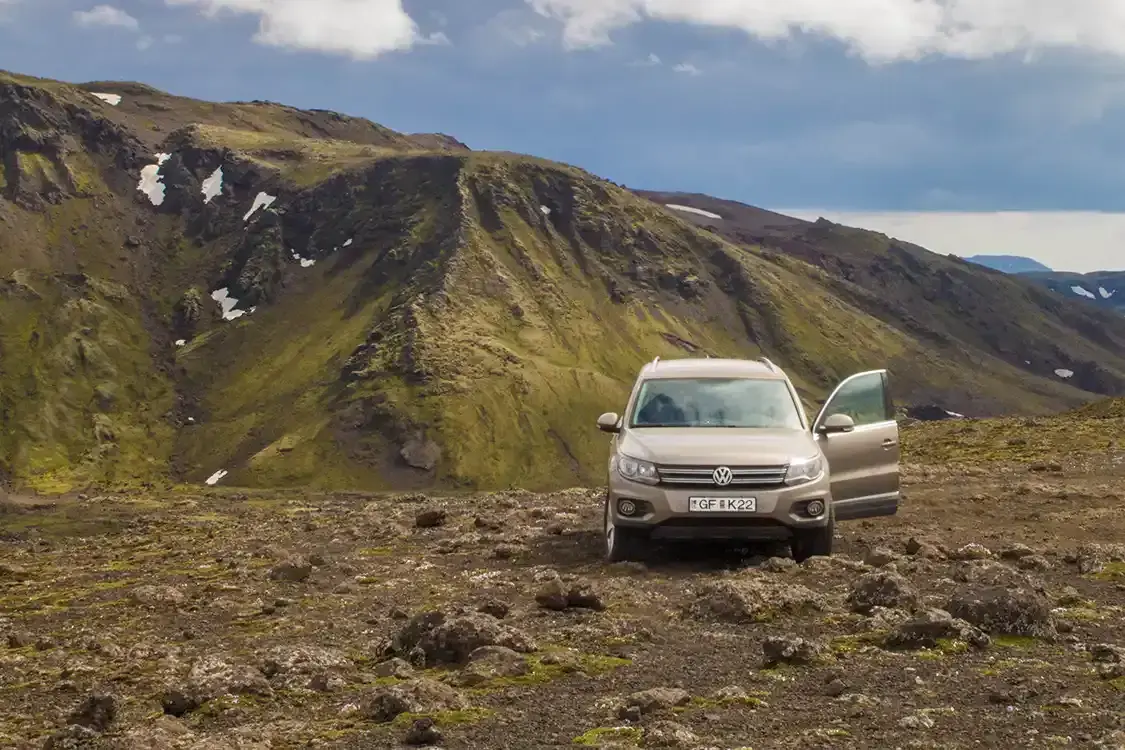
F-roads are unpaved mountain tracks that cross rivers, ford streams, and run across loose gravel fields through remote terrain. They require a four-wheel drive vehicle. Most rental companies will void your insurance if you take a vehicle not classified for that specific use onto an F-road, and that is not a technicality they will overlook if something goes wrong.
If you plan to go to the Highlands, the Askja Caldera, or Landmannalaugar, book a proper 4WD from the start.
👀 HEADS UP: F-Road Insurance
Most rental car companies in Iceland will not cover damage that occurs on F-roads unless you have specifically booked a 4WD vehicle and purchased confirmed F-road coverage. Read your rental agreement carefully before you leave the lot. Damage from river crossings, rough tracks, or getting stuck in the interior is not covered by standard policies, and repairs in Iceland are not inexpensive.
Car Seats and Driving Rules in Iceland
Iceland follows standard European child restraint laws. Children must be in an appropriate car seat or booster based on their height and weight. Rental companies generally have car seats available, and the supply is more reliable here than in many other countries.
That being said, it’s good practice to confirm availability when you book rather than waiting until you pick up the vehicle. If your child has a car seat they know and can sleep in comfortably on long drives, bringing it from home will serve you well on a road trip of this length.
You do not need an International Driving Permit to drive in Iceland. Your standard license from Canada, the USA, the UK, or Australia is accepted. Traffic drives on the right-hand side of the road. Speed cameras are common on all road types, and speed limits are strictly enforced. Headlights must be on at all times, day and night. Livestock, especially sheep, can cross the road without warning throughout the country, so slow down and give them space.
Getting Around Reykjavik
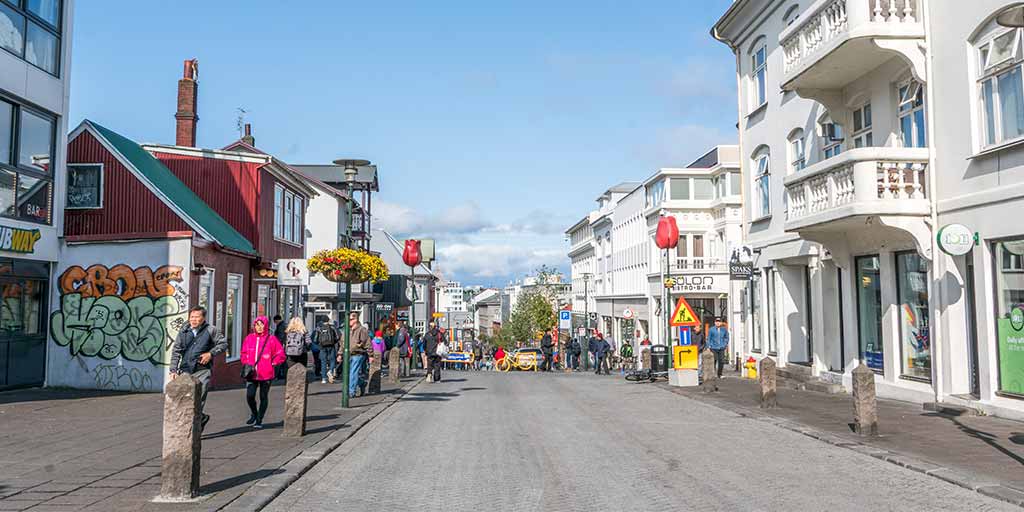
Reykjavik is a compact and walkable city. Most of the main attractions, such as Hallgrimskirkja, the Old Harbor, the Sun Voyager, and Laugavegur, are within easy walking distance of each other. If you want to travel further in the city, Reykjavik has an excellent bus system. Most families find it easier to keep the rental car for the duration of the trip and drive rather than navigate public transit with kids and gear.
Staying Connected While Traveling In Iceland
Iceland has strong mobile coverage in all urban areas, along most of the Ring Road, and through the most popular places to visit in the country. Coverage drops significantly in the interior Highlands and in some parts of the Westfjords.
An eSIM bought through a provider such as Airalo, which connects to local Icelandic networks, is the most convenient option and costs a fraction of international roaming charges. Buy and install it before you travel so it is ready to activate the moment you land. A 10 GB plan is usually a comfortable starting place for two weeks of navigation, messaging, and reasonable photo uploading across one device running as a hotspot for the family.
One practical note: download your offline maps before you leave. In the interior and remote regions of Iceland, data service disappears completely, and navigating Iceland’s F-roads or the Westfjords without an offline map is an avoidable problem.
The 112 Iceland app is also worth downloading before you go. It is the official emergency response app, which allows your GPS location to be shared directly with rescue services, and has been genuinely useful to families in Iceland for years.
💡 PRO TIP: Download the 112 Iceland App Before You Travel
Iceland’s official emergency app lets rescue services locate you immediately via GPS if something goes wrong in a remote area. Register your trip before heading into the Highlands or the Westfjords. It takes two minutes and costs nothing.
Language in Iceland
The Icelandic language is one of the oldest and most intact in the world, and it is genuinely complex. The alphabet includes characters that do not exist in English. Pronunciation is not intuitive. And attempting to pronounce many local words, like Eyjafjallajokull and Hljodaklettar, will humble even the most confident linguist.
None of this matters in practice because almost every Icelander speaks English, often more fluently than those coming from English-speaking countries. From Reykjavik to small fishing towns in the Westfjords, you, most likely, will not struggle to communicate. Making any effort in Icelandic is always appreciated, and Icelanders respond warmly to it, but you will never be left stranded without it.
Here are a few Icelandic phrases worth knowing:
Phrase | Greek | Pronounciation |
|---|---|---|
Hello / Good day | Halló / Góðan daginn | HAH-loh / GOH-than DIE-in |
Thank you | Takk | Tahk |
Thank you very much | Takk fyrir | Tahk FIH-reer |
Please | Vinsamlegast | VIN-sahm-leh-gahst |
Excuse me | Fyrirgefðu | Feer-ir-GEF-thoo |
Where is…? | Hvar er…? | Kvahr er |
My child is sick | Barnið mitt er veikt | BAR-nith mit er VAYKT |
Help! | Barnið mitt er veikt | BAR-nith mit er VAYKT |
Yes | já | j-Ah |
No | Nei | Nay |
The Icelandic alphabet has a few unique characters worth recognizing. The letter Ae is pronounced like the word eye. The letter “ö” with an umlaut is pronounced like the French “eu”. The letter ðæt, which looks like a d with a stroke, makes a soft th sound as in the word the. The letter Þ, which looks like a b with an extended stem, makes a hard th sound as in the word thing.
Power Adapters for Iceland
Iceland uses Type C and F sockets running at 230V, the same standard as continental Europe. Travelers from North America will need a plug adapter and a voltage converter for any device that is not dual-voltage.
Check the label on your charger. Phones, tablets, and laptops made in the last decade are almost universally dual voltage and need only an adapter. A multi-port USB hub and power adapter is one of the most practical things you can pack for a family road trip where everyone needs to charge something overnight.
Family Safety in Iceland
Iceland is consistently ranked as one of the safest countries in the world. Crime in Iceland is exceptionally rare. Children are treated well everywhere. Restaurants, guesthouses, and attractions across the country are often prepared and welcoming of families in a way that feels natural rather than performative. It’s a place where family travelers can relax and enjoy the experience.
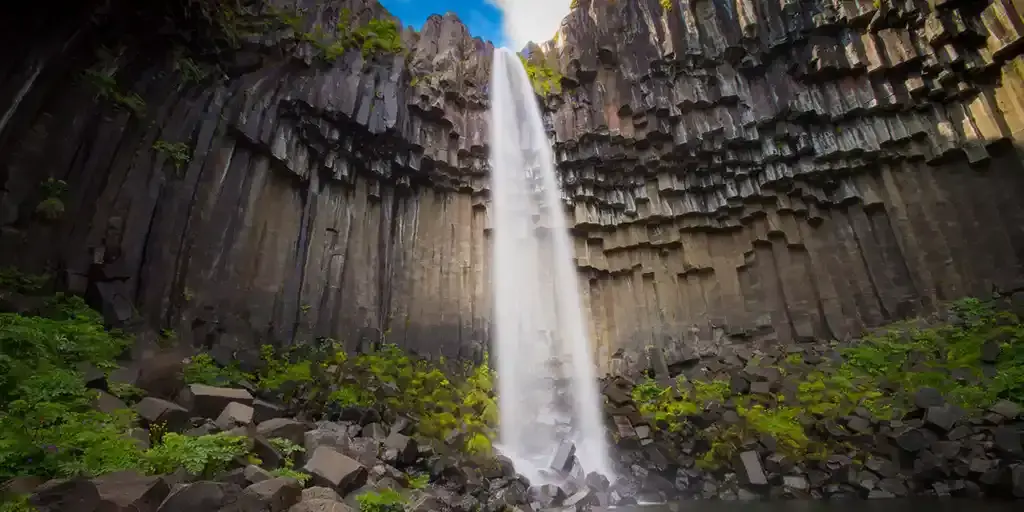
The safety concerns that do exist in Iceland are almost entirely nature-related. Waterfalls in Iceland rarely have barriers. Cliffs are typically not blocked with fences. Lava fields can be unstable underfoot. Ocean waves on the black sand beaches of the South Coast, particularly at Reynisfjara, are unpredictable and powerful. Every year, visitors are caught by sneaker waves at these beaches. Keep young children well back from the water’s edge and stay alert, no matter how calm the sea looks.
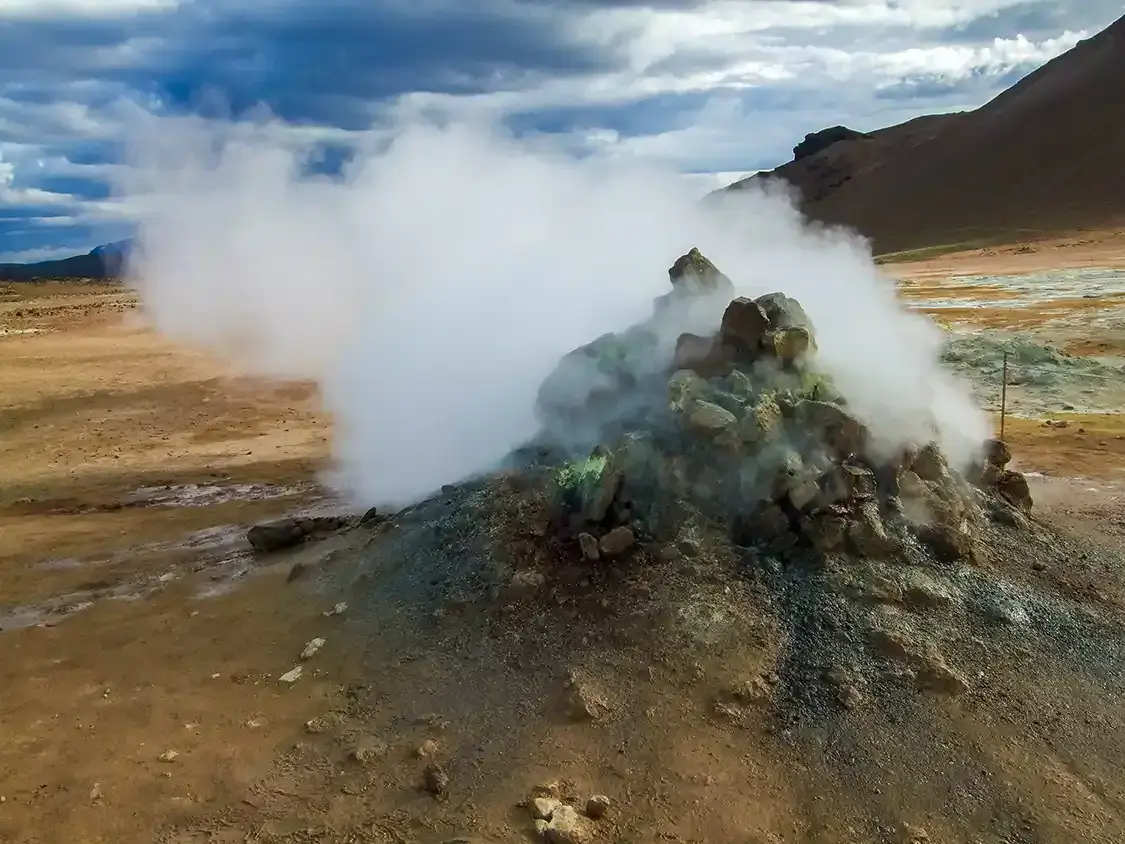
Volcanic activity and geothermal features throughout the country require common sense. Do not step off marked paths near geothermal areas. The ground crust above boiling water can be thin, and the consequences of falling through the surface are severe.
Iceland’s volcano monitoring systems are excellent, and eruptions in tourist areas usually come with warnings and road closures. Check the SafeTravel website and the Icelandic Meteorological Office before heading into any active area.
The weather in Iceland changes faster than most people can blink. A clear morning can become a horizontal rain event within an hour. In the Highlands and on exposed ridges, conditions can shift dramatically even in summer. Always check the weather forecast before heading out on any significant hike or drive, and have layers for everyone, regardless of how the morning looks.
Health and Vaccines for Iceland Travel
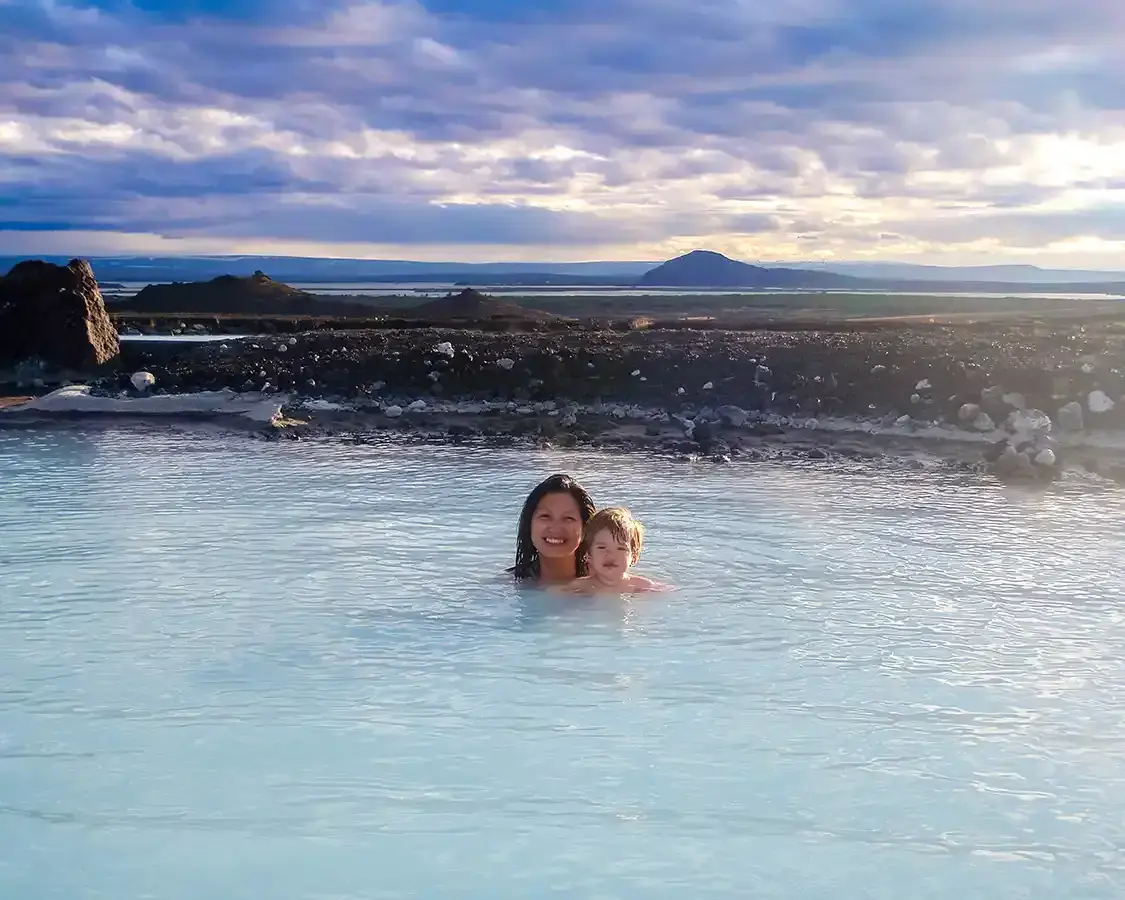
There are no vaccinations required to enter Iceland, and no particular health risks are associated with travel within the country. The tap water in Iceland is clean, cold, and genuinely excellent. Even drinking from mountain streams is generally safe, though use judgment near any geothermal or farming areas. Public geothermal pools require all swimmers to shower without a swimsuit before entering, a firmly held local custom that is not optional.
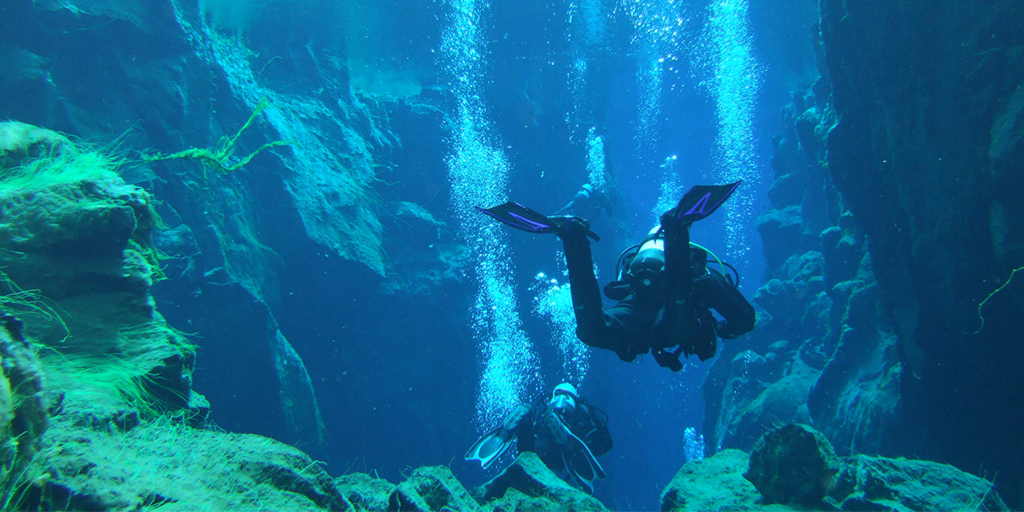
Medical care in Iceland is excellent. Reykjavik has a modern hospital and well-staffed emergency services. Outside the capital, facilities are more limited, but the country is small enough that evacuation to Reykjavik is rarely far away. Travel insurance that covers emergency evacuation and medical costs is strongly recommended. I typically use Safetywing or World Nomads when I travel with my kids. Activities like glacier hiking, snowmobiling, SCUBA diving in Silfra, and off-road driving in the interior carry real risk and should be covered by your policy.
Pack a solid family medical kit. Bring children’s pain relief, antihistamines, rehydration sachets, motion sickness medication if your kids struggle on winding roads, and any prescription medication in a generous supply. Pharmacies in Reykjavik are well-stocked, but outside the city, your options narrow quickly.
👀 HEADS UP: Midnight Sun and Kids’ Sleep
During the summer, Iceland experiences near-24-hour daylight. This is spectacular. It can also be a genuine disruption to children’s sleep, and to adults who underestimate it. Blackout curtains or a good sleep mask are not optional luxuries on a summer trip to Iceland. They are essential gear. Many guesthouses provide them, but pack your own to be certain.
Regions of Iceland: What Families Need to Know
Reykjavik
Reykjavik is the smallest capital city most travelers will ever visit. But the city makes up for its diminutive size with an outsized personality. Hallgrimskirkja, the rocket-shaped church that watches over the city from its hilltop, is the city’s most famous landmark.
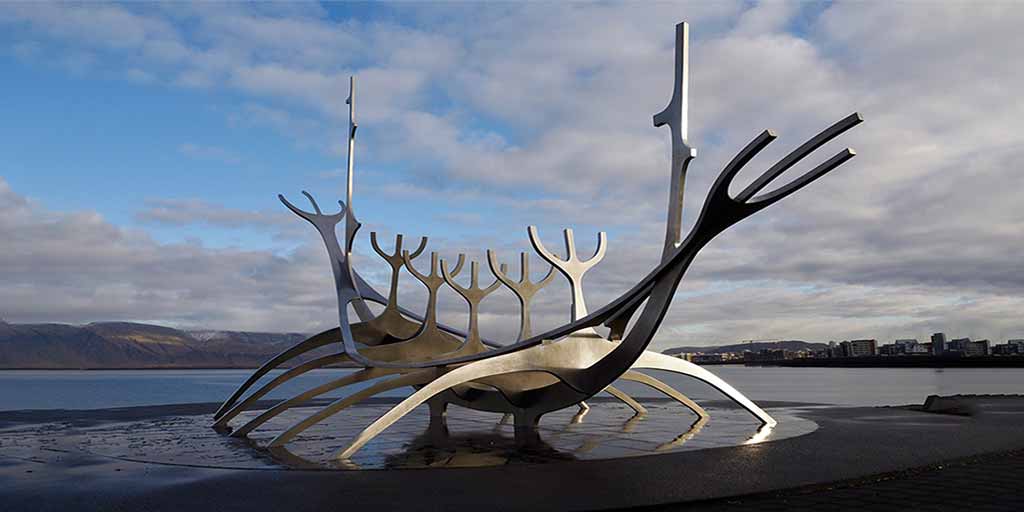
The Sun Voyager sculpture down by the harbor is worth the short walk, particularly for kids interested in Viking history, and the surrounding marina is one of the most photogenic spots in the city. The Old Harbor is where Icelandic whale watching tours depart and where the city’s best food stalls tend to cluster.
The Laugardalslaug public pool complex is one of the finest family afternoons you can have in Reykjavik. It combines geothermal pools, a sports hall, a zoo, a botanical garden, and a skating rink in a single complex. The outdoor pools run at different temperatures, so even the youngest family members can join. This is how Icelanders actually often spend their leisure time, relaxing alongside locals rather than tourists is one of the better things this city offers.
Plan at least two full days in Reykjavik. The Viking World museum near the airport and the Saga Museum in the city both do an excellent job of introducing children to Iceland’s Norse heritage in ways that hold their attention.
The Golden Circle and the South Coast
The Golden Circle is Iceland’s most-visited route and the first full-day trip out of Reykjavik for most families. Thingvellir National Park is a unique place where the North American and Eurasian tectonic plates are visibly pulling apart and where Iceland’s original parliament met for nearly a thousand years.
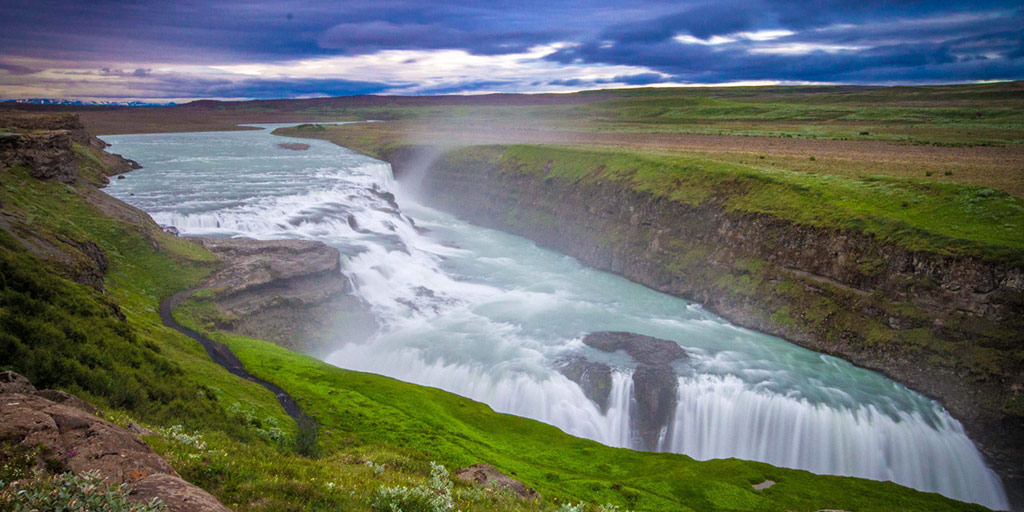
Geysir is the field where Strokkur erupts with clockwork regularity every few minutes, and children are reliably transfixed by it. Gullfoss is one of the most powerful and beautiful waterfalls on the island. These three stops in a single day represent a genuinely strong introduction to why so many travelers find Iceland to be utterly unforgettable.
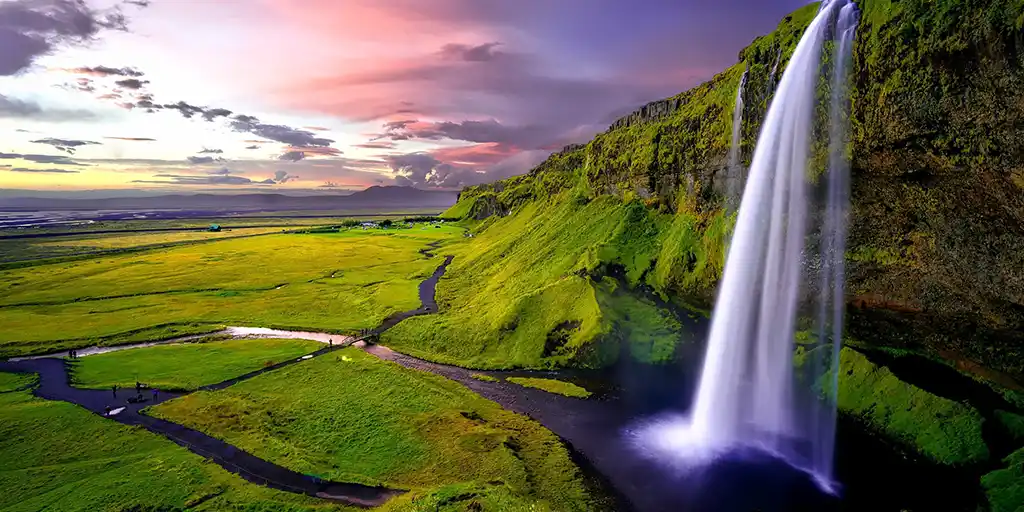
The South Coast extends this further toward the town of Vik. Seljalandsfoss is one of Iceland’s most photographed waterfalls. Brave explorers can walk behind the falling water, which children find thoroughly brilliant. Skogafoss is wider and more dramatic. The black sand beaches around Vik and Reynisfjara are visually stunning. The basalt column formations at Reynisfjara are like a miniature Giant’s Causeway. The waves here are dangerous, and the beach at Reynisfjara has claimed lives. Stay well back from the water.
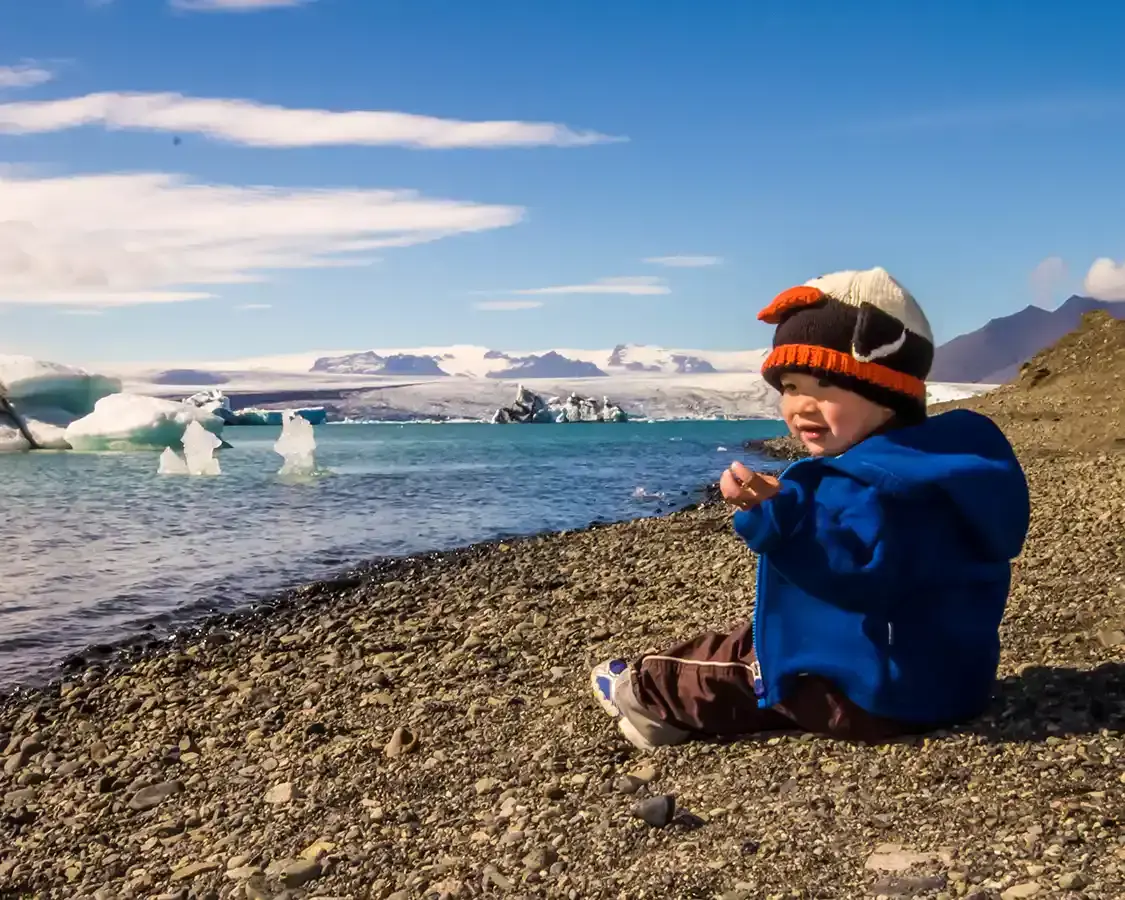
Further east, the Jokulsarlon Glacier Lagoon is one of the most surreal places in Iceland. Enormous blue icebergs calve off the Breidamerkurjokull glacier and drift slowly through the lagoon toward the sea. Zodiac and amphibious boat tours let you explore on the water among the icebergs. The nearby Diamond Beach, where the clear ice washes up on black sand, is the kind of landscape that can stop people mid-sentence. This stretch of the South Coast is a strong argument for taking the full Ring Road rather than turning back at Vik.
The Snaefellsnes Peninsula
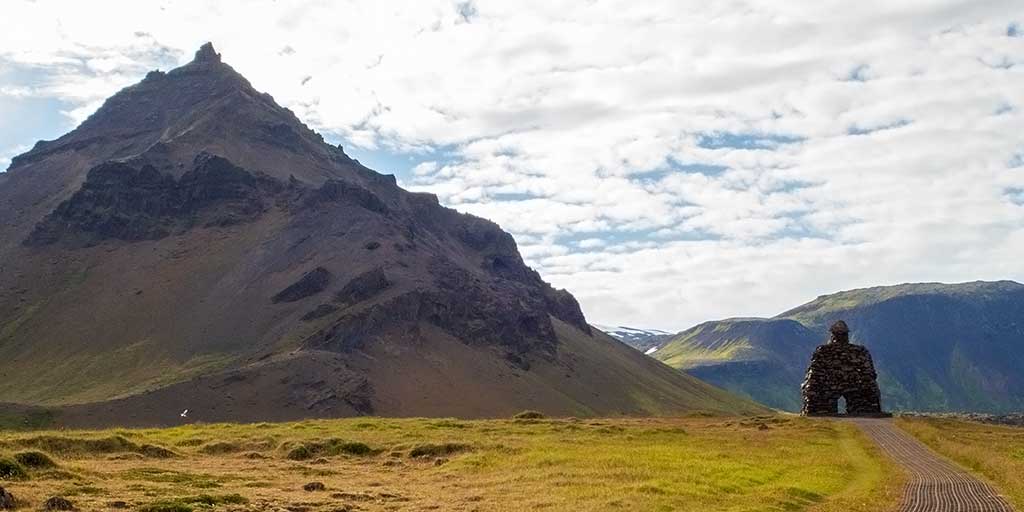
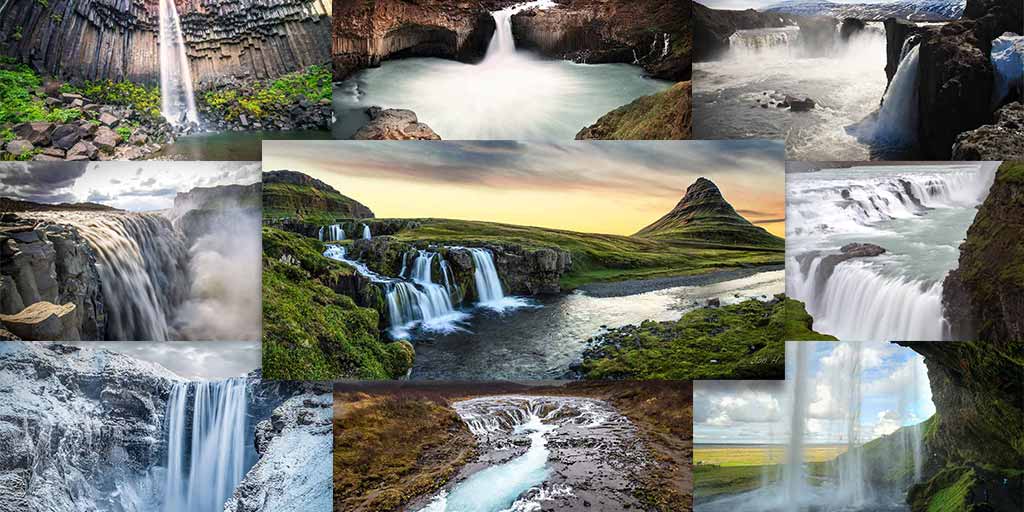
The Snaefellsnes Peninsula reaches out into the North Atlantic west of Reykjavik and packs nearly every Icelandic landscape type into a single accessible loop. The Snaefellsjokull glacier sits at the tip of the peninsula, the same glacier that Jules Verne sent his characters into at the start of Journey to the Center of the Earth. The coastal cliffs near Arnarstapi are home to thousands of nesting seabirds and the site of the Bardur of Snaefellsnes statue, a giant rock depiction of a Viking troll-descendant that children find completely captivating. Kirkjufellsfoss waterfall in front of the distinctive cone-shaped Kirkjufell Mountain is one of the most photographed spots in the country.
The Snaefellsnes Peninsula is manageable as a long day trip from Reykjavik, or it works better as a two-day road trip. It consistently delivers and is often less crowded than the Golden Circle.
The Westfjords
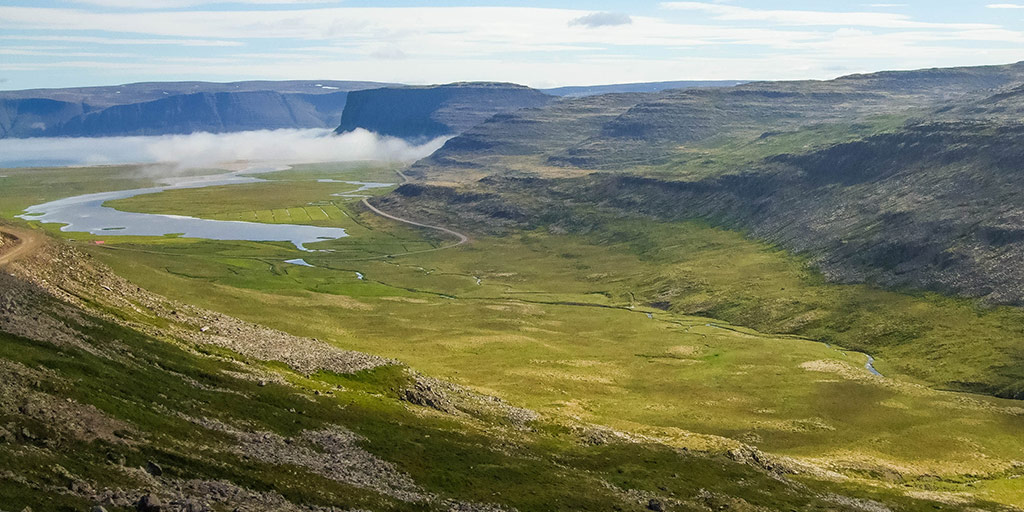
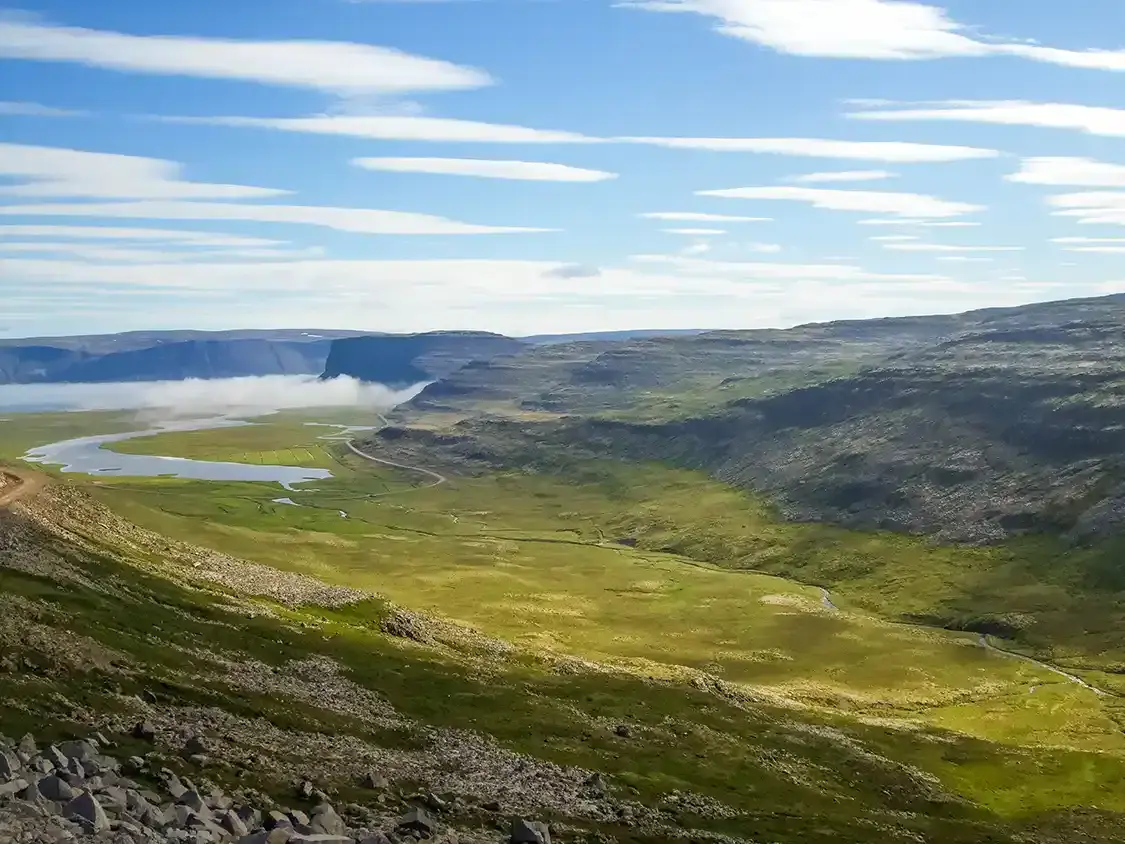
The Westfjords are the part of Iceland that most visitors never reach. The roads here are rougher, the distances longer, and the infrastructure thinner than just about anywhere else in the country, aside from the interior. For families willing to do the work, though, the rewards of travel in the Westfjords are extraordinary.
I crossed into the Westfjords by ferry from the Snaefellsnes Peninsula, which is one of the more scenic ways to arrive. A ferry trip also offers a strong sense of just how remote this region really feels. The roads throughout the interior moors are slow and dramatic. Dynjandi waterfall, a broad cascading fan that drops in stages into a fjord, is among the most beautiful waterfalls in a country that has no shortage of them.
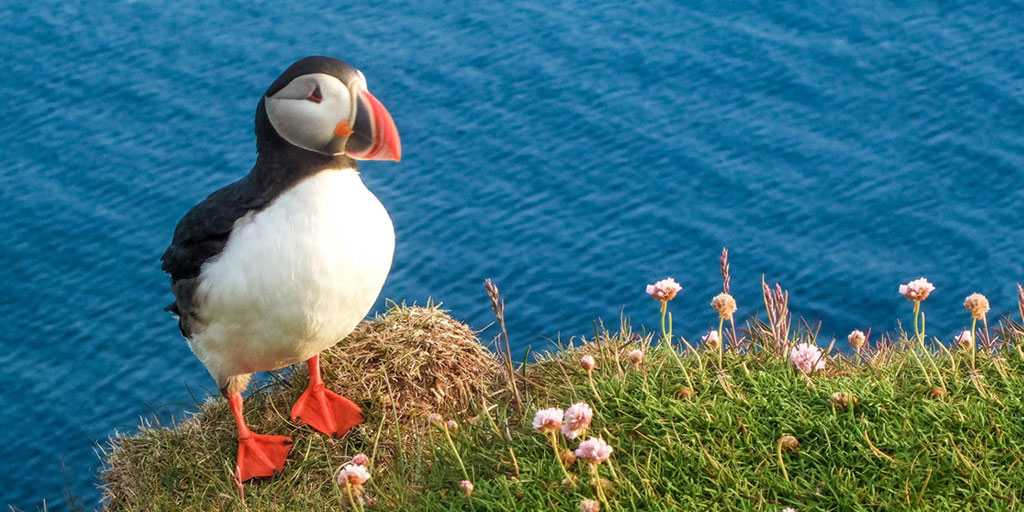
The Latrabjarg bird cliffs at the westernmost tip of the Westfjords are the largest seabird cliffs in Europe. The puffin colonies here are so dense and so unconcerned by human presence that you can sit within a meter of them and watch them go about their business. For children who have only ever seen wildlife from a distance, this is a genuinely moving experience. The cliffs themselves rise over 400 meters above the Atlantic. There are no fences, no barriers, and no safety infrastructure. Keep children well back from the edge at all times.
🚫 DON’T MISS: The Westfjords
Most Iceland itineraries skip the Westfjords. Most Iceland travelers who do visit them say it was the best part of the trip. The crowds are thin, the landscapes are unspoiled, and experiences like the puffin cliffs at Latrabjarg are genuinely unlike anything on the main tourist circuit.
You need at least two full days and ideally three to do this region properly. A 4WD is recommended. Fuel up before you go because the Westfjords are serious about not having gas stations in convenient places.
The North: Akureyri, Husavik, and Myvatn
Iceland’s north is anchored by Akureyri, the country’s second-largest city, sitting at the head of its longest fjord. It is a genuinely charming town with excellent restaurants, a botanical garden that surprises most visitors with what it manages to grow at this latitude, and the best ice cream in Iceland. This may seem like a bold claim, but one that the locals will back up. Whale watching tours from Akureyri run into the calm, fjord-sheltered waters where humpbacks and minkes are regularly seen.
Husavik, about 90 minutes east of Akureyri, is the whale watching capital of Iceland. The harbor here is beautiful, and the North Sailing company runs tours on traditional schooners. It’s among the finest wildlife experiences this country offers. During the summer months, blue whales visit the bay with some regularity, which is not something most places on earth can say. I took my kids on a schooner tour here, and watching as one of these massive creatures swam right under our boat became one of the highlights of the entire trip.
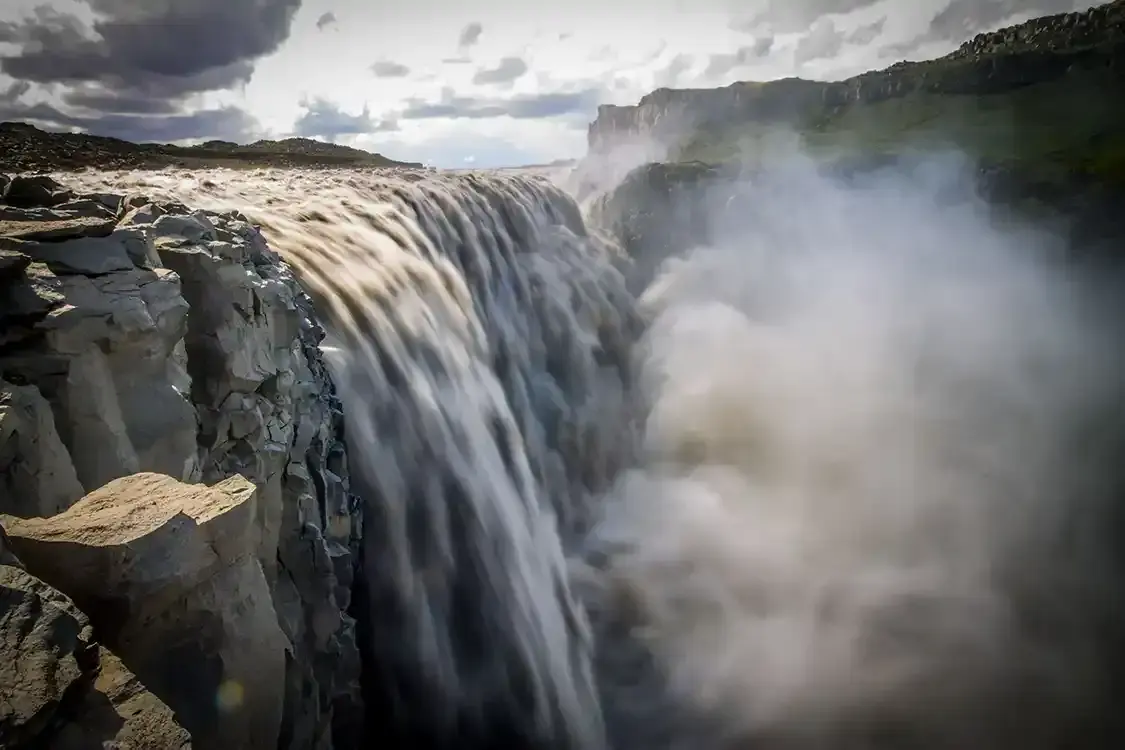
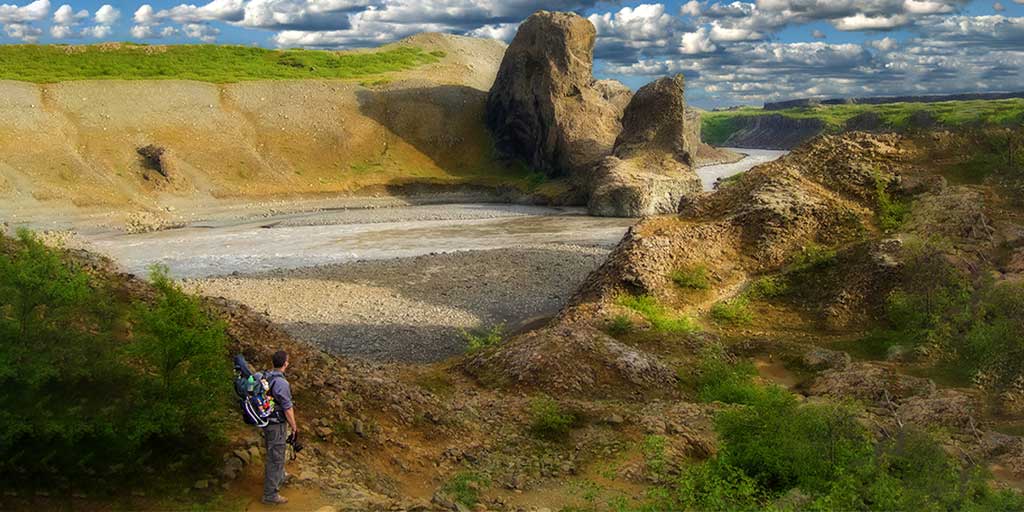
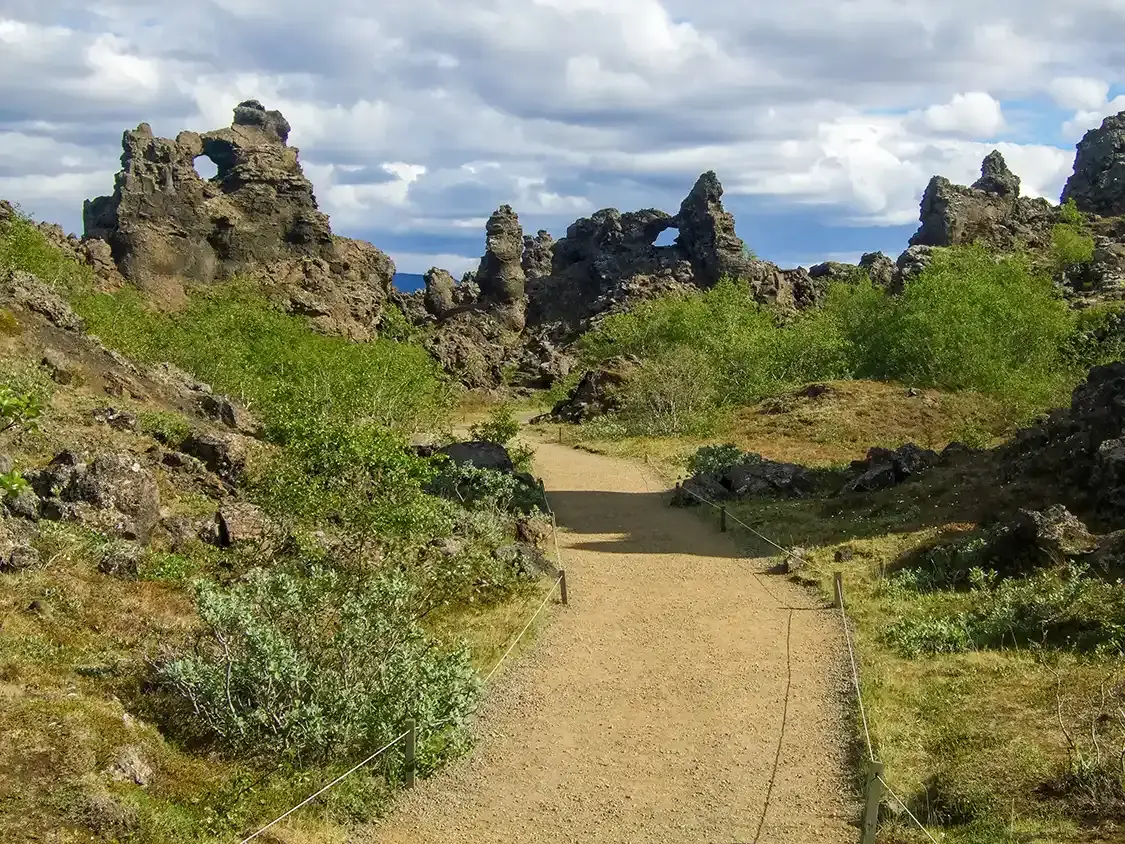
Lake Myvatn and its surrounding region are one of the most geologically active and visually dramatic places in Iceland. Pseudo-craters ring the lakeshore. Lava pillars rise from the water. Hverir is a field of steaming, bubbling, sulfurous mud pots that smell extraordinary and which children find absolutely fascinating. The Myvatn Nature Baths offer a less crowded and more local alternative to the Blue Lagoon, with views over the volcanic landscape that the Blue Lagoon cannot match. Dettifoss, the most powerful waterfall in Europe, is about 60 km east and is worth the drive.
The Highlands
The Icelandic Highlands comprise the vast interior of the island. This largely uninhabited plateau of lava fields, glaciers, river crossings, and volcanic craters has more in common with the surface of Mars than with coastal Iceland. NASA trained nine of the twelve men who walked on the moon here. The landscape earns that comparison.
Access to the Icelandic Highlands is limited to summer months when the F-roads are open, typically July and August. A capable 4WD is necessary, and honestly, the only safe way to explore this region of Iceland. The roads involve genuine river crossings where drivers will have to ford through running water, and the depth and flow of those crossings change with weather and snowmelt. Never cross a fording point without watching other vehicles go through first, and never attempt one that looks like it could exceed your vehicle’s capability.
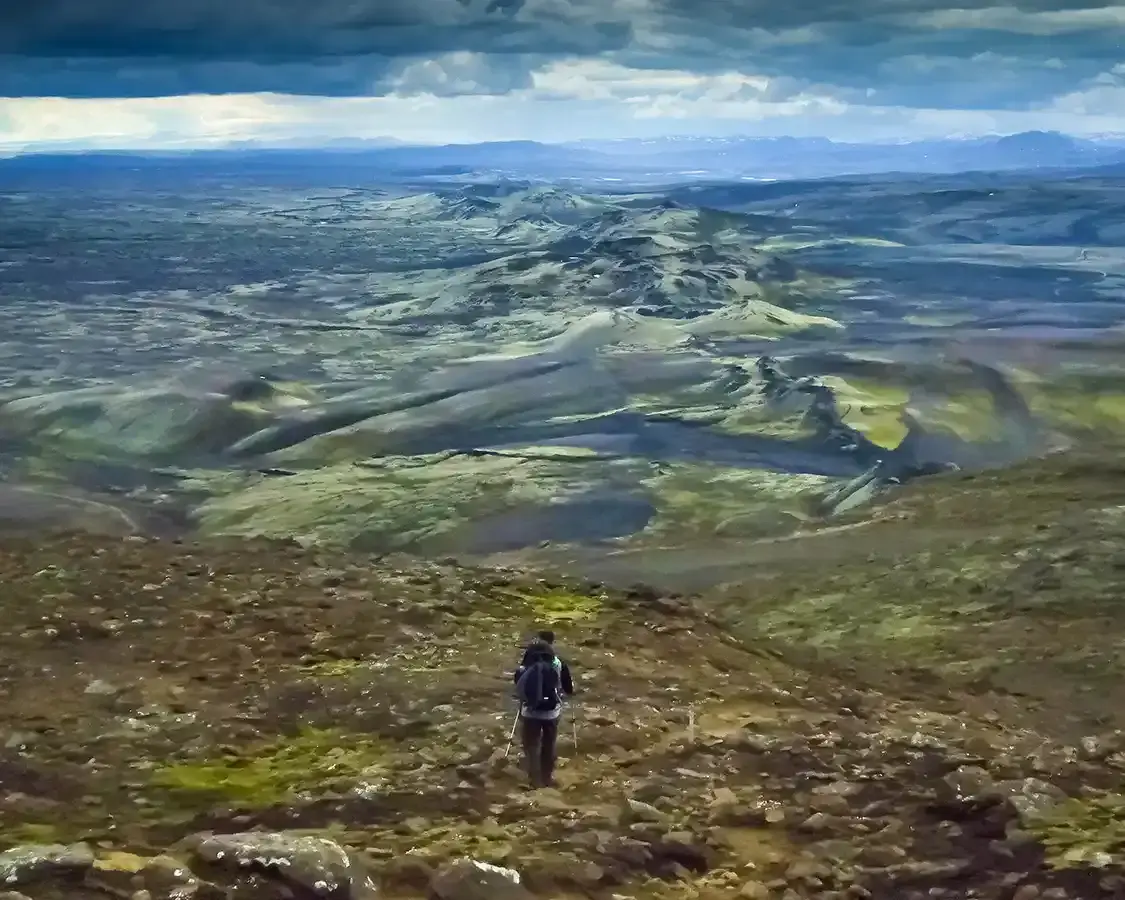
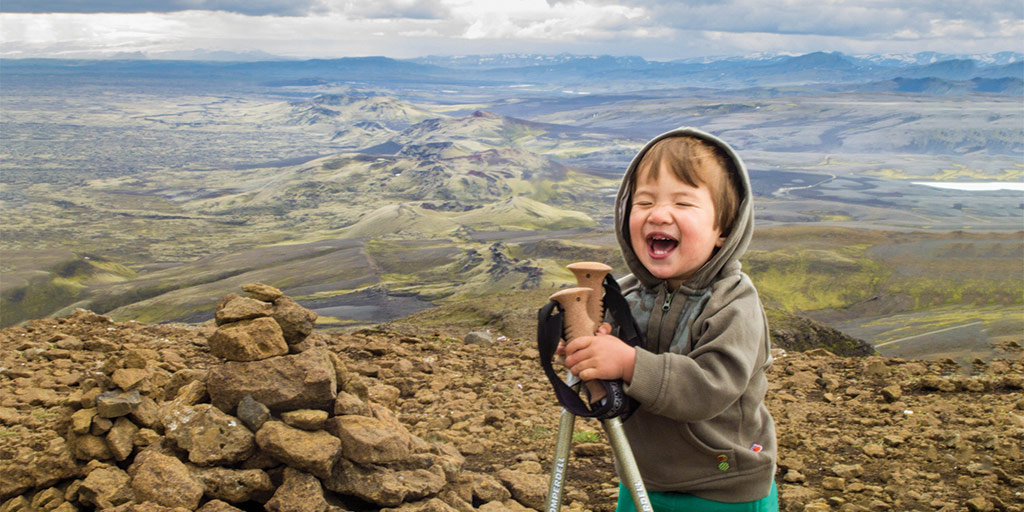
Landmannalaugar, the Lakagigar craters, and the Askja Caldera are among the standout destinations in the Icelandic interior. The approach to the Askja Caldera road runs across a landscape so barren and lunar that it is disorienting in the best possible way. I hiked to the Viti crater with a one-year-old in a kid-carrier across snow that was still meters deep in early July. The milky white water of the geothermal lake in the crater sits about 30 meters below the rim. It is a place that produces genuine quiet in children and adults alike. Stock up on fuel, food, and water before entering the interior. There is nothing out there when you need it.
💡 PRO TIP: Don’t Miss Laki
Lakagigar is deep in the interior, and the F-roads leading there are slow. The drive takes significantly longer than the distance suggests. Allow a full day, pack enough supplies to be self-sufficient, and check road and weather conditions on road.is before you leave.
Money and Budgeting for Family Travel in Iceland
Iceland uses the Icelandic Krona. Credit cards are accepted almost everywhere in the country, including at small guesthouses, farm stays, and many roadside attractions. Cash is rarely necessary. In fact, in much of Iceland, cash is looked at as an inconvenience. Some gas stations do not accept cash at all. The main exception is the occasional small market or roadside vendor, so keep a small amount of local currency on hand.
Iceland is an expensive country to travel in. This is not a surprise to anyone who has looked at accommodation prices, but it bears stating clearly because the total cost of a family trip here is genuinely higher than most comparable destinations.
Groceries from large supermarkets like Bonus, Kronan, and Netto are significantly cheaper than restaurants and farm stays, and self-catering for some meals makes a real difference to the budget. Reykjavik has a Costco, which is genuinely useful for families stocking up before a trip along the Ring Road.
Museum entry and attraction fees can add up. Many sites charge per person with no discounts for children. Factor this in when planning your itinerary, particularly if you have multiple kids. National parks and many outdoor attractions are free, which helps to balance the costs elsewhere.
Tipping is not a strong cultural expectation in Iceland, the way it is in North America. Restaurant staff are paid a living wage and tips, while appreciated, are not obligatory. A round-up or a 10 percent addition for genuinely good service is the norm.
What to Pack for Iceland
Iceland’s weather is the defining packing challenge factor. Summer temperatures are generally mild, averaging around 50 to 60 degrees Fahrenheit (10 to 15 degrees Celsius), but conditions can shift from sun to rain, and from wind to cold within the same hour. The principle is layers, always layers. You can find a detailed packing list summary for summer travel in Iceland here.
- Merino wool base layers for everyone, including the kids. Wool regulates temperature, manages moisture, and does not develop odor the way synthetics do on a long road trip. This is the single most useful category of clothing you can bring.
- A waterproof outer layer for every family member. Not water-resistant. Waterproof. Iceland’s rain is horizontal and relentless when it arrives.
- Sturdy waterproof hiking boots. The terrain at almost every site worth visiting is uneven, wet, or both. Sneakers are not adequate.
- Light gloves. Even in July, glacier hikes and exposed coastal walks get cold quickly.
- Swimsuit and quick-dry towel. Every town has a geothermal pool and many guesthouses are near natural hot springs. You will use this more than almost anything else you pack.
- Blackout sleep mask or travel curtains. Mandatory for summer trips with children. The midnight sun will not negotiate.
- Power adapter (Type C/F, 230V. North Americans need a voltage converter for non-dual-voltage devices).
- eSIM, installed before departure. Airalo connects to local Icelandic networks and provides reliable coverage on the main tourist circuit.
- 112 Iceland emergency app, downloaded and registered before entering remote areas.
- Offline maps downloaded for Iceland before you leave mobile coverage behind in the interior or the Westfjords.
- Family medical kit including children’s pain relief, antihistamines, rehydration sachets, and motion sickness medication for the winding F-roads.
- Anti-slip traction devices for shoes. Compact and invaluable on icy glacier approaches or wet volcanic rock.
- Document copies, passports, insurance details, and emergency contacts are kept separate from the originals.
Travel Resources For Families Visiting Iceland
For practical planning, safety considerations, and logistics, these dedicated guides provide all of the resources you need for family travel in Iceland.
What Travel In Iceland Will Teach Your Family
- The scale of nature here is genuinely humbling. Iceland does not do things at a human scale. The waterfalls are taller than they have any right to be. The glaciers stretch further than you can see. The silence in the interior is so complete it becomes a physical sensation. Children who have grown up in cities and suburbs encounter something here that recalibrates their sense of proportion in ways that are hard to manufacture anywhere else.
- Iceland rewards the families who get off the main road. The Golden Circle and the Blue Lagoon are genuinely worth doing. They are also where everyone else will be. The Westfjords, the Highlands, the north around Husavik, and the places between the famous stops on the Ring Road are where Iceland shows you what it actually is. Build an itinerary that reaches beyond the obvious, and you will come home with a different trip than most people describe.
- Two weeks is the right amount of time. My 14-day Iceland itinerary covers the Ring Road and the main regions without feeling rushed. A week in Iceland is possible, but you will spend it knowing you are skipping things that matter. Iceland is the kind of place that turns people into planners against their instincts. Let it.
- Plan for the unexpected and enjoy it. Iceland is an active volcanic country. Roads close. Eruptions happen. The weather can cancel plans with little notice. The families who adapt and find something else tend to discover that the unplanned stop at a remote farm, or the decision to wait out a storm in a village they had not intended to visit, becomes the story they tell most often when they get home.
Final Thoughts
Iceland family travel rewards preparation, patience, and curiosity. The destination guides on this site cover the details for each region. The practical information above is designed to help your family move through the country confidently and with the respect this extraordinary country deserves.
You will come home with photographs that look unreal. You will come home with children who have walked on a glacier, eaten hot dogs at midnight under a sky that refused to go dark. You will have watched a blue whale surface close enough to feel the breath of it. And you will have sat together in a geothermal pool with steam rising around you while mountains dropped into the sea on every side.
That is what Iceland does. It makes the unbelievable ordinary and the ordinary extraordinary.
This page is updated as new regional guides and planning resources are published. Looking beyond Iceland? Explore the International Family Travel Guide.