
The complete family packing list for Iceland in summer, covering men, women, teens, and kids. Built from firsthand family experience.
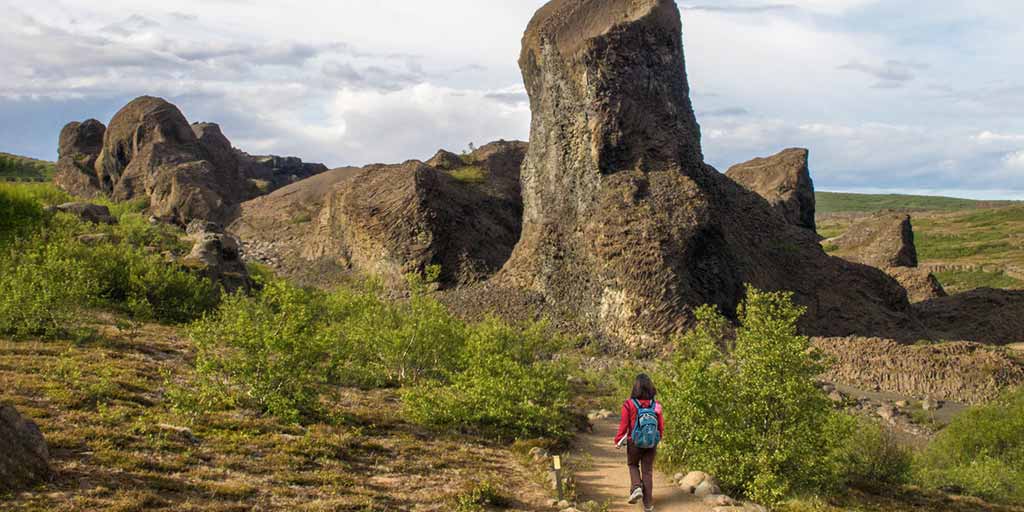
Travel in Iceland during the summer, and you’ll quickly discover that the experience isn’t exactly what the photographs suggest.
The midnight sun is real. Those 2 am hikes under late-day skies are magic. The green landscapes are just as gorgeous, if not more so. The rolling fields in full purple bloom along the Ring Road are gorgeous enough to cause traffic accidents. It’s the 50 degrees Fahrenheit (10°C) wind off the North Atlantic that greets you the moment you step outside the rental car , though, that first offers a glimpse of the reality of summer travel in Iceland. And it’s that, and a few other quirks, that families rarely pack for.
My family has spent considerable time in Iceland. Our first trip was in 2012 with a toddling one-year-old on a two-week road trip around the country. Iceland remains, to this day, one of the most beautiful and family-friendly countries I’ve ever experienced.
I’ve driven the full Ring Road, pushed into the Westfjords to watch puffins waddle past at arm’s length at Látrabjarg, stood in the spray of Skógafoss and Seljalandsfoss, hiked through the highland interior, and spent a surreal morning in drysuits drifting between two tectonic plates in the Silfra fissure at Thingvellir National Park.
Iceland in June, July, and August is one of the most extraordinary destinations on earth for families. It is also capable of producing rain, wind, and cold on an afternoon that began with brilliant sunshine.
The single biggest packing mistake families make in Iceland is treating summer travel in Iceland as warm-weather travel. It is not. The average July high in Reykjavik is 57°F (14°C). Outside of Reykjavik, in remote regions like the highlands or along the exposed coasts of the Westfjords, it is colder. A waterproof outer shell and proper merino base layers are not optional items that you might use. They are the foundation of every summer packing list for Iceland.
This guide is built for the Icelandic summer specifically. The linen shirts and lightweight beach layers from our other destination guides can stay packed in your closet for this one. Every item mentioned here is chosen for a destination where the weather changes four times before lunch, and the scenery is worth being outside for all of it.
What You’ll Find in This Packing Guide for Iceland in Summer
Table of Contents
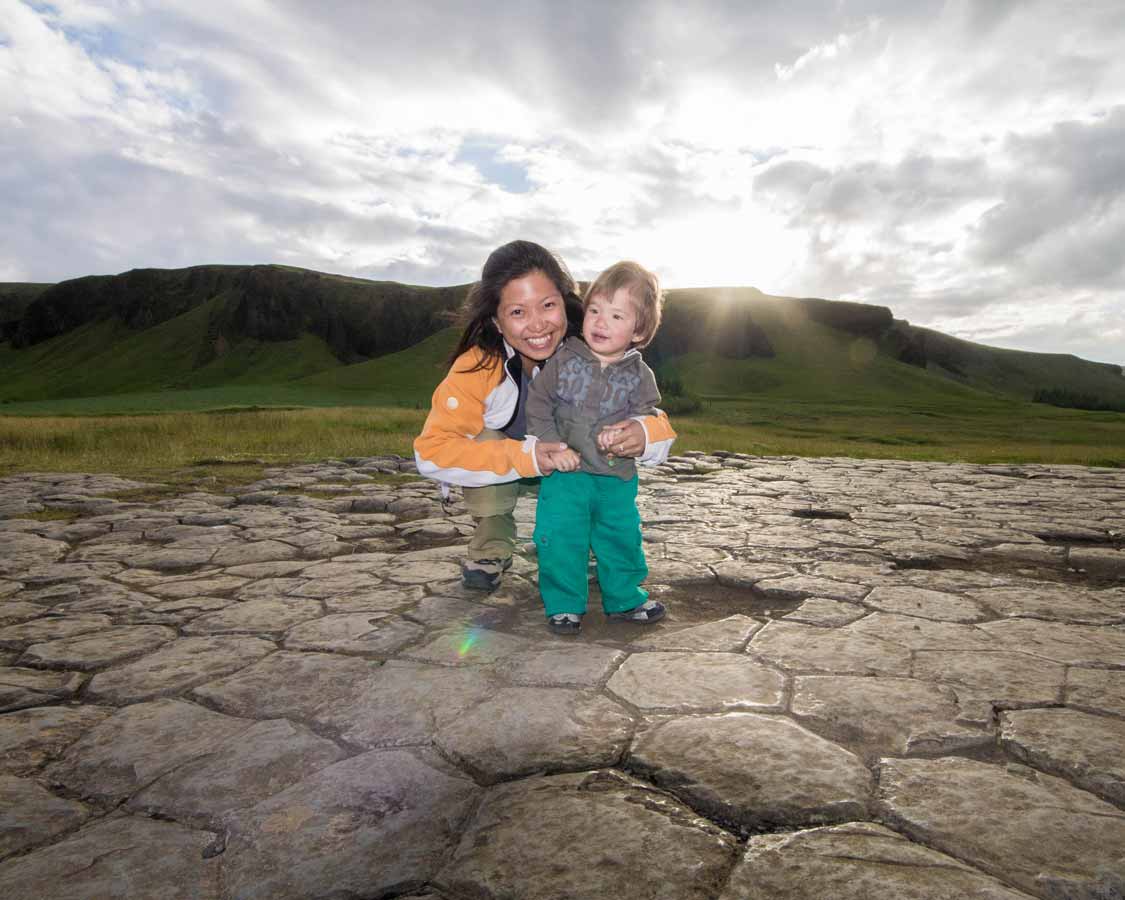
The packing challenge for Iceland’s summer weather is different from almost every other destination on this website, and they catch families off guard in specific ways:
- Cold masquerading as mild weather. July temperatures in Iceland average 50 to 59 degrees Fahrenheit (10 to 15°C) and rarely break 68 degrees Fahrenheit (20°C) even on the warmest days. Wind and the occasional rain shower can make small temperature differences feel extreme. Layers, not single items, are the answer to this packing dilemma.
- Waterproofing is important. Rain in Iceland is driven by the North Atlantic wind, and it arrives without warning, often completely sideways. A light rain shell that works fine for travel in Turkey or Greece is not adequate for a day hike in the Icelandic Highlands or a walk to a waterfall. A proper rain jacket makes the difference between being comfortable and being miserable.
- Activity intensity. Iceland is not a poolside holiday retreat. This is the land of waterfalls, volcanic craters, highland hikes, glacier walks, lava fields, and wildlife cliffs. Proper, grippy footwear and effective layering are needed to handle serious outdoor activity as well as casual sightseeing.
- The midnight sun effect. With up to 24 hours of daylight in June and July, itinerary schedules often extend longer than most travel destinations. Children’s sleep patterns need managing. Blackout eye masks are something that can help avoid sleep deprivation.
- Family logistics. What keeps a parent comfortable on a highland hike in Iceland may not work for a six-year-old, who stops generating heat the moment they stop moving. This packing guide accounts for the needs of different age groups.
This Iceland packing tips article covers the complete list for Iceland in summer from June through August, organized by category with specific callouts for men, women, teens, and kids throughout.
Before You Pack: Understanding Iceland’s Summer Climate
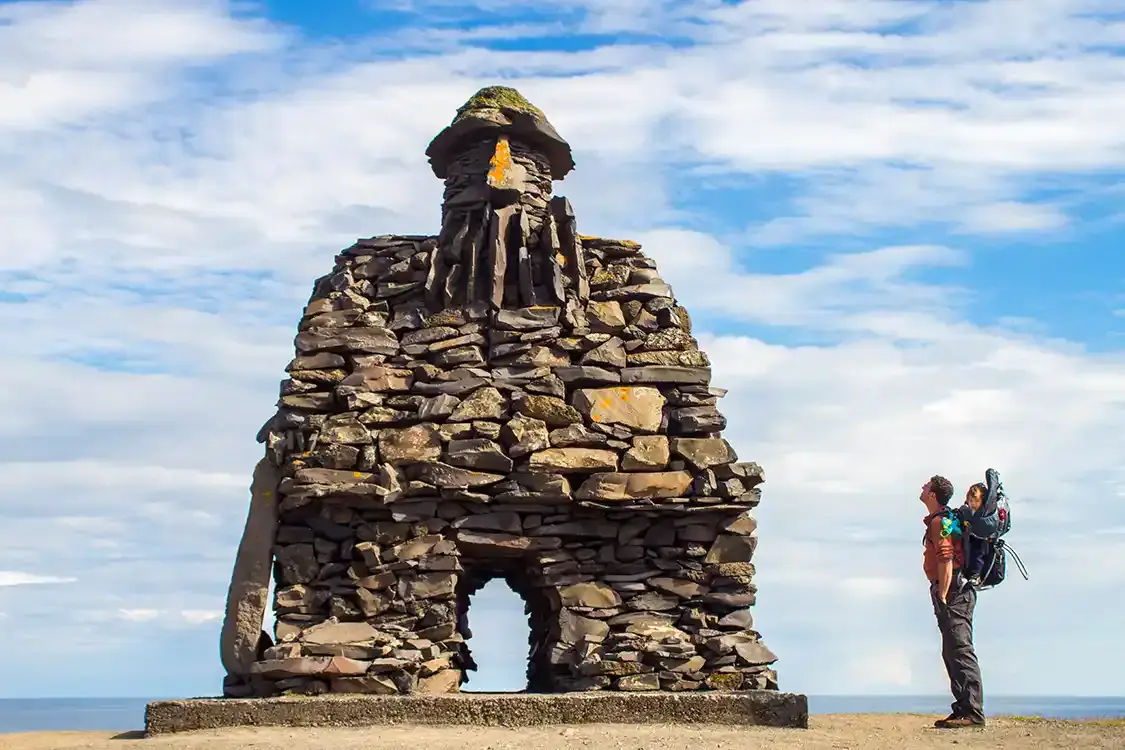
Iceland sits just below the Arctic Circle, and its climate is shaped by the North Atlantic current more than by its latitude. Summer is generous with its sunshine, green, and very beautiful. fields are lined with wildflowers, and the few, tiny trees on the island are leafy and green. It is also consistently cool, often windy, and capable of delivering rain at any moment. Understanding what summer in Iceland actually looks like is the most important thing you can do before your family starts packing.
Iceland in June
June is the month when the midnight sun is at its most dramatic. In Reykjavik, the barely sets at all around the summer solstice. Temperatures average 50 to 54 degrees Fahrenheit (10 to 12°C), and the weather is generally sunny with bits of rain and wind.
Some June days are genuinely glorious with blue skies and light winds. Others are grey, wet, and blustery. Pack for the grey days and be pleasantly surprised by the sunny ones.
Iceland in July
July is the warmest and most popular month for travel in Iceland. Temperatures reach an average high of around 57 to 59 degrees Fahrenheit (14 to 15°C), occasionally pushing toward 68 degrees Fahrenheit (20°C) on a good day (although it can be warmer).
The crowds at major tourist routes, such as the Golden Circle and South Coast waterfalls, are at their peak. Weather conditions across the country are still apt to change at any moment, but generally, July is the most consistently pleasant of the three summer months. The highlands become fully accessible in July when the F-roads open after the winter closure.
August in Iceland
Iceland’s August weather brings a subtle shift toward autumn. Temperatures begin to ease downward around the middle of the month, hovering around 54 to 57 degrees Fahrenheit (12 to 14°C). The days are still long but noticeably shortening.
August can bring more rain than July. The highlands are still accessible. Puffins begin departing their cliff colonies from late August, so earlier in the month is better for wildlife watching at Látrabjarg and other puffin sites.
The Iceland Weather Rule
Locals in Iceland often say,” If you don’t like the weather, wait five minutes. This is not quite accurate. Sometimes you wait five minutes, and it gets worse. The practical solution for packing for summer travel in Iceland is that every day requires clothing that handles both sunshine and cold rain. Layering is not a suggestion. It is the only strategy that works consistently in Iceland.
Iceland Family Travel Packing List
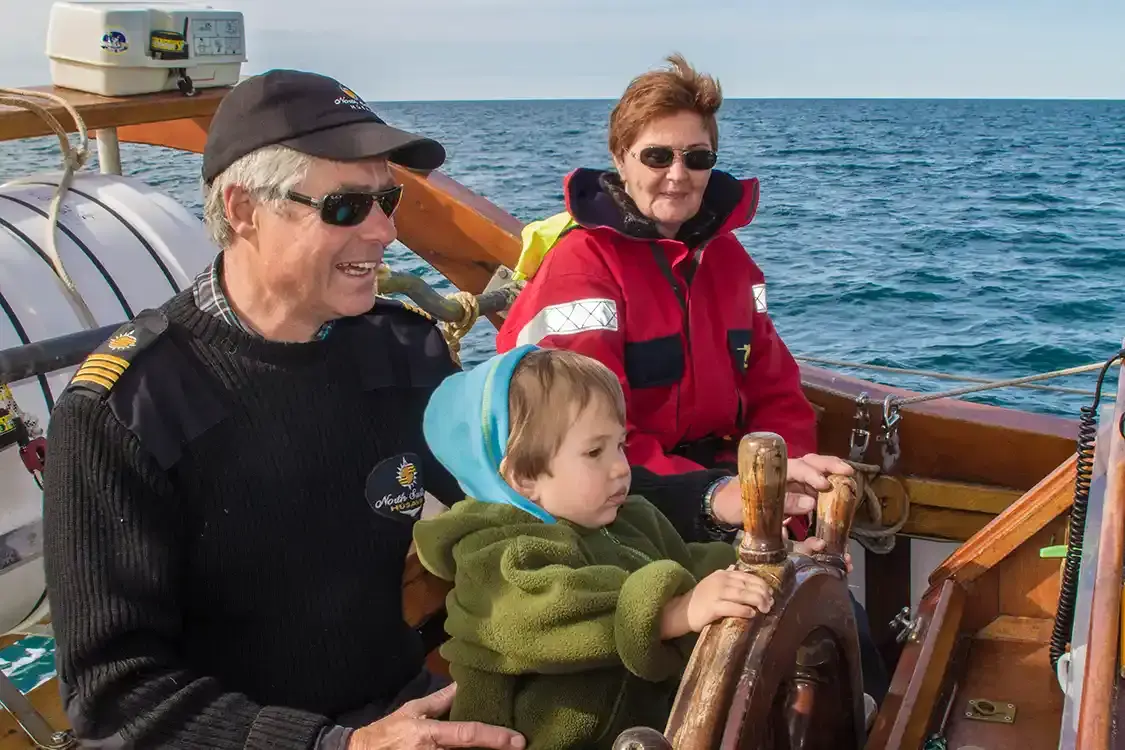
Iceland Packing List for Men and Teens
The process of packing in layers for Iceland travel is straightforward: a moisture-wicking base layer next to the skin, a fleece or insulating midlayer over it that can be removed if it gets too warm, and a fully waterproof outer shell on top. All three layers earn their place every single day. The specific items you’ll want to pack include:
- 2 to 3 merino wool or synthetic fiber moisture-wicking long-sleeve base layer shirts as your primary tops: Merino and synthetic fiber base layers help to regulate temperature and manage sweat during active hiking. They act as an insulator when damp, and resist odor across multi-day ring road stretches between laundry stops.
- 1 to 2 lightweight short-sleeve shirts or t-shirts for the occasional warm sunny day and for layering under the base layer on very cold days.
- A proper fleece midlayer is something that you will likely wear every single day. A mid-weight fleece worn under your waterproof shell is the single most effective Iceland layering strategy. This one is warm enough to work as a standalone on mild days and packable enough to stuff into your daypack when the sun comes out.
- A serious, waterproof, windproof outer shell, and do not compromise on this one: Something like this is key to wicking away moisture without overheating. Iceland’s rain is rarely a gentle drizzle. It arrives horizontally in wind gusts that test every seam and zip. A shell with a proper Gore-Tex or equivalent membrane and fully taped seams keeps you dry, whereas a water-resistant shell will eventually get oversaturated. This is the most important single item in your Iceland bag.
- 2 pairs of lightweight, quick-dry travel trousers or hiking pants that handle light scrambling and hiking comfortably. You’ll want something like this that’s tough, durable, lightweight, but resistant to wind.
- 1 pair of waterproof rain pants for days in the highlands. Long hikes and short bursts of driving rain aren’t rare in this region. Keep these handy in your daypack and pull them out when conditions turn serious.
- 1 packable insulated jacket as an additional warmth layer for highland days and cold evenings: Columbia Men’s Delta Ridge Down Jacket. This is in addition to the fleece, not instead of it. On cold highland days or chilly evenings in the Westfjords, the combination of base layer, fleece, puffer, and waterproof shell is exactly what you need.
- Underwear x7 in lightweight, quick-dry fabrics.
- Bring socks x7 to 8 in heavyweight merino wool. Wool socks like these in waterproof boots on wet Icelandic terrain are genuinely essential. They keep your feet warm even when they get damp. They also resist the odor that can build up on multi-day ring road drives.
- 1 warm wool or fleece beanie and a pair of lightweight gloves. Iceland in summer can produce conditions that call for both, particularly on highland drives and cliff-top wildlife walks.
- A neck gaiter or buff like this for wind protection on exposed coastal walks and highland terrain.
- 2 swimsuits. One of Iceland’s greatest features is its ample list of hot springs. Every town has a public pool or geothermal hot spring. Places like the Blue Lagoon are among some of the most popular places to visit in Iceland.
Iceland Packing List For Women and Teens
Christina’s strategy for the Iceland layering system follows the same logic as mine: merino base, fleece mid, serious waterproof shell. Here are the specific items that she recommends for women and teens:
- 2 to 3 merino wool or synthetic fiber moisture-wicking long-sleeve base layer shirts as your primary tops. These Merino and synthetic fiber base layers help to regulate temperature and manage sweat during active hiking. They act as an insulator when damp, and resist odor across multi-day ring road stretches between laundry stops.
- 1 to 2 lightweight quick-dry shirts or short-sleeve layers for warmer days and indoor use. These act as a secondary base layer or a good alternative for evenings in the city.
- Mid-weight fleece that pulls double duty as a standalone layer and as a shell liner. You’ll want something like this for comfort and warmth. This is the layer you reach for more than any other in Iceland.
- A serious waterproof and windproof outer shell. A proper Gore-Tex rain shell with taped seams to protect against Iceland’s sideways rain and North Atlantic wind. This is not an item to cut corners on.
- 2 pairs of comfortable hiking or travel pants. Something like this is built with quick-dry fabrics that handle active days and look reasonable for an evening in Reykjavik.
- 1 pair of waterproof rain pants. These are key for rain bursts during highland excursions and glacier hikes.
- A packable insulated jacket for additional warmth on the coldest days. A jacket like this, layered over the fleece under the waterproof shell, when the Highland interior in July decides to remind you that it is still technically sub-Arctic.
- Underwear x7 in lightweight, quick-dry fabrics.
- Socks x7 to 8 in merino wool.
- A warm hat, lightweight gloves, and a neck gaiter or buff.
- 2 swimsuits. A backup is recommended so you’re not putting on a wet suit while the other one dries.
Iceland Packing List For Kids Under 12
Kids stop generating body heat faster than teens and adults the moment that they stop moving. Iceland provides plenty of opportunities to stop and stare at the scenery. Keep kids warmer than you think they may need to be.
- 3 to 4 merino wool base layers like this. This is the most important clothing item for kids in Iceland. They stay warm even when slightly damp, and it’s not itchy like standard wool.
- 2-3 lightweight t-shirts for warmer days and indoor layers. Something quick-dry like these is perfect.
- 1 mid-weight fleece or insulating midlayer like this one. They’re warm, packable, and compress into the daypack when the sun appears.
- 1 fully waterproof outer shell, and make sure it is genuinely waterproof rather than just water-resistant. Seam-sealed construction keeps kids dry through sustained rain and waterfall spray.
- Waterproof rain pants for kids. Iceland’s wet grass and rain-soaked trails soak standard trousers quickly, and a cold, wet child is the thing that ends a hike prematurely.
- 3 pairs of comfortable travel pants.
- Underwear x7 to 8
- Socks x7 to 8 in heavyweight merino wool.
- A warm hat and lightweight gloves for each child. Exposed coastal walks and highland stops in Iceland can be genuinely cold for kids even in July.
- 2 swimsuits.
Footwear for Iceland in Summer
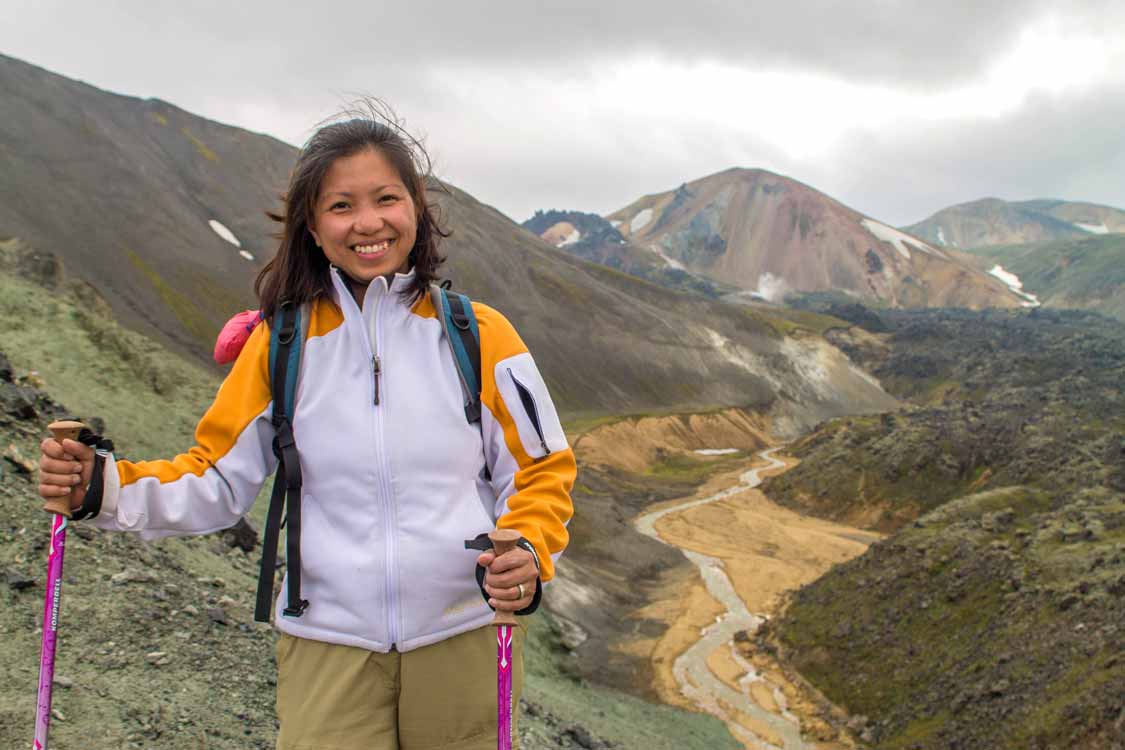
Iceland’s terrain is unlike almost any other destination you’ll visit. Each day can bring a mix of lava fields, volcanic gravel, wet highland tracks, muddy stream crossings, coastal clifftops paired with gusting wind, and the occasional river ford on F-roads. All of these landscapes combine to make footwear the most consequential packing decision for a family trip to Iceland.
The Iceland Footwear Rule
Every family member needs at least one pair of waterproof footwear. Iceland’s trails are consistently wet, the highland F-roads often involve stream crossings, and the spray from waterfalls like Skógafoss reaches well beyond the viewing platforms. Wet feet in Iceland’s cool temperatures become a miserable and trip-disrupting problem within an hour.
Footwear For Men, Women, Teens, and Kids
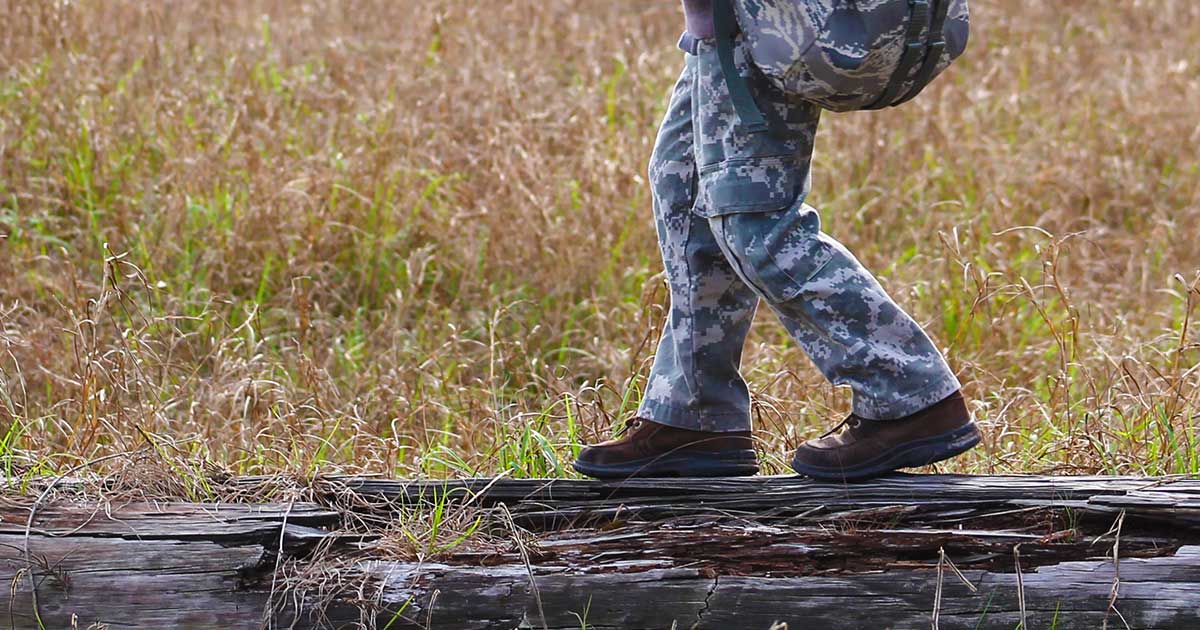
- 1 pair of waterproof hiking boots with decent ankle support as your primary Iceland shoe. For men,I recommend these ones, for women, these ones, and for kids under 12, these ones. These all act as a better alternative to traditional trail runners. They’re waterproof and have good, grippy soles.
- 1 pair of comfortable walking shoes or sturdy sneakers for days in the city, long car rides, and easier walks. These should be lighter and more manageable than a big pair of hikers.
- 1 pair of sandals or slip-on shoes for guesthouse and accommodation use.
Waterproofing: The Iceland Comfort Hack
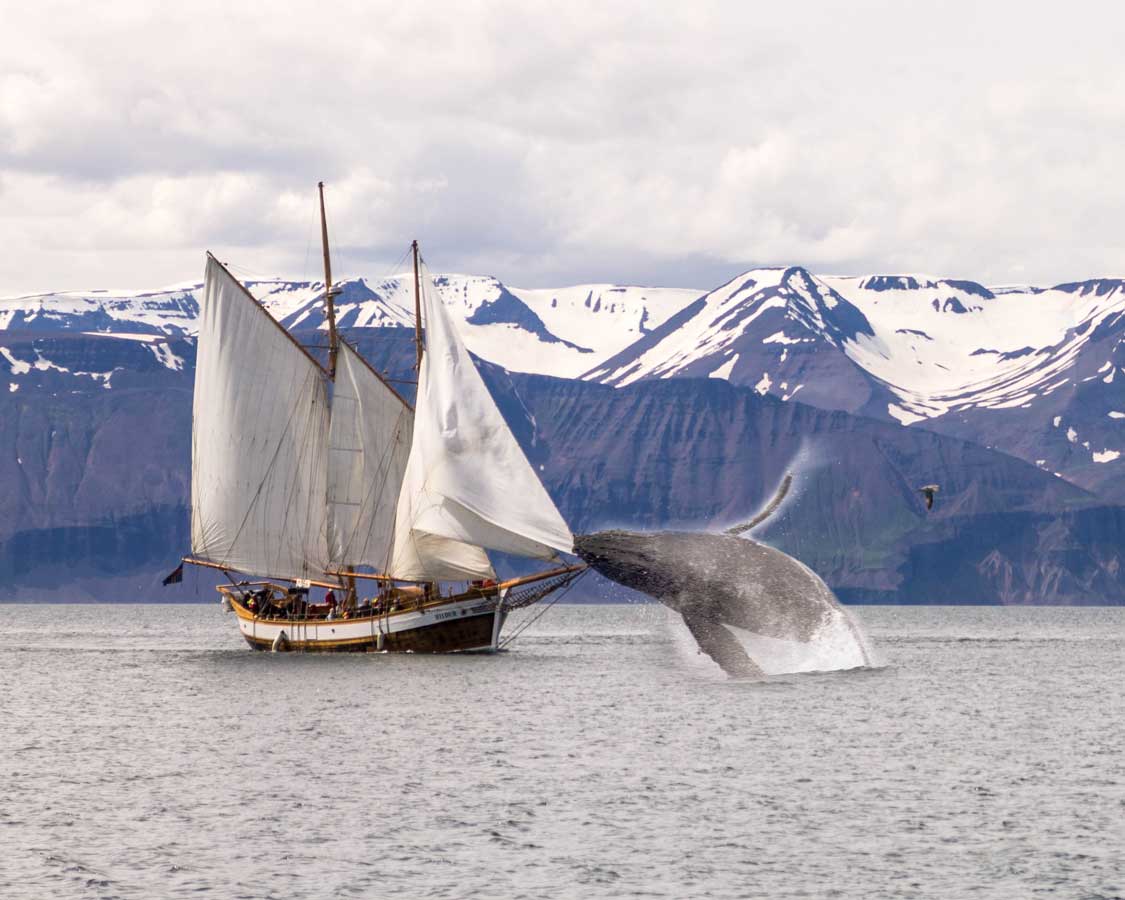
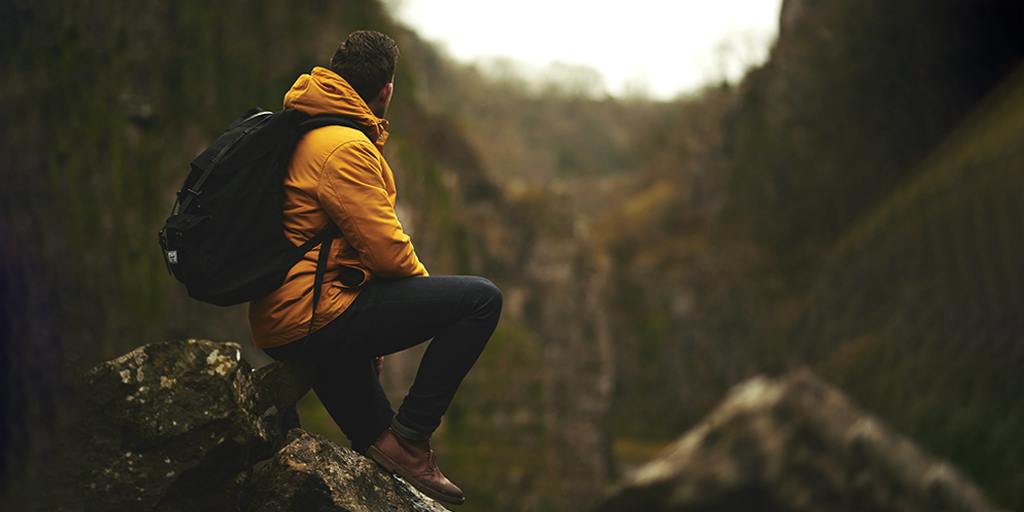
Very few destinations will teach you as much about waterproofing as packing for summer travel in Iceland. The key factor is understanding the difference between water-resistant and waterproof.
The main difference comes down to the saturation level. All material will soak through eventually if it’s doused in water. Water-resistant means the fabric repels light rain for a period of time before eventually soaking through. Waterproof with taped seams means it keeps you dry in sustained, heavy, sideways rain driven by North Atlantic wind. Iceland requires the second category for your outer shell. The first category will let you down within an hour on a genuine Icelandic rain day, and those days happen regularly even in summer.
What to Look For in an Excellent Rain Shell
Look for a Gore-Tex or equivalent waterproof membrane, fully taped seams (not just critically taped), a helmet-compatible hood that adjusts properly, pit zips for venting during active hiking, and waterproof zips on pockets.
Avoid ‘water-resistant’ shells with DWR coating only, non-taped seams, and anything described as a ‘windbreaker’ rather than a waterproof jacket.
Sun Protection in Iceland
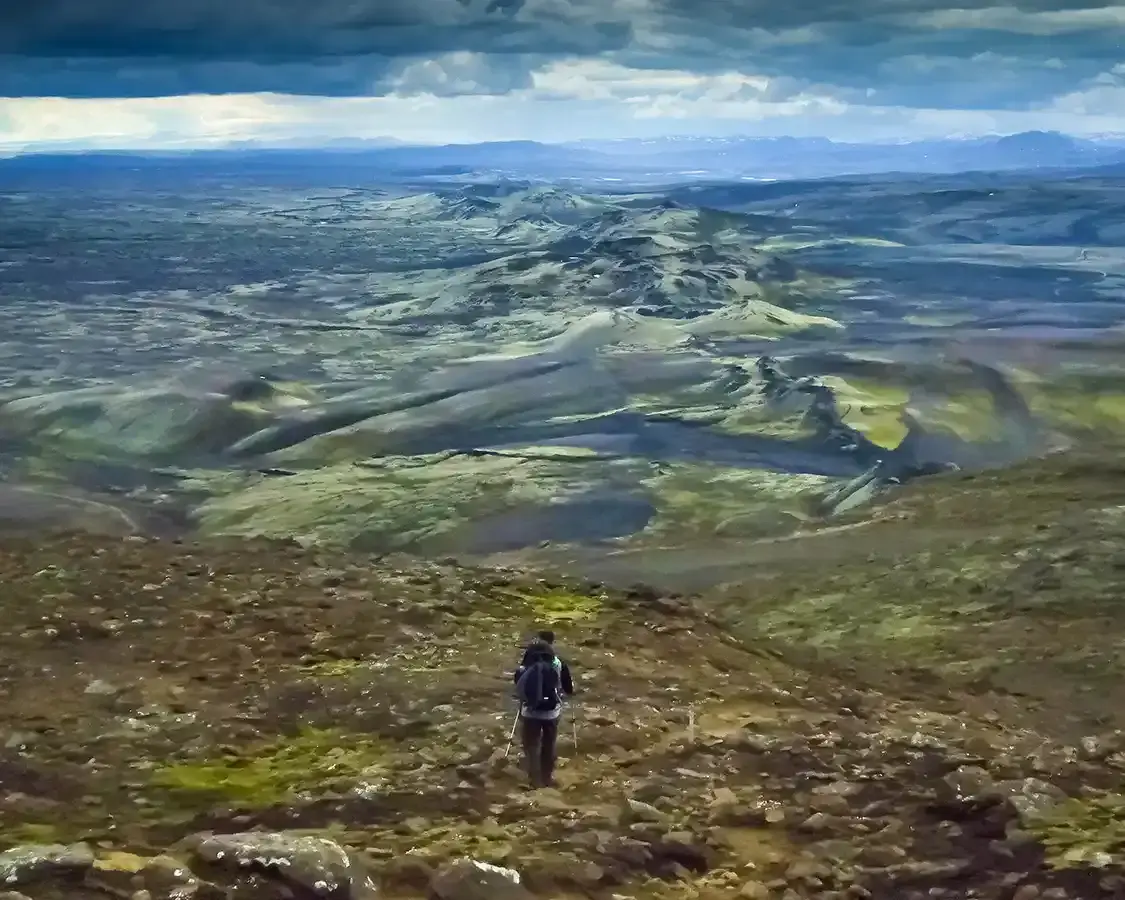
Iceland in summer can catch families off guard when it comes to the strength of the sun. The logic seems wrong: it is cool and overcast much of the time, so how much sun protection could you possibly need? The answer is more than you expect, for two reasons:
- Iceland’s latitude means the sun stays low on the horizon even at midday, which increases UV exposure because you are looking toward the sun rather than away from it.
- The extended daylight of June and July means cumulative sun exposure across a day is significantly higher than in most other destinations, even with cloud cover filtering some radiation.
Bring hats for everyone, primarily for wind and sun protection on exposed coastal and highland terrain. A hat, preferably with some kind of chin strap, that stays on in North Atlantic wind is a practical requirement, not a fashion choice. I usually travel with something like this for Christina and me, and something like this for the kids.
Bring broad-spectrum sunscreen SPF 50+ for the whole family. Apply it even on overcast days, particularly on long outdoor excursions at the South Coast waterfalls, the Highlands, or cliff-top wildlife walks. Bring sunglasses with UV protection for all family members. The glare off glaciers, snow-capped mountains, and open water in Iceland can be significant on clear days.
Gear and Accessories
Bags
- Bring a packable daypack for daily excursions. A good, packable daypack is essential for Iceland’s long hiking days, where you need to carry extra layers, water, snacks, and rain gear. This one compresses to nothing in your main bag.
- Bring packing cubes to organize by activity type. These are a big part of every family trip we make. They help to separate clothing, organize clothing types, and help differentiate everyone’s gear. organized bags. Separate wet gear from dry. Keep hiking layers accessible.

Midnight Sun Sleep Gear
This section is specific to Icelandic summer travel. With up to 24 hours of daylight in June and early July, the sun does not set, at least not for long. The sleep patterns of both adults and children can be affected.
Bring a quality sleep mask for every family member. Most Icelandic guesthouses and hotels provide blackout blinds, but quality varies widely, particularly in smaller rural accommodations. A sleep mask is the guarantee.
Tech and Power
- Bring a portable power bank. This is the one that I use for long days on the road in Iceland. Cool temperatures on glaciers and ice caves can drain phones fast. You don’t want to be without power when the most awe-inspiring landscapes open up in front of you.
- Iceland uses the standard European Type F two-pin outlets at 220V (50Hz). North American travelers need a universal adapter.
- Bring an eSIM for connectivity. I usually use the Airalo eSIMs in order to have service the moment I land in Iceland. Cell coverage is good in Reykjavik and on the main Ring Road. The Westfjords and the highland interior have significant gaps. Download offline maps before heading into remote areas.
- Bring a compact camera with weather sealing if possible. I love the Olympus Tough Series. They’re waterproof, shock-proof, and take excellent photos. Iceland is one of the most photogenic countries on earth, and you may be shooting in the rain. Weather-sealed or, at a minimum, kept in a waterproof bag when not shooting. The landscapes, the puffins at Látrabjarg, and the Northern Lights, if you catch the tail end of aurora season, all reward a proper camera.
Reusable Water Bottles
Bring one reusable water bottle per person. Iceland’s tap water and natural water sources are among the cleanest in the world. A standard reusable bottle works perfectly. The Grayl Geopress that I link to doubles as a filter if you want to fill directly from streams on highland hikes.
Toiletries
Bring From Home
- Sunscreen SPF 50+ for the whole family and enough for the full trip. Reykjavik pharmacies are well-stocked, but smaller towns and guesthouses on the Ring Road may have limited selection.
- Prescription medications with a doctor’s note for anything controlled.
- Children’s paracetamol and ibuprofen in familiar brands.
- Allergy medications. Iceland’s lupine blooms and birch pollen are a real trigger for some families in June and July.
- Motion sickness medication for whale tours, drives along the winding roads of the Westfjords, and the F-road tracks in the Highland interior. These roads are genuinely serpentine, and kids who are prone to motion sickness will feel them.
- Hand sanitizer x2.
- Lip balm with SPF. The combination of wind, cold, and reflected UV in Iceland dries and chaps lips faster than almost any other destination.
- Good moisturizer. The same wind and cold that works on lips works on exposed skin across a full day of outdoor activity.
Buy in Iceland
- Buy shampoo, conditioner, body wash, and toothpaste at Bónus or Krónan supermarkets in Reykjavik before leaving the capital. Options thin considerably once you head east or north on the Ring Road. Most guesthouses provide basics, but not all.
- Buy basic medications and top-ups at Lyf og heilsa or other Icelandic pharmacies in Reykjavik. These are well-stocked, and the staff typically speaks English.
Documents, Money, and Admin
- Bring valid passports for all family members with a minimum of 6 months’ validity beyond your travel dates. Iceland is part of the Schengen Area.
- No visa is required for US, Canadian, UK, EU, and Australian passport holders for stays up to 90 days within the Schengen Area.
- Carry a small amount of Icelandic Króna and a credit card with no foreign transaction fees. Iceland is one of the most cashless societies in the world. Cards are accepted virtually everywhere, including small guesthouses, roadside hot dog stands, and remote fuel stations. Carry a small amount of cash as a backup, but do not rely on ATM access outside the capital.
- Download the 112 Iceland app on your phone before departure. It is the official Iceland emergency response app and allows you to register your location before entering remote areas. Rangers and rescue teams monitor registrations, and it is genuinely useful on highland F-road drives.
- Bring printed and digital copies of your rental car agreement, accommodation confirmations, and emergency contacts.
- Check whether your rental car insurance covers F-roads before driving them. Many standard rental agreements specifically exclude highland F-roads. Purchase supplementary gravel protection and off-road insurance if your itinerary includes the interior highlands.
- Bring travel insurance documents, printed and digital. Medical care in Iceland is excellent, but costs for visitors without coverage are high.
What to Leave at Home
- Leave light water-resistant shells at home. A DWR-coated shell that works perfectly in some countries will soak through in Iceland within an hour of sustained rain. Bring a genuinely waterproof jacket with taped seams.
- Leave your sneakers at home as your primary shoe. If they’re not waterproof, Iceland’s terrain will prove this expensively and uncomfortably. Bring waterproof hiking boots.
- Leave sandals as primary footwear at home. Teva sandals and similar open footwear are useful as secondary shoes for Reykjavik city days and guesthouse use. They are not adequate for Iceland’s trails, lava fields, or highland tracks.
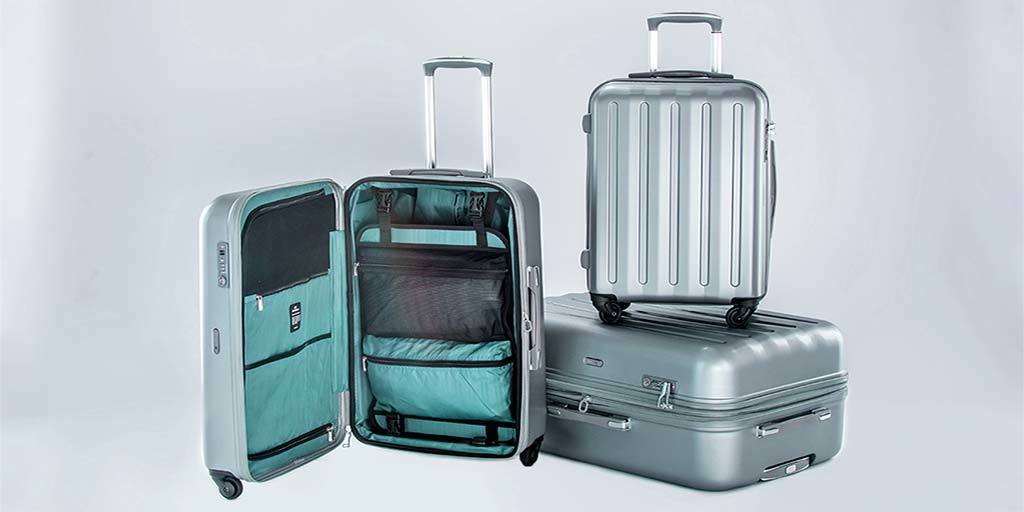
- Leave heavy luggage at home. Iceland’s guesthouses and remote accommodations often have narrow stairways, limited storage, and no lifts. A mid-size soft-sided bag per adult and a smaller bag for kids is the right configuration for a ring road itinerary.
- Leave expensive electronics unprotected at home, or bring a dry bag. Iceland will test every waterproof claim your gear makes.
Quick Reference: Clothing Quantities Per Person
Based on a two-week Iceland summer itinerary covering Reykjavik, the South Coast, the Golden Circle, and the Ring Road.
| Item | Men | Women | Teens | Kids |
| T-shirts | 3-4 | 3-4 | 3-4 | 4-5 |
| Long-sleeve shirt | 1-2 | 1-2 | 1 | 1 |
| Pants | 3 | 3 | 3 | 3 |
| Rain jacket | 1 | 1 | 1 | 1 |
| Dress/Skirt | — | 1-2 | 1-2 | 1 |
| Packable jacket | 1 | 1 | 1 | 1 |
| Swimsuit | 2 | 2 | 2 | 2 |
| Base layer | 2 | 2 | 2 | 2 |
| Underwear | 7 | 7 | 7 | 8 |
| Socks | 7 | 7 | 7 | 8-9 |
Frequently Asked Questions
The average high temperature in Reykjavik in July is around 57 degrees Fahrenheit (14°C), occasionally reaching 68 degrees Fahrenheit (20°C) on warm days. Outside the capital, particularly in the Westfjords, the northern Ring Road, and the Highland interior, it is consistently cooler. Add wind, and the effective temperature drops below what the thermometer suggests. Evenings and early mornings require a proper layer regardless of how mild the afternoon was. Pack for 50 degrees Fahrenheit (10°C) as your baseline and be pleasantly surprised when it warms up.
Yes, and this one surprises families who focus purely on the cold. Iceland’s geothermal hot springs, including the famous Blue Lagoon, the Secret Lagoon at Flúðir, and dozens of natural hot pots along the Ring Road, are one of the great pleasures of a summer visit. Sitting in 102 degrees Fahrenheit (39°C) geothermal water while the North Atlantic wind blows overhead is a genuinely Icelandic experience. Bring one swimsuit per person at a minimum and a quick-dry towel.
Iceland is one of the safest countries in the world by virtually any measure. Crime is essentially nonexistent by North American or European standards. The main safety considerations for families are natural rather than social: Iceland’s waterfalls and cliffs have limited fencing, and the terrain can be genuinely hazardous off designated paths. Supervision near cliff edges at Látrabjarg and other bird cliffs, the spray zones around major waterfalls, and on uneven lava fields is important. Register your location in the 112 Iceland app before heading into remote areas.
For a standard Ring Road itinerary sticking to Route 1 and main paved roads, a standard 2WD vehicle is adequate. If your itinerary includes highland F-roads, the Westfjords’ more remote tracks, or any river crossings, a 4WD vehicle is necessary, and most rental agreements require it for those roads. Check your specific rental agreement before booking, as many standard policies specifically exclude F-roads and off-road driving.
July is the most reliable month for temperature and conditions and the month when the Highland F-roads are most consistently open after the winter closure. June offers the most dramatic midnight sun experience and generally good conditions. August is excellent, but it begins to feel the approach of autumn from mid-month, and puffins start departing their cliff colonies by late August. For a first Iceland family trip, July is the safest choice.
Yes, and Reykjavik, Akeyeri, and other major cities have better outdoor gear options than most visitors expect. 66°North, Cintamani, and international brands, including The North Face and Patagonia, all have stores in the cities. Prices are significantly higher than in North America or the rest of Europe, so stock up at home. Buy anything you forgot in Reykjavik before heading onto the Ring Road, as options thin considerably once you leave the capital.
Travel Resources For Families Visiting Iceland
For practical planning, safety considerations, and logistics, these dedicated guides provide all of the resources you need for family travel in Iceland.
Final Word on Packing for Iceland in Summer
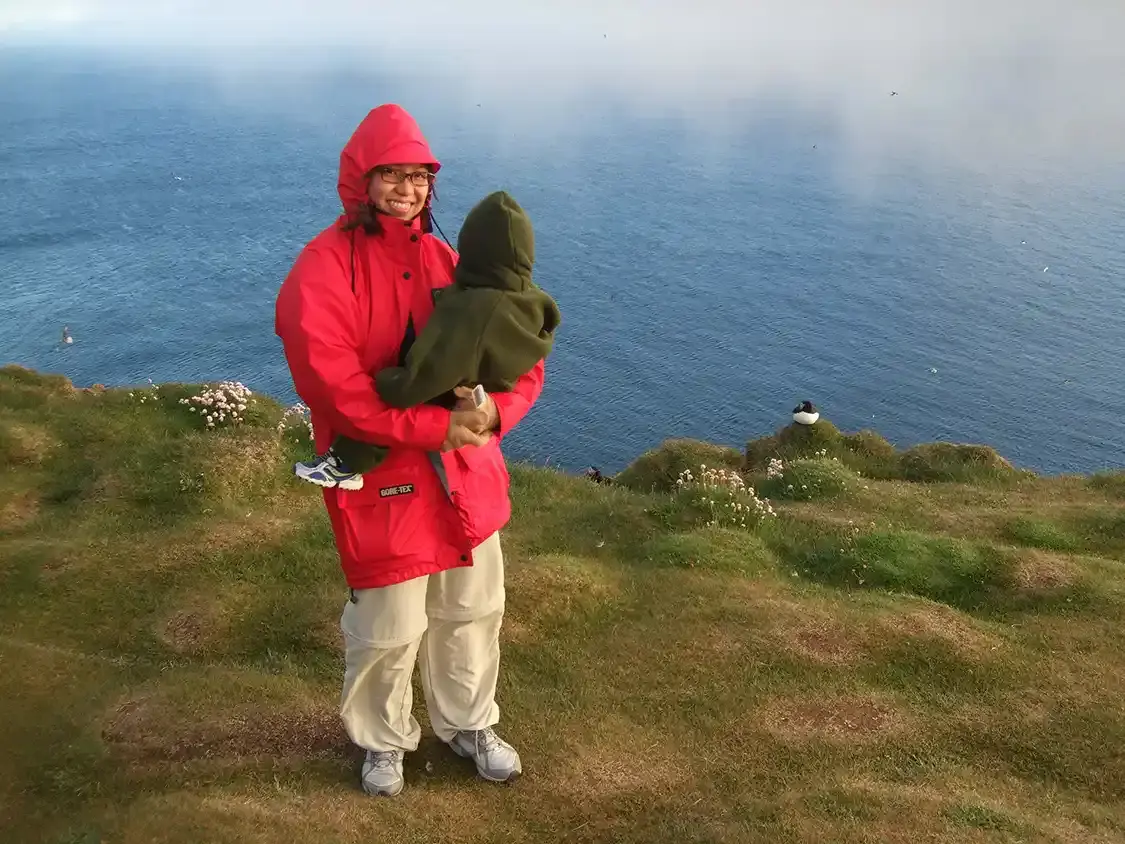
There was a moment on the Látrabjarg puffin cliffs in the Westfjords when the wind dropped just long enough for everything to go quiet. I was standing at the edge of Europe’s largest bird cliff, the Atlantic stretching out infinitely below me, and a puffin was waddling past at arm’s length with complete indifference to my existence. Christina was just a few steps away, holding Cohen, his arms stretched out against the golden light of a 1 am Icelandic sunset while he stared in awe.
If you are a kid, this is one of the greatest things that has ever happened to you. If you are a parent, it is a moment you will carry for the rest of your life.
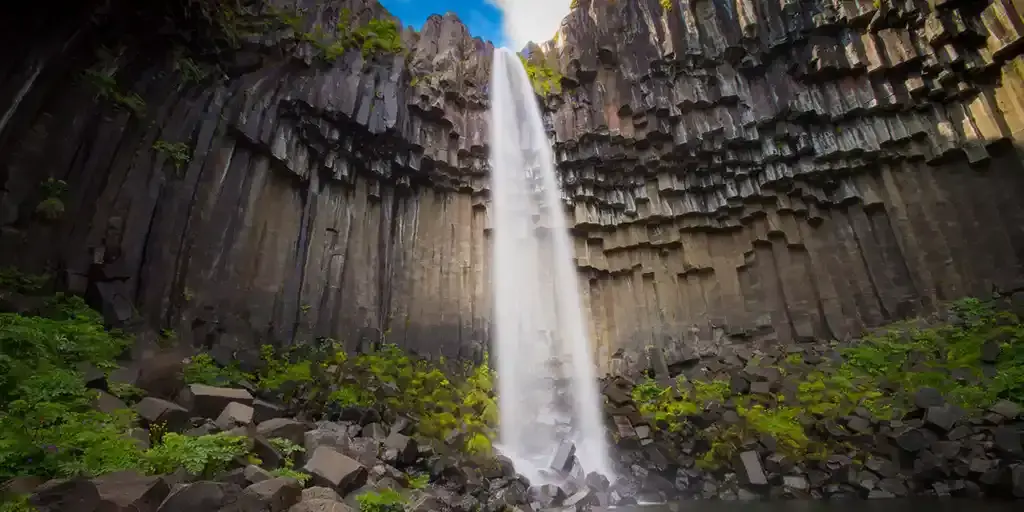
Iceland consistently delivers these unforgettable moments. Standing in the spray of Skógafoss. Drifting between two tectonic plates in the blue silence of the Silfra fissure. Driving the highland interior on roads that look like the surface of another planet entirely, with no other vehicle in sight for hours.
The families who arrive in Iceland with the right waterproof shells, the right boots, the right merino base layers, and a sleep mask for the midnight sun get to be fully present for all of it. The ones who do not spend the second morning in Reykjavik looking for a proper rain jacket.
Iceland tests your gear every single day. Pack for that. Everything else will be given to you freely.
Wandering Wagars is a participant in the Amazon Services LLC Associates Program, an affiliate advertising program designed to provide a means for sites to earn advertising fees by advertising and linking to amazon.com, amazon.co.uk, amazon.ca. Amazon and the Amazon logo are trademarks of Amazon.com, Inc. or its affiliates.
You May Also Like To Read:
Pin This For Later:
Michael Miller
Sunday 26th of July 2020
I love all your blogs. We are going for 9 days this August and I can't wait. Your info is so helpful. Thank you so much.
Kevin Wagar
Sunday 26th of July 2020
I'm happy to hear that we've been of help! I hope that you have an absolute blast on your trip.
Mo
Thursday 19th of March 2020
Thank you for a useful list, Kevin. I wish you had also included links for male clothes on Amazon, but anyway, it is great! I think you have covered everything!
Kevin Wagar
Friday 20th of March 2020
Hi Mo! Great point. This article was actually created by Christina (probably why the focus was on women's clothes). I'll go through all of our gear posts and update them with my top choices as well. Thanks for pointing that out. Check for an update next week.