
The complete family packing list for Thailand, covering men, women, teens, and kids across all three seasons. Built from firsthand family travel experience
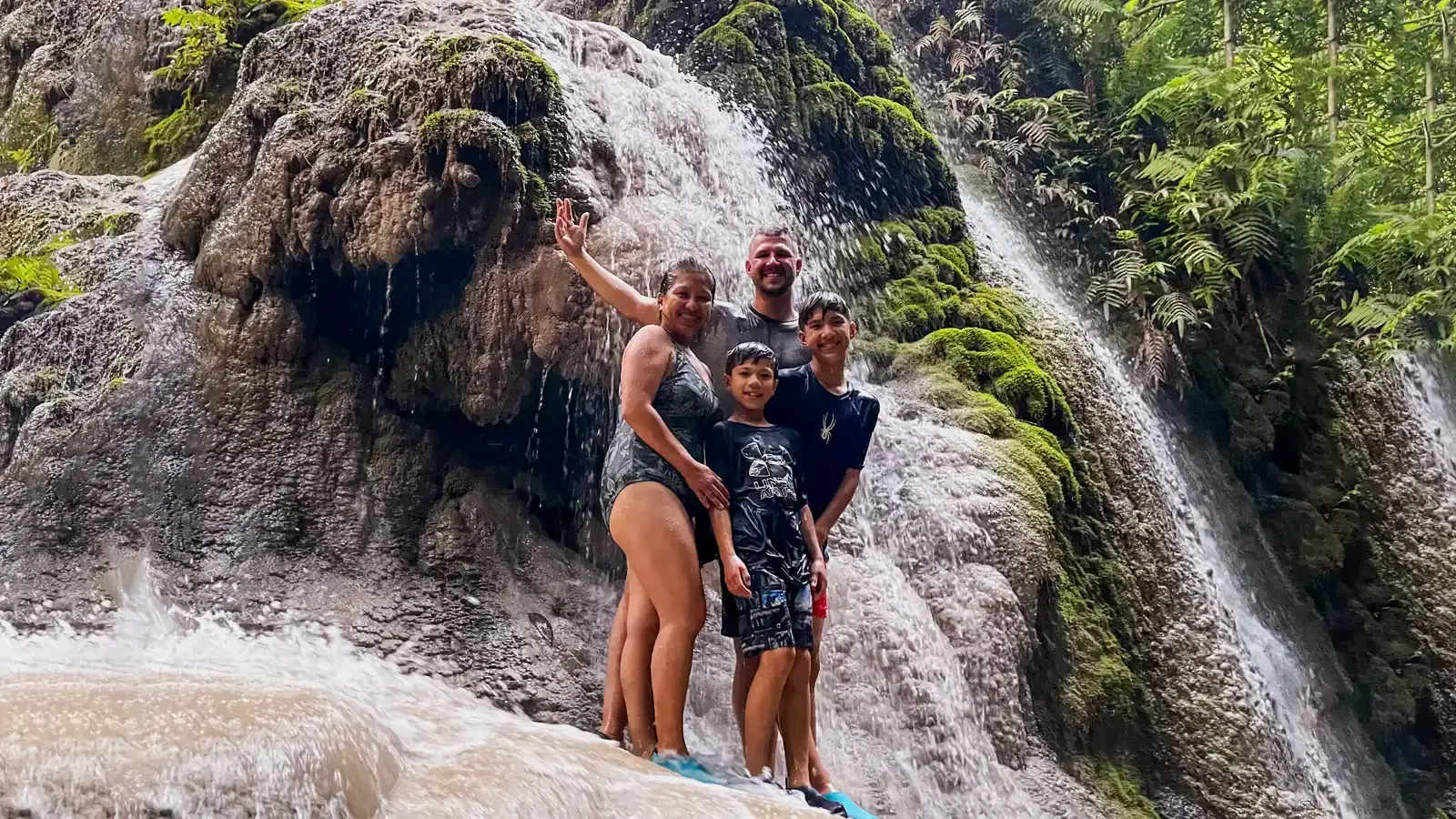
Packing for Thailand isn’t like packing for one trip. It is three countries wearing the same badge.
There is urban Thailand, with Bangkok’s street markets and grand temples, where 95-degree heat and 90 percent humidity turn the wrong shirt into a wet rag by 10 am. There is the Thailand of Chiang Mai and the northern mountains, where December mornings are cold enough to see your breath and the air conditioning inside every restaurant is set to a temperature that’s more suitable for storing meat than enjoying a meal. And there is the Thailand of Phuket, Koh Sok, and the Phi Phi Islands, where the answer to every packing question starts with whether it will survive being completely soaked.
Most families pack for their first trip to Thailand, those bustling markets and packed temples, and show up underprepared for the other two.
My family has traveled through Thailand, in detail: paying alms to monks at dawn in Chiang Mai, Christina and I watching Cohen and Dylan go completely silent the first time they stood face to face with a rescued elephant at Elephant Hills in Khao Sok, riding the Death Railway through the jungle outside Kanchanaburi, and wading into the impossible blue of Maya Bay on the Phi Phi Islands.
We have packed for all of it. This family packing list is what actually works for Thailand travel.
What You’ll Find in This Packing Guide for Thailand
Thailand throws a unique set of packing challenges at traveling families that most packing guides either gloss over or miss entirely:
- Thailand has three genuinely different seasons. The cool season from November through February is the best time to visit and requires the lightest packing. The hot season from March through May. It’s intense. The wet season from June through October brings daily rain and humidity that tests everything in your bag. This guide covers all three.
- Temple dress requirements. Thailand’s Buddhist temples are active places of worship, and they have a dress code. Covered shoulders and knees are required at most major temples. The good news is that this is far simpler to manage in Thailand than in many other countries, and this guide tells you exactly how.
- Active Travel. A Thailand family trip can go from a Bangkok street food tour to a jungle trekking day outside Chiang Mai to a longtail boat to a remote beach, all in the same week. What you put in your suitcase needs to handle all of it.
- Humidity and quick-dry clothing. Most Thai guesthouses and smaller hotels do not have hair dryers or laundry facilities. Anything that cannot be hand-washed and air-dried overnight becomes a logistical nightmare quite quickly. Linen, travel nylon, and moisture-wicking fabrics are your friends. Denim is best left at home.
- Family packing logistics. What works for adults in the Thai heat is often completely wrong for kids. This guide accounts for both.
This Thailand packing guide is organized by season, with specific callouts for men, women, teens, and kids throughout.
Before You Pack: Understanding Thailand’s Seasons and Climate
Thailand has three distinct seasons, and where you are in the country matters as much as when you go. Here are the broad strokes to help you understand what to pack for family travel in Thailand:
Cool Season: November through February
This is the Thai sweet spot. Temperatures across most of Thailand sit in the low to mid-80s Fahrenheit (27 to 30 degrees Celsius) in the south and on the coast, and drop into the pleasant 60s and 70s (15 to 25 degrees Celsius) in the north and in Chiang Mai. Skies are clear. Rain is minimal. It is the best time to visit Bangkok, the best time to trek in the north, and the best time to be on the islands. Book early because everyone else has figured this out, too.
Northern Thailand and Chiang Mai in December and January can drop into the low 50s Fahrenheit (11 to 15 degrees Celsius) overnight. That is cool enough to want a light layer in the evenings, and noticeably cold on early morning excursions like dawn almsgiving. Pack accordingly if the north is on your itinerary.
Hot Season: March through May
This season can be seriously hot. Bangkok in April regularly hits 100 to 104 degrees Fahrenheit (38 to 41 degrees Celsius). Chiang Mai bakes. Even the beaches feel more like endurance events than relaxation in the midday sun of May. March is manageable. April and May are for people who really, really like heat or have no choice about timing.
April is Songkran, Thailand’s water festival and New Year celebration. The entire country engages in a multi-day water fight. It is one of the most joyful and chaotic things you will ever experience as a family. Everything you wear gets soaked. Pack accordingly.
Wet Season: June through October
During this season, the rains arrive, and they arrive with an attitude. This doesn’t mean that it rains all day, every day. It does mean that you should expect a serious downpour at some point during most days, often in the afternoon, often for an hour, often warm enough that getting caught in it is more of an adventure than a disaster. The upside: the crowds thin dramatically, prices drop, and Thailand’s rice paddies and jungle turn an extraordinary shade of green.
The Andaman coast (Phuket, Krabi, Phi Phi) gets the worst of the wet season weather. The Gulf of Thailand coast (Koh Samui, Koh Tao) has its own rain pattern and is often drier when the Andaman is at its worst. The north of Thailand and Bangkok are manageable in the wet season with the right gear.
What Nobody Tells You About Thailand’s Heat
The temperature doesn’t tell the full story about the heat in Thailand. Bangkok’s temperature can be 95 degrees Fahrenheit (35 degrees Celsius) with 90% humidity. When this happens, it can feel genuinely different from a dry 95 in the desert.
Add the fact that you are walking between temples, tuk-tuks, markets, and air-conditioned restaurants that run their cooling to arctic levels, and your family needs clothing that handles both extremes.
Quick-dry fabrics and a light layer for indoor air conditioning are not optional. They are the two items that make Thailand comfortable versus miserable for kids, especially.
Thailand Cool Season Packing List (November through February)
Thailand’s cool season is the most forgiving season to pack for. The temperature is hot, but not punishing. The humidity eases. A well-chosen lightweight wardrobe handles everything from Bangkok temple days to Chiang Mai evening markets to Phuket beach days without much drama.
Cool Season: Clothing for Men and Teens
Thai men in Bangkok dress sharply in the city and casually at the beach. The standard in any good restaurant or rooftop bar leans toward fitted shirts and clean trousers. You do not need to match them, but cargo shorts and a souvenir t-shirt will ensure you stick out for the wrong reasons in nicer places.
- 3 to 4 lightweight short-sleeve shirts (linen or moisture-wicking): Columbia Utilizer Short Sleeve Shirt. Dries overnight, packs small, and does not wrinkle after three days in a suitcase. The workhorse of this list.
- 1 to 2 lightweight long-sleeve shirts for temple days and cool Chiang Mai evenings: PJ Paul Jones Long Sleeve Linen Shirt. Also pulls double duty as a layer when the Thai restaurant’s air conditioning goes full arctic.
- 2 pairs of lightweight linen or cotton travel pants: Sailwind Men’s Linen Pants. Required for temple visits. Also significantly more comfortable than jeans in any Thai heat.
- 1 to 2 pairs of light shorts: Columbia Silver Ridge Shorts. Beach days, floating markets, tuk-tuk rides, casual afternoons. Knee-length reads better in most Thai contexts than very short shorts.
- 1 to 2 swimsuits or board shorts. Two if significant beach or river time is on the itinerary.
- 2 rash guards (UPF 50+) for beach days and boat trips: Amazon Essentials Men’s Rash Guard. The Thai sun on open water is serious. A rash guard does more work than sunscreen reapplication on a full day at sea.
- 1 light packable layer for Chiang Mai evenings and air-conditioned everything: Columbia Men’s Delta Ridge Down Jacket. Chiang Mai in December can drop into the 50s overnight. Bangkok restaurants set their A/C to temperatures that have no relationship to the heat outside. One packable layer solves both problems.
- Underwear x7: lightweight, quick-dry.
- Socks x7: lightweight merino wool or wool-blend. Merino handles Thai heat and humidity better than cotton and resists odour on long temple days.
Cool Season: Clothing for Women and Teens
Christina’s approach to Thailand packing: flowy, versatile, and stylishly practical. A good linen maxi dress is the single best item a woman can bring to Thailand. It covers the temple dress code, works for dinner, handles the beach, and breathes properly in the heat. One item doing five jobs is the kind of packing math that makes sense.
- 3 to 4 lightweight linen or cotton tops: Amazon Essentials Women’s Linen Blend Top
- 2 pairs of lightweight travel trousers or linen pants: Rekucci Women’s Wide-Leg Linen Pants
- 1 to 2 midi or maxi dresses: Women’s Maxi Travel Dress. The most versatile item in the bag. Covers temple requirements, works for dinner, doubles as a beach cover-up, and breathes properly in Thai heat in a way that most other clothing does not.
- 1 pair of shorts for beach days and casual resort time: Women’s Everyday Shorts
- 1 lightweight cardigan: Amazon Essentials Women’s Lightweight Cardigan. For temple shoulder coverage on days when the maxi dress is in the laundry, and for the genuinely aggressive air conditioning in Thai malls, restaurants, and overnight buses.
- 1 long skirt or wide-leg trousers for temple days: Women’s Wide-Leg Travel Trousers
- 2 swimsuits with cover-up or sarong: Women’s Swimsuit with Sarong Combo
- 2 rash guards (UPF 50+): Kanu Surf Women’s Rash Guard
- 1 light packable jacket for cool Chiang Mai nights and air-conditioned spaces: Columbia Women’s Heavenly Long Hooded Jacket
- Underwear x7: lightweight, quick-dry.
- Socks x7: lightweight merino wool or wool-blend. Merino handles Thai heat and humidity better than cotton and resists odour on long temple days.
Cool Season: Clothing for Kids Under 12
- 4 to 5 lightweight t-shirts.
- 2 to 3 pairs of shorts.
- 2 pairs of lightweight pants or joggers for temple days and cooler northern evenings.
- 2 swimsuits.
- 2 rash guards (UPF 50+): Oneill Kids’ Rash Guard (UPF 50+). Kids absorb more sun than they notice. A UPF shirt on a long beach or boat day is the easiest sun protection decision you can make.
- 1 light fleece or packable jacket for Chiang Mai evenings. Cool season nights in the north get genuinely cold for kids who have been running around in the heat all day.
- Underwear x7 to 8
- Socks x7 to 8.
Thailand Hot Season Packing List (March through May)
The hot season in Thailand is not a metaphor. Bangkok in April regularly hits 100 to 104 degrees Fahrenheit (38 to 40 degrees Celsius). The humidity can border on the unbearable. The packing goal during the hot season is radical simplicity: as few layers as possible, the lightest fabrics available, and a genuine commitment to quick-dry everything.
The cool-season list is your foundation. The hot season asks for a few specific adjustments.
Hot Season Adjustments
- Increase the number of lightweight short-sleeve shirts to 4 or 5 per person. You will sweat through one before lunch. Having enough to rotate without relying on same-day laundry is the difference between comfortable and miserable.
- Swap long-sleeve shirts for the lightest linen option you can find. Long-sleeve coverage is still useful for temple visits, but needs to be truly airy rather than simply light.
- Reduce heavy layers entirely. The packable puffer stays home for hot-season travel unless your itinerary includes significant time in Chiang Mai or northern Thailand in March, when evenings are still cool.
- Quick-dry underwear is genuinely important in the hot season in a way that it is not in December. Cotton holds moisture in the Thai heat and humidity in a way that becomes uncomfortable fast.
- For kids, add one extra t-shirt per day of the trip and expect to rinse things out nightly. The Thai heat hits kids harder than adults because they are moving more and complaining about it less until they suddenly are not fine at all.
Songkran Packing Note (April 13 to 15)
If your trip overlaps with Songkran, Thailand’s New Year water festival, plan to get completely drenched every single day. Do not wear anything you cannot afford to soak.
Waterproof your phone. Leave your good camera at the hotel. Wear clothes you can wring out and hang up. It is one of the most joyful experiences in family travel anywhere in the world. Just don’t pack for it like a normal Thailand day.
Thailand Wet Season Packing List (June through October)
The wet season in Thailand is the most misunderstood season in Thailand. Most people avoid it. That is mostly a mistake. The rain comes hard and fast, typically in the afternoon, and then it passes. Mornings are often glorious. Prices are lower. Crowds are thinner. The jungle is extraordinary. What you need is the right gear.
Wet Season Adjustments
- Add a packable waterproof rain jacket per person. This is the one item that separates a comfortable wet season experience from a soggy, miserable one. A proper rain shell, not just a poncho. Here are the ones that I recommend for men, women, and children.
- Waterproof sandals or shoes become more important than in cool or hot weather. Wet market streets, muddy temple paths, and rain-soaked river banks are what you are navigating daily. I love these ones; they have versions for men, women, and children.
- A dry bag and/or waterproof phone case for market days, boat rides, and any outdoor activity. The rain in the wet season is not a sprinkle. When it arrives, it arrives with fury.
- Quick-dry fabrics are a must rather than recommended. Clothing that does not dry overnight becomes a mold problem within a few days in the wet season humidity. Test everything at home before packing.
- Insect repellent becomes more critical in the wet season as mosquito populations peak. More on this in the gear section below. Insect repellent with DEET is recommended for teens and adults. This DEET-free insect repellent is better for younger children.
Footwear for Thailand
Footwear in Thailand needs to perform several functions at once. It needs to handle Bangkok’s streets. It needs to come off and on easily, because you will need to remove your shoes at every temple and some guesthouses before you enter. It needs to survive being wet because you’ll likely be on river boats, floating markets, beach transfers, and experiencing wet-season rain at some point. And it needs to be comfortable enough for long day trips.
The biggest mistake most families make in Thailand is bringing footwear that is either too nice to get wet or too casual to handle a full day of walking.
Men, Women, and Teens
- Comfortable water sandals with ankle support: Teva Hurricane Drift. The primary Thailand footwear for most itineraries. Slips on and off quickly at temple entrances, handles wet markets and boat landings, dries immediately, and is comfortable enough for a full day of Bangkok sightseeing. Pack these and one other pair, and you have Thailand covered.
- Lightweight, waterproof walking shoes or trail runners for longer day trips, Chiang Mai trekking, and cooler season mornings in the north. I wear these ones, Christina wears these, and the kids usually have these on.
- Flip-flops for guesthouse use and beach days. Do not rely on flip-flops as your primary shoe for a Thailand trip. They fail faster than expected on Bangkok’s uneven pavements and are torturous on long days exploring temples.
Kids
- Closed-toe water sandals: Teva Hurricane Drift work well for kids, too. They slip on and off at temple entrances without drama, and handle every wet situation Thailand produces, protect toes on market streets and boat gangways, and are machine-washable when the river mud situation gets out of hand. Bring these and a pair of trail runners, and the kids are set for every Thailand scenario.
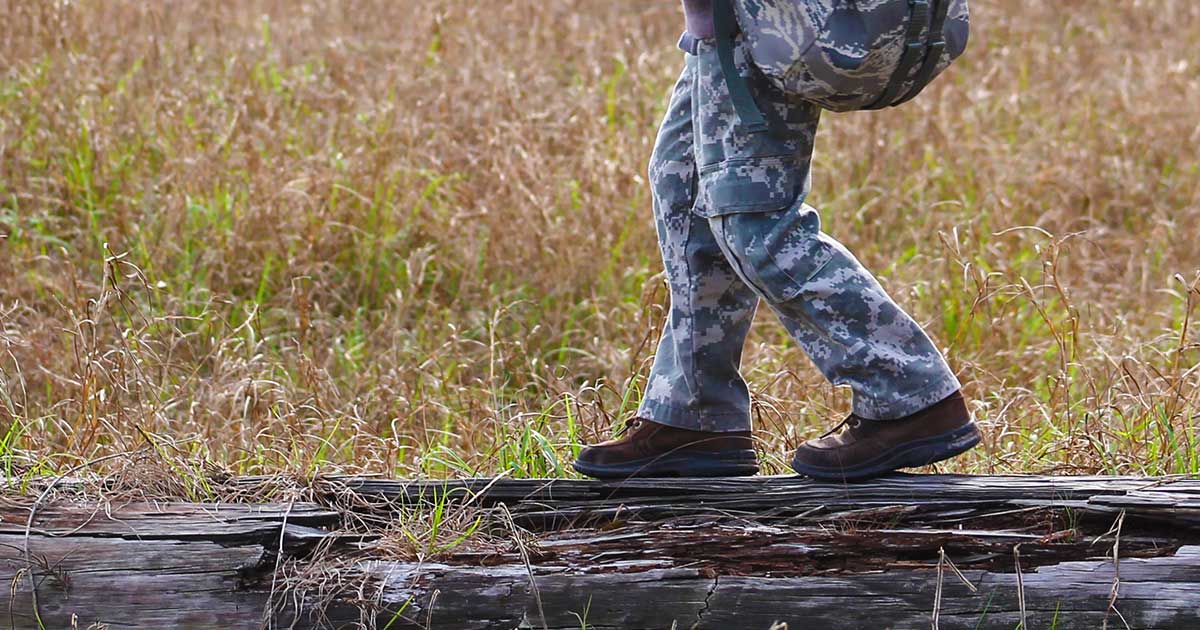
- Trail runners for trekking and longer walking days: Salomon Kids’ Speedcross
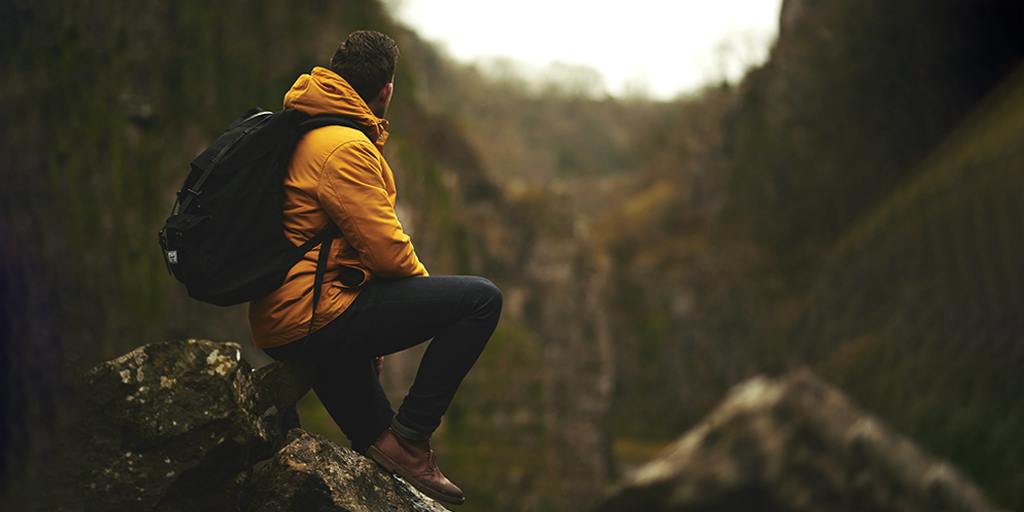
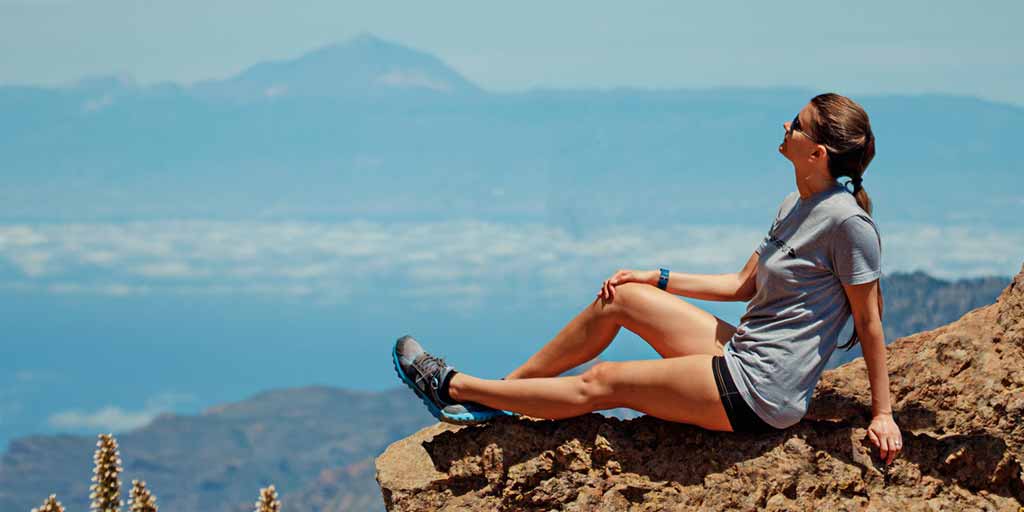
What to Pack for Thai Temple Visits
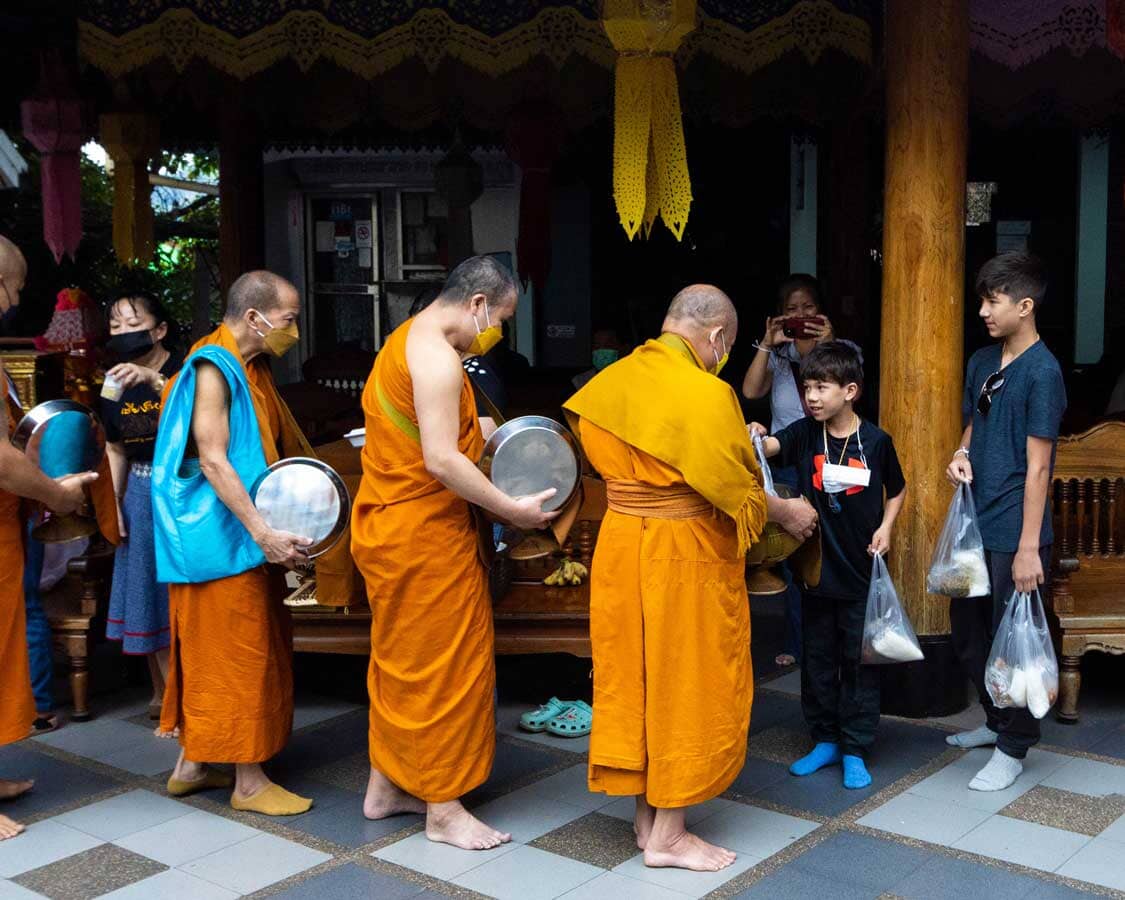
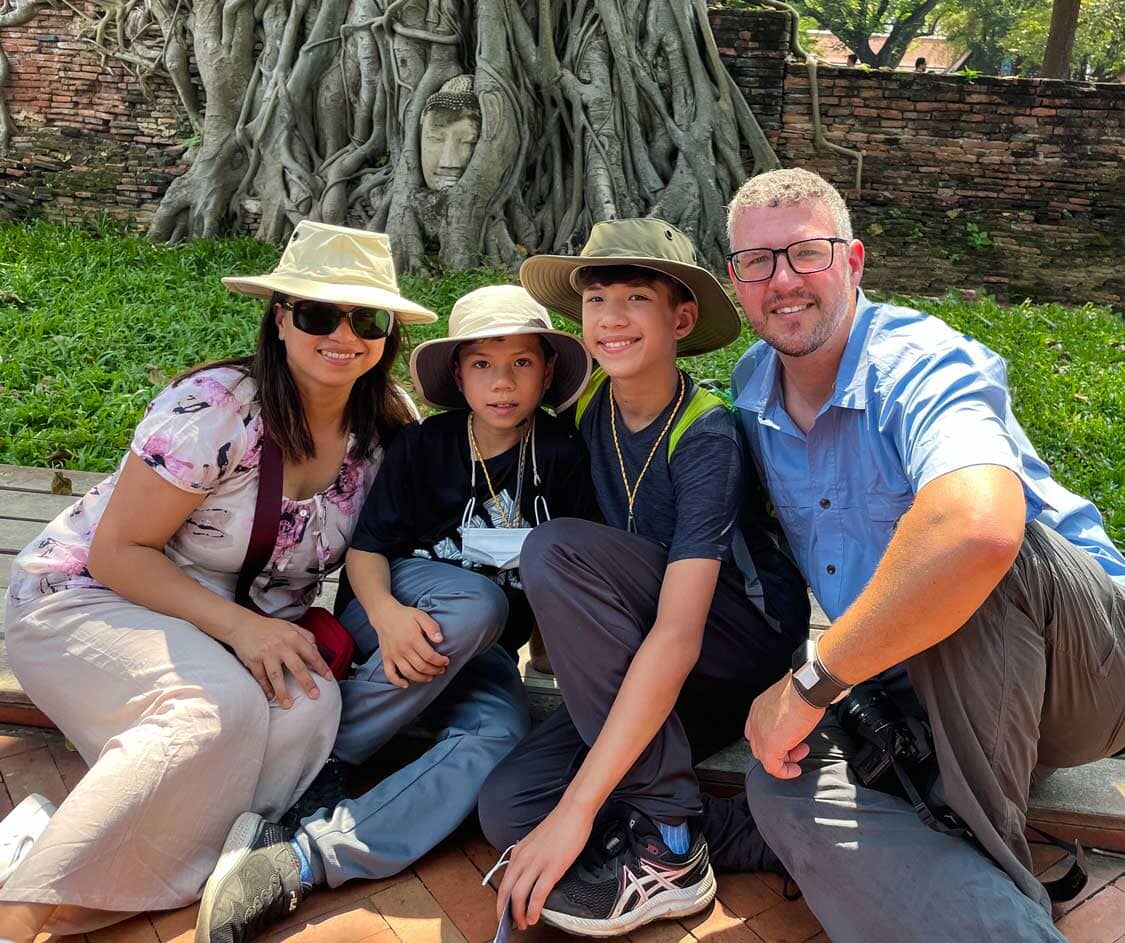
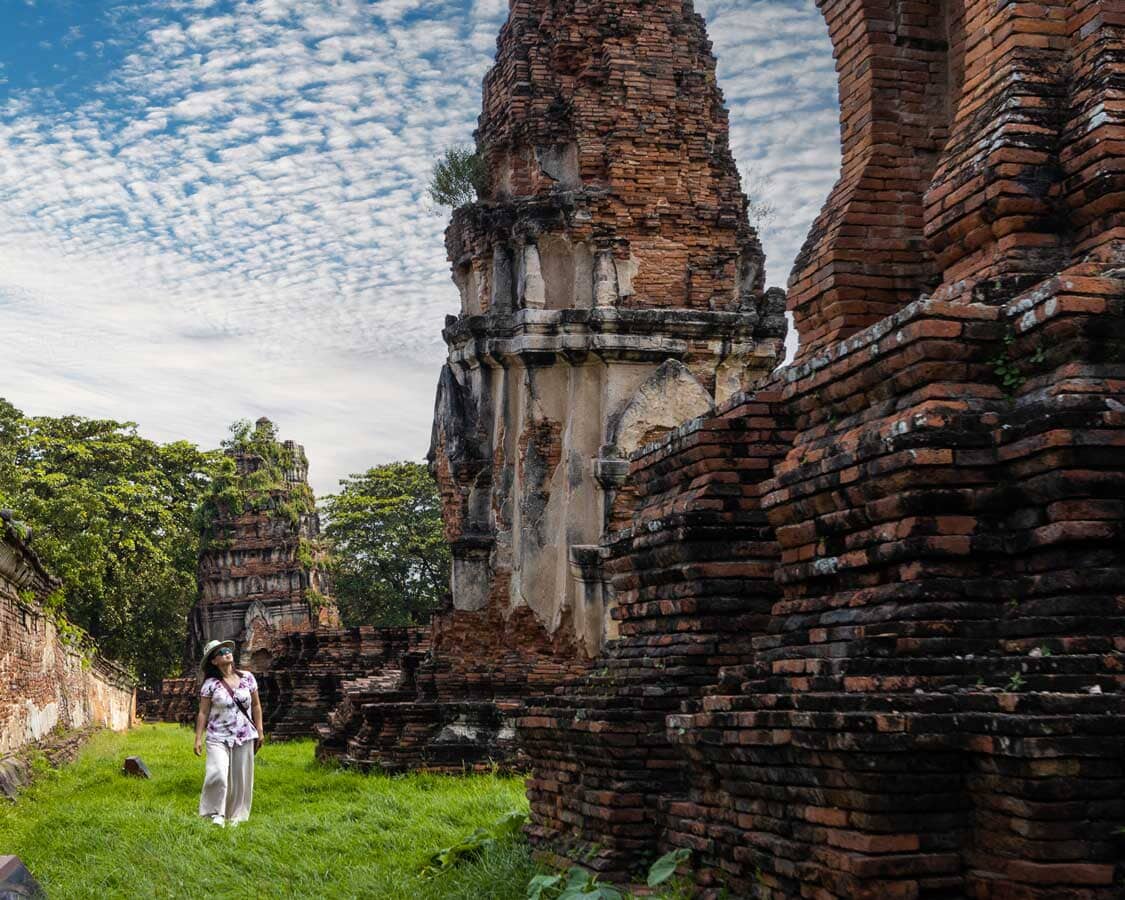
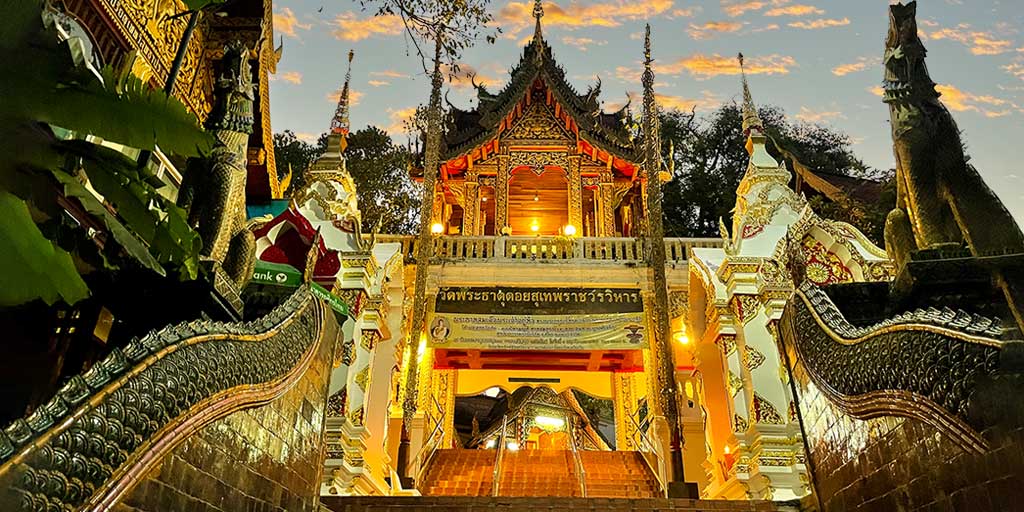
Buddhist temples are a defining experience of any Thailand family trip. Wat Pho, Wat Phra Kaew, Doi Suthep above Chiang Mai, and the temples of Ayutthaya. They are among the most religious sites on earth, and they are active places of worship, not tourist attractions with a temple aesthetic.
The temple dress code is consistent and easy to manage if you pack for it in advance:
- Shoulders must be covered. For men and women. A lightweight linen shirt or the cardigan already in your bag handles this. Alternatively, pick up a nice shawl or wrap from a local market.
- Knees must be covered. Trousers, a long skirt, or a maxi dress. Most temples sell or loan cheap wrap-around sarongs at the entrance if you arrive unprepared.
- Shoes must be removed at the entrance to all temples and most indoor shrines. Shoes that slip on and off easily are not a convenience; they are a practical necessity on a day with multiple temple visits.
- There is no head covering requirement for women at Buddhist temples.
A long-sleeve linen shirt, a maxi dress, or linen trousers plus a cardigan cover every temple situation in Thailand without requiring any additional purchases. The clothing already on this list handles it.
Sun Protection for Thailand Travel
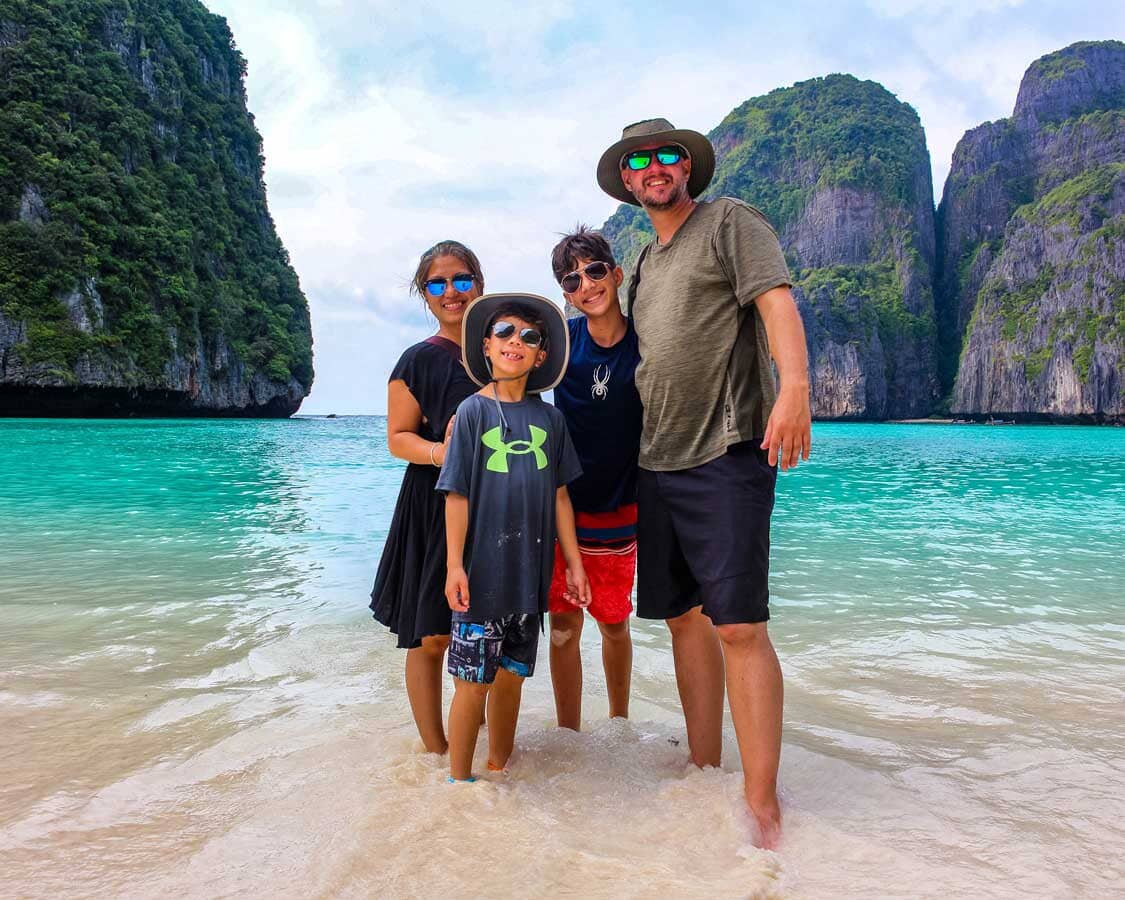
Thailand’s UV index is extreme year-round. Even in the cool season, the tropical sun at midday is more powerful than most visitors expect. Ancient temples in Ayutthaya, long-tail boat days in Phuket, trekking outside Chiang Mai, and river time in Kanchanaburi all involve significant direct sun exposure with little shade.
- Reef-safe or broad-spectrum sunscreen SPF 50+: ThinkSport Everyday SPF 50+. Bring your own. Thailand has pharmacies and 7-Elevens everywhere, but quality sunscreen is expensive and inconsistently stocked outside major cities.
- Wide-brim sun hat (UPF 50+) for men: Tilley LTM6 Broad Brim Hat. Ventilated and packable. A full day at the temples of Ayutthaya without a hat is punishment. Wide-brim sun hat (UPF 50+) for women: Dorfman Pacific Women’s Sun Hat. Kids’ sun hat with neck flap (UPF 50+): Outdoor Research Kids’ Helios Sun Hat. The neck flap matters. Kids burn on the back of the neck and the top of the ears before they register that anything is wrong.
- Polarized sunglasses for all family members. Kids’ polarized sunglasses. Choose ones that actually stay on.
Bags
Having a good travel bag is essential, no matter what kind of travel you’re doing. At the beach, you need somewhere to keep the sand out of everything. On the trail, you’re going to want to store cameras and water somewhere, and in the city, it becomes your catch-all for souvenirs and leftovers.
You can check out my guide to the best hiking daypacks here. For travel in Thailand, I suggest:
- Packable daypack: The Sea To Summit Ultra Sil compresses to nothing, holds everything. One per family is usually enough.
- Sling bag: A sling bag is my go-to packing source for short hikes and urban travel. They’re light, small, and subtle. The Alpaka Metro is excellent for crowded market days, both hands free, and valuables close.
- Packing cubes: Shacke Premium packing cubes can make the difference between sanity and chaos when packing for a family of four. We never travel without them.
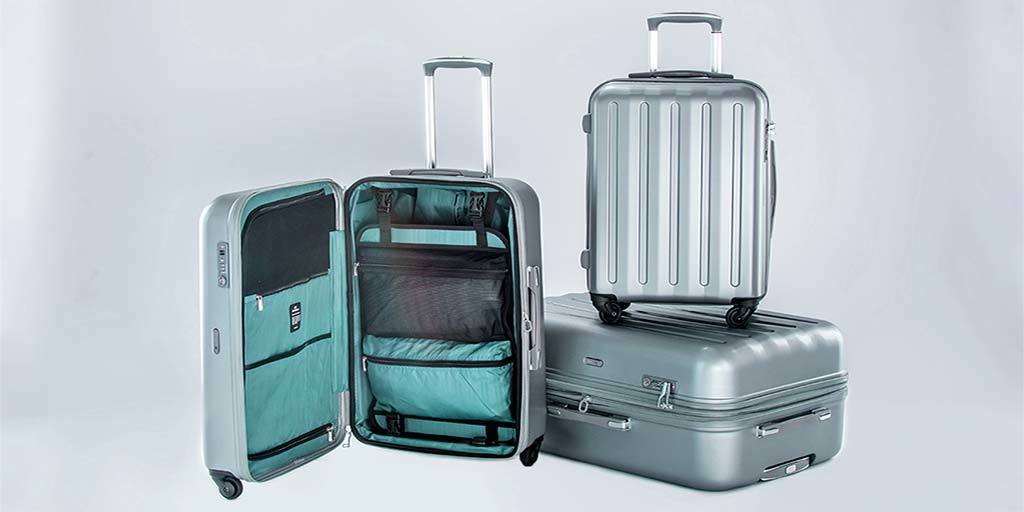
- Luggage: Use what you have, or you can check out my guides to the best luggage for families this year and the best carry-ons for families this year.

Camera Gear
Thailand is jaw-droppingly photogenic. The temples, the lush jungle, the lakes, and rivers at sunset. The turquoise sparkle of the southern coast. You will regret not having a capable camera.
I’m a bit of a photography snob. You can check out some of my best photos on my personal site here. I won’t sit here and tell you what camera to bring, but I will say that if you bring a point and shoot, make sure it’s a durable one like the Olympus Tough Series (kids can use it without fear of breaking, and it’s waterproof). Or you can bring a great mirrorless or DSLR for some truly spectacular shots. This is what I have been using for a few years, and it’s always served me well, paired with great lenses.
Essential Gear
- Packable quick-dry towel: Bring one per person. Sea to Summit is what we use. Thai spas sometimes include a towel; smaller guesthouses often don’t. Also invaluable for beaches, pools, or drying off after a sweaty hike.
- Light rain jacket: summer Istanbul thunderstorms come out of nowhere: For men, this is my go-to. This is the rain jacket Christina depends on, and this is the one that my kids use.
- Reusable water bottles: I like to travel with a filtered one, so I always have access to water. One per person: Gayle Geopress is our go-to.
- Portable phone charger: Nitecore 10000 is reliable, lightweight, and you can get a couple of good charges out of it. Bring at least one per two devices.
- Universal travel adapter (Thailand uses Types A, B, C, F, and O): I like this travel adapter because of the extra USB-C ports.
Insect Protection
Thailand has mosquitoes. Not Amazon-level, but real enough to take seriously, particularly in the wet season, in the jungle and river areas, and at dawn and dusk anywhere in the country. Dengue fever is present in Thailand. Take the precautions.
- Adults: Sawyer Premium Picaridin Spray (20%). Effective against mosquitoes and other insects without the harshness of high-DEET formulations.
- Kids: Sawyer Kids Picaridin. DEET-free, same effective protection, gentler formula for children.
- Permethrin clothing spray for the jungle and river legs of the trip. Treat shirts and pants at home before packing. Apply to clothing only, never to skin.
Filtered Water Bottle
One per person: Grayl GeoPress Water Purifier Bottle. Tap water in Thailand is not safe to drink directly. A filter bottle removes the need to buy plastic bottles constantly, which both reduces waste and saves real money on a multi-week trip.
Toiletries: What To Bring, and What To Leave at Home
Bring From Home
- Sunscreen SPF 50+ and bring enough for the trip: ThinkSport Everyday SPF 50+. Available in Bangkok pharmacies, but expensive. Stock up at home.
- Insect repellent for adults: Sawyer Premium Picaridin Spray (20%)
- Insect repellent for kids (DEET-free): Sawyer Kids Picaridin
- Prescription medications with a doctor’s note for anything controlled.
- Children’s paracetamol and ibuprofen in familiar brands. Thailand’s pharmacies are well-stocked, but foreign brand familiarity matters at 11 pm in a remote river lodge.
- Oral rehydration salts. Heat, humidity, and unfamiliar food can combine to dehydrate kids faster than parents notice. Keep these in the daypack.
- Allergy medications.
- Basic first aid supplies, including blister plasters for temple days.
- Hand sanitizer x2.
Buy in Thailand
- Shampoo, conditioner, body wash, toothpaste. 7-Eleven stores are everywhere in Thailand, open 24 hours, and stock everything you need for basic toiletries. Bangkok’s pharmacies are excellent.
- Sunscreen top-ups in Bangkok or Chiang Mai before heading to remote areas.
- Diapers if needed. Available in Bangkok supermarkets and pharmacies. Stock up in the city.
- Basic medications. Thai pharmacies are well-stocked, and pharmacists are generally helpful. Antibiotics are available over the counter in Thailand for things that would require a prescription at home.
Documents, Money, and Admin Requirements for Thailand
- Valid passports for all family members, with a minimum of 6 months’ validity beyond your travel dates.
- Visa on arrival or e-visa. Many nationalities, including US, Canadian, UK, Australian, and EU citizens, receive a 30-day visa on arrival at major Thai airports. Check your specific nationality’s current requirements before travel.
- Thai Baht in cash. Thailand is increasingly card-friendly in cities and at major tourist sites, but night markets, street food vendors, tuk-tuks, and smaller guesthouses still prefer cash. ATMs are widely available but charge foreign transaction fees. Withdraw in larger amounts to minimize fees.
- Travel insurance documents, printed and digital. Medical care in Thailand is genuinely good in cities, but costs without insurance for serious incidents are high.
- Vaccination records, if required. Hepatitis A and B, Typhoid, and Japanese Encephalitis are commonly recommended for travel to Thailand. Consult a travel health clinic well in advance.
- Printed and digital copies of accommodation confirmations and emergency contacts.
What to Leave at Home For Family Travel in Thailand
- Denim jeans. Heavy, brutally slow to dry in Thai humidity, and uncomfortable in any heat above 80 degrees Fahrenheit. Fine for cool-season Chiang Mai evenings at a push. Not worth the suitcase weight for anything else.
- Anything white. Thailand’s markets, temples, tuk-tuk rides, and street food culture will find every white garment you own within forty-eight hours.
- Dress shoes or heels. Bangkok streets, temple courtyards, floating market docks, and night market grounds are all working against you if you are wearing anything that cannot take abuse.
- Expensive jewelry. Thailand is generally safe, but crowded night markets and busy temple courtyards are pickpocket territory. Attracting attention with valuables is unnecessary.
- Full-size toiletries. Bangkok’s pharmacies and the 7-Eleven network cover everything you need. Decant what you need for the flight and buy on arrival.
- Too many clothes. Thailand has excellent and inexpensive laundry services everywhere, including same-day at most guesthouses. Pack for five days, not the full trip, and let laundry do its job.
- Anything you are not prepared to get wet. Between wet season rain, river activities, floating markets, boat transfers to islands, and Songkran, if your timing overlaps, Thailand will get into your bag eventually.
Quick Reference: Clothing Quantities per Person
Based on a two-week Thailand itinerary covering Bangkok, one northern destination, and one beach or island area in the cool season.
| Item | Men | Women | Teens | Kids |
|---|---|---|---|---|
| T-shirts | 3-4 | 3-4 | 3-4 | 4-5 |
| Long-sleeve shirt | 1-2 | 1-2 | 1-2 | 1 |
| Pants | 2 | 2 | 2 | 2 |
| Shorts | 1-2 | 1-2 | 1-2 | 2 |
| Dress/Skirt | — | 1-2 | 1-2 | 1 |
| Rain jacket | 1 | 1 | 1 | 1 |
| Swimsuit | 2 | 2 | 2 | 2 |
| Rash guard | 2 | 2 | 2 | 2 |
| Underwear | 7 | 7 | 7 | 8 |
| Socks | 7 | 7 | 7 | 8-9 |
* Packable jacket recommended for the cool season in northern Thailand. Optional for beach-only itineraries. ** Rain shell required for wet season travel. Optional for cool season.
Travel Resources for Families Visiting Thailand
For practical planning, safety considerations, and logistics, these dedicated guides provide deeper support for families interested in travel to Thailand.

Frequently Asked Questions
Covered shoulders and covered knees are required for both men and women at all major Buddhist temples in Thailand. Shoes are removed at the entrance of every temple and most indoor shrines. Most temples sell or loan simple wrap-around sarongs at the door if you arrive without the right coverage. The clothing already recommended on this list handles every temple situation without additional purchases: linen trousers or a maxi dress, a lightweight shirt, and slip-on shoes.
November through February is the clear answer. Temperatures are cooler, skies are clearer, rain is minimal, and both Bangkok and Chiang Mai are at their most comfortable. The islands and beaches are at their best from December through April. If you have flexibility, November and February are the sweet spots: good weather without the full peak season crowds of December through January.
Yes. Dengue fever is present in Thailand, transmitted by daytime mosquitoes, and it is the one health risk that catches families off guard most often. Dengue does not respond to antimalarials. Prevention through repellent is the only protection. Bring enough for the whole trip. Sawyer Picaridin for adults and the kids’ formula are the most practical options. Apply before outdoor activities, especially at dawn and dusk.
Thailand is among the most family-friendly countries in Southeast Asia. Thais genuinely love children, and families traveling with kids often receive a warmer welcome and more patience than solo travelers. The main practical concerns are food safety (stick to hot, freshly cooked food from busy vendors), road traffic in cities (take registered taxis or Grab rather than negotiating tuk-tuks for long distances), and the sun and heat for kids. Medical care in Bangkok and Chiang Mai is excellent by any standard.
Thailand uses the Thai Baht. Cash is still essential for night markets, street food, tuk-tuks, and smaller guesthouses. ATMs are widespread in cities and major tourist areas, but charge foreign transaction fees of around 200 to 220 Baht per withdrawal. Withdraw larger amounts less frequently to minimize fees. Credit cards are accepted at most hotels, larger restaurants, and tourist sites. Do not rely on a card only for a Thailand trip.
Bangkok and Chiang Mai are genuinely excellent cities for forgotten gear. The MBK Center and Chatuchak Weekend Market in Bangkok have everything from clothing to electronics to outdoor gear at competitive prices. 7-Eleven stores are open 24 hours everywhere and cover basics. Once you leave the cities for island or jungle areas, options shrink significantly. Stock up in Bangkok or Chiang Mai before heading to remote areas.
Final Word on Packing for Thailand
Thailand has a way of getting under your skin in a manner that is genuinely hard to explain to people who have not been there. It is the monk at dawn in Chiang Mai who notices your kids watching the almsgiving and pauses to acknowledge them. It is Cohen and Dylan face-to-face with a rescued elephant at Elephant Hills in Khao Sok, completely speechless in a way that seven-year-olds almost never are. It is the River Kwai at night with no electricity, just the sound of water and jungle, and something moving in the trees across the river.
The families who show up with the right clothes for the temples, the right shoes for the markets, the right repellent for the jungle, and enough sunscreen for the boat days get to be fully present for all of it. The families who do not spend the first afternoon in Bangkok looking for a pharmacy that stocks their brand.
Pack light. Pack smart. Laundry in Thailand costs almost nothing and takes almost no time. Use it. Leave room in the suitcase for what you are going to buy at Chatuchak.
For everything you need to plan the actual trip, start with our Thailand family travel content:
- Thailand Family Travel Blog
- Visiting Thailand with Kids
- Places to Visit in Thailand
- Bangkok with Kids
- Things to Do in Chiang Mai
- Things to Do in Kanchanaburi
- River Kwai Jungle Rafts
- Things to Do in Ayutthaya
- Best Things to Do in Phuket
- Elephant Hills Thailand
- Karen Hill Tribes in Chiang Mai
- The Inside House, Chiang Mai
Affiliate Disclosure: Some links in this article are affiliate links. If you purchase through these links, we may earn a small commission at no extra cost to you. We only recommend products we have used, tested, or researched thoroughly. Quality always comes before commission.